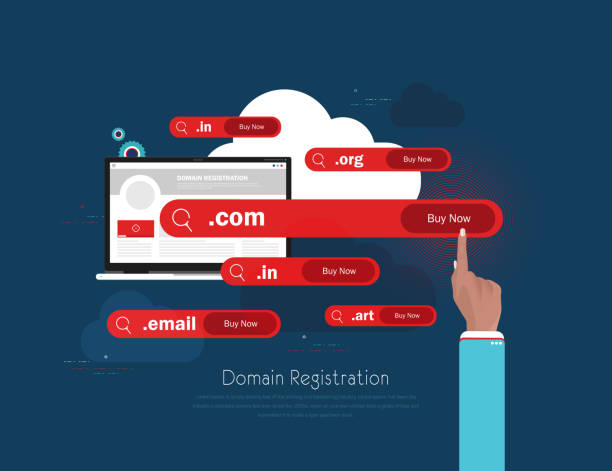

Choosing a domain name is one of the first important decisions you make when establishing your business online. It determines the web address customers use to find your website and can influence how easily people remember your business.
A good domain name should be easy to recognise, simple to type and relevant to your brand. Whether you are starting a company in Zimbabwe or building a business that serves international customers, the right domain can help establish a consistent online identity.
However, choosing a domain involves more than finding a name that sounds attractive. You should also consider your brand, target audience, domain extension, availability, potential trademark conflicts and long-term business plans.
This guide explains how to choose a domain name that supports your business today and leaves room for future growth.
What Is a Domain Name?
A domain name is the human-readable address people use to access a website. Instead of typing a numerical IP address, visitors can enter a name such as example.com into their browser.
A domain name usually consists of two main parts: the name itself and the extension.
For example, in example.com, “example” is the second-level domain and “.com” is the top-level domain, commonly called a domain extension.
Different extensions serve different purposes. A .com domain is widely recognised internationally, while .co.zw and .org.zw are examples of Zimbabwe-specific domain extensions used by different types of organisations.
Your domain name can also be used for professional email addresses. For example, a company with its own domain might use [email protected] rather than a generic email address.
If you are preparing to launch a website, you can explore Tremhost’s domain and hosting services to plan the essentials of your online presence.
1. Choose a Domain Name That Reflects Your Brand
Your domain should help people identify or remember your business. In many cases, using your established business name is the simplest option.
For example, a company called Green Valley Construction might consider a domain based on its name. If the exact name is unavailable, it could explore a suitable alternative that remains consistent with the company’s branding.
If you have not yet established a business name, consider the type of customers you want to attract, the services you provide and how you want the brand to be perceived.
A domain should not be so narrowly focused that it becomes unsuitable when the business expands. A company that initially provides web design, for instance, may later add hosting, security or digital marketing services. A flexible brand name can accommodate that growth more easily than a name tied to only one small service.
Before registering a domain, check that the name does not conflict with another company’s brand or protected trademark.
2. Keep Your Domain Short and Easy to Remember
Shorter domain names are often easier to communicate, type and recall. Although there is no universal ideal length, simplicity should be a priority.
Imagine telling a potential customer your website address during a telephone call. A name that requires repeated spelling or lengthy explanations creates unnecessary friction.
Try to avoid complicated combinations of words, unusual spellings and unnecessary abbreviations. If people regularly misspell your domain, they may struggle to find your website.
A useful test is to say the domain aloud to someone who has never seen it. Ask them to write it down. If they cannot easily reproduce it, consider whether a simpler alternative would work better.
The aim is not necessarily to find the shortest possible domain. It is to choose one that is memorable, clear and appropriate for your brand.
3. Avoid Unnecessary Hyphens and Numbers
Hyphens and numbers can make a domain more difficult to communicate verbally. They can also create confusion when people try to remember the address.
For example, a domain containing several numbers and hyphens may be harder to recall than a straightforward business name.
There are legitimate cases where a hyphen or number makes sense, particularly if it is part of an established brand. However, do not add these elements automatically just because your preferred domain is unavailable.
Instead, explore a few alternative names, consider a suitable extension or look for a concise variation that preserves your brand identity.
4. Choose the Right Domain Extension
The extension at the end of your domain can communicate something about your business, location or intended audience.
.com
The .com extension is widely recognised and is often a sensible option for businesses targeting customers across multiple countries. Its popularity also means that many short and memorable names are already registered.
.co.zw
The .co.zw extension can be appropriate for commercial businesses seeking a clear connection with Zimbabwe. It may help communicate a local presence to customers who are specifically looking for Zimbabwean companies.
.org
The .org extension is commonly associated with organisations, nonprofits and community initiatives. It may suit an organisation whose identity and purpose align with that use.
Other extensions
Other extensions may be suitable depending on your industry, branding and audience. Before choosing one, consider whether your customers will recognise it and whether it aligns with your intended use.
For a Zimbabwean business serving both local and international markets, the choice between a country-specific extension and a globally recognised extension should reflect your brand strategy. Neither option is automatically best for every business.
Also check the registration requirements, renewal prices and available services for the extension you choose.
5. Think About Your Target Market
Your domain should make sense to the people you want to reach.
A business that primarily serves customers in Zimbabwe may value a domain extension that reinforces its local identity. A company targeting clients across Africa or worldwide may prefer a name that works naturally in different markets.
Consider whether your domain is easy to pronounce, whether it has unintended meanings in other languages and whether it remains appropriate if you expand into new locations.
Avoid choosing a name based on a temporary trend or a very narrow geographic focus unless that is a deliberate part of your business strategy.
A domain is a long-term business asset. It is worth considering where you want the company to be several years from now.
6. Check Domain Availability Before Making a Final Decision
You may have an excellent business name in mind, only to discover that someone else has already registered the corresponding domain.
Before finalising your brand, check whether your preferred domain is available through a domain registrar. Availability can differ across extensions, so the .com version might be unavailable while another suitable extension remains open.
If the domain is already registered, avoid assuming that you can use it simply because the website appears inactive. The owner may still have legitimate rights or plans for the name.
You can consider alternative wording, another appropriate extension or a different brand name. If purchasing an existing domain is an option, assess its price and ownership history carefully before proceeding.
You can begin exploring domain and website services through Tremhost.
7. Check for Trademark and Brand Conflicts
Domain availability does not automatically mean a name is legally safe to use.
A domain may be available for registration even though the name conflicts with an existing trademark or another organisation’s rights. Using a confusingly similar name can create legal disputes, customer confusion and expensive rebranding work.
Before committing to a name, search for businesses using the same or similar wording. Check relevant trademark records and consider obtaining professional legal advice if the name is close to an established brand.
This is particularly important if you intend to operate internationally, because trademark rights and registration systems can differ between countries.
Choosing a distinctive name from the beginning is generally easier than changing your identity after your business has invested in marketing, signage, packaging and customer recognition.
8. Consider Professional Email From the Beginning
A domain can do more than direct customers to your website. It can also support professional business email.
Addresses such as [email protected] or [email protected] use the company’s domain and can provide a more consistent business identity than a generic personal email address.
Before choosing a hosting arrangement, consider how many email accounts your team needs, how much storage they require and which devices or email applications they use.
You should also plan for appropriate email security and authentication, including SPF, DKIM and DMARC where applicable. Correct configuration can help receiving mail systems verify messages from your domain and reduce the risk of domain spoofing.
Tremhost offers business email hosting for organisations that need email services associated with their own domain.
9. Protect Your Domain Name
After registering a domain, take steps to protect access to it. Losing control of a domain can disrupt your website, email and customer communications.
Use a strong, unique password for your registrar account and enable multi-factor authentication where available. Keep your account recovery information current and restrict access to trusted people.
Enable domain renewal notifications and consider automatic renewal if it is appropriate for your payment arrangements. Make sure the payment method remains valid and that the registered account details are accurate.
Keep track of who owns the domain and who is authorised to manage it. If an agency or developer registers the domain on your behalf, clarify ownership and ensure your business retains appropriate access and control.
You should also understand the registrar’s transfer procedures and renewal policies. Domain protection is an ongoing responsibility, not something that ends once registration is complete.
10. Do Not Choose a Domain Based Only on SEO
A domain name can contribute to your overall brand and online strategy, but including a keyword in the domain does not guarantee that your website will rank highly on Google.
For example, adding a service keyword to your domain may make the website’s purpose clearer, but search visibility also depends on useful content, technical quality, relevance, competition and other factors.
Businesses should prioritise a name that customers can recognise and trust. Build search visibility through helpful pages, accurate business information, good website performance and content that answers the questions your audience is asking.
If you are planning a new website, choose the domain with your brand and audience in mind, then develop an SEO strategy around the products and services you provide.
Common Domain Name Mistakes to Avoid
One common mistake is registering a name without checking whether it resembles another business’s brand. This can lead to confusion or disputes later.
Another is choosing an unnecessarily complicated name. Long strings of words, unusual spelling and confusing punctuation can make a domain harder to communicate.
Some businesses also overlook renewal costs. A domain may have an attractive first-year registration price but a different renewal price, so always review the ongoing cost before purchasing.
Finally, avoid registering a domain without confirming who controls the account. Your business should know where the domain is registered, who manages it and how access can be recovered.
Taking time to check these details can prevent problems that are much harder to resolve after the website becomes established.
What Should You Do After Choosing Your Domain?
Once you have selected an appropriate name, the next step is to register it through a suitable registrar.
You will then need to connect the domain to your website hosting, configure the required DNS records and activate HTTPS for secure website access. If you are using domain-based email, the necessary mail records must also be configured correctly.
After the technical setup, publish clear information about your business, services and contact details. Test the website on mobile devices and make sure important pages load correctly.
If you are still planning your website, Tremhost offers web design services as well as shared hosting. Review the current packages and requirements to determine which services fit your project.
Frequently Asked Questions
What makes a good business domain name?
A good business domain name is memorable, easy to spell, relevant to your brand and suitable for your target market. It should also avoid obvious trademark conflicts.
Should my business use .com or .co.zw?
Choose the extension that fits your brand and audience. .com is widely recognised internationally, while .co.zw can reinforce a connection with Zimbabwe. Availability, renewal costs and registration requirements should also influence your decision.
Does a domain name affect Google rankings?
A domain can help communicate your brand, but having a keyword in the domain does not guarantee higher rankings. Relevant content, technical accessibility and overall website quality remain important.
Can I change my domain name later?
Yes, but changing a domain can affect website traffic, email and search visibility if the migration is not handled correctly. It is better to choose carefully at the beginning. If a change becomes necessary, plan redirects and update important links and business listings.
How long can I register a domain for?
Registration periods depend on the extension and registrar. Many domains can be registered for multiple years, but you should check the specific rules and renewal terms for the extension you choose.
Can I use my domain for business email?
Yes. A domain can support professional email addresses when paired with a suitable email service and correctly configured DNS records.
Conclusion
Choosing a domain name is an important step in establishing your business online. The right name should be easy to remember, appropriate for your audience, consistent with your brand and flexible enough to support future growth.
Before registering, check availability, review renewal costs, consider the right extension and look for potential trademark conflicts. Once your domain is secured, protect your registrar account and plan the hosting, website and email services you need.
If you are preparing to launch your business website, explore Tremhost’s hosting services, business email hosting and website design services to plan your online presence.
A thoughtful domain choice gives your business a strong starting point for building a recognisable and professional digital identity.