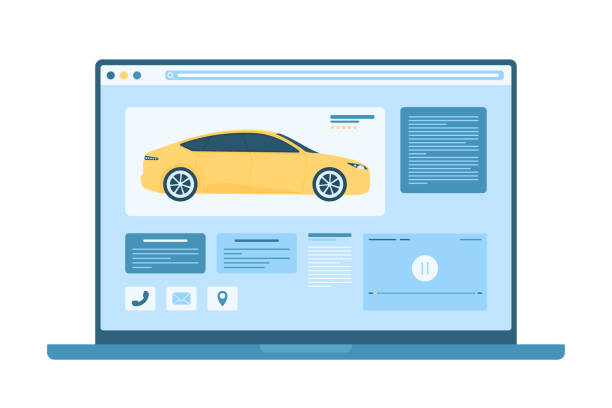

The way people buy vehicles is changing. Before visiting a car dealership, many potential buyers search online to compare available vehicles, check prices, review specifications and identify dealerships they can trust.
For car dealerships in Zimbabwe, a professional website provides an opportunity to reach these buyers before they walk into a showroom.
Whether you sell new vehicles, used cars, imported vehicles or commercial trucks, your website can help customers explore your stock, understand your business and enquire about vehicles that interest them.
A dealership website should do more than display a company name and telephone number. It should function as an online showroom where visitors can browse available vehicles, view photographs, compare specifications and contact your sales team.
In this guide, we explore the essential features of a car dealership website, how to attract potential buyers through Google and what to consider when choosing a website design and hosting provider in Zimbabwe.
Why Does a Car Dealership in Zimbabwe Need a Professional Website?
Buying a vehicle is a significant financial decision. Customers often compare several dealerships before deciding where to make an enquiry.
A professional website helps your dealership present its vehicles and business information in one convenient location.
1. Showcase Your Vehicle Inventory
A website allows you to display vehicles available for sale without relying entirely on social media posts.
Potential buyers can browse your inventory, view photographs and examine important specifications before contacting your sales team.
This is particularly useful for dealerships with a changing inventory of cars, SUVs, pickup trucks and commercial vehicles.
2. Reach More Potential Buyers
Your physical showroom mainly attracts people who know about your location or have been referred to your business.
A website creates another discovery channel.
Someone searching for a used Toyota in Harare or a commercial vehicle dealership in Zimbabwe may discover your website through a relevant search result.
This creates opportunities to reach buyers who might not otherwise know your dealership exists.
3. Build Trust Before Customers Visit
Vehicle buyers want to know that they are dealing with an established business.
Your website can introduce your dealership, display its contact information, provide details about its location and explain how customers can arrange inspections.
You can also publish genuine customer feedback where you have permission to do so.
4. Generate Vehicle Enquiries
Every vehicle listing can include a clear enquiry option.
A visitor interested in a particular car should be able to ask about availability, request additional photographs or arrange a viewing.
This helps your sales team identify interested buyers and follow up with relevant information.
5. Keep Your Inventory Information Organised
Social media posts can become difficult to manage when a dealership has many vehicles available.
A website provides a more organised catalogue.
Customers can browse available vehicles by category, make, model, price or other relevant characteristics, depending on the functionality implemented.
Essential Features of a Car Dealership Website
An effective dealership website should make it easy for visitors to find the vehicles they want and contact the business.
1. A Professional Homepage
The homepage introduces your dealership and guides visitors towards available vehicles.
It should include:
- Your dealership name and branding.
- A clear introduction to your business.
- Featured or recently added vehicles.
- Links to vehicle categories.
- Your showroom location.
- Telephone and email contact details.
- A prominent vehicle enquiry option.
The homepage should make it immediately clear that visitors are looking at a vehicle dealership and show them how to browse the inventory.
2. An Online Vehicle Catalogue
The vehicle catalogue is one of the most important parts of a dealership website.
Each vehicle should have its own listing containing accurate information.
Depending on the vehicle, include:
- Make and model.
- Manufacturing year.
- Asking price.
- Mileage.
- Transmission type.
- Fuel type.
- Engine capacity.
- Body type.
- Drive type.
- Vehicle condition.
- Availability status.
A clear listing helps buyers understand what is being advertised before contacting the dealership.
Make sure vehicle descriptions are accurate and distinguish between verified specifications and information that still needs confirmation.
3. High-Quality Vehicle Photographs
Photographs play an important role in online vehicle shopping.
Buyers want to see the actual vehicle rather than generic images of the manufacturer’s model.
Include clear photographs of:
- The front and rear.
- Both sides.
- Interior and dashboard.
- Seats and upholstery.
- Engine compartment where appropriate.
- Wheels and tyres.
- Any visible damage or notable features.
Use well-lit photographs and consistent image dimensions.
Never use photographs of a different vehicle to advertise a specific listing.
4. Vehicle Search and Filtering
When a dealership has several vehicles available, visitors should be able to narrow down the inventory.
Useful filters may include:
- Vehicle make.
- Model.
- Price range.
- Manufacturing year.
- Body type.
- Fuel type.
- Transmission.
- Mileage.
For example, a customer looking for a vehicle below a particular budget should be able to filter the listings instead of opening every vehicle individually.
5. Individual Vehicle Detail Pages
Each vehicle should have a dedicated page with its photographs, specifications, price and description.
Include a clear enquiry button so that visitors can ask about that specific vehicle.
The enquiry form should automatically identify the vehicle being discussed, making it easier for your sales team to respond accurately.
6. WhatsApp and Telephone Enquiries
Many vehicle buyers prefer to contact dealerships directly.
Provide accessible telephone and WhatsApp enquiry options where your business supports them.
A WhatsApp enquiry link can make it convenient for customers to ask questions about a particular vehicle.
Make sure the message identifies the vehicle so your sales team knows which listing the customer is referring to.
7. Finance and Payment Information
If your dealership offers vehicle financing or works with finance providers, explain the available arrangements accurately.
You may include general information about:
- Deposit requirements.
- Financing eligibility.
- Application procedures.
- Required documentation.
- Available payment arrangements.
Do not advertise financing as guaranteed or publish instalment estimates without clearly explaining the assumptions and applicable terms.
8. About Us and Contact Pages
Your dealership should have an About Us page explaining its background, location and approach to vehicle sales.
The Contact page should include accurate telephone numbers, email addresses, showroom addresses and business hours.
If you have multiple branches, provide clear details for each location.
How to Manage Vehicle Listings on Your Website
A vehicle catalogue is only useful when its information remains accurate.
A dealership should establish a simple process for maintaining its inventory.
Add New Vehicles Promptly
When a vehicle becomes available, add its listing with the correct photographs, specifications and asking price.
This allows potential buyers to discover the vehicle online.
Update Availability
Once a vehicle is sold or no longer available, update its listing.
You can mark it as sold, remove it from active inventory or retain a clearly labelled sold listing if it is useful for your dealership’s portfolio.
Avoid leaving sold vehicles displayed as available.
Review Prices and Specifications
If the asking price changes, update the website.
The same applies to mileage, vehicle condition and other important information.
Accurate listings reduce confusion and unnecessary enquiries.
Make Inventory Management Convenient
If your dealership regularly adds vehicles, consider a website management system that allows authorised staff to create, edit and remove listings without requiring a developer for every update.
This can save time and make inventory management more efficient.
How to Attract Vehicle Buyers Through Google
A dealership website can attract potential customers through search engines when its pages provide relevant information about the vehicles and services offered.
Search engine optimisation, or SEO, helps search engines understand your website and connect relevant pages with people searching online.
Target Vehicle and Location Keywords
Consider the phrases buyers may use when looking for vehicles.
Examples include:
- Used cars for sale in Zimbabwe.
- Car dealerships in Harare.
- Used Toyota vehicles in Zimbabwe.
- Second-hand cars in Bulawayo.
- Pickup trucks for sale in Zimbabwe.
- Commercial vehicles for sale in Zimbabwe.
- Used SUVs in Harare.
These are potential keyword targets rather than verified search-volume figures.
Use relevant phrases naturally in your vehicle listings, category pages and website content.
Create Dedicated Vehicle Pages
Every vehicle listing should have a descriptive page title and accurate information.
For example, a listing could identify the make, model, year and dealership location where relevant.
Avoid creating multiple nearly identical pages with no useful information.
Create Vehicle Category Pages
If your dealership sells different types of vehicles, consider separate category pages for:
- SUVs.
- Sedans.
- Pickup trucks.
- Commercial vehicles.
- Hatchbacks.
- Used vehicles.
- New vehicles.
These pages can help visitors browse inventory and provide search engines with a clearer understanding of your website.
Set Up a Google Business Profile
A Google Business Profile can help potential buyers discover your dealership through local search and Google Maps.
Ensure that the business name, address, telephone number and opening hours are accurate.
Add genuine photographs of your showroom and vehicles where appropriate.
Encourage authentic customer reviews without purchasing or fabricating feedback.
Publish Useful Vehicle Buying Guides
Your dealership can also attract visitors through helpful articles.
Possible topics include:
- What to Check Before Buying a Used Car in Zimbabwe.
- Understanding Vehicle Mileage When Buying a Second-Hand Car.
- Questions to Ask Before Purchasing a Used Vehicle.
- Choosing Between a Sedan and an SUV.
- What to Consider When Buying a Commercial Vehicle.
These articles can help prospective buyers research their options while introducing them to your dealership.
Website Security for Car Dealerships
A dealership website may collect customer names, telephone numbers, email addresses and vehicle enquiries.
It should therefore be protected against common website security risks.
Use HTTPS and SSL/TLS
A valid SSL/TLS certificate helps encrypt information exchanged between a visitor’s browser and your website.
This is an important baseline measure, especially when your website includes enquiry forms or customer accounts.
Protect Website Administrator Accounts
Use strong, unique passwords for website administrator accounts.
Enable multi-factor authentication where supported and ensure that only authorised employees can manage vehicle listings and website settings.
Keep Website Software Updated
If your website uses WordPress, keep its core software, themes and plugins updated.
Remove unused components and review administrator access regularly.
Maintain Backups
Your website contains valuable information, including vehicle listings, photographs, customer enquiries and business content.
Maintain reliable backups and establish how the website can be restored if files are accidentally deleted or the website experiences a technical problem.
Protect Customer Information
Only collect information that is necessary for handling enquiries.
If your dealership offers online finance applications, customer accounts or document uploads, assess the additional security requirements before implementing these features.
Consider access controls, encryption, secure storage and appropriate retention procedures.
Your business should also assess its responsibilities under Zimbabwe’s applicable data protection laws, including the Cyber and Data Protection Act.
How Much Does Car Dealership Website Design Cost in Zimbabwe?
The cost of building a dealership website depends on the functionality required.
A small dealership may need a straightforward website with company information, a vehicle catalogue and contact details.
A larger dealership may require advanced search filters, vehicle inventory management, multiple branches, finance enquiry forms and additional integrations.
When requesting a quotation, consider the following:
Number of pages: How many pages will be required to introduce the business and display its services?
Vehicle catalogue: How many vehicle listings will the website support?
Search filters: Will customers need to filter vehicles by price, model, year and other specifications?
Inventory management: Will dealership staff be able to add, edit and remove listings themselves?
Enquiry functionality: Will the website support vehicle-specific enquiries and WhatsApp contact options?
Design: Will the website use a customised design that reflects the dealership’s brand?
Hosting and domain: Are these included in the website package?
Ongoing support: Who will manage updates, backups and technical problems?
Tremhost’s published website design packages start at $550 per year for Basic, $810 per year for Business and $1,280 per year for Enterprise.
A standard website package may be suitable for a straightforward dealership website. However, advanced vehicle inventory management, search filters or custom integrations may require a separate quotation.
Explore the available services at https://tremhost.com/webdesign.
Choosing the Right Hosting for a Dealership Website
A vehicle catalogue can contain many photographs and individual vehicle pages.
Your hosting environment should therefore provide appropriate storage, performance and room for growth.
Consider the following:
Storage: Vehicle photographs and website files require sufficient storage.
Performance: Visitors should be able to browse listings without unnecessary delays.
Backups: Maintain copies of important website information and inventory data.
Security: Protect administrator access and customer enquiry information.
Scalability: Consider whether your website can accommodate more listings and additional features as the dealership grows.
Tremhost offers several hosting options:
- Shared Hosting for standard business websites.
- WordPress Hosting for WordPress-powered websites.
- VPS Hosting for projects requiring a different hosting arrangement.
The right option depends on the number of listings, website traffic and functionality.
Common Mistakes Car Dealerships Should Avoid
1. Using Generic Vehicle Photographs
Buyers want to see the actual vehicle being advertised.
Use genuine photographs that accurately represent each listing.
2. Displaying Sold Vehicles as Available
Outdated listings can frustrate potential buyers and waste your sales team’s time.
Keep the inventory updated.
3. Leaving Out Important Vehicle Specifications
Price alone is not enough.
Provide relevant details such as mileage, year, transmission, fuel type and condition.
4. Making It Difficult to Contact the Dealership
Display telephone numbers, email addresses and enquiry options prominently.
5. Ignoring Mobile Users
Many potential buyers browse vehicle listings on smartphones.
Make sure the website is responsive and that photographs, specifications and enquiry buttons display correctly.
6. Publishing Unclear Prices
If a price is displayed, make sure it is current and clearly explained.
If the price is available on request, say so rather than displaying misleading information.
7. Neglecting Website Maintenance
Keep software updated, maintain backups and review website functionality regularly.
Frequently Asked Questions About Car Dealership Website Design in Zimbabwe
How much does a car dealership website cost in Zimbabwe?
The cost depends on the number of pages, vehicle catalogue requirements and additional functionality. Tremhost’s published website design packages start at $550 per year. Advanced inventory management and custom integrations may require a separate quotation.
What should a car dealership website include?
A professional dealership website should include a homepage, vehicle catalogue, individual vehicle pages, photographs, specifications, contact details and enquiry functionality.
Can customers search for vehicles by price and model?
Yes. A website can include search filters that allow visitors to narrow down vehicles by make, model, price, year, body type and other specifications. The exact functionality depends on the website’s design and development scope.
Can dealership staff add vehicles themselves?
Yes. A suitable inventory management system can allow authorised staff to add new vehicles, update prices, change specifications and mark sold vehicles as unavailable.
Can a car dealership website include WhatsApp enquiries?
Yes. WhatsApp contact links can be included on the website and individual vehicle listings, allowing prospective buyers to enquire about specific vehicles.
Is WordPress suitable for a car dealership website?
WordPress can support a dealership website with vehicle listings and enquiry forms. The inventory system and search functionality should be selected and configured according to the dealership’s requirements.
Can a dealership accept vehicle deposits online?
Potentially, yes. This requires suitable payment integration and clear terms covering payments, refunds, reservations and customer responsibilities. Payment functionality should be assessed separately before implementation.
Can Tremhost design and host a car dealership website?
Tremhost provides professional website design, domain registration, hosting, business email and website security services. Contact the team to discuss the required vehicle catalogue and any additional functionality.
Build Your Online Showroom With Tremhost
Your dealership’s website can become an important part of your sales process.
It gives potential buyers a convenient way to browse available vehicles, compare specifications, view photographs and contact your sales team.
A successful dealership website combines professional design, accurate inventory information, mobile-friendly layouts, search engine optimisation and appropriate security.
Tremhost provides website design, domain registration, web hosting, professional email and website security services to help businesses establish their online presence.
Whether you operate a small used-car dealership or a larger vehicle sales business, we can help you plan a website that reflects your brand and supports your sales objectives.
Explore Tremhost’s website design services at https://tremhost.com/webdesign or contact our team to discuss your project.
Turn your vehicle inventory into an online showroom with Tremhost.