
If you’re planning to start a web hosting business, one of the first skills you’ll need to master is creating hosting packages in WHM. Hosting packages are the foundation of every successful hosting company because they define what resources customers receive and how those resources are allocated on your server.
Whether you’re a web designer looking to offer hosting services, a digital agency creating recurring revenue, or an entrepreneur launching a hosting company, understanding how to create hosting packages in WHM can help you build a professional hosting operation from a single VPS.
The good news is that WHM makes the process straightforward. With just a few configurations, you can create hosting plans that serve everyone from personal bloggers to growing businesses and high-traffic websites.
What Is a Hosting Package?
A hosting package is a predefined set of resources and features assigned to a hosting account.
Instead of manually configuring each customer account individually, WHM allows you to create packages that automatically allocate storage space, bandwidth, email accounts, databases, and other hosting features.
When a new customer signs up, you simply assign one of your packages to their account, and WHM automatically applies all the settings you’ve defined.
This not only saves time but also ensures consistency across your hosting services.
Think of hosting packages as products on a store shelf. Each package offers a different level of resources and functionality designed for different customer needs.
Why Hosting Packages Are Important
Without hosting packages, managing customer accounts quickly becomes difficult.
As your customer base grows, manually assigning resources to every account can become time-consuming and increase the risk of errors. Hosting packages create structure and simplify server management.
They also help customers understand what they are purchasing. Instead of seeing a confusing list of technical specifications, customers can choose from clearly defined plans that match their requirements.
For hosting providers, packages make pricing easier, improve scalability, and create a professional customer experience.
Most importantly, they allow you to maximize the resources available on your VPS while maintaining consistent service quality.
Understanding Resource Allocation
Before creating hosting packages, it is important to understand the resources available on your VPS.
Every VPS includes a certain amount of CPU power, RAM, storage space, and bandwidth. These resources must be distributed responsibly among your hosting accounts.
For example, if your VPS includes 60GB of NVMe storage, you might create several hosting plans with different storage allocations rather than assigning large amounts of storage to every customer.
The goal is to balance profitability with performance.
Successful hosting providers avoid overselling resources to the point where customer websites suffer from slow speeds or reliability issues. Instead, they create packages that leave room for growth while maintaining a positive customer experience.
Planning Your Hosting Packages
Before opening WHM, it helps to decide which types of customers you want to serve.
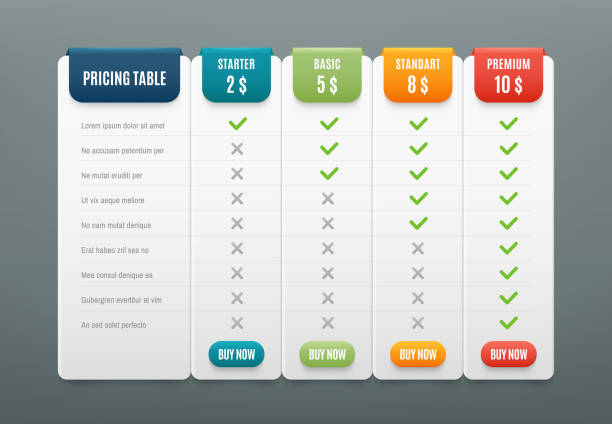
Most hosting businesses create multiple package levels designed to accommodate different needs. Smaller packages typically appeal to personal blogs, portfolios, and startup websites. Mid-tier plans often target small businesses, while premium plans serve e-commerce stores, organizations, and high-traffic websites.
When planning your packages, focus on simplicity.
Customers should immediately understand the difference between plans. If every package appears identical, customers may struggle to choose the right option.
A clear progression from basic to premium plans creates a smoother purchasing experience and encourages upgrades as websites grow.
Creating a Package in WHM
Once you’ve logged into WHM, creating a hosting package is a straightforward process.
Within the Packages section, WHM provides a package creation tool where you can define resource limits and account features. Here, you assign a package name and specify the resources customers will receive.
You can determine storage allocations, monthly bandwidth limits, email account availability, database limits, FTP accounts, subdomains, addon domains, and parked domains.
WHM then saves these settings as a reusable hosting package.
Whenever you create a new customer account, you simply select the desired package and WHM automatically applies all associated limits and permissions.
This automation becomes invaluable as your customer base grows.
Creating Packages for Different Customer Types
The most successful hosting providers tailor packages to specific customer needs.
For example, a personal blogger may only require a modest amount of storage and bandwidth. A small business website may need more email accounts and additional resources. An online store typically requires greater performance, storage, and scalability.
By creating packages that address these different use cases, you increase your ability to attract a wider range of customers.
This also creates natural upgrade opportunities. As customers outgrow their existing plans, they can move to higher-tier packages without changing providers.
For hosting businesses, upgrades often represent some of the easiest revenue growth opportunities.
Setting Competitive Pricing
Pricing is one of the most important aspects of package creation.
Your hosting plans must be profitable while remaining competitive within your target market.
When determining pricing, consider your VPS costs, software licenses, support expenses, and desired profit margins. The goal is not simply to offer the lowest prices but to provide strong value.
Many customers prioritize reliability, support, and performance over small differences in price.
A well-priced hosting package supported by excellent service often outperforms cheaper alternatives in terms of customer retention and long-term profitability.
Including Valuable Features
Modern customers expect more than basic hosting.
Features such as free SSL certificates, one-click application installers, website builders, backups, and email hosting can significantly increase the appeal of your packages.
Tools such as Softaculous allow customers to install WordPress, Joomla, Magento, Moodle, and hundreds of other applications with minimal effort.
SitePad enables customers to create websites without coding knowledge.
These value-added features help differentiate your hosting services while improving customer satisfaction.
The more value customers perceive, the more likely they are to choose your hosting plans over competing alternatives.
Managing Growth and Resource Usage
As your hosting business expands, monitoring resource usage becomes increasingly important.
WHM provides tools that allow you to track storage consumption, bandwidth usage, account activity, and server performance. Regular monitoring helps identify customers who may require upgrades while ensuring the server remains healthy and responsive.
This proactive approach prevents performance issues and helps maintain a high-quality hosting environment.
Successful hosting businesses regularly review package allocations and adjust offerings as customer needs evolve.
Growth should never come at the expense of reliability.
Why VPS Hosting Is Ideal for WHM Packages
A VPS provides the flexibility needed to create and manage hosting packages effectively.
Unlike shared hosting environments, a VPS offers dedicated resources and greater administrative control. This allows you to customize hosting packages, implement security policies, optimize performance, and scale resources as your business grows.
With WHM running on a VPS, you gain complete control over your hosting environment while maintaining the ability to expand as demand increases.
This combination makes VPS hosting the preferred choice for many resellers and hosting entrepreneurs.
Why Tremhost VPS Hosting Is Perfect for Hosting Providers
Tremhost VPS Hosting provides everything needed to create and manage professional hosting packages.
With high-performance NVMe storage, dedicated CPU resources, guaranteed RAM, WHM access, unlimited cPanel accounts, root access, Softaculous, SitePad, and expert support, Tremhost gives hosting providers the tools required to succeed.
Whether you’re launching your first hosting package or managing hundreds of customer accounts, Tremhost VPS solutions provide the performance, flexibility, and scalability needed for long-term growth.
Our infrastructure allows you to focus on serving customers and growing your business rather than worrying about technical limitations.
Final Thoughts
Creating hosting packages in WHM is one of the most important steps in building a successful hosting business. Well-designed packages simplify account management, improve customer experiences, and create scalable revenue opportunities.
By understanding resource allocation, structuring plans around customer needs, offering valuable features, and maintaining reliable performance, you can create hosting packages that attract customers and support long-term business growth.
With WHM and a powerful VPS from Tremhost, you have everything needed to build, manage, and scale a professional hosting company. The journey from a single VPS to a thriving hosting business often begins with one simple step: creating the right hosting packages.