
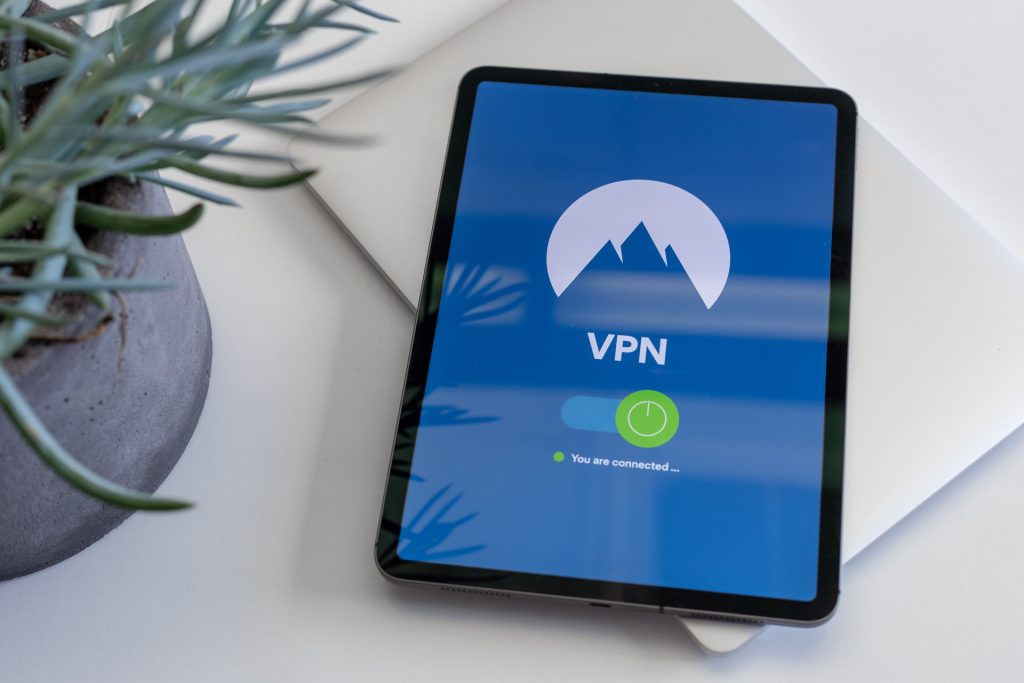
The best VPN service provider is one with a clear no-logs policy that has been independently checked, modern protocols such as WireGuard, servers in the countries you need, enough simultaneous devices and a price and payment method that suit you. Which one fits depends on why you want a VPN: protecting your connection on public Wi-Fi, privacy from your internet provider, or giving staff secure access to company systems, which is a different problem with different tools.
This is Tremhost’s own blog, and Tremhost is one of the providers listed. Tremhost does not sell a consumer VPN; we explain below what it offers that is relevant to businesses. We have used only facts each provider publishes on its own website, and we have not ranked anyone.
What a VPN does, and what it does not do
A virtual private network encrypts the traffic between your device and the VPN provider’s server, then sends it on to the internet from that server. That means:
- People on the same Wi-Fi network, such as in a café or airport, cannot read your traffic.
- Your internet provider sees that you are connected to a VPN, but not which sites you visit.
- Websites see the VPN server’s IP address rather than yours.
A VPN does not make you anonymous, because the VPN provider can see your traffic instead of your internet provider; that is why its logging policy matters. It does not stop phishing emails, malware you download or weak passwords. Most websites already use HTTPS, which encrypts the content of your browsing even without a VPN.
For a business, the question is often not privacy but access: staff working from home or on the road need to reach accounting systems, file shares or admin panels safely. A traditional company VPN connects a device to the whole office network, while newer zero-trust services check each person and device before granting access to specific applications only.
What makes a VPN service good?
1. Logging policy and independent audits
What to check: what the provider says it records, and whether an independent firm has audited that claim. Why: you are moving trust from your internet provider to the VPN provider. A published audit is stronger evidence than a marketing promise.
2. Ownership and jurisdiction
What to check: who owns the company and which country’s laws it operates under. Why: those laws determine what it can be required to hand over.
3. Protocols and encryption
What to check: support for WireGuard or OpenVPN, and a kill switch that blocks traffic if the VPN drops. Why: these are well-reviewed, widely used protocols, and a kill switch prevents accidental leaks.
4. Server locations and speed
What to check: whether there are servers near you and in the countries you need. Why: traffic travels via the VPN server, so a distant server adds delay. Test speeds yourself during the refund period.
5. Devices and apps
What to check: how many devices can connect at once, and whether there are apps for every platform you use. Why: a household or small team can quickly exceed a low limit.
6. Price, payment methods and refunds
What to check: the renewal price, accepted payment methods and the refund window. Why: long-term discounts can renew higher, and not every provider accepts the payment methods you have.
7. Free plans
What to check: how a free VPN is funded, and its limits. Why: a free VPN with no clear business model may profit from your data. Free tiers from providers with paid plans are a safer route.
A short list of VPN providers
Listed alphabetically, not ranked. Facts come from each provider’s own page on the date shown; check the live page before you buy.
Mullvad
Mullvad’s pricing page, as listed on 5 November 2026, shows one flat price of €5 a month including VAT, whether you pay monthly or for a year, for up to 5 devices. Accounts are created in one click with an account number, and payment options include card, PayPal, bank wire, cryptocurrency and cash. A 14-day money-back guarantee applies, excluding cash payments. Suits people who want a simple, flat price.
Proton VPN
Proton VPN’s plans page, as listed on 5 November 2026, describes a free plan with unlimited data, one device at a time and servers in 10 countries, and a paid VPN Plus plan for up to 10 devices at once. Paid plans carry a 30-day money-back guarantee. Suits people who want to start with a free tier from a provider that also sells paid plans.
Tremhost
Tremhost does not sell a VPN for personal use. For businesses whose real need is secure access for remote staff, it offers Armor Workforce on its Tremhost Armor page: Cloudflare-based protection for staff devices, configured and monitored by Tremhost, that gives access to internal systems without a traditional VPN, with web filtering on every device, at $5 a person a month for a minimum of 10 people. Payment is in US dollars by EcoCash, InnBucks, ZimSwitch, Omari, Visa or Mastercard, and support runs Monday to Friday, 08:00 to 17:00 CAT.
Which option suits your situation?
- You use public Wi-Fi often: a reputable paid VPN, or a free tier from a provider with paid plans.
- You want a simple monthly price with no long contract: look for flat pricing and the payment methods you have.
- A family or small team needs cover on many devices: check simultaneous device limits.
- Your business needs staff to reach internal systems securely: consider a zero-trust access service rather than a consumer VPN, so access is granted per person and per application.
- Your business needs protection on staff computers: endpoint security such as ESET, supplied by Tremhost, addresses malware that a VPN does not.
Frequently asked questions
Is a free VPN safe?
Some are, many are not. Prefer a free tier from a provider that also sells paid plans and publishes its logging policy.
Will a VPN slow down my internet?
Usually a little, because traffic takes an extra hop and is encrypted. Choosing a nearby server keeps the slowdown small.
Is using a VPN legal?
In many countries, yes, but laws and workplace policies differ. Check the rules that apply to you and use a VPN lawfully.
Does a business need a VPN?
Many businesses need secure remote access rather than a consumer VPN. For a managed approach to staff, network and site security, see Tremhost managed security.
Next step
Decide what you need a VPN for, then compare providers on their own pages and test one during its refund period. If you are securing a business team rather than a personal device, ask Tremhost about Armor Workforce on WhatsApp on +263 73 563 9917.


