Home Blog Page 644

How To Brand Your Business For Tremendous Savings

A great brand doesn’t have to cost a fortune. In fact, there are many ways to brand your business without spending a lot of money or time. Here are six tips to help you do just that:

1. What’s in a name?

Your brand name should reflect the personality of your business. For example, if you run a luxury clothing store, then “The Emperor’s New Clothes” is probably not going to work. Likewise, if you’re selling discount goods then “High-End Boutique” isn’t going to say much about what you’re offering.

A good rule of thumb is that your brand name should be short (no more than three or four words), memorable and easy to pronounce—and also unique enough so no one else is using it already. Your brand name should also be easy to spell and read by customers who see it on social media platforms or in ad campaigns; this includes both those spelling errors made by people who don’t know how capitalization works as well as typos made when someone types quickly on their smartphone! Finally, make sure that whatever word combination(s) makes up your company name does not conflict with any trademarks owned by competitors (for example: if another company owns all rights under the terms ‘NEW COOL STORE’ then there could be legal issues involved).

2. Define Your Brand

A brand is a name, term, design, symbol or other feature that distinguishes an organization or product from its rivals.

A brand identity is a set of characteristics that creates an emotional connection between the consumer and what they are buying.

A brand promise is what you are promising to your customers and it is important to define this clearly so you know what to communicate through your branding. It should be one sentence that sums up everything you want people to know about your business in one simple thought.

3. Create a Tone of Voice For Your Brand

  • Create a Tone of Voice For Your Brand

Once you’ve established your brand, it’s important to define the voice of your brand. A consistent tone of voice will help reinforce your messaging and create an identifiable feel for the company.

To create a tone of voice guidebook, ask yourself these questions:

  • Who is my ideal customer? What do they care about? What are some words they might use to describe themselves or their experiences with my product/service?
  • How do I want them to feel when they interact with me or our product/service? Is there any emotion that I want to evoke in them when interacting with us—excitement, curiosity, intrigue, etc.?

Once you have this information collected and organized into one place (we recommend using something like Evernote), use it as inspiration while writing content for your website or marketing materials such as emails, blog posts and social media updates.

4. Put a Face to Your Brand

  • Don’t let your shyness or any past failures keep you from getting your face out there. You don’t have to be a celebrity to get noticed, and the truth is that many people prefer doing business with someone they know, rather than someone they don’t. Letting people see what makes you tick will help build trust, which translates into sales.
  • Use social media as a platform for showing who you are. It can be anything from posting pictures of yourself at work to answering questions about why you started this business in the first place. This way, prospective customers can see that there are real people behind the products or services offered by your company—people who care about what they do and who want them to enjoy their experience with it as well!

5. Develop Your Unique Selling Position (USP) and Value Proposition

Your USP is what sets you apart from the competition. It’s what makes your business stand out and sell more than your competitors. Your value proposition is a promise of benefits that customers get from doing business with you.

Most people think of their USP as “We offer great service and good prices” but that’s rarely enough to differentiate themselves from their competition enough for it to make an impact on sales or revenue. If everyone else offers good service and low prices, then there’s no need for anyone to buy from you instead of someone else who also sells great service at low prices! What makes one company better than another?

Your USP needs to be something unique—something that cannot be copied by others because they don’t have access to resources or skills required for fulfilling the promise made in your value proposition statement.

6. Consider the Surface and Subconscious Elements of Your Brand

To complete your brand, you need to consider the surface and subconscious elements of your business. Surface elements include logo, color scheme, and fonts. Subconscious elements include the way you talk about your business, the way you write about your business, and how you present yourself to customers.

Subconscious elements are important because they are often what people remember most. They’re also a good way for potential customers to get an idea of what kind of person is behind the company—and whether or not they will like them!

There are many ways to brand your business without spending a lot of money or time

Tremhost offers many different branding options to choose from. They have a variety of plans and designs, so you can find one that fits your needs.

Tremhost has a variety of branding options, including:

  • Tremhost Basic – $2/month
  • Tremhost Premium – $3/month

Conclusion

Branding your business is a lot of work and it can be very expensive if you hire someone to do it for you. But there are many ways to brand your business without spending a lot of money or time. If you want to save some cash and do it yourself, we’ve outlined some tips above that will get you started on building an awesome brand for your business.

The Top 10 Reasons Why Small Business Owners Should Use Tremhost

Almost every small business owner has a website. But do you know what the benefits are of having one? Or how to use it? The truth is, there are so many things that you can do with your website that it’s easy to forget that some people don’t even know what they can do with it. That’s why I’ve made this list: to remind you of all the amazing things that are possible when using Tremhost for your small business needs!

Create a strong identity.

An important part of building a strong business identity is making sure that it’s memorable. You want your customers to be able to easily identify who you are and what you do, so sticking with a consistent design, layout, colour scheme and logo will help with that.

For example: your website may have black text on white background; the navigation bar might be blue; the footer might contain grey text over a purple background; the header of each page might include a logo in green. That way if someone sees one of these elements on another website or medium (such as social media), they’ll immediately think “Tremhost” instead of “some random company”.

Elevate your professional image.

Tremhost is the brand you can trust. We’ve been providing our clients with professional services since 1999, including web hosting and website design. Tremhost has a great reputation across the industry, and it’s easy to see why: we offer fast and secure hosting in an array of locations around the world, as well as responsive customer service 24/7/365.

Our focus on quality makes us different from other providers who may not be able to provide their customers with the same level of support or technical expertise that they need when they come across issues while using their website.

Increase your value and credibility.

A website is a great way to showcase the best of your business. It can be used to highlight your work, services and products in a way that will help you attract new customers, increase sales and build credibility.

You can use a website to show off what makes you stand out from the competition. You can also use it as an online brochure for potential customers who are researching your industry or area of expertise before buying anything from you. A well-designed website shows visitors how much time and effort goes into every aspect of your business, which builds trust between them and their potential supplier.

Keep your business up to date.

Keeping your business up to date is one of the best ways you can keep customers coming back.

  • Update your website: If you are not updating your website, then it’s time to start doing so! Updating your site regularly will help keep it relevant and fresh in visitors’ minds, so they’ll want to come back again and again. It also makes sure that people who visit for the first time find what they are looking for quickly.
  • Make a blog: A blog is an excellent way of keeping your customers informed about what’s happening in your business life and how others can benefit from it as well! Blogging helps build trust between you and potential clients by giving them insight into who you are as a person/company/brand. You should also add social sharing buttons on each post so visitors have the ability to easily share content with their friends online too (because everyone loves sharing!)

Make money from your website.

You can make money from your website by selling products and services. For example, you may sell an e-book on how to get more clients or teach people how to use your software. You can promote affiliate products and services on your blog or website, which means you earn a commission for each sale that someone makes after clicking through via your link.

There are many ways of creating revenue streams online, but it requires some effort and know-how on the part of the business owner. If you’re interested in exploring these options further, check out our guides here: [Link]

One thing we’ve learned over time is that if you want a successful small business website (and future), then we highly recommend using Tremhost as your hosting provider because of their features like email marketing automation tools and tutorials for beginners such as yourself!

Sell products or services online.

  • Sell products or services online.
  • Use a shopping cart.
  • Use an ecommerce website.
  • Use a shopping cart with an ecommerce hosting service.
  • Use a shopping cart with an ecommerce platform

Automate parts of your business.

Tremhost can automate parts of your business.

If you’re a small business owner, there’s a good chance that you have a lot on your plate. Between managing employees, managing inventory, and managing marketing campaigns—not to mention the many other tasks that go into running your company—there’s not much time left for things like customer service or sales. But with Tremhost’s automation tools, you can let the software do all the heavy lifting so you can focus on other things in your business.

Automate Marketing With Tremhost: The webinars feature allows users to create automated marketing campaigns by setting up a schedule and sharing details with prospects via an email series or through a landing page embedded with links back to the webinar itself. You can also add scripts that will send out emails automatically when new events are added or update information in real time so prospects always get relevant content sent straight to their inboxes! This means less work for marketers but also more leads; if people aren’t interested enough in what they see initially then they won’t click through which means fewer people filling out forms asking questions about pricing etc…!

Expand your reach and promote events.

Tremhost offers a variety of ways for you to promote your business, product, or service. You can use our search engine optimization (SEO) tools to increase the amount of traffic that comes from search engines like Google and Bing. This is important because it will allow potential customers to find your website when they need it.

You can also post regularly on our blog section, which will help build credibility with customers by providing helpful content that answers their questions or concerns about your products and services. Your posts will be indexed in the search engines, as well as Tremhost’s own internal system where users are able to browse through all of the available posts at once so they don’t have go through them individually one by one.

Promote a product or service with a website.

One of the most important things you can do for your business is to promote a product or service with a website. Websites are a convenient way to reach potential customers and give them all the information they need to make a buying decision.

How can you use Tremhost to promote your products and services? If you want more traffic on your site, you should consider using search engine optimization (SEO) techniques like adding keywords and relevant content into pages on your site, which will help search engines identify it as an authoritative source in their field. You can also use social media platforms like Facebook, Twitter, LinkedIn, Pinterest, Instagram and others to reach out to potential customers directly. Using these strategies will help drive engagement with people who are already interested in what you have to offer!

You don’t have time for this stuff though – let us handle it for free by creating beautiful-looking templates from scratch with our easy drag-and-drop builder toolkit which comes included with every account at no extra charge 🙂

Get listed in directories and search engines.

Get listed in directories and search engines.

Getting listed in several different directories will help your business get found on the Internet by users looking for what you offer. This makes it easier for people to find you, which can lead to more sales opportunities. Search engine optimization (SEO) is a way of getting your website listed high up on the list of results when someone searches for something related to what you sell or do as a service. When people are searching online, they usually start with Google by typing in keywords related to their needs or interests; this means that if someone types “web hosting” into Google, they’ll see web hosting companies near them first before other companies not located nearby appear further down the list. Because TremHost gets its own domain name instead of being hosted through another company’s server space like GoDaddy does with many sites today (including theirs), it gives them an advantage over others trying hard but still failing miserably at being noticed because there aren’t enough places available anymore due solely because demand far exceeds supply these days…

You can use Tremhost for all kinds of benefits for small businesses

Tremhost is your go-to solution for all kinds of benefits, including:

  • Creating a strong identity. Tremhost’s simple and elegant design allows you to create an online presence that reflects your brand image, while remaining professional and authoritative.
  • Elevating your professional image. Tremhost offers a wide range of features that help elevate your business’s professional image by communicating clear messages about what you do and why people should choose you over others in your field.
  • Increasing value and credibility. Tremhost enables small businesses to showcase their skills and experience more effectively than ever before, allowing them to increase their value in the marketplace by demonstrating credibility through testimonials from past clients or case studies detailing how they solved similar problems for other clients in the past (or have plans for solving similar problems in the future). This can be especially helpful when trying to win new customers over competitors who offer lower prices—because if someone has already decided they want what it is you’re selling based on price alone (and not because they need/want it), there’s no point trying anything else except discounting even further!

Conclusion

There are many reasons why you should use Tremhost, and we have listed just 10 of them here. If you’re looking for a solution that will help your small business grow, then look no further than Tremhost!

How Tremhost Helped Our Business

Originally Posted by  a user

If you’re a small business owner, you know how important it is to find the right web host. There are so many things to consider: reliability, security, service and support. And then there’s Tremhost! We’re a small business ourselves, but we’ve been using Tremhost for years because they are an exceptional host in all of these categories. Here’s why we love working with them:

Tremhost is there for emergencies (and other times too).

Tremhost is there for you when you need them most. They respond quickly to emergencies, they are available 24/7, and they can be a great resource for advice. With their help, my business is better equipped than ever before.

Tremhost taught us how to be proactive.

Tremhost taught us how to be more proactive:

  • we discovered that our clients are the most important thing, and when they don’t feel like we’re listening to their needs, they leave. Tremhost taught us how to listen closely and respond quickly. Now if one of our customers has an issue, we can handle it immediately instead of putting them on hold for 20 minutes while someone answers their call.

Tremhost also taught us that being responsive means more than just answering emails and phone calls—it means making sure the customer knows you’re listening by creating new ways for them to communicate with you. For example, we learned about a feature called “quick replies” which allows users with access permissions in Slack channels or direct message threads to reply from within Twitter software instead of switching between multiple browser tabs (or apps). This made it much easier for customers who had questions about our services—they could jump right into conversation without having to sign up first!

Tremhost also helped make things easier by leveraging tools like email automation; this allowed staff members working remotely (including those overseas) access control over certain aspects such as sending mass emails out on behalf of other departments without compromising security protocols.”

They’re really involved in the community.

Tremhost is also involved in the community. They have helped sponsor events and teams, including one of our local sports leagues. They have also donated money to charities. Their commitment to giving back to the community is one reason why we feel comfortable giving them our business.

It’s not just about donations – they also volunteer their time and energy whenever possible! The owner of Tremhost recently volunteered at an event for children with developmental disabilities, which was held at a local church. We were very impressed by this act of kindness on his part; it shows how dedicated he is to helping others who may be less fortunate than himself or his business partner (who also happens to be his brother).

Their CEO is so inspiring.

You can tell her love for her company and the industry comes from a genuine place, which is great to see. She’s a great leader because she has a sense of humor and cares about every employee that works there. She’s also very supportive of her team, so I know they’re going to be able to make this work.

The whole team is extremely nice, and they are a joy to work with.

Tremhost is a great company to work with. They are very friendly and helpful, and they always have time to help you out when you need it. I have never had any issues getting in touch with the CEO or someone on the team, even if I just wanted to chat about something that wasn’t related to their services. The whole team is extremely nice, which makes working with them all the more enjoyable!

More than anything else, they believe in us and our company’s mission.

Tremhost believes in our mission. They’re a great partner to help us achieve our goals, as they are helping us grow our business and increase efficiency. Tremhost has been a great resource for us—they have helped us to get to where we are today.

Tremhost is a great web host for small businesses who want to stay on top of their game.

Tremhost is a great web host for small businesses who want to stay on top of their game. Tremhost lets you create and manage your website with ease, and the fact that it’s so easy to use means you can focus on what’s important: marketing your business.

Conclusion

Tremhost is a great web host for small businesses who want to stay on top of their game. They are there for us when we need them, and they have been a huge help to us with our site. They also believe in us, which is something that not many companies do these days!

42 businesses under $100 dollars you can start in Zimbabwe

Zimbabwe is a great place to do business, but you need a little help. Here are my top picks for successful ventures that won’t break the bank.

Barbering

  • Barbering is a great business to start in Zimbabwe. Everyone needs their hair cut, and it’s a skill that can be learned. You don’t need to buy expensive equipment or rent a space; you can set up shop at home or in your garage.
  • Barbering is one of the most popular businesses for people who aren’t looking to make millions but just want to make some extra cash on the side, so expect competition from other barbers in your city.

Canning veggies and fruits

Canning is the process of preserving food in jars. It’s safe, easy, and economical. You can do it at home! For example, tomato sauce is a great way to preserve fresh tomatoes.

You need jars and lids that are rated for canning. The jar should be shaped so that any liquid will not run over the edge when the jar is closed (flat-bottom pint or half-pint jars work well). The lid must have a rubber seal that keeps air out but lets steam escape during cooking so your food doesn’t explode!

Construct pop up display frames

Having a plan is the most important part of starting a business. You need to know what you are going to do, how much time and money it will take, and how many people will be involved in making the product or offering your service.

You also need to know what kind of supplies you will need for your project. In this case, we’ll look at purchasing materials for building pop-up display frames for businesses. Here’s what you’ll need:

Materials – wood ($5), hinges ($5), nails ($3)

Tools – hammer ($4), saw ($10)

Delivery Service

If you’re looking to start a business, delivery service is a great option. Your goal is to deliver anything from groceries and food, clothes, furniture and other large items. You can even deliver flowers if you want!

Here’s how it works:

  • Find out what people want delivered and where they live
  • Pick up the item and take it to their house/business (or wherever)
  • Get paid

Dog Waste Removal service

Dog waste removal services are used to clean up dog waste left behind by dogs. There are many ways you can make money with a dog waste removal service, such as cleaning up dog waste in your neighborhood and parks, or cleaning up dog waste along the streets.

Dropping off flyers for businesses

You will need to have a flyer to advertise your business. You can get flyers from any print shop or even make them yourself at home. You need to know where there are people who need the services that you offer and where they will be located. Find out if anyone in your area is interested in having their flyer advertising business dropped off by you. Once you know this information, begin dropping off flyers for them on the sidewalks of their business locations throughout the day or week—as long as it’s not too much work to keep up with! The more flyers that are dropped off, the more money will come into your pocket at the end of each day when all those potential customers come back asking about how they can hire someone like yourself!

Embroidery business

If you’re looking for an easy, no-brainer business to get started with, consider starting an embroidery business.

This is a great first business to start if you have a passion for sewing and designing clothes. After all, who doesn’t love gifts that are filled with thought?

The first step to setting up your own embroidery shop is deciding what type of design work you’ll provide. You can focus on creating custom-made products like shirts or mugs, or offer personalized phone cases and laptop covers instead.

Once you decide what type of designs will be most profitable for your customers (or most fun for yourself), it’s time to start planning out how much money they’ll cost them each time they order them from you!

Event Planner

The event planner is a job that requires you to organize and coordinate multiple events, from small to large. Even if you have no experience in this field, there are many different ways to get started.

You can begin by planning smaller events such as birthday parties at home or social gatherings with friends. Once you’ve gained some experience in the field, you can work your way up to larger events like weddings and conferences.

It’s important for an event planner to follow a timeline so nothing gets overlooked during their planning process. Some things they might need included on their timeline are: hiring extra help if needed; ordering food; setting up decorations; coordinating entertainment (such as music); etc.

Flyer distributor business

You can start this business by creating flyers, distributing flyers, advertising and collecting money.

Freelance blog writing business

If you are looking to start a small business and make money while working from home, freelance writing is an excellent option. Whether you’re a student, stay-at-home mom, or college graduate with an interest in writing and editing, freelance writing offers flexibility with an abundance of available jobs.

Freelance blogging is a great way for new writers to build up their portfolio so that they can earn more money for shorter gigs. When starting out as a blogger/writer, it’s important that your work is professional and well-written as this will give potential clients confidence in hiring you again.

Gardening services

If you are a good gardener and have the skills to beautify your surroundings, then gardening services is one of the most profitable business in Zimbabwe.

To start a garden service, you will need to have knowledge in agriculture and landscaping. You will also need some good equipment to do your job well and maintain consistency with your customers that they can rely on you for their gardening needs.

Gardening services is a great way to start a business in Zimbabwe because it requires little capitalization at first, but as soon as your customer base grows, then it becomes very profitable if done right.

Handyman services

Hiring a handyman to help you with your DIY projects is another option. If you want to build your own deck, hire someone who can help with the construction.

If you have plumbing issues in your house or business, hire someone who is knowledgeable and experienced with fixing those types of problems.

Hiring a handyman can be a great way to save money on big projects, especially if it’s something that needs to be done right away or within the next few days.

Home painting & repair services business

  • Before you start
  • What is involved in the job?
  • How much will it cost to start this business?
  • How much can I earn from running this business?
  • How do I market my home painting & repair services business?

Homemade bath products business

Making your own bath products is a great way to make money and add some extra income to your budget. You can sell them at craft fairs or even set up a home business selling them online.

Making your own bath products is easy once you know how to do it. As long as you have a kitchen, you can make these products at home with items that are easy to find in grocery stores or online.

You’ll want to start by picking out a good recipe for making bath bombs and soap bars, then gather all of the ingredients needed for mixing together those recipes (elements like citric acid, sodium bicarbonate, lye). In addition, you may want to look into buying molds for creating decorative shapes for your creations; this will help differentiate yourself from other sellers on Etsy who are also trying their hand at homemade bath products!

Once all of the ingredients have been gathered up, begin mixing them together in individual batches according to what kind of product they’ll become–soap bars versus bombs–and pour each finished batch into its respective mold before letting them cool down completely overnight at room temperature (because if there’s anything worse than having too many hot soaps lying around…it would probably be tonging through an oven full

Homemade food products business (e.g. cakes)

Like many other businesses, the homemade food products business is one that is worth starting. The question is: do you have what it takes to make money with a homemade food products business? Here are some tips on how to start a home-based food products business and make money from it.

  • Start small: You can start by making something as simple as cupcakes or cookies at home and selling them to friends and family members who appreciate such delicacies.
  • Don’t invest much in equipment: If you are new at this venture, then don’t invest heavily in equipment yet; rather use whatever is available to you like baking trays or even kitchen utensils instead of buying expensive ones right away (unless they’re absolutely necessary).
  • Learn from mistakes made: If your first batch doesn’t turn out so well because of possible errors made during preparation, then don’t give up hope—rather try again until the recipe has been perfected!

Homemade Magazine rack business

If you would like to start a magazine rack business, here are some tips:

  • Make sure that you have enough space for storing magazines.
  • Decide if you want to start the business from home or in a shop, and whether or not it will be online.
  • When deciding on the kind of magazines that people will find in your store, look at what people like reading the most and then choose accordingly.

Ironing service business

Ironing is the act of smoothing out creases and wrinkles from fabrics. Such fabrics include cloths, linens, cloths, clothing and more. Ironing services are provided by many people in Zimbabwe; you can be one of them if you have a passion for ironing.

To start an ironing business, you need a table and chair to sit on while you work. You will also need an ironing board or clothes rack where to put your items while they dry after being pressed by the hot plate of your iron machine.

You can advertise this business by word-of-mouth marketing or through flyers distributed at supermarkets near your area where customers would notice it easily when they pass by looking for laundry services like yours that can be done within 24 hours after ordering online via mobile phone apps such as WhatsApp Messenger (WhatsApp), Viber and Telegram etcetera because these apps allow users send messages quickly without having to go through complicated procedures just like sending emails back then when computers were first introduced into homes around Africa including Zimbabwe during those times known now only as history lessons taught at school but not necessarily interesting enough for children who prefer modern technologies instead).

Kitchen cleanup after meal preparation service business in Zimbabwe

Food preparation and cleaning can be a lucrative business. Most people love to eat, so you’re likely to get plenty of customers if you set up a food preparation and cleaning service. This is an especially good idea if you have a kitchen already at home or live close enough to someplace where there’s space for one.

Once you’ve decided on your services, take the time to come up with some catchy names for them that will make people want to order from you instead of other providers in the area. For example: “Kitchen cleanup after meal preparation” could be called “Make money from home,” or “Kitchen cleanup for food prep.” You can also opt for more specific names like “Food preparation” or even just “Cooking,” which may appeal more specifically to people who know exactly what they need done but don’t have time themselves

Laundry shop (Forex Forecast) washing and pressing service in Zimbabwe. Make money with a coin operated laundry shop!

Laundry service.

If you like doing laundry and you have a passion for it, then opening a coin-operated laundry shop is one of the best business ideas that you can pursue. You will be required to buy the washer, dryer and other machines required for running this business. You can also make soaps using your own ingredients and sell them to people who patronize your coin operated laundry shop.

Make Homemade Soap business in Zimbabwe. Start making your own soaps and make money selling home made soap to your friends, family and others while you are at it!

Get started by combining olive oil, coconut oil, and shea butter in a large bowl. In a separate bowl, blend castor sugar with fragrance oils like lavender or rosemary (or even fruit scents). Add some colorant to your soap as well. We recommend using titanium dioxide because it won’t affect the quality of your finished product too much. You can find this at any drugstore or online retailer like Amazon.

Now that you have all of your ingredients ready to go, it’s time to get mixing! Pour them into the large bowl with the first set of ingredients and mix together until smooth consistency forms. If you’re feeling ambitious, add some essential oils for added scent! Once everything is mixed up nicely, pour into molds or store in an airtight container until ready for use!

Bonus: If you want to try out Freelance work and you are a technical person, please check out: https://tremhost.com/whitelabelcloud.html

Conclusion

Start your own business today, and start making money!

How To Slash Your Grocery Bill In Half This Month

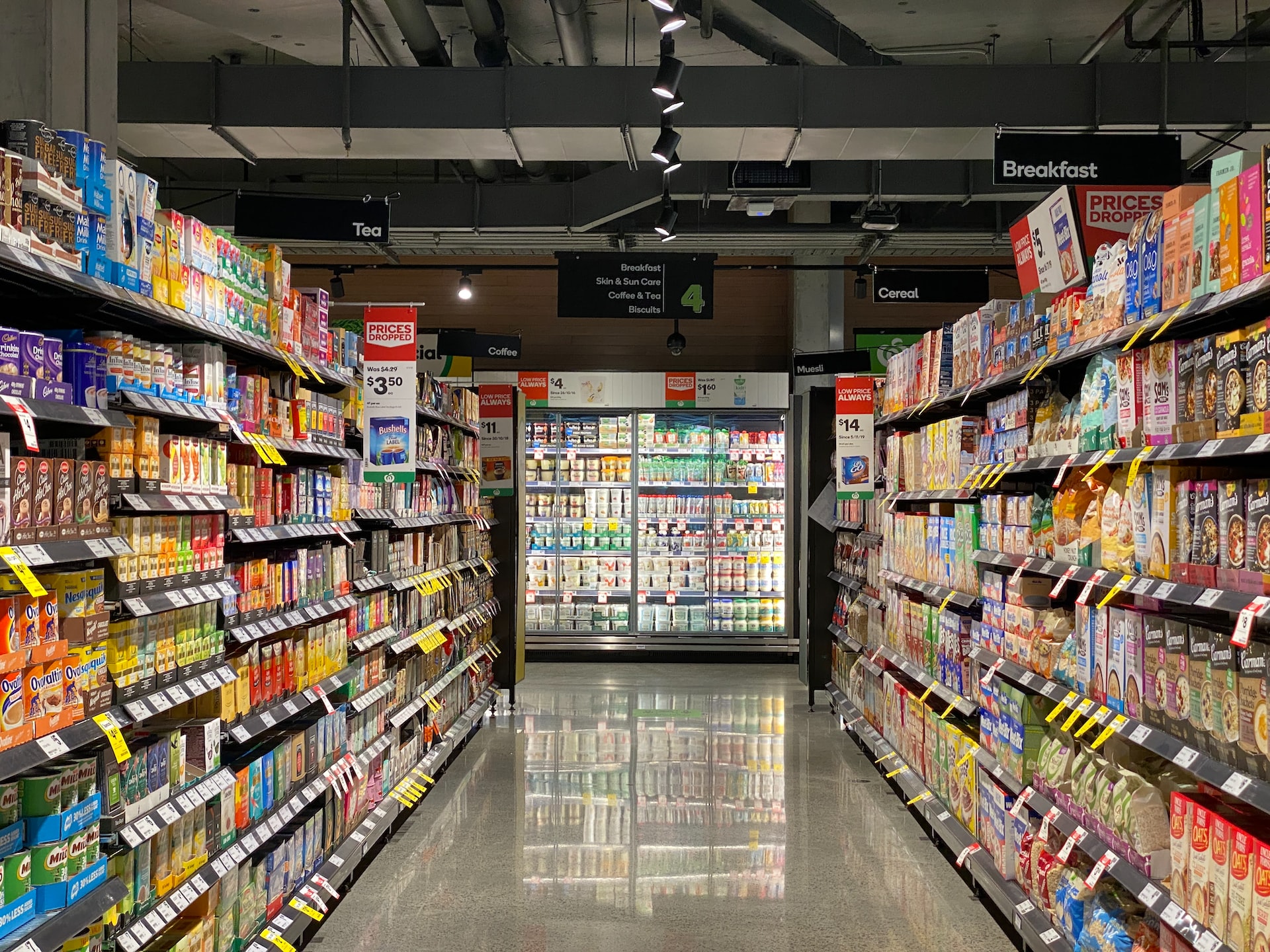
Cooking at home is great for your health and it can help save you money. Cooking yourself means no more paying for expensive restaurant meals or delivery fees! But if you’re not careful, cooking at home can also be expensive. The key is to plan ahead, shop smartly and get creative with what’s in your fridge. This month, we’ve put together a list of ways you can slash the cost of groceries by half. So grab the grocery store flyer from this weekend and let’s get started!

1. Plan out your meals.

  • Plan out your meals.

Planning out your meals is the best way to save money, time and eat healthier. Every week, sit down and write out a list of all the things you need for the upcoming week’s meals so that there are no surprises at the grocery store. This will also help you avoid eating out because making dinner at home is cheaper than eating out every night!

2. Make a shopping list and stick to it.

When you’re planning a trip to the grocery store, it’s easy to get carried away and buy things that you don’t really need. This is especially true if there are any sale items that catch your eye.

To keep yourself from making impulse purchases, make a shopping list before you go to the store. Write down everything that you need to buy before getting in the car and driving over there. By having a list of needed items, you can better control how much money gets spent at the checkout line.

When it comes time for checkout, stick with what’s on your list! If an item doesn’t appear anywhere in your written plan for purchasing groceries today, then don’t buy it! You’re wasting money on products that aren’t useful for yourself or anyone else in your family; plus, these wasted dollars could have gone toward something more useful (like paying off debt).

3. Buy what’s on sale

Have you ever noticed how some things are always on sale, while other items that you’d love to buy seem to never go on sale? That’s because the grocery store knows what people will buy and when. The good news is that when you know what’s on sale and make a list of those items, you can save money without having to worry about waiting for a bargain before buying something.

To make sure your “on-sale” list contains only things that are actually on sale, do your homework! Check out websites like Deals To Meals or PriceBlink which feature coupons specific to each item at Walmart, Target and more. You could even use Google Alerts if you’re really serious about knowing what’s going on in the world of sales (like me).

If nothing is going on at all–if no deals are happening–then wait until they are happening! There will always be another sale eventually…

4. Shop once a week instead of every few days

You’ll save on gas.

You’ll also be less tempted by impulse buys.

It will be easier to stick to your list, because you won’t have to go back for something forgotten (or decide which item you really need more).

And finally: It’s easier to eat healthy when you don’t have time for last-minute trips to the grocery store!

5. Stock up when you can

Lastly, stock up when you can. It’s hard to know when the best time to buy something is, but if you have a few bucks in your pocket and see an item on sale that has been on your shopping list for a while, don’t hesitate. If you’re worried about buying too much food and having to throw away spoiled or expired items, here are some tips for storing food:

  • Keep perishable foods at proper temperatures inside of the refrigerator and freezer (see below).
  • Put non-perishable foods in airtight containers so they don’t absorb moisture from other foods.
  • Use clear plastic lids or plastic wrap over top of containers to keep out insects and pests.

6. Grow your own produce

If you’ve got the space, growing your own produce can save you a ton of money. Vegetables and fruits are cheap to buy but can be expensive to grow, especially if they’re not in season or if you’re buying everything at full price. On the other hand, if you have an extra bedroom and a little time on your hands, why not give it a try?

Growing plants indoors makes it easy for anyone with even the smallest apartment or house to grow food for themselves. As long as there’s enough sun (and sometimes even when there isn’t), you can plant herbs on a windowsill or in a greenhouse; tomatoes and peppers need more light so they’re best suited for balconies or small yards where they’ll get sunlight all day long. If all else fails, try indoor hydroponics—it’s easier than ever before!

7. Switch to store brands

  • Switch to store brands.
  • Store brands are a great way to save money and eat healthy, too. Some people think that they’re not as good as name-brand products, but this isn’t always true! You can compare the price of store brand products with their name-brand counterparts at your local grocery store or online. If you find that the store brand is less expensive than its counterpart, then it might be worth switching over.
  • Shop by unit price (per ounce or pound).

It’s also important to consider quality when choosing what food items to buy: different foods vary greatly in terms of their nutritional value and calories per serving size—and some items may simply last longer than others before spoiling or going bad!

8. Buy in bulk

  • You can save a lot of money by buying in bulk.
  • Make sure the item you want to buy will fit your family size, financial situation, and food preferences.
  • If it is something that you use often and love, then go for it! For example: canned fish (tuna), beans/peas/chickpeas, peanut butter, whole grains (quinoa).

9. Buy items in season

  • Buy seasonal produce. By this, I don’t mean that you should only buy fruits and vegetables grown in your local area—though if they’re available, that’s great! But there are plenty of opportunities to find good deals on fresh produce at the grocery store. If you can find a grocery store that has a huge selection of organic produce, this is a great place to start.
  • The best time of year to stock up on fresh produce is when it’s in season; otherwise known as when it’s cheapest and most nutritious! Some examples of what’s in season during winter include apples (which can be used for pie), cabbage (which makes great coleslaw), carrots (for carrot cake), cauliflower (a warm winter vegetable), cranberries (for Thanksgiving stuffing), cucumbers (to make dill pickles or relish), potatoes (baked with garlic butter sauce) oranges peppers pumpkins squash spinach tomatoes zucchini

10. Cook from scratch as much as possible

Cooking from scratch is the best way to slash your grocery bill. It’s cheaper, healthier, and more fun than eating out or ordering takeout every night. Cooking your own meals also helps you save time and gives you more control over what goes into the food you eat.

All it takes is a little planning, some basic cooking skills—or at least some willingness to learn them—and a few key ingredients that can be used in many different ways (like coconut oil).

Planning out your meals and shopping only once a week can make you spend half as much on groceries!

Planning out your meals and shopping only once a week can make you spend half as much on groceries.

It sounds like a lot of work, but when you get into the habit of planning your weekly menu, it’s actually not that difficult at all. The more you plan ahead the easier it will become, so start with something simple like two days worth of meals and go from there.

The key part is to learn how to meal plan properly so that nothing gets wasted or forgotten about. You’ll also be able to save money by planning out your meals and shopping once a week!

Conclusion

After all, it’s not like you can save money if you never have any left over to save! We hope these tips will help you get on track with a more frugal way of living. A lot of people think that being more frugal is all about giving up luxuries and living like an ascetic monk—but we think it’s much simpler than that. It starts with planning ahead and sticking to your list, before moving on to things like shopping only once a week or even growing your own produce. Once those habits are established, things like switching store brands can make all the difference in how much money goes out (and comes back into!) your bank account every month!

A Survival Guide for the Upcoming Recession

We have seen the beginning of a recession and it is important that you start preparing for the worst. So, what is a recession? A recession is when an economy experiences a significant decline in activity over a period of time. It usually happens due to high inflation, unemployment or both. There are two types of recessions that occur within an economy:

  • Recessions caused by demand-deficient shocks: These types of recessions occur when there are more goods available than consumers can buy at current prices; this results in lower demand for goods and services which causes firms to cut back production levels and lay off workers resulting in rising unemployment rates; this further lowers consumer spending causing more firms to shut down operations leading to higher unemployment rates and eventually causing prices to fall after some time (due to excess supply); hence equilibrium returns once again between supply/demand curves when price reaches its lowest point again where both buyers and sellers agree on terms mutually beneficial for each other;

What is Recession?

Recession is a period of economic decline. It’s typically defined by two consecutive quarters (six months) of negative growth in GDP, which stands for Gross Domestic Product. GDP is the total market value of all goods and services produced within a country during a given period of time.

The term “recession” has also come to mean a period when there are high unemployment rates with less employment opportunities. The last recession began in 2008 and ended in 2009, but some experts think we might be entering another one soon!

What Happens to the Economy in a Recession?

A recession is defined as a period of time when the economy is in decline. This can be caused by a number of different factors, including a drop in consumer spending, a drop in exports, or a rise in imports. As with any downturn, recessions tend to happen most often when there’s an excessive amount of debt and people have overspent their paychecks on things they don’t need—meaning that there are fewer jobs available for those who need them most.

A recession has its upsides: it helps us get back to basics so we know what’s important about life. It gives us time to reassess our priorities and figure out where we want to go next instead of just rushing through life without much thought behind our actions or decisions (“I want this!”).

How to Prepare for a Recession?

The first step to surviving a recession is to prepare. You should start saving now, not later. If you’re lucky enough to have a job and are going through these economic hardships with your employer, you might be able to get through this easier if you’re already in the habit of saving money during good times.

If you are looking for new employment or thinking about starting your own business, now is a great time to do so! This could mean creating a side hustle selling products online or selling things from home (if this isn’t something that interests you, there may be other options like offering tutoring services). The point here is that if we can make more money ourselves rather than relying on our employers or government assistance programs like unemployment benefits then we’ll have much greater control over how much money we earn during these tough times.

Reducing expenses will also help us weather any storms better by reducing stress on our wallets while still allowing us some comfort in our daily lives. We might want to consider downsizing housing costs by moving into smaller apartments/houses shared with friends/family; shaving down grocery bills by shopping at cheaper stores such as Aldi’s instead of Whole Foods Market; scaling back entertainment budgets so it doesn’t feel like there’s nothing left after paying all those bills each month (Netflix subscriptions can really add up!). There may also be some other areas where cutting back could help save money—maybe stop eating out so often? Or maybe reconsider using Amazon Prime Video because Hulu only charges $7 per month whereas Amazon Prime Video costs $8 per month plus tax (not including shipping) unless specifically marked otherwise.”

Planning your Finances

Planning your finances is one of the most important steps in preparing for a recession. The sooner you start, the better off you’ll be.

  • Start saving now. It’s never too early to start saving money in an emergency fund or other savings account so that if something unexpected happens, like losing your job or needing to replace all of your tires at once, you have enough money on hand to cover it without having to take out a loan or put it on a credit card (which will just add more debt and interest).
  • Save up an emergency fund large enough to cover three months’ worth of living expenses (such as rent/mortgage) plus some extra cash for any other unexpected emergencies that might come up during this period. If possible, save even more than this—the more money saved up now means less stress later when things aren’t looking so good!

Money Saving Tips for Recession

  • Make a budget.
  • Pay off debt. Whether it’s credit card debt, student loans or other forms of consumer debt, getting rid of these obligations will help you save money in the long run and boost your credit score.
  • Save for a rainy day. If you don’t have an emergency fund that can cover at least three months’ worth of expenses (or ideally six months’ worth), now is not the time to be putting off saving for one—the only question is how much you should aim for and how quickly you should do it.
  • Buy used whenever possible—and try not to spend money on things unless they’re necessary or wanted (rather than just nice). That goes double during hard times; if something breaks in your house and you can’t afford to replace it right away, use duct tape or glue before considering spending cash on an expensive replacement part/item/whatever else might be broken around your house!
  • Avoid impulse buys: In good economic times we tend to buy things impulsively because they seem like fun toys at first glance; but when there’s no money left over after paying bills every month then what was once an impulse buy becomes yet another thing that has gone wrong with our lives because we didn’t plan ahead properly enough so here we are again having made another mistake by buying something without thinking about whether or not we really need whatever said item happens ____

Self-Care During a Recession

One way to stay healthy during a recession (or any other time) is to make sure you’re eating right. The key is to eat foods that are high in anti-oxidants and vitamins, but low on calories and fat. Take care of yourself by eating lots of fruits, vegetables, whole grains and lean proteins like chicken or fish.

The other part of self-care during hard times is taking time for yourself each day. Even if it’s just 15 minutes alone with a cup of tea or coffee; a walk around the block; or simply reading a book before bedtime—all these activities can help you calm down from the stress that comes with hard times.

It is never too soon to start preparing for an economic downturn.

The first step to surviving an economic downturn is to prepare for it now. You should never put off preparing for the future, no matter how long you think it will take for your preparations to be necessary. This might seem obvious, but many people who lived through the Great Depression did not prepare financially or otherwise until just before the stock market crash of 1929. It’s always a good idea to start saving money as soon as possible; you never know when those savings will come in handy.

Another important thing that you can do now is avoid getting into debt if at all possible. Many people are going into debt buying things they don’t really need in order to impress friends and family with their wealth; however, this can leave you vulnerable when times get tough since there won’t be much room left over on your credit card minimum payments after paying rent and utilities each month (or worse yet: losing your job!). If you find yourself spending more than what comes in each month due solely to lifestyle inflation (i.e., buying stuff just because it’s cool), then try making some changes right away such as cutting back on eating out or getting rid of cable TV altogether!

Conclusion

There is no way to know when the next recession will strike, but we can prepare for it by making smart financial decisions. We also need to be aware of what our options are if we lose our jobs or have trouble making ends meet during that time. Hopefully these tips will help you get ready for whatever happens next!

How to Budget During A Recession

I was having a conversation with my brother about how much I spend on takeout, and he told me that he didn’t eat out at all during college. I thought that was insane! It’s so easy to get into the habit of ordering food every night or ordering pizza once a week. But when you’re trying to cut costs, it’s important to make smarter choices with your money.

Figure out your cash flow.

One of the most important aspects of budgeting is knowing how much money you have coming in and going out. The first step to this is tracking your spending habits. You can use an app like Mint or YNAB (which stands for You Need A Budget) to do this, but a simple notebook will work too. Just make sure that whatever method you choose allows you to easily spot trends and note any changes in your typical spending habits that might indicate something is wrong.

If you find yourself with an overall negative cash flow—meaning more money comes out than goes in each month—it’s time to do some serious soul-searching about where all your hard-earned cash is going. If it seems like most of it has disappeared into thin air, chances are good that there’s at least one big bill that can be drastically reduced or eliminated entirely: subscriptions! Are there any online services or apps that aren’t providing enough value for their price tag? Can the cable company be negotiated down on rates? Some areas may offer free Wi-Fi; if so, why not cut back on overpriced cellular data plans?

Highlight your savings goals.

It’s important to set aside money for savings goals. Some people think of savings as a luxury, but they’re not—they’re a necessity in case something goes wrong. If you want to buy a home or car, save up enough money so that you won’t need to rely on credit cards or loans. Setting up some funds in advance can help keep your financial situation stable if things don’t go according to plan down the road.

If you have multiple savings goals, prioritize them by listing them out with the most important goal first and then working down the list until all of your goals are accounted for. For example:

1st – Emergency fund (to cover unexpected costs like car repairs)

2nd – Retirement fund (for me when I retire from my job)

3rd – Vacation fund (so we can take some vacations after our wedding)

4th – Student loan debt payoff plan (I’ll graduate college next year; this will help me start paying off my student loans early)

Cut down on spending.

  • Cut down on eating out
  • Cut down on shopping
  • Cut down on entertainment
  • Cut down on car expenses
  • Cut down on utilities

Use alternatives to subscription services.

  • Use alternatives to subscription services.

Instead of paying for a service that you don’t need, use free alternatives like the Internet Archive’s Wayback Machine and Google’s cache feature to find older versions of websites.

  • Buy in bulk.

Buying in bulk can save you money on everyday items like toothbrushes and razors, but it can also help with big-ticket items as well. For example, you can save a ton of money on a new laptop by buying refurbished or used ones online instead of paying full price at a store.

You can still live a healthy lifestyle and save money during a recession.

  • Don’t cut out every expense. There are some things that should be a priority, like paying your rent and bills on time. Keep in mind that you can still live a healthy lifestyle and save money during a recession by not cutting out every expense.
  • Be creative with your budgeting. Look for free alternatives if you want to save money on certain items or services instead of buying them outright, such as using an old couch instead of buying new furniture or having friends over instead of going out to eat at restaurants all the time!
  • Don’t be afraid to ask for help! If you have friends or family members who have been through this before, they may be able to offer some advice on how they survived their own recession!

Conclusion

We hope that this post has inspired some ideas for how to budget during a recession. Remember, the best way to save money is by planning ahead and being proactive about your finances. Don’t be afraid to make sacrifices if necessary—even if it seems like a lot of work at first. In the end, though, it’ll all be worth it when you realize how much money you have saved up from cutting down on spending or making more efficient use of resources!

Top Ways To Get The Most Bang For Your Buck During A Recession

If you’re like me, then this last decade-plus of economic recovery has been a roller coaster ride. We’ve seen the housing bubble burst, unemployment rise, and job growth stall out after years of strong growth. This can make it harder than ever to get ahead financially—but with a little creativity and some forethought, we can all survive this recession without losing our homes or going bankrupt!

Cut back on your expenses

In a recession, you can get the most bang for your buck by spending less. The first step to saving money is to look at how much you’re currently spending and see if there are ways you can cut down on your expenses. To do this, make a list of all of your monthly expenses and then cross out unnecessary items in red or highlight them in yellow.

  • You might be able to cut back on things like food, transportation (including gas), or entertainment costs by making small changes such as taking public transportation instead of driving or bringing lunch with you instead of going out every day.
  • If you do still have some discretionary income leftover after cutting back on the essentials, consider buying staples in bulk so that they last longer between shopping trips—this will help keep costs down while still providing convenience!
  • When shopping for non-essentials like clothing and electronics that aren’t necessary but would be nice to have around for special occasions/holidays like birthdays/Christmas etc., it may be helpful to wait until these events actually happen before buying anything–this way we’ll know exactly what we need without going overboard!

Save money on your commute.

Here are some ways you can get the most out of your car:

  • Take public transport instead. The price of gas has been on the rise since 2008, and it’s only going to keep climbing. If you have a commute that’s long enough to make driving worth it, consider taking public transport instead. It’s cheaper, more energy-efficient and less stressful than driving in heavy traffic. You’ll also save money on parking fees and vehicle maintenance costs!
  • Walk or bike where you can. It’s well known that walking or biking short distances is better for both your body (and mind) than driving everywhere — but did you know that it can also save money? While biking may seem like an expensive hobby when compared with other leisure activities such as movies or eating out at restaurants, bikes don’t require fuel or insurance—which means they’re pretty affordable overall! They’re also easy to maintain so there won’t be any unexpected costs down the line either

Eliminate “luxury” foods and drinks.

The easiest way to save money on food is to eliminate “luxury” foods and drinks. You know the ones: bottled water, expensive coffee, artisanal bread. If you can’t live without these things, try making them yourself and buying cheaper brands instead. Or just cut them out altogether—no one likes feeling like they have to drink $5 lattes every day or eat organic kale salads for lunch every week.

If you do eat out often (and I’m not judging), consider sharing meals with friends or coworkers instead of ordering your own dish. This will save both time and money! And if you’re craving something specific that’s not on the menu at your favorite restaurant? Order one entrée shared between two people instead of two entrees separately ordered! Many restaurants will accommodate this request (especially if they see this as an opportunity to earn more money), so don’t be afraid to ask!

Buy staples in bulk.

One of the most effective ways to save money during a recession is through bulk shopping. This can be done at your local supermarket, drug store and even online. Buying in bulk will help you save both time and money. Bulk buying allows you to purchase larger quantities of certain items that you use regularly without having to make multiple trips across town (or state) just for one item each time. Plus, when it comes to food products such as canned goods or boxed dry mixes for baked goods these items often come with an expiration date so by buying them in bulk you can get more bang for your buck.

So what should I buy in bulk? Well there are many things that would be worth checking out but here are some ideas:

  • Toilet paper: Buy large packs instead of several smaller ones because they’re less expensive per unit
  • Hairspray/body spray: These products don’t go bad quickly so they make great candidates for purchase in bulk

Avoid impulse buys.

While we’re on the topic of impulse buys, let’s talk about why they have such a negative impact on your budget.

In a nutshell: They are expensive. If you don’t need it, don’t buy it. It’s that simple. The less money you spend on things like toothpaste and toilet paper (yes, I said toilet paper), the more cash you’ll have to put toward other expenses or investments in your future. And if something is not on your list of must-buy items, then don’t even think about putting it in your shopping cart!

There’s no doubt that this advice can be hard to follow during tough times when every penny counts—but trust me; after doing this for awhile—and saving up some extra cash—you’ll find yourself feeling lighter than ever before by having fewer things taking up space in your house or apartment…and finally feeling like you’re getting ahead financially instead of falling behind!

Shop second-hand.

If you’re looking for a way to save money during a recession, buying second-hand is the way to go. Instead of buying everything brand new from new car dealerships and retail stores, you can get used versions of your favorite things at a fraction of the cost. This includes books, clothes and furniture; cars; appliances; electronics; toys. Here are some tips:

  • Books: Shop thrift stores in person or online! You’ll find plenty at Goodwill®, Salvation Army® and other similar organizations. They also have online book resale sites like BookScouter that will tell you exactly how much each book would cost if you were buying it new instead of used (and sometimes even cheaper).
  • Clothes: Thrift stores are great places to pick up stylish clothing items at affordable prices. Whether it’s fall or wintertime there are always deals on coats, jackets and sweaters because people tend to buy them when those seasons start coming around again so they’re not getting much use out of them anymore by then (especially if they live somewhere cold). Plus some stores even offer coupons on their websites too which makes shopping even more fun! If you need help finding one near where you live check out our website here: [link]. Other options include yard sales held by individual households who may need extra cash during tough financial times like today’s economy does too – so keep this in mind when thinking about ways we can help each other out financially without hurting ourselves too badly in return 🙂 🙂 🙂 🙂 !!![…]

Live below your means in terms of rents, mortgages, and student loans.

  • Live below your means in terms of rents, mortgages, and student loans. When you are living paycheck to paycheck, it’s easy to get caught up in the excitement of moving into that new apartment or house. But consider how long it will take for you to pay off that mortgage or student loan debt if your income drops suddenly because of a layoff or illness.
  • If possible, rent should not exceed 30% of your income (and 10% is preferable). If you can’t find a place for less than 30%, look into whether there are any rent control laws on the books where you live. If so, see if there is an exemption for single people with no children who want to live alone rather than sharing an apartment or house with roommates. This will save money on utilities (such as heat) while allowing you more freedom in choosing where exactly in town or outlying areas that works best for commuting purposes—and probably increase job prospects as well!
  • Mortgage payments should not exceed 25% of gross monthly income

Get smart about property taxes and repairs.

If you’re renting a property, your landlord is likely the one who pays property taxes. But if you own your own home, those taxes could be a large part of your budget. Property tax rates can vary widely based on where you live and how much (or little) money the local government has to work with each year.

Luckily for homeowners, there are ways to get some of this money back in the form of deductions when filing taxes at the end of the year. For example:

  • Homeowners who have made substantial improvements to their homes may be able to deduct part or all of those improvements from their property taxes by claiming them as exemptions on their federal income tax returns. These include major renovations like adding on rooms or building decks—but not smaller projects like installing new kitchen cabinets or painting walls!
  • If an elderly person lives alone in an apartment complex and doesn’t have very many utility expenses because they don’t need extra heating/cooling systems installed inside their place (which could cost thousands), then being able to claim those savings each year when filing for deductions could mean big savings down the road!

Know your credit score so you can get the right amount of debt when you need it.

Knowing your credit score is important because it can help you decide how much debt you should take out. Credit scores are a number between 300 and 850 that lenders use to determine the risk of lending money to someone. If your score is low, it means that you’re more likely to default on a loan and not pay back what you owe.

A high credit score means that creditors see you as a good risk—and they’ll be more likely to approve loans for things like homes or cars if they know that they can count on getting paid back quickly. A low credit score will make it harder for people with poor histories of repaying debt in the past (like those who’ve had their cars repossessed) from getting access to financing at all by making them seem like bigger risks than other consumers who have better histories with their finances.”

Getting a handle on how much debt you can handle is an important part of surviving any recession

Getting a handle on how much debt you can handle is an important part of surviving any recession. The best way to keep your finances in order is to know what you owe and be able to pay it back.

Knowing your credit score will help you decide whether or not taking out a loan is worth it. A low credit score could make getting approved for a loan difficult, high interest rates could mean that paying off the loan becomes more expensive than if you had borrowed less money from the start.

Conclusion

The key to getting through a recession and coming out stronger on the other side is to first understand that it’s going to happen. As long as you are prepared for the worst, you can do all of these things I listed above in order to save money on your bills during this time. You might not be able to save as much as you would like but if you keep focused on what matters most then chances are good that tomorrow will be brighter than today

4 Ways To Save During The Recession

The economy is tough. In fact, it’s probably one of the toughest things we’ve faced as a nation since The Great Depression in the 1930s. But that doesn’t mean you can’t still find ways to save money and cut costs during this time of economic hardship. Here are four ways to do just that:

Get A Side Hustle

A side hustle is a way to make extra money on the side. It’s a great way to earn some extra cash during difficult times, and it can also be an enjoyable way for you and your family to spend time together. Some people already have side hustles that they do for free, like taking care of their children or pets while other people are at work. Other people may have hobbies or skills which they enjoy sharing with others, such as teaching classes at the local community center. If you don’t already have one, consider creating something new that will bring in some additional income!

Make A Budget

Your budget is your best friend when it comes to saving money. It’s the only way you can be sure you’ll have enough cash in your bank account at the end of each month, and it’s also one of the best ways to keep yourself from blowing all of your hard-earned cash on things that don’t matter.

To make a budget, start by creating a list of all the income you expect or are guaranteed to receive over a certain period of time—whether it be weekly or monthly—and then determine how much money needs to be set aside for bills like rent and utilities. Next, add up all your remaining income and subtract what has been deemed “necessary” expenses (the ones that come out automatically every month). The remainder should go into savings accounts throughout the year so that when an unexpected expense arises (like repairing a broken window), there will still be enough left over in case something goes wrong with your plan for saving money.

Here are some more tips about making budgets:* Write down everything before writing down any other numbers.* Include both fixed expenses (such as rent) and variable expenses (like food).* Look at past records; this will show which categories tend toward higher spending than others.* Make sure everything balances out!

Shop More Wisely

The recession may be over, but that doesn’t mean you should stop saving money. In fact, it’s even more important now to make sure your purchases are smart ones that won’t end up costing you more than they save. Here are some tips for doing just that:

  • Avoid impulse buys. Impulse buying is one of the most common ways people spend money unnecessarily nowadays. It can happen anywhere—from online shopping sites like Amazon and eBay to grocery stores and gas stations—and can happen with any type of product or service in any amount, from a $5 bottle of soda to a $500 flat-screen TV set. To avoid this common pitfall during the recession, resist spending on things if they aren’t something you need or want right now—even if they seem like good deals at first glance! This will help prevent wasting any unnecessary extra dollars on things that don’t give us long-term value or happiness in our lives
  • Shop around for the best prices before making purchases (eBay coupons). When looking at car insurance quotes or other types of insurance policies such as life insurance policies ask yourself “What company has provided me with better service? What company has offered me lower premiums? Which provider gives me better coverage options? How much do I prefer paying monthly vs annually?” These questions will help guide you towards making an informed decision when comparing companies so make sure all options available regardless if there isn’t much difference between them all because once again we want quality over quantity here!

Cook And Eat At Home

If you want to save money while staying healthy, cooking at home is the way to go. It’s cheaper than eating out and will help keep you on a budget. You can make healthier meals at home as well.

You’ll also find that you have more time to cook if you have less money. By cutting down on going out for fast food or dining out, this frees up your time for some other things (like working out).

If you’re looking for ways to save money on groceries, we recommend using coupons and shopping sales/clearance items whenever possible!

Start saving today!

Save as much money as you can. It is important to start saving now because the recession will not last forever. I have seen people lose their homes because they couldn’t pay their mortgage after being laid off from work. It is much better to live within your means than it is to go into debt during a recession, so try to keep your spending low if possible!

  • Start by cutting back on non-essential expenses such as eating out and going to the movies more often than once a week.
  • If this doesn’t help enough, then consider moving into an apartment or house that’s closer to where you work so that commuting costs are lower every day (and don’t forget about gas prices!). Depending on where you live right now and what kind of job would be best for finding one near home instead – this could make up for some savings in other areas like groceries (if buying them less frequently) or utilities like heat/air conditioning bills which would drop down considerably if living closer together but still close enough distance away from work place).

Conclusion

The recession is a time to start saving for the future. Many people don’t think about their finances until something happens, like losing their job or getting sick. So why not start saving today so that you can avoid these problems in the first place? If you follow these tips, then it will be much easier for you to save money and get ahead during tough times!

How We Started Frugal Living

If you’re feeling the pinch of the current economic downturn, you’re not alone. Almost everyone is feeling the pain, and most of us are looking for ways to save money and get by with less. Frugality certainly isn’t anything new. It used to be an essential part of life, but it was put in the closet when we all started to rely on credit cards and buy whatever we wanted regardless of our budget. How do you find the motivation to start frugal living? Fortunately, there are loads of helpful tips from people who have already learned to live frugally and who offer their advice for free on their websites. What does frugal actually mean? How do you get started with changing your spending habits? What can you do today that will help you spend less tomorrow?

It’s official. The current economic downturn has been declared a recession. Almost everyone is feeling the pain, and most of us are looking for ways to save money and get by with less.

It’s official. The current economic downturn has been declared a recession. Almost everyone is feeling the pain, and most of us are looking for ways to save money and get by with less.

It doesn’t have to be all about sacrifice, though. There are many ways that you can cut down on your spending without having to give up what matters most to you in life. If you’re ready to get started, here are some tips:

Frugality certainly isn’t anything new. It used to be an essential part of life, but it was put in the closet when we all started to rely on credit cards and buy whatever we wanted regardless of our budget.

Frugality certainly isn’t anything new. It used to be an essential part of life, but it was put in the closet when we all started to rely on credit cards and buy whatever we wanted regardless of our budget.

It’s time to bring frugality back into the spotlight—and keep it there by embracing those money-saving habits we’ve left behind. Here are some ways that frugal living can help you save money, so you can spend more wisely:

  • Save for retirement or emergencies by cutting down on small expenses such as coffee and unnecessary purchases. You’ll have more cash at your disposal if these things aren’t taking up space in your wallet!
  • Avoid debt like the plague. If you’re spending too much on day-to-day purchases or don’t have enough savings set aside for emergencies, consider getting a credit card with a low interest rate instead of paying high fees every month on store cards (which aren’t worth signing up for).

How do you find the motivation to start frugal living?

You can find the motivation to start frugal living by following these steps:

  • Figure out what it is that’s making you want to save money. Is it because you’re not happy with your job? Is it because you don’t like how much debt you have? Or is it something else entirely?
  • Make a list of the things that motivate and inspire you—family, friends, work, hobbies, etc—and think about how those things might make financial freedom possible for yourself in the future.
  • Then create a plan based on those goals and start working toward them today! You may need to save more than $1 million in order for your dream life (or dream car) within reach; but if there are small things here and there that could add up over time then start saving today!

Fortunately, there are loads of helpful tips from people who have already learned to live frugally and who offer their advice for free on their websites.

Fortunately, there are loads of helpful tips from people who have already learned to live frugally and who offer their advice for free on their websites. There’s plenty to learn from bloggers, too. In fact, you can find so many tips that it can be hard to know what to do first. Here are some ideas:

  • Look at blogs or websites written by people who have already started living frugally;
  • Ask your friends or family members if they have any suggestions for saving money;
  • Join a forum where other users share their knowledge about how they’ve been able to live more cheaply;
  • Ask someone you know (or don’t know!) who seems like an expert in the field of making money last longer – they might be willing to share some valuable insight with you!

What does frugal actually mean? How do you get started with changing your spending habits? What can you do today that will help you spend less?

Frugal living is a lifestyle that involves being careful with money and not wasting it. Frugality means being smart with your finances and making sure you don’t waste your hard-earned money on things that aren’t necessary.

It’s not about being cheap or stingy; frugality is about being prudent with what you have and avoiding impulse buys. It’s also about prioritizing needs over wants, which can help you save for big goals like buying a house or taking a vacation every year.

To start frugal living today, think about ways to cut down on spending in your daily life so you can put those extra dollars toward one of these goals instead:

  • Saving up for something special like an emergency fund or an investment fund
  • Paying off debt faster (this will free up more cash!)

There is a lot of information out there about how to live a frugal life, but these tactics really work.

Frugal living is not about being cheap. It’s about doing whatever it takes to make the most of your money, so that you can be financially independent and secure in the long term. There are so many different ways to save money, but there are some tried-and-true tactics that will really help you save on a day-to-day basis.

The best way to learn how frugal living works is by reading about it! There are lots of websites out there with great advice on how to save money. If you want to start frugal living but aren’t sure where to begin, read these articles:

  • The Beginner’s Guide To Frugal Living
  • 10 Tips for Frugal Living
  • 12 Ways You Can Save Money Through Simple Life Changes

Conclusion

Starting frugal living is easy, but it does take some work and a little bit of discipline. If you’re looking for ways to save money, then this article will help get you started. The best way to start saving money is by cutting back on your spending. If you can do this without feeling like you’re missing out on anything important in life, then congratulations! You’ve already made the biggest step towards being more frugal – because if it doesn’t feel good at first glance, there’s no way anyone can stick with something like this long term (or even short term).