Home Blog Page 56

Cybersecurity Sovereignty: Defensive Infrastructure in the Age of Automated Exploitation

0

As the digital landscape of April 2026 matures, the global enterprise has moved past the era of “General Security” into a more rigorous phase of “Cybersecurity Sovereignty.” The shift has been necessitated by the proliferation of autonomous AI-driven malware, which is now capable of identifying and exploiting server vulnerabilities at a speed that traditional, manual patching cycles cannot match. For the modern web host and digital agency, a basic firewall is no longer a sufficient defense; it is merely an invitation for more sophisticated intrusion. True sovereignty in 2026 requires an integrated, self-healing infrastructure that combines kernel-level isolation with real-time proactive threat hunting—a “Security Stack” that protects both the integrity of the data and the stability of the profit margin.

The Kernel-Level Defense: Beyond Standard Virtualization

The fundamental flaw in traditional shared hosting environments has always been “Cross-Account Contamination.” In the past, a single compromised user on a server could theoretically bring down the entire system or snoop into the data of neighboring accounts. In the high-stakes environment of 2026, where [Data Privacy Law Firms] are enforcing stricter penalties for breaches, this risk is unacceptable. The industry’s answer is kernel-level isolation, a technology pioneered by systems like CloudLinux. By creating a “Lightweight Virtual Environment” (LVE) for every individual user, the server effectively becomes a series of isolated fortresses.

This isolation does more than just secure data; it ensures “Resource Sovereignty.” If one account experiences a massive traffic surge or an AI-bot attack, the impact is contained within its own virtual walls, preventing a “Noisy Neighbor” from slowing down the rest of the server. For [Enterprise SaaS Developers] who require guaranteed performance for their applications, this level of isolation is not a luxury—it is a mandatory prerequisite for deployment.

Proactive Threat Hunting and the Automated Firewall

In a world where new malware variants are being generated by AI every second, “Reactive Security”—waiting for a virus to be identified before blocking it—is obsolete. The 2026 standard for high-security hosting is the “Six-Layer Defense” provided by tools like Imunify360. This system operates as a proactive hunter, utilizing herd immunity and sophisticated “Grey-listing” to stop attacks before they ever reach the application layer. It combines a Web Application Firewall (WAF) with an Intrusion Detection System (IDS) that learns from every attack blocked across millions of servers worldwide.

For an agency, the financial benefit of this automated security is the reduction of “Technical Debt.” When a server is protected by an integrated stack of Imunify360 and CloudLinux, the time spent on manual malware cleanup and server restoration drops to near zero. This allows the business to offer “High-Security Hosting” as a premium service, attracting clients from the [Cybersecurity Insurance] sector who often require proof of such rigorous defensive measures before issuing a policy. By automating the defense, the entrepreneur secures not just the server, but the operational continuity of their entire firm.

The Performance Multiplier: Speed as a Security Feature

There is a common misconception that high security must come at the cost of performance. In 2026, the inverse is true: a fast server is a more secure server. The integration of high-performance web servers like LiteSpeed allows for “Native Mitigation” of Distributed Denial of Service (DDoS) attacks. Because LiteSpeed is built to handle massive concurrent connections with minimal CPU overhead, it can often withstand a flood of malicious traffic that would crash a standard Apache or Nginx configuration.

Furthermore, the implementation of “Intelligent Caching” and NVMe-optimized data delivery ensures that security scans do not degrade the user experience. For an international brand, this performance is a critical part of their “Digital Scarcity” strategy. A website that is slow or frequently offline due to security scans loses authority and trust. By leveraging a license bundle that includes LiteSpeed alongside Imunify360, a business owner ensures that their infrastructure is as fast as it is formidable.

Conclusion: The Economics of the Secure Infrastructure

The reality of the 2026 digital economy is that security is no longer a “plugin” or an afterthought; it is the very foundation of the business model. The “Cybersecurity Sovereignty” movement is about taking control of the risks that come with a global, interconnected presence. By investing in an integrated license stack that prioritizes isolation, proactive hunting, and high-velocity performance, today’s hosting providers are doing more than just protecting files—they are protecting the future of their clients’ brands.

The transition to sovereign infrastructure is the definitive competitive advantage of the current year. In a world of infinite, automated threats, the only way to stay visible is to be invincible. The era of the “General Host” is ending, and the era of the “Secured Sovereign” has begun.

The “Business-in-a-Box” Blueprint: Scalable Recurring Revenue in the 2026 Digital Economy

0

The global labor market of April 2026 is defined by a singular pursuit: the search for decoupled income. As traditional employment models continue to fluctuate under the pressure of autonomous AI systems and shifting geopolitical trade routes, the “Digital Landlord” model has emerged as the premier strategy for sustainable wealth creation. Unlike the high-burn startup models of the previous decade, the 2026 entrepreneur is focused on “Micro-SaaS” and service-based ecosystems that offer high margins with minimal overhead. The most accessible entry point into this lucrative space is the professional web hosting reseller—a model that, when executed with the right architectural foundation, functions as a “Business-in-a-Box” capable of generating infinite recurring revenue.

The Shift from Freelancing to Infrastructure Ownership

For the modern designer or marketer, the transition from project-based income to infrastructure ownership is the definitive move toward financial sovereignty. While a standard design project offers a one-time injection of capital, hosting clients provide a cumulative, monthly revenue stream that compounds over time. However, the barrier to entry has historically been the high cost of the “Management Stack”—the software required to automate billing, secure accounts, and manage server resources. In the retail market of 2026, launching a fully automated hosting firm can easily require an initial software investment of several hundred dollars per month, a cost that often stifles a startup before it reaches its first ten clients.

The breakthrough for the 2026 strategist lies in the democratization of these “Enterprise-Grade” tools. By utilizing a “Sovereign Licensing” approach, a new entrepreneur can now acquire the entire operational core of a hosting company—including a lifetime WHMCS license for automation and a robust cPanel/WHM environment—for a fraction of the traditional cost. This shift allows a freelancer to transition from “selling a website” to “owning the digital real estate” where that website lives. This is not merely a technical upgrade; it is a fundamental shift in business logic that moves the freelancer from the role of a laborer to the role of a platform owner.

Automation as the Engine of Scalability

The primary reason most small-scale hosting ventures fail is the “Administrative Burden.” Manually invoicing clients, handling password resets, and managing service suspensions is a logistical bottleneck that prevents growth. In 2026, the success of a hosting business is measured by its degree of “Touchless Operation.” This is where the integration of an automated billing and support platform like WHMCS becomes indispensable. By automating the entire lifecycle of a customer—from the initial sign-up and payment via [Global Fintech Gateways] to the instant provisioning of their server space—the entrepreneur can manage a thousand clients with the same effort it takes to manage ten.

When this automation is paired with high-performance infrastructure tools like LiteSpeed and CloudLinux, the “Business-in-a-Box” becomes a premium offering. In an international market where website speed is a primary SEO ranking factor, being able to offer a client a server that is six times faster than a standard Apache setup is a massive competitive advantage. For the entrepreneur, the goal is to provide a “Silent Service”—an infrastructure so stable and fast that the client never needs to reach out for support, allowing the business to run on “Autopilot” while the owner focuses on high-level strategy and client acquisition.

Protecting the Margin: The Math of Digital Sovereignty

The ultimate viability of any recurring revenue model depends on the protection of the profit margin. In an inflationary software market where “Per-Account” taxes are the norm, the ability to control one’s fixed costs is the only way to ensure long-term profitability. The “Business-in-a-Box” blueprint relies on “Strategic Procurement”—investing in lifetime assets and unlimited shared license bundles rather than predatory monthly subscriptions. By locking in the cost of the hosting panel and the billing software at a flat, low rate, the entrepreneur ensures that every new client signed is pure profit, rather than a contribution toward a rising software bill.

As we move further into 2026, the distinction between a “hustle” and a “business” is the presence of an owned infrastructure. The tools to build a global hosting empire are no longer reserved for the tech giants of Silicon Valley or the massive data centers of Northern Europe. They are available to anyone with the foresight to secure their own digital tools and the ambition to provide a home for the world’s growing digital presence. The blueprint is written, the infrastructure is ready, and for the bold entrepreneur, the “Box” is waiting to be opened.

The 20% Pivot: Navigating the 2026 Control Panel Licensing Crisis

0

As of April 2026, the global web hosting industry has reached a critical inflection point. For the seventh consecutive year, the “Big Three” control panel providers—cPanel, Plesk, and WHMCS—have implemented structural price adjustments that have fundamentally altered the unit economics of web hosting. With cPanel Solo plans now surpassing the $30 monthly threshold and Plesk introducing a mandatory 26% price increase across all tiers, the era of predictable software overhead has officially ended. For digital agencies and mid-market hosting providers, these recurring price hikes represent a “SaaS-tax” that threatens to consume the very profit margins required for infrastructure innovation. In this volatile climate, the industry is seeing a massive migration toward “Sovereign Licensing” models that prioritize fiscal predictability over vendor-led subscription cycles.

The Anatomy of the 2026 Licensing Inflation

The current licensing crisis is not merely a matter of rising costs; it is a shift in how software value is measured. The 2026 price restructuring by major vendors has decoupled the price of a license from the resources it manages, moving instead toward a “per-account” and “per-user” billing model that punishes business growth. For an agency managing 100 client accounts, the annual cost for a Premier cPanel license alone can now exceed $800, before accounting for the essential security and performance stack. When the costs of CloudLinux (now ~$14/mo for single users), Imunify360, and LiteSpeed are added, the “Retail Stack” for a single dedicated server can easily reach $150 to $200 per month.

This inflationary pressure has created a “Margin Squeeze” that is particularly acute for providers in emerging markets and boutique design firms. The primary issue is the lack of price elasticity; while software costs rise by 10-15% annually, end-users are increasingly resistant to hosting fee increases, viewing it as a utility commodity. This has forced providers to look for “Infrastructure Alternatives” that offer the same feature-rich environment—including the industry-standard interfaces that clients demand—without the prohibitive retail price tag.

The Rise of Shared Licensing Systems as a Strategic Shield

In response to these market conditions, the “Shared Licensing” model has emerged as the definitive strategic shield for the 2026 hosting professional. By utilizing high-volume procurement and advanced license-mirroring technology, platforms like Tremhost have pioneered a way to offer the full suite of “Pro-Level” tools at a fraction of the direct retail cost. This model allows a reseller to access a cPanel VPS license for $5.00/month or an all-inclusive “VPS Bundle” for $12.00/month—effectively reducing software overhead by over 80%.

The technical integrity of these shared systems has matured significantly by 2026. These are no longer “cracked” or unstable versions; they are official updates pulled directly from the source servers, providing the same security patches and feature releases as a direct license. This ensures that the server remains “Sovereign,” meaning it is fully compliant with the latest [E-commerce Security] standards and protected by the real-time threat intelligence of Imunify360. For an agency, this shift is equivalent to moving from a high-interest lease to a low-cost wholesale agreement, instantly liberating capital that can be reinvested into client acquisition or [Game Development Studios] partnerships.

Financial Sovereignty Through Lifetime Licensing

Perhaps the most disruptive movement in the 2026 market is the return to “Lifetime Licensing.” As subscription fatigue reaches its apex, savvy infrastructure architects are seeking out the few remaining providers that offer one-time payment models. The logic is simple: by paying a one-time fee for a WHMCS or DirectAdmin license, a company can transform a recurring monthly expense into a fixed capital asset.

This move toward “Permanent Ownership” is particularly vital for long-term projects like [High-End Logistics] portals or government-scale repositories where budget cycles are fixed and cannot account for the 10% annual hikes of the SaaS world. A $50.00 Lifetime WHMCS license or a $190.00 cPanel VPS license pays for itself in less than six months compared to current retail rates. In the context of a five-year business plan, the savings are not just incremental; they are transformational, often representing the difference between a struggling startup and a profitable enterprise.

Conclusion: Decoupling Growth from License Inflation

The lesson of the April 2026 price restructuring is that the most successful digital businesses of the future will be those that own their tools. The “20% Pivot” is about more than just finding cheaper software; it is about decoupling a company’s growth from the predatory pricing cycles of global software giants. By leveraging shared licensing bundles and locking in lifetime assets, today’s hosting providers can offer their clients a premium, high-speed, and ultra-secure environment while maintaining the healthy margins necessary for a sustainable future.

In an era of infinite digital reproducibility, the only thing rarer than a great idea is a predictable bottom line. The tools are ready, the tech is stable, and the math is undeniable. The era of the “SaaS Tax” is over for those bold enough to claim their digital sovereignty.

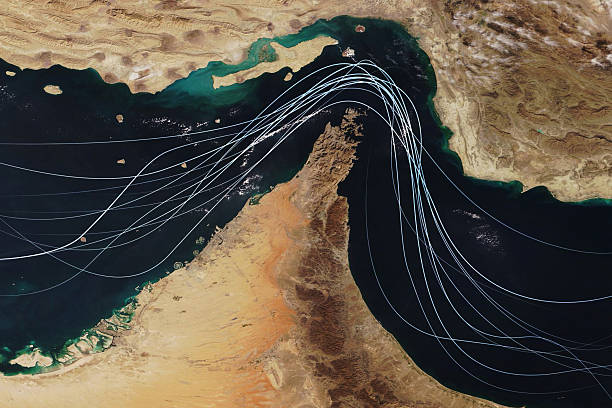
The Strait of Hormuz Crisis: Inflationary Pressures and the 2026 Energy Pivot

0

The global economy of April 14, 2026, is currently gripped by a supply-side shock that parallels the most severe energy crises of the 20th century. The catalyst is the ongoing blockade and near-total shutdown of the Strait of Hormuz, the world’s most vital maritime artery for energy transit. With approximately 20% of global oil and liquefied natural gas (LNG) supplies transit through this narrow waterway, the effectively closed chokepoint has sent Brent Crude surging past $120 per barrel. This is no longer a theoretical risk; it is a systemic reality that has triggered a “grocery supply emergency” and an inflationary spiral that is forcing every major economy to reconsider the foundations of its energy security.

The Anatomy of an Inflationary Shock: From Fuel to Fertilizers

The most immediate and visible casualty of the Hormuz crisis is the cost of refined petroleum products. In Nigeria, a country at a critical economic transition point, petrol prices have surged by over 50% to 1,330 Naira per litre, while diesel has climbed to 1,550 Naira. This “fuel shock” is the primary engine of a renewed inflationary pressure that threatens to derail years of fiscal reform. Because Sub-Saharan Africa and parts of Asia rely heavily on refined products from Gulf refineries, the sudden lack of immediate availability has created a deficit that cannot be easily bridged by domestic production or alternative imports.

However, the crisis extends far beyond the gas station. Roughly one-quarter to one-third of globally traded nitrogen fertilizers move through the Strait. The disruption has triggered a “fertilizer-led inflation shock,” sharply narrowing alternative sources for essential nutrients like ammonia and urea. As agricultural producers in India, Brazil, and Southeast Asia face immediate shortages and price spikes, the global food supply chain is braced for a lag-effect spike in prices for cereals and oilseeds. This convergence of energy and food costs is creating a stagflationary environment that poses a direct risk to global social stability.

Supply Chain Fragmentation and the Death of “Just-in-Time”

The Strait of Hormuz crisis has finalized the death of the “Just-in-Time” supply chain model that dominated the early 21st century. Manufacturers in the United Kingdom and the European Union are already imposing surcharges of up to 30% to offset the surging electricity and feedstock costs. In sectors like automotive manufacturing—where components must adhere to stringent specifications—it can take as long as 18 months to find new suppliers. The blockade has forced a transition toward “Just-in-Case” logistics, where companies are prioritizing inventory resilience over cost-efficiency.

For [High-End Logistics] and [E-commerce Security] firms, the challenge has shifted from speed to sovereignty. Global computer chip manufacturers and medical imaging firms are facing shortages of essential gases like helium, which are critical for heat management during production. This has led to a “reshoring” movement, where industries are prioritizing proximity to energy sources and stable trade routes over low-cost labor markets.

The 2026 Energy Pivot: From Moral Positioning to Industrial Survival

If there is a silver lining to the current crisis, it is that 2026 has become the year of “Energy Execution.” The pivot away from fossil fuel dependency is no longer a niche climate project or a moral stance; it is now a matter of industrial and national survival. Governments have moved away from headline-grabbing net-zero declarations toward high-stakes execution tests focused on resilience and competition.

For the first time since 2010, European electricity demand is structurally on the rise, driven by the massive power requirements of AI data centers and the urgent electrification of the industrial core. This has accelerated the deployment of:

  • Sovereign Grids: A trillion-euro infrastructure imperative to connect decentralized, renewable-heavy systems.

  • Hydrogen Corridors: Unlocking dedicated transport routes to convert existing natural gas pipelines.

  • Domestic Manufacturing: A race to build “Gigafactories” for batteries and solar panels to shield economies from recurrent external shocks.

Conclusion: Prosperity in a Volatile World

The Strait of Hormuz crisis of 2026 marks the end of an era of cheap, reliable, and globalized energy. As we watch nations navigate the fallout of 1,330 Naira/L fuel and systemic supply chain collapses, the blueprint for the next decade is being written. Success in this new era belongs to the “Resilient”—those who can decouple their growth from volatile global chokepoints and secure their own energy backbones.

For the modern enterprise, the lesson is clear: energy security is now the primary lever of economic policy. The projects that move fastest in 2026 will be those that combine cleaner, domestically produced energy with a compelling local story of air quality and bill stability. In a hotter, more volatile world, the energy pivot is the only path to lasting prosperity

The Luxury Watch Paradox: Why Rolex’s 100-Year Anniversary Teaches Us About “Digital Scarcity”

0

As the global economy traverses the second quarter of 2026, the luxury sector is witnessing a collision between heritage craftsmanship and the frontier of digital economics. The catalyst for this conversation is the centennial celebration of the Rolex Oyster, a milestone that has seen the Geneva-based giant tease its most significant release in a generation. While the horological world waits with bated breath for a physical masterpiece, the broader business community is focused on a more complex phenomenon: the “Luxury Watch Paradox.” In an era defined by the infinite reproducibility of digital assets through generative AI, Rolex is providing the definitive blueprint for creating “Digital Scarcity”—a strategy that ensures value is maintained even when the product’s likeness can be replicated a billion times over.

The Erosion of Rarity in the Age of Generative AI

The central challenge of the 2026 digital landscape is the collapse of traditional rarity. With the maturation of high-fidelity AI modeling, the visual and conceptual “soul” of a product is no longer exclusive. Anyone with a mid-range neural processor can generate a photorealistic rendering of a luxury timepiece that is indistinguishable from the original to the naked eye. This democratization of imagery has threatened to commoditize luxury, as the “look” of a brand no longer commands the premium it once did. Rolex, however, has countered this by shifting the definition of value from the image of the object to the provenance of its existence.

This shift has created a massive demand for [E-commerce Security] and authentication frameworks. For the international market, the lesson is that in a world of infinite copies, the only thing that retains value is the “un-copyable” record of ownership. Rolex’s anniversary strategy emphasizes that a luxury item is no longer just a physical asset; it is a node in a verified network of historical and digital data that confirms its origin and journey.

Blockchain as the Digital “Hallmark” for 2026

To maintain this digital rarity, the luxury industry has moved toward the implementation of [Blockchain Verification Tools] as a standard operating procedure. While the initial “NFT hype” of the early 20s has faded, the underlying technology has matured into a silent, robust infrastructure for high-end commerce. Rolex’s 100-year milestone highlights a future where every physical timepiece is paired with a digital twin—a secure, decentralized ledger entry that serves as a permanent birth certificate.

This digital twin does not merely prove that a watch is real; it protects the brand’s “Digital Scarcity” by ensuring that only one true digital record can exist for one physical object. This prevents the market from being flooded with “authenticated” fakes and creates a secondary market that is as secure as the primary one. For global strategists, this represents a pivot from “visual branding” to “cryptographic branding.” The value of the 100th-anniversary release lies as much in the unbreakable digital chain attached to it as it does in the precious metals used in its construction.

The Logistics of Tangible Exclusivity

The paradox of digital scarcity is that it relies heavily on the physical world’s limitations. To make a digital record truly valuable, the physical delivery of the asset must be flawless and highly controlled. This has led to a renaissance in [High-End Logistics], where the movement of a luxury asset is tracked with the same intensity as the asset’s creation. In 2026, the “unboxing” experience has been replaced by the “verification” experience.

High-end logistics providers are now integrating biometric hand-offs and real-time environmental monitoring to ensure that the physical scarcity of a Rolex is never compromised by a breach in the supply chain. This physical-to-digital handshake is the final pillar of the Rolex Paradox. By ensuring that the journey from Geneva to the client’s wrist is documented and secured, the brand reinforces the idea that true luxury is a combination of artisanal skill and logistical perfection. The scarcity is not just in the watch, but in the verified, safe, and exclusive path it took to reach the consumer.

Conclusion: The Future of Value in a Borderless World

As Rolex celebrates a century of the Oyster, the brand is doing more than looking back at its history; it is dictating the future of how we define value. The “Luxury Watch Paradox” teaches us that “Digital Scarcity” is the only defense against the inflationary pressure of AI-driven content. By anchoring digital records in blockchain technology and securing physical movement through advanced logistics, a brand can maintain its “Rarity” in a world that is increasingly common.

For the modern enterprise, the directive is clear. To survive 2026 and beyond, a brand must create its own “Digital Hallmark.” Success will be measured not by how many people see your product, but by how many people can prove they own the original. In the end, the most valuable thing an icon can offer is the one thing AI cannot generate: an authentic, verifiable history.

The “Multiversal” Brand: Why Super Mario Galaxy is the Blueprint for IP Expansion in 2026

0

The global entertainment landscape of 2026 has been fundamentally reshaped by a single cosmic event in the digital sector. As of April 14, 2026, The Super Mario Galaxy Movie has not only dominated the global box office with receipts exceeding $700 million, but it has also established a new operational standard for intellectual property management. While the broader cinematic industry has spent the last two years grappling with the fragmentation of audience attention and the diminishing returns of traditional sequels, Nintendo has executed a strategy that transcends simple filmmaking. This “Galaxy” model represents a pivot from traditional franchise building to a sophisticated form of “Multiversal Branding,” where a single brand identity remains the central sun around which diverse mediums—hardware, software, cinema, and physical retail—orbit in perfect synchronization.

The Technical Foundation of the Single-Truth Framework

The primary driver behind this success is the implementation of a “Single-Truth” framework, a concept that has become the holy grail for modern game development studios. In previous decades, a character’s transition from a low-resolution console to a high-fidelity cinematic screen often resulted in a “uncanny valley” of branding, where the personality and physics of the icon felt diluted or inconsistent. However, in 2026, Nintendo has leveraged its proprietary engine technology to ensure that the Mario experienced on the newly launched Switch 2 is aesthetically and behaviorally identical to the one seen on IMAX screens.

This technical synergy allows for a seamless “asset-flow” between departments, ensuring that the development costs of high-quality digital assets are amortized across multiple revenue streams. As animation software suites continue to integrate real-time rendering features, the line between “playing” a world and “watching” a world has effectively vanished. This creates a unified consumer experience that reinforces brand loyalty at every touchpoint, as the user no longer feels they are consuming a “spin-off,” but rather a different window into the same concrete reality.

Narrative Scalability and the Hub-and-Spoke Ecosystem

Beyond the technical execution lies a profound shift in narrative scalability. The Super Mario Galaxy Movie functions as a strategic “hub,” utilizing its 98-minute runtime to connect disparate corners of a forty-year-old universe into a cohesive, modern mythology. By introducing complex characters like Rosalina or the Lumas within a cinematic context, the brand effectively “pre-heats” the market for upcoming software titles and specialized hardware bundles. This is a radical departure from the “tie-in” games of the past; instead, the movie acts as a high-production-value invitation into a broader ecosystem.

From a business perspective, this creates an “IP Momentum” where the success of the film directly drives the adoption of the Switch 2, which in turn fuels the demand for theme park expansions and localized retail events. This interconnectedness ensures that the parent company is no longer selling a product, but rather a sovereign digital universe that can expand indefinitely without losing its core identity. This narrative gravity is what allows the brand to survive the rapid shifts in consumer hardware, as the “world” itself becomes more important than the device used to access it.

The Logistics of Content-to-Commerce Integration

The logistical precision of the 2026 rollout also provides a vital case study for global merchandising platforms and e-commerce giants. The April 1st global alignment was not merely a marketing coincidence but a carefully calibrated “Content-to-Commerce” loop. By synchronizing the film’s premiere with the peak of the spring retail season and the launch of key “bridge” software titles, the brand captured the maximum possible “hype” window. This strategy leverages the psychological principle of “immersive consumption,” where the consumer’s desire for the brand is satisfied through multiple, non-competing channels simultaneously.

Whether through a high-end apparel collaboration or a limited-edition console, the brand occupies the user’s physical and digital space in a way that traditional, single-medium franchises simply cannot match. This model significantly reduces customer acquisition costs because the movie serves as a mass-market advertisement that pays for itself through ticket sales, effectively subsidizing the marketing for the entire product ecosystem.

Sovereignty as the Ultimate Competitive Advantage

Ultimately, the success of Super Mario Galaxy in 2026 serves as a definitive signal to the global market that “Sovereign IP” is the ultimate currency. In an age characterized by digital abundance and AI-generated noise, a brand that can maintain total consistency across multiple worlds becomes a rare and valuable anchor for consumers. The blueprint for the next decade of digital growth is no longer about finding the next “hit” product, but about building a self-sustaining universe that owns its own infrastructure and controls its own narrative expansion.

For the modern strategist, the message is clear: the most successful brands of the future will not be those that follow the audience, but those that build a galaxy so compelling that the audience has no choice but to inhabit it. By treating entertainment as a gateway to a broader technological ecosystem, Nintendo has proven that the best way to predict the future of a brand is to build the universe in which it lives.

The “Michael” Strategy: What Jaafar Jackson’s Portrayal of MJ Teaches Us About Legacy in 2026

0

The release of the Michael biopic this April 2026 has done more than just dominate the global box office; it has reignited an essential debate regarding the longevity of celebrity brands in the digital age. As Jaafar Jackson delivers a performance that critics are calling the most accurate portrayal of an icon in cinematic history, the business world is looking closely at the “Michael” strategy—a blueprint for building a brand that remains a multi-billion dollar asset decades after its inception.

The Shift from Influence to Infrastructure

In the current 2026 landscape, “influencer marketing” has reached a saturation point. The market is pivoting back to the fundamentals of Legacy Branding. Michael Jackson’s career was the ultimate case study in moving beyond mere popularity and into the realm of ownership.

The biopic highlights a pivotal moment in the 1980s that remains the most important lesson for today’s entrepreneurs: the acquisition of the ATV music catalog. Jackson understood that to be truly powerful, one must own the infrastructure of their industry, not just the output.

The Placeholder Hook: Modern [Digital Branding Agencies] are currently advising their high-net-worth clients to prioritize the acquisition of [Proprietary IP] over temporary social media visibility to ensure long-term stability.

Protecting Assets in an AI-Driven Economy

As we navigate the complexities of 2026, where generative AI can replicate a voice, a face, or a writing style with terrifying precision, the concept of “The Immortal Brand” has never been more relevant. The Jackson estate has managed to maintain the integrity of Michael’s image through strict legal frameworks and strategic licensing.

For creators and business owners today, the lesson is one of Defensive Strategy. Building a legacy requires a dual-track approach:

  1. Unique Creative Output: Developing a “style” that is so distinct it becomes its own trademark.

  2. Sovereign Hosting of Assets: Ensuring that all digital assets, from (Music Production Software) files to raw (Video Editing) masterclasses, are stored on independent, high-security infrastructure rather than centralized social platforms.

The Value of the “Eternal” Narrative

Why does a movie about an artist from the 1970s and 80s rank as the most anticipated event of 2026? Because the narrative was built to be “Eternal.” The “Michael” strategy involves creating a brand story that transcends specific eras. Jackson’s team utilized every emerging technology from the birth of MTV to the dawn of digital high-definition to keep the brand at the cutting edge.

Today’s companies are following suit. Whether it’s through immersive VR experiences or AI-curated archives, the goal is the same: stay relevant by being the highest quality version of yourself.

Conclusion: The Future of Legacy

As Jaafar Jackson moonwalks across our screens, he isn’t just portraying a man; he is portraying a meticulously managed global empire. The “Michael” strategy reminds us that while trends are temporary, ownership of intellectual property is the only way to ensure that a brand survives the shifts of technology and time.

For the modern strategist, the path forward is clear. Stop building on rented land. Focus on ownership, protect your IP, and build for the next fifty years, not the next fifty minutes.

The State of SaaS in 2026 (Trends, Growth & Insights)

0

Introduction: A Defining Moment for SaaS

The Software as a Service (SaaS) industry in 2026 stands at a pivotal stage in its evolution. What once emerged as a disruptive alternative to traditional software has now become the standard model for delivering digital solutions. Businesses across the globe—from startups to multinational corporations—are increasingly dependent on SaaS platforms to power their operations, streamline workflows, and drive growth. This widespread adoption reflects not only the convenience of cloud-based tools but also a deeper transformation in how organizations approach technology.

Market Growth: Expansion with Discipline

The SaaS market continues to expand at a steady pace, reflecting strong global demand. However, the nature of this growth has changed significantly. In previous years, companies focused heavily on rapid expansion, often prioritizing user acquisition over profitability. In 2026, the narrative has shifted.

SaaS companies are now emphasizing efficiency, sustainability, and long-term value. Profitability has become a central goal, with many organizations optimizing their operations to achieve positive cash flow. This transition signals a more mature and stable industry, where success is measured not just by growth rates, but by the ability to maintain consistent and scalable business models.

The Rise of AI-Native SaaS

Artificial intelligence has become the most influential force shaping SaaS in 2026. Rather than being an optional feature, AI is now embedded at the core of many platforms, fundamentally changing how software delivers value.

Tools like ChatGPT demonstrate how AI can enhance productivity, automate tasks, and create more personalized user experiences. This shift has led to the emergence of AI-native SaaS products—platforms designed from the ground up with intelligence as a foundational element.

As a result, traditional SaaS providers are facing increased pressure to integrate AI capabilities or risk losing relevance. The competition is no longer just about features, but about intelligence and efficiency.

Vertical SaaS: The Power of Specialization

One of the most significant trends in 2026 is the rise of vertical SaaS—software solutions tailored to specific industries. Businesses are moving away from generic tools and seeking platforms that address their unique operational needs.

Industries such as finance, healthcare, and real estate are seeing rapid adoption of specialized SaaS solutions. These platforms offer deeper functionality, better compliance, and more relevant features, making them more valuable than broad, one-size-fits-all alternatives.

This shift toward specialization is fragmenting the market, creating opportunities for niche players to thrive while challenging the dominance of large, generalized platforms.

Evolving Pricing Models: From Access to Outcomes

Pricing in the SaaS industry is undergoing a transformation. The traditional subscription model, often based on per-user pricing, is gradually being replaced by more flexible approaches.

In 2026, many companies are adopting usage-based and outcome-driven pricing models. Customers are increasingly paying for the value they receive—whether that is the number of transactions processed, tasks completed, or results achieved.

This change reflects a broader shift in customer expectations. Businesses no longer want to pay for access alone; they want measurable outcomes that justify their investment.

Changing Customer Expectations

Modern businesses are using more SaaS tools than ever before, integrating multiple platforms into their daily operations. While this has increased efficiency, it has also introduced complexity.

As a result, customer expectations have evolved. Businesses now demand software that is fast, intuitive, and seamlessly integrated with other tools. They expect a smooth user experience and minimal friction in their workflows.

This has led to a growing trend of tool consolidation, where companies reduce the number of platforms they use in favor of more comprehensive solutions. SaaS providers that fail to meet these expectations risk being replaced by more agile competitors.

Competition and Market Pressure

The SaaS landscape in 2026 is more competitive than ever. As the market matures, companies are facing increased pressure to differentiate themselves and maintain growth.

Rising customer acquisition costs and the emergence of AI-driven competitors have intensified the challenge. At the same time, investors are becoming more selective, favoring companies with strong fundamentals and clear paths to profitability.

This environment has also led to increased consolidation, with larger companies acquiring smaller startups to expand their capabilities and stay competitive. The result is a dynamic and rapidly evolving market where innovation is essential for survival.

The Shift Toward Integrated Ecosystems

Another defining trend in 2026 is the move toward integrated SaaS ecosystems. Businesses are increasingly looking for platforms that can handle multiple functions within a single environment.

Solutions like HubSpot exemplify this approach by combining marketing, sales, and customer service tools into one unified system. This reduces complexity, improves efficiency, and allows businesses to operate more seamlessly.

The shift toward ecosystems reflects a broader desire for simplicity in an increasingly complex digital landscape.

Global Expansion: New Markets, New Opportunities

While North America remains a major hub for SaaS, other regions are experiencing rapid growth. Emerging markets are becoming key drivers of adoption, fueled by digital transformation and increased access to cloud technologies.

This global expansion is creating new opportunities for SaaS companies to reach untapped audiences. However, it also requires a deeper understanding of local markets, including regulatory environments, payment systems, and customer behavior.

Companies that successfully adapt to these regional differences are well-positioned to capture significant market share.

Conclusion: The Future of SaaS

The state of SaaS in 2026 is defined by evolution, innovation, and increasing complexity. The industry has moved beyond its early growth phase and is now entering a period of refinement and specialization.

Artificial intelligence, vertical solutions, and new pricing models are reshaping how software is developed and consumed. At the same time, rising customer expectations and intensifying competition are pushing companies to deliver greater value.

For entrepreneurs and business leaders, this presents both challenges and opportunities. The tools available today are more powerful than ever, enabling businesses to scale faster and operate more efficiently. However, success requires a strategic approach to selecting and using these tools.

Ultimately, SaaS is no longer just about software—it is about building systems that drive growth, efficiency, and long-term success. As the industry continues to evolve, its impact on the global business landscape will only become more profound.

100 Best SaaS Tools for Businesses in 2026 (Ultimate Guide)

0

The New Business Advantage

In 2026, businesses are no longer built on manpower alone they are built on systems. The rise of Software as a Service (SaaS) has completely transformed how companies operate, scale, and compete. What once required entire departments can now be handled by a handful of powerful tools working together.

From startups to global enterprises, the difference between slow growth and rapid scaling often comes down to one thing: the tools behind the business.

This guide is not just another list. It is a curated ecosystem of the 100 best SaaS tools across every critical business function designed to help you build, grow, and dominate in today’s digital economy.

Website & E-commerce Platforms: Your Digital Foundation

Every business begins with presence. Without a website or online storefront, growth is limited from the start.

Platforms like WordPress continue to power a significant portion of the internet, offering flexibility and full control. For entrepreneurs who want simplicity, Wix provides an intuitive way to build professional websites quickly.

On the e-commerce side, Shopify remains a dominant force, enabling businesses to launch and scale online stores with ease. Meanwhile, WooCommerce offers a customizable alternative for those who prefer an open-source approach.

More advanced users often turn to Webflow for design precision and performance.

These platforms are not just tools—they are the digital infrastructure of modern businesses.

Payments & Billing: Turning Value Into Revenue

At the core of every business is the ability to get paid efficiently.

Global solutions like Stripe have simplified online transactions, while PayPal remains a trusted option worldwide.

Subscription-based businesses rely heavily on platforms like Paddle to handle recurring billing, compliance, and international payments.

For cross-border transactions, Payoneer provides a reliable way to receive and manage global funds.

A seamless payment system ensures that no opportunity is lost at the final step.

Marketing & Growth: Capturing Attention at Scale

In a crowded digital landscape, visibility is everything.

Search engines such as Google remain the primary traffic source for most businesses. To compete, tools like SEMrush and Ahrefs help entrepreneurs uncover high-value keywords and optimize their content.

Email marketing platforms such as Mailchimp and ConvertKit allow businesses to nurture leads and build long-term relationships.

Content creation has also evolved with AI tools like ChatGPT, enabling faster and more scalable marketing strategies.

Social platforms like LinkedIn and TikTok continue to drive brand awareness and engagement globally.

Sales & CRM: Turning Leads Into Customers

Generating leads is only half the battle—converting them is where real growth happens.

Customer relationship management platforms like HubSpot provide businesses with tools to track leads, automate follow-ups, and manage customer interactions.

Sales-focused platforms such as Salesforce offer enterprise-level capabilities, helping organizations manage complex sales pipelines.

These tools ensure that no opportunity slips through the cracks.

Productivity & Collaboration: Building Efficient Teams

Modern businesses are increasingly remote and distributed. Productivity tools are essential for keeping teams aligned and efficient.

Platforms like Notion provide an all-in-one workspace for documentation and planning, while Trello and Asana help teams manage tasks and projects effectively.

Communication tools such as Slack and Zoom make collaboration seamless, regardless of location.

Efficiency is no longer optional—it is a competitive advantage.

Automation & Integration: Scaling Without Limits

As businesses grow, manual processes become inefficient. Automation tools are the key to scaling operations.

Platforms like Zapier and Make allow businesses to connect apps and automate workflows.

These tools reduce repetitive tasks, improve accuracy, and free up time for strategic decision-making.

Finance & Accounting: Managing Money the Right Way

Financial clarity is essential for sustainable growth.

Tools like QuickBooks and Xero help businesses manage bookkeeping, invoicing, and financial reporting.

For smaller businesses and freelancers, FreshBooks offers a simplified approach to financial management.

Strong financial systems ensure that growth is not just fast—but sustainable.

Design & Content Creation: Standing Out in a Crowded Market

In today’s digital world, design and content are critical for capturing attention.

Platforms like Canva make it easy to create professional visuals, while Adobe tools provide advanced capabilities for high-quality design and video production.

Content is no longer optional—it is one of the most powerful growth drivers available.

The Full List: 100 SaaS Tools That Power Modern Businesses

Beyond the categories explored above, the modern SaaS ecosystem includes tools across analytics, customer support, HR, cybersecurity, and more. From website builders and payment processors to marketing automation and team collaboration platforms, each tool plays a role in building a complete business system.

What matters is not using all 100 tools—but choosing the right combination that aligns with your goals.

Final Thoughts: Build Your Stack, Build Your Future

The rise of SaaS has leveled the playing field. Today, a solo entrepreneur has access to the same tools as large corporations.

But access alone is not enough.

The businesses that succeed are the ones that choose wisely, integrate effectively, and execute consistently. Your tech stack is not just a collection of tools—it is the engine that drives your business forward.

In 2026, the question is no longer whether you should use SaaS tools. It is which ones will give you the greatest advantage.

Because in a world driven by technology, the right tools do not just support your business…

They define it.

Top 75 Digital Tools Every Entrepreneur Needs to Succeed (2026 Edition)

0

The Modern Entrepreneur’s Secret Weapon

Behind every fast-growing business today is not just a great idea—it is a powerful stack of digital tools working quietly in the background. From building websites and managing customers to automating workflows and scaling marketing, the modern entrepreneur is no longer working alone.

In 2026, success is no longer about doing everything manually. It is about leveraging the right tools to move faster, operate smarter, and compete globally. The entrepreneurs who win are not necessarily the most experienced—they are the ones who understand how to use technology as leverage.

This guide brings together the most essential digital tools powering businesses today. Whether you are just starting out or scaling toward six or seven figures, these are the platforms shaping the future of entrepreneurship.

Building Your Online Presence: Where It All Begins

Every business starts with visibility. Without a strong online presence, even the best ideas struggle to gain traction.

Platforms like WordPress have become the backbone of the internet, giving entrepreneurs full control over their websites and content. Combined with tools like Elementor, building a professional website has never been easier—even without coding knowledge.

For those who prefer simplicity, Wix offers an intuitive drag-and-drop experience, while Webflow provides a more advanced design-focused approach.

When it comes to selling products online, Shopify remains a global leader, while WooCommerce offers unmatched flexibility for entrepreneurs who want full ownership of their stores.

These tools form the digital foundation—your storefront, your brand, and your first impression.

Payments & Monetization: Turning Traffic Into Revenue

At the heart of every online business is one simple goal: getting paid.

Global platforms like Stripe have made it easier than ever to accept payments worldwide, while PayPal continues to be a trusted option for millions of users.

For businesses operating across different regions, solutions like Payoneer enable seamless cross-border transactions, making it easier to work with international clients.

Subscription-based businesses are powered by tools like Paddle, which handles billing, compliance, and global payments in one place.

Without reliable payment systems, growth stalls. With the right ones, scaling becomes inevitable.

Marketing & Growth: Getting Seen in a Noisy World

Having a website is not enough—you need attention.

Search engines like Google remain the largest source of traffic for most businesses, which is why SEO tools like SEMrush and Ahrefs have become essential for entrepreneurs looking to rank higher and attract consistent visitors.

Email marketing platforms such as Mailchimp and ConvertKit allow businesses to build relationships, nurture leads, and drive repeat sales.

Social media platforms like Instagram, TikTok, and LinkedIn are no longer optional—they are key drivers of visibility and brand growth.

And increasingly, entrepreneurs are turning to AI tools like ChatGPT to generate content, automate communication, and scale marketing efforts faster than ever before.

Productivity & Collaboration: Working Smarter, Not Harder

Time is the most valuable resource for any entrepreneur. Managing it effectively is what separates growth from burnout.

Project management tools like Trello and Asana help teams stay organized and aligned, while Notion has emerged as an all-in-one workspace for notes, planning, and collaboration.

Communication platforms such as Slack streamline internal conversations, while video conferencing tools like Zoom make remote work seamless.

These tools are not just about efficiency—they enable entrepreneurs to build and manage teams from anywhere in the world.

Automation: Scaling Without Limits

As businesses grow, manual processes become bottlenecks. Automation is what unlocks true scalability.

Platforms like Zapier and Make allow entrepreneurs to connect different tools and automate repetitive tasks—saving time and reducing errors.

Customer relationship management systems such as HubSpot help businesses manage leads, track interactions, and improve customer experiences.

Automation transforms businesses from reactive to proactive, allowing entrepreneurs to focus on strategy rather than routine work.

Finance & Operations: Keeping the Business Healthy

Behind every successful business is strong financial management.

Tools like QuickBooks and Xero simplify bookkeeping, invoicing, and financial tracking.

For freelancers and service-based businesses, platforms like FreshBooks provide an easy way to manage invoices and payments.

These tools ensure that entrepreneurs not only make money—but also manage it effectively.

Design & Content Creation: Building a Brand That Stands Out

In a crowded market, design is what captures attention.

Tools like Canva have democratized design, allowing anyone to create professional graphics, while Adobe products continue to set the standard for advanced creative work.

Video content, driven by platforms like YouTube and TikTok, has become one of the most powerful marketing channels. Entrepreneurs who invest in content creation tools position themselves ahead of the curve.

The Full Stack: Why These Tools Matter

Individually, each of these tools solves a specific problem. But together, they form a powerful ecosystem that supports every stage of business growth.

From building your website and attracting customers to managing operations and scaling efficiently, your tech stack becomes your competitive advantage.

The most successful entrepreneurs are not using just one or two tools—they are strategically combining multiple platforms to create seamless systems.

Final Thoughts: Your Tools Define Your Growth

In 2026, the playing field is more level than ever. Anyone can start a business. Anyone can build a brand. Anyone can reach a global audience.

But not everyone succeeds.

The difference lies in execution—and execution is powered by tools.

Choosing the right digital tools is not just about convenience. It is about positioning yourself for growth, efficiency, and long-term success. It is about building a business that does not just survive, but thrives.

Because in today’s world, your tools are not just part of your business…

They are your business.