Home Blog Page 55

Cassper Nyovest: The Dreamer Who Built His Own Throne

0

In the story of modern African music, few names carry the weight, ambition, and influence of Cassper Nyovest. Born Refiloe Maele Phoolo, his journey is not simply one of fame—it is a story of vision, rebellion, risk, and relentless belief in oneself. Where many artists followed the industry, Cassper set out to reshape it.

He was born on 16 December 1990 in Mahikeng, a quiet town in South Africa’s North West province. Growing up in a relatively stable household compared to many artists, Cassper’s childhood was not defined by extreme poverty, but rather by expectation. His parents valued education and discipline, hoping he would follow a conventional path. But from an early age, it was clear that Cassper was not wired for ordinary living.

Music became his obsession. Influenced by American hip-hop and local sounds, he began rapping as a teenager, developing both his style and confidence. However, this passion came at a cost. His focus on music began to clash with his academic responsibilities, and eventually, he made a decision that would shock many—he dropped out of school to pursue music full-time.

It was a bold move, and not one that was immediately rewarded. In fact, it led to tension at home. His parents, concerned about his future, struggled to support such a risky decision. But Cassper had already made up his mind. He was not just chasing a career—he was chasing a dream that he could already see clearly in his mind.

In his early career, he became part of a hip-hop group before eventually stepping out on his own. Like many independent artists, the road was filled with rejection, financial struggle, and uncertainty. The South African hip-hop industry at the time was still developing, and breaking through required more than talent—it required strategy, resilience, and an almost stubborn belief in success.

Cassper’s breakthrough came with the release of his debut album Tsholofelo in 2014. The title itself, meaning “hope,” reflected his journey up to that point. It was not just an album—it was a declaration. Songs from the project resonated deeply with young South Africans who saw their own ambitions and frustrations reflected in his music.

But what truly separated Cassper from others was not just his sound—it was his mindset. He was not content with being just another successful artist. He wanted ownership, control, and scale. He understood something many artists overlook: that music is not only art, but also business.

This mindset led to one of the most defining moments in his career. In 2015, he made a move that many considered impossible—he filled the Ticketpro Dome in Johannesburg for his “Fill Up The Dome” concert. It was unprecedented for a local hip-hop artist. The risk was enormous, and failure would have been public and brutal. But Cassper believed in his vision, invested in himself, and proved the industry wrong.

That moment changed everything. It wasn’t just about a concert—it was about shifting perception. South African artists could headline massive shows. They could think big. They could compete on a global level without leaving their identity behind.

He didn’t stop there. Cassper turned “Fill Up” into a movement, going on to fill stadiums across the country, including Orlando Stadium and Royal Bafokeng Stadium. Each event wasn’t just a performance—it was a statement of growth, power, and possibility.

As his music career expanded, so did his influence. He released multiple successful albums, each reflecting a different phase of his journey. Tracks like “Doc Shebeleza,” “Gusheshe,” and “Mama I Made It” became anthems, capturing the spirit of ambition and celebration.

But Cassper was never just about music. He understood branding and entrepreneurship at a deeper level. He launched his own record label, Family Tree Records, giving him independence and control over his career. He entered the business world with ventures like his sneaker line in collaboration with Drip Footwear, and later expanded into alcohol with Billiato, a luxury beverage brand that positioned him not just as an artist, but as a businessman.

His ability to diversify made him one of the most financially successful artists in South Africa. But success also brought challenges. Public feuds, criticism, and the pressures of fame became part of his reality. Unlike many, Cassper faced these moments publicly, often using them as fuel rather than setbacks.

One of the most interesting aspects of his journey is his openness to evolution. Over time, he explored different sounds, including Amapiano, showing a willingness to adapt without losing his core identity. This ability to evolve kept him relevant in an industry that constantly changes.

Beyond the spotlight, Cassper’s personal life added another dimension to his story. Becoming a father marked a shift in his perspective, bringing a sense of maturity and reflection. He began to speak more about legacy, responsibility, and purpose beyond fame.

Spiritually and mentally, he has also shared moments of growth, including his journey with faith and self-discovery. These elements added depth to his public image, showing that behind the success is a man still navigating life, purpose, and identity.

Today, Cassper Nyovest stands as more than just a musician. He is a symbol of what is possible when talent meets vision and courage. He represents a generation that refuses to wait for permission—a generation that builds its own platforms, creates its own opportunities, and defines success on its own terms.

His story is not one of overnight success, but of calculated risk, relentless work, and unshakable belief. From a young boy in Mahikeng with a dream, to a man who filled stadiums and built businesses, Cassper didn’t just follow a path—he created one.

And in doing so, he left behind something far more valuable than hit songs: he left a blueprint.

Big Zulu: A Life Forged in Struggle, Culture, and Unbreakable Identity

0

In the evolving story of African hip-hop, where trends shift quickly and identities are often reshaped to fit global expectations, one figure has remained firmly grounded in who he is—Big Zulu. Born Siyabonga Nene, his life is not just a tale of musical success, but a deeply human story of hardship, resilience, and cultural pride. His journey carries the weight of rural struggle, the noise of taxi ranks, and the triumph of a man who refused to abandon his roots in pursuit of fame.

Big Zulu was born on 7 April 1986 in the quiet, rural landscapes of Bergville, located in the province of KwaZulu-Natal. Life in this part of South Africa was simple, but far from easy. Poverty was not an abstract concept—it was a daily reality. As a child, he grew up without many of the things others take for granted. He has often shared stories of going without basic necessities, including proper shoes, and navigating a world where survival required both mental and physical strength. Yet within these hardships, something powerful was forming: a deep connection to Zulu traditions, storytelling, and identity.

His early environment shaped not only who he was, but how he would one day sound. Traditional forms of music like Maskandi and Isichathamiya were not just entertainment—they were part of the cultural fabric of his upbringing. These sounds, combined with the oral storytelling traditions of his people, would later echo in his music, giving it a richness and authenticity that set him apart from many of his peers.

As he grew older, life demanded responsibility more than dreams. Before the world knew his name, Big Zulu lived the life of an ordinary working man. He became a taxi driver, operating in South Africa’s bustling and often chaotic transport system. The taxi industry is not for the faint-hearted—it is long hours, constant pressure, and relentless hustle. It was in this environment that he learned discipline, patience, and the realities of survival in urban South Africa. Every day was a grind, but somewhere beneath that routine, the desire to do something more—to become something more—refused to die.

Around the late 2000s, he made a decision that would change his life forever. He walked away from the relative stability of taxi driving to pursue music full-time. It was not a glamorous leap. There were no guarantees of success, no financial safety nets, and no powerful industry connections waiting to receive him. What he had instead was belief—an unshakable conviction that his voice, his story, and his culture mattered.

The early years of his music career were marked by struggle. He performed wherever he could, wrote tirelessly, and fought for recognition in an industry that often overlooked artists who didn’t fit a certain mold. But Big Zulu was never interested in blending in. He leaned into who he was—his language, his culture, his identity—and slowly, people began to notice.

A turning point came when he gained recognition through competitions and grassroots exposure, eventually leading to wider industry attention. His breakthrough moment arrived with the release of “Donsa Nkabi,” a track that introduced his commanding voice and unapologetic Zulu identity to a broader audience. It wasn’t just a song—it was a statement. Big Zulu had arrived, and he was not going to conform.

From that moment, his rise was steady but powerful. He released projects that reflected not only his growth as an artist but also his journey as a person. Albums like Ushun Wenkabi and Ungqongqoshe Wongqongqoshe began to establish his name, but it was Ichwane Lenyoka that truly cemented his place in South African music history. The title itself—meaning “the child of a snake”—is deeply symbolic. In Zulu belief, a snake’s offspring is born alone and must survive without guidance. It was a metaphor for his life: a man who had to find his own way, without handouts, in a world that offered little support.

The success of songs like “Mali Eningi” pushed him into mainstream stardom. The track resonated far beyond hip-hop audiences, becoming a cultural moment that unified listeners across languages and backgrounds. It spoke to ambition, struggle, and the universal desire for a better life. Suddenly, Big Zulu was no longer just a rising artist—he was a national voice.

Yet even as fame grew, he remained deeply connected to his roots. Unlike many artists who adopt globalized images, Big Zulu embraced traditional Zulu attire and symbolism. He presented himself not as someone who had escaped his culture, but as someone who carried it proudly into every space he entered. This authenticity became one of his greatest strengths. Fans didn’t just listen to his music—they believed in him.

As his influence expanded, he took on a new role—not just as an artist, but as a builder of opportunities. He founded Inkabi Records, creating a platform for emerging artists to share their voices. Through this label, he began shaping the next generation, proving that his vision extended beyond personal success. He was building a legacy.

Outside of music, Big Zulu stepped into television and acting, appearing in popular South African productions. These ventures showcased another dimension of his talent, but more importantly, they reinforced his presence as a cultural figure, not just a musician. He became someone people could look to—not only for entertainment, but for inspiration.

Despite all the success, wealth, and recognition, what stands out most about Big Zulu is his grounded nature. He has never detached himself from where he comes from. He continues to speak openly about his journey, his struggles, and the lessons he has learned along the way. His story is not polished to perfection—it is raw, honest, and real.

His life is a reminder that greatness does not always come from privilege or opportunity. Sometimes, it is born from struggle, shaped by adversity, and driven by an unwavering sense of identity. Big Zulu did not become successful by changing who he was. He became successful by embracing it fully.

In many ways, his journey reflects the broader story of African creativity today—a movement that is no longer seeking validation, but instead celebrating its own voice. Big Zulu stands at the center of that movement, not as a follower of trends, but as a leader who has carved his own path.

His story is far from over. But even now, it carries a powerful message: that where you start does not define where you end, and that staying true to yourself can be the most powerful strategy of all.

Top 30 AI Tools Transforming Businesses Right Now (Tested & Ranked) – 2026 Guide

0

Artificial intelligence is no longer a futuristic concept—it is now a core driver of innovation across industries. In 2026, businesses of all sizes are leveraging AI to automate processes, improve decision-making, and deliver personalized customer experiences at scale. From content creation and customer support to data analysis and cybersecurity, AI tools are transforming how organizations operate.

For startups, SMEs, and enterprises alike, adopting the right AI tools can significantly reduce operational costs while increasing efficiency and productivity. The challenge, however, lies in choosing the right solutions from a rapidly growing ecosystem of platforms.

This guide explores the top AI tools transforming businesses right now, carefully selected based on functionality, usability, and real-world impact.

AI Content Creation Tools Leading the Market

Content remains a key driver of business growth, and AI-powered tools have revolutionized how it is created. Platforms such as ChatGPT, Jasper AI, and Copy.ai enable businesses to generate high-quality content in a fraction of the time.

These tools assist with blog writing, marketing copy, email campaigns, and even technical documentation. By automating content creation, businesses can scale their marketing efforts without significantly increasing costs.

AI Design and Creative Tools for Branding

Visual content plays a crucial role in brand identity, and AI design tools have made professional-quality design accessible to everyone. Platforms like Canva and Adobe Firefly allow businesses to create graphics, presentations, and marketing materials with ease.

These tools use AI to suggest layouts, generate images, and enhance creativity, enabling businesses to maintain a consistent and engaging brand presence.

AI Customer Support and Chatbot Tools

Customer experience is a key differentiator in today’s market, and AI-powered chatbots are transforming how businesses interact with their customers. Tools such as Intercom and Drift provide automated support, lead qualification, and real-time engagement.

By handling repetitive inquiries and providing instant responses, these tools improve customer satisfaction while reducing the workload on support teams.

AI Sales and CRM Enhancement Tools

AI is also enhancing customer relationship management by providing deeper insights and automation capabilities. Platforms like HubSpot CRM and Salesforce Einstein integrate AI to improve lead scoring, sales forecasting, and customer segmentation.

These tools enable businesses to make smarter decisions, close deals faster, and build stronger customer relationships.

AI Productivity and Automation Tools

Efficiency is at the core of business success, and AI productivity tools are helping organizations streamline workflows and eliminate repetitive tasks. Tools such as Notion AI and Zapier allow businesses to automate processes and improve collaboration.

By integrating various applications and automating workflows, these tools free up time for teams to focus on strategic tasks.

AI Data Analysis and Business Intelligence Tools

Data-driven decision-making is essential for growth, and AI-powered analytics tools provide businesses with actionable insights. Platforms like Tableau and Power BI use AI to analyze large datasets and present them in an understandable format.

These tools help businesses identify trends, optimize operations, and make informed decisions based on real-time data.

AI Cybersecurity Tools for Business Protection

As cyber threats become more sophisticated, AI is playing a critical role in enhancing security. Tools such as Darktrace and CrowdStrike use machine learning to detect and respond to threats in real time.

For businesses, integrating AI-driven cybersecurity solutions ensures better protection against evolving risks.

Infrastructure and Hosting for AI-Driven Businesses

While AI tools power innovation, they require reliable infrastructure to perform effectively. Fast, secure, and scalable hosting is essential for running AI-powered applications and handling increased workloads.

This is where Tremhost plays a key role. With high-performance NVMe storage, LiteSpeed technology, and integrated security features, Tremhost provides the foundation businesses need to deploy and scale AI-driven solutions. Its focus on affordability and local accessibility makes it an excellent choice for startups and SMEs looking to leverage AI without infrastructure limitations.

How to Choose the Right AI Tools for Your Business

Selecting the right AI tools depends on your business needs, goals, and existing workflows. Factors such as ease of use, integration capabilities, scalability, and cost should all be considered.

Businesses should focus on tools that provide immediate value while also supporting long-term growth. Testing different platforms and evaluating their impact on operations can help in making the right decision.

The Future of AI in Business

The role of AI in business will continue to expand as technology advances. Future developments will focus on deeper automation, improved personalization, and seamless integration across platforms.

Businesses that adopt AI early will gain a significant competitive advantage, enabling them to innovate faster and respond more effectively to market changes.

Conclusion: Leveraging AI for Competitive Advantage

AI is transforming the way businesses operate, offering unprecedented opportunities for growth and efficiency. By adopting the right AI tools, organizations can streamline processes, enhance customer experiences, and make data-driven decisions.

In 2026 and beyond, the businesses that succeed will be those that embrace AI as a core part of their strategy and continuously adapt to technological advancements.

The Ultimate Startup Toolkit: 100+ Tools Every Founder Needs to Succeed (2026 Guide)

0

Introduction: Why Every Startup Needs the Right Tools

Building a startup in 2026 is no longer just about having a great idea it is about execution, speed, and efficiency. Founders today operate in an environment where competition is global, customer expectations are high, and time is the most valuable resource. The difference between startups that scale and those that stall often comes down to the systems they use behind the scenes.

The right set of tools can help founders automate operations, manage teams, track growth, and make data-driven decisions. Instead of hiring large teams early on, startups can leverage software to perform critical functions with precision and consistency. This is why building a powerful startup toolkit is one of the most important steps for any founder aiming for long-term success.

Core Infrastructure: Hosting, Domains, and Website Management

Every startup begins with a digital presence, and that starts with reliable infrastructure. From securing a domain name to hosting a fast, secure website, these foundational tools determine how your business performs online.

Solutions like WordPress and Webflow allow founders to build professional websites without extensive coding knowledge. However, performance and security depend heavily on the hosting provider behind the scenes.

This is where Tremhost plays a crucial role. By offering high-speed hosting powered by LiteSpeed, NVMe storage, and integrated security tools, Tremhost enables startups to launch and scale their online presence with confidence. Its combination of affordability, local payment options, and reliable support makes it particularly valuable for emerging businesses.

A strong foundation ensures that every other tool in your stack performs optimally.

Communication and Collaboration Tools for Startup Teams

Startups move fast, and effective communication is essential to maintaining momentum. Whether your team is remote or hybrid, having the right collaboration tools ensures alignment and productivity.

Platforms such as Slack, Microsoft Teams, Zoom, and Google Workspace enable real-time communication, file sharing, and seamless collaboration.

These tools eliminate communication gaps and allow teams to focus on execution, which is critical during the early stages of growth.

Project Management and Productivity Tools

As startups grow, managing tasks and workflows becomes increasingly complex. Without structure, even the most talented teams can struggle to deliver consistently.

Tools like Trello, Asana, ClickUp, and Monday.com provide a centralized system for tracking progress, assigning responsibilities, and meeting deadlines.

For founders, these platforms offer visibility into operations, making it easier to identify bottlenecks and optimize workflows.

CRM and Sales Tools for Startup Growth

Customer acquisition and retention are at the heart of every successful startup. Managing these relationships effectively requires a powerful CRM system.

Leading platforms such as HubSpot CRM, Salesforce, Zoho CRM, and Pipedrive help startups track leads, automate follow-ups, and close deals more efficiently.

By centralizing customer data, these tools enable startups to deliver personalized experiences and build lasting relationships.

Marketing Tools to Scale Visibility and Growth

No matter how innovative a product is, it cannot succeed without visibility. Marketing tools allow startups to reach their target audience, build brand awareness, and drive conversions.

Solutions such as Mailchimp, ActiveCampaign, Hootsuite, and SEMrush provide the capabilities needed to execute data-driven campaigns.

For startups with limited budgets, these tools offer a cost-effective way to compete with established brands.

Financial and Accounting Tools for Startups

Financial management is a critical aspect of startup success. Without proper oversight, even high-growth companies can run into serious challenges.

Tools like QuickBooks Online, Xero, FreshBooks, and Zoho Books simplify bookkeeping, invoicing, and financial reporting.

These platforms provide founders with real-time insights into their financial health, enabling smarter decision-making.

Payment and E-commerce Tools for Monetization

For startups generating revenue online, having reliable payment and e-commerce solutions is essential. These tools enable businesses to sell products or services efficiently while ensuring secure transactions.

Platforms such as Stripe, PayPal, Shopify, and WooCommerce provide scalable solutions for online business operations.

With the right setup, startups can reach customers globally and maximize revenue opportunities.

Cybersecurity Tools to Protect Your Startup

As startups grow, they become increasingly attractive targets for cyber threats. Protecting data and systems is essential for maintaining trust and ensuring business continuity.

Tools such as Cloudflare, Bitdefender, Sophos, and CrowdStrike provide comprehensive protection against various threats.

Combining these solutions with secure infrastructure providers like Tremhost ensures a strong defense against cyber risks.

Design and Creative Tools for Branding

Brand identity plays a crucial role in how startups are perceived. High-quality design can significantly impact customer engagement and trust.

Tools such as Canva and Adobe Creative Cloud enable startups to create professional visuals, marketing materials, and branding assets.

These platforms empower founders to build a strong and consistent brand presence without requiring a full design team.

The Future of Startup Tools

The startup ecosystem is evolving rapidly, driven by advancements in artificial intelligence, automation, and cloud computing. Modern tools are becoming more integrated, allowing businesses to create seamless workflows and eliminate inefficiencies.

Startups that adopt these technologies early will be better positioned to innovate, scale, and compete in a global market.

Conclusion: Building a Winning Startup Stack

The success of a startup is not determined solely by its idea, but by how effectively it executes that idea. The right toolkit enables founders to move faster, make better decisions, and scale efficiently.

By leveraging the best tools for infrastructure, communication, marketing, finance, and security, startups can build a strong foundation for long-term success. In an increasingly competitive world, those who embrace the right systems will always have the advantage.

Top Cybersecurity Tools Every Business Should Use in 2026

0

Introduction: Why Cybersecurity Is Critical for Modern Businesses

In 2026, cybersecurity is no longer a concern reserved for large corporations. Small and medium-sized businesses have become prime targets for cybercriminals, largely because they often lack the advanced defenses of bigger organizations. As digital transformation accelerates, businesses are storing more sensitive data online, relying on cloud infrastructure, and operating in increasingly connected environments.

This shift has created new vulnerabilities, making cybersecurity tools an essential part of every business’s technology stack. A single data breach can lead to financial losses, reputational damage, and even legal consequences. For businesses aiming to grow sustainably, investing in the right cybersecurity solutions is not optional it is a necessity.

Understanding Cybersecurity Tools and Their Role

Cybersecurity tools are designed to protect systems, networks, and data from unauthorized access, attacks, and damage. These tools work across multiple layers, including endpoint protection, network security, cloud security, and threat detection.

Modern cybersecurity solutions go beyond basic antivirus protection. They incorporate artificial intelligence, real-time monitoring, and automated threat response to detect and neutralize risks before they escalate. For businesses, this means greater control, visibility, and resilience in the face of evolving cyber threats.

Bitdefender: Advanced Protection for Growing Businesses

Bitdefender is widely recognized for its powerful threat detection capabilities and comprehensive security features. It provides multi-layered protection against malware, ransomware, and phishing attacks, making it a strong choice for businesses of all sizes.

Its advanced algorithms and machine learning capabilities allow it to detect emerging threats in real time. For SMEs looking for reliable and efficient protection, Bitdefender offers a balance of performance, security, and ease of use.

Norton: Trusted Security with Proven Reliability

Norton has long been a trusted name in cybersecurity, offering robust protection for businesses and individuals alike. Its security suite includes antivirus protection, firewall security, and identity theft prevention.

For businesses, Norton provides a dependable solution that requires minimal configuration while delivering strong protection against a wide range of threats. Its reputation and reliability make it a popular choice among SMEs.

McAfee: Comprehensive Security for Business Environments

McAfee offers a comprehensive suite of security solutions designed to protect endpoints, networks, and cloud environments. It is particularly effective for businesses that require centralized management and monitoring of their security systems.

With features such as threat intelligence, data protection, and endpoint security, McAfee helps businesses maintain a secure digital environment. Its scalability makes it suitable for both small businesses and larger enterprises.

Cloudflare: Securing Websites and Online Infrastructure

Cloudflare plays a crucial role in protecting websites and online applications from cyber threats such as distributed denial-of-service (DDoS) attacks and malicious traffic. It also enhances website performance through its global content delivery network.

For businesses with an online presence, Cloudflare provides an additional layer of security that helps prevent downtime and ensures a smooth user experience. Its ability to combine security and performance makes it an essential tool for modern businesses.

Kaspersky: Strong Threat Detection and Intelligence

Kaspersky is known for its advanced threat detection and cybersecurity intelligence capabilities. It offers a range of solutions tailored to businesses, including endpoint protection, threat analysis, and incident response.

Its deep understanding of cyber threats allows businesses to stay ahead of potential risks. For organizations seeking a proactive approach to cybersecurity, Kaspersky remains a strong contender.

Sophos: Unified Security Management

Sophos provides a unified approach to cybersecurity by integrating endpoint, network, and cloud security into a single platform. This allows businesses to manage their security infrastructure more efficiently.

With features such as synchronized security and real-time threat response, Sophos enables businesses to detect and respond to threats بسرعة and effectively. Its centralized management system is particularly beneficial for SMEs with limited IT resources.

CrowdStrike: Next-Generation Endpoint Protection

CrowdStrike is a leader in cloud-native endpoint security, offering advanced protection through its Falcon platform. It uses artificial intelligence and behavioral analysis to detect and prevent sophisticated cyber threats.

For businesses that require cutting-edge security solutions, CrowdStrike provides a highly scalable and effective platform. Its focus on endpoint protection makes it ideal for organizations with distributed workforces.

Comparing Cybersecurity Tools: Features and Value

Cybersecurity tools vary significantly in terms of features, pricing, and complexity. Some solutions focus on endpoint protection, while others provide comprehensive security across multiple layers. For businesses, the key is to select tools that align with their specific needs and risk profile.

Investing in high-quality cybersecurity solutions may seem costly upfront, but the long-term benefits far outweigh the risks of a potential breach. Businesses should evaluate tools based on their effectiveness, scalability, and ease of integration with existing systems.

How to Choose the Right Cybersecurity Tools for Your Business

Selecting the right cybersecurity tools requires a clear understanding of your business’s vulnerabilities and security requirements. Factors such as the size of your organization, the nature of your data, and your level of digital exposure should all be considered.

It is also important to choose solutions that are easy to manage and provide reliable support. For SMEs, simplicity and efficiency are key, as overly complex systems can become difficult to maintain.

The Future of Cybersecurity in Business

The future of cybersecurity is being shaped by rapid advancements in artificial intelligence, machine learning, and automation. As cyber threats become more sophisticated, security tools are evolving to provide smarter and more proactive protection.

Businesses can expect to see increased integration between security platforms, enabling seamless threat detection and response. Those that invest in modern cybersecurity solutions will be better equipped to navigate the challenges of an increasingly digital world.

Conclusion: Securing Your Business for Long-Term Success

Cybersecurity is no longer just an IT concern it is a business priority. The tools you choose today will determine how well your organization can protect its data, maintain customer trust, and ensure operational continuity.

By investing in the right cybersecurity solutions, businesses can build a strong defense against cyber threats and position themselves for sustainable growth in 2026 and beyond.

Top CRM Software for Growing Businesses (Features, Pricing & Reviews) – 2026 Guide

0

Introduction: Why CRM Software Is Essential for Business Growth

In today’s competitive business environment, growth is no longer just about acquiring customers—it is about managing relationships effectively. Businesses that scale successfully are those that understand their customers, track interactions, and optimize every stage of the sales process. This is where Customer Relationship Management (CRM) software becomes indispensable.

CRM software has evolved from a simple contact database into a powerful business tool that drives sales, improves customer retention, and enhances decision-making. For growing businesses, investing in the right CRM is not just a strategic move—it is a necessity for long-term success.

What Is CRM Software and How Does It Work?

CRM software is designed to help businesses manage customer interactions, sales pipelines, and communication across multiple channels. It centralizes customer data, allowing teams to access real-time insights and collaborate more effectively.

Modern CRM platforms automate repetitive tasks such as follow-ups, email campaigns, and lead tracking. They also provide analytics that help businesses understand customer behavior, forecast revenue, and identify growth opportunities. As a result, businesses can streamline operations while delivering personalized customer experiences.

Key Features to Look for in CRM Software

When choosing a CRM for a growing business, certain features are critical for ensuring efficiency and scalability. A robust CRM should include contact management, sales pipeline tracking, automation capabilities, reporting and analytics, and integration with other business tools such as email platforms and marketing software.

Ease of use is equally important. A CRM system should simplify workflows rather than complicate them. Additionally, scalability is crucial, as growing businesses need solutions that can evolve alongside their operations without requiring a complete system overhaul.

Salesforce: The Enterprise Powerhouse

Widely regarded as one of the most powerful CRM platforms in the world, Salesforce is designed for businesses that require advanced customization and scalability. It offers a comprehensive suite of tools for sales, marketing, customer service, and analytics.

Salesforce stands out for its flexibility and ability to integrate with thousands of third-party applications. While it may have a steeper learning curve and higher pricing compared to other options, it remains a top choice for businesses aiming for rapid growth and complex operations.

HubSpot CRM: Best for Ease of Use and Startups

HubSpot CRM is known for its user-friendly interface and generous free plan, making it an excellent choice for startups and small businesses. It offers essential features such as contact management, email tracking, and sales pipeline visualization.

As businesses grow, HubSpot provides additional paid tools for marketing automation, customer service, and advanced analytics. This scalability makes it a popular choice for companies looking to start simple and expand over time.

Zoho CRM: Affordable and Feature-Rich

Zoho CRM strikes a balance between affordability and functionality, making it ideal for SMEs. It offers a wide range of features, including automation, analytics, and AI-powered insights.

One of Zoho CRM’s biggest advantages is its integration with the broader Zoho ecosystem, allowing businesses to manage multiple functions such as accounting, HR, and marketing within a unified platform. This makes it a cost-effective solution for growing businesses seeking an all-in-one system.

Pipedrive: Built for Sales Teams

Pipedrive is a CRM designed with sales teams in mind, focusing on pipeline management and deal tracking. Its intuitive interface allows users to visualize their sales process and prioritize high-value opportunities.

The platform emphasizes simplicity and efficiency, making it ideal for businesses that want a straightforward CRM without unnecessary complexity. For sales-driven organizations, Pipedrive provides a powerful tool for improving conversion rates and closing deals faster.

Freshsales: Smart CRM with AI Capabilities

Freshsales, part of the Freshworks suite, offers a modern CRM solution with built-in AI features designed to enhance sales performance. It provides lead scoring, email tracking, and automation tools that help businesses optimize their sales strategies.

Its AI assistant delivers insights into customer behavior, enabling businesses to make data-driven decisions. For growing companies looking to leverage artificial intelligence, Freshsales presents a compelling option.

Microsoft Dynamics 365: Deep Integration with Microsoft Ecosystem

Microsoft Dynamics 365 is a powerful CRM solution that integrates seamlessly with other Microsoft tools such as Office 365 and Teams. It is particularly suited for businesses already using Microsoft products.

The platform combines CRM and enterprise resource planning (ERP) capabilities, providing a comprehensive solution for managing both customer relationships and business operations. Its advanced analytics and automation features make it ideal for larger SMEs and enterprises.

Comparing CRM Pricing and Value

CRM pricing varies widely depending on features, scalability, and target audience. Some platforms, like HubSpot CRM, offer free entry-level plans, while others, such as Salesforce and Microsoft Dynamics 365, operate on subscription-based pricing models that scale with usage.

For growing businesses, the focus should not be solely on cost but on value. A CRM that improves efficiency, increases sales, and enhances customer retention will deliver a significantly higher return on investment over time.

How to Choose the Best CRM for Your Business

Selecting the right CRM requires a clear understanding of your business needs, goals, and growth plans. Factors such as ease of use, customization options, integration capabilities, and customer support should all be taken into account.

Businesses should also consider how well the CRM aligns with their existing workflows and whether it can scale as the company expands. Testing multiple platforms through free trials or demos can help in making an informed decision.

The Future of CRM Software

The future of CRM software is being shaped by artificial intelligence, automation, and predictive analytics. Modern CRMs are becoming more intelligent, offering insights that go beyond basic data management.

As technology continues to evolve, CRM systems will play an even greater role in driving business growth by enabling personalized customer experiences, improving operational efficiency, and providing deeper insights into market trends.

Conclusion: Investing in the Right CRM for Long-Term Growth

CRM software is no longer a luxury—it is a critical component of any growing business. By choosing the right platform, businesses can streamline operations, strengthen customer relationships, and unlock new growth opportunities.

In an increasingly competitive landscape, the businesses that succeed will be those that leverage the power of CRM technology to stay ahead of the curve and deliver exceptional customer experiences.

Best Business Software for SMEs in 2026 (Accounting, CRM, HR & More)

0

Introduction: Why Business Software Is Essential for SMEs

Running a successful small or medium-sized enterprise in 2026 is no longer just about effort or experience—it is about leveraging the right digital tools. The modern business landscape is driven by efficiency, automation, and data, and companies that embrace the right business software are the ones that consistently outperform their competitors. For SMEs, where resources are often limited, choosing the right tools can mean the difference between steady growth and operational stagnation.

Business software has evolved into the backbone of modern enterprises. From financial management and customer relationship tracking to team collaboration and cybersecurity, the right stack of tools enables businesses to streamline operations, reduce human error, and scale without significantly increasing costs. As competition intensifies globally and digitally, SMEs must rely on intelligent systems that allow them to do more with less while maintaining high standards of service delivery.

Accounting Software for SMEs: Building a Strong Financial Foundation

One of the most critical areas for any business is financial management, and this is where accounting software plays a vital role. Tools such as QuickBooks Online, Xero, FreshBooks, and Zoho Books have transformed how SMEs handle their finances. These platforms simplify complex processes such as invoicing, expense tracking, payroll, and tax preparation, while also providing real-time financial insights.

For business owners, this level of visibility allows for better decision-making and long-term financial planning, which is essential for sustainable growth. Without reliable accounting software, SMEs risk losing control over cash flow and financial stability.

CRM Software for Small Businesses: Strengthening Customer Relationships

In today’s customer-driven economy, managing relationships effectively is a key driver of success. Customer relationship management systems help businesses track interactions, organize leads, and optimize sales processes.

Platforms like Salesforce, HubSpot CRM, Zoho CRM, and Pipedrive provide SMEs with powerful tools to manage their sales pipelines and automate communication.

By centralizing customer data, these systems enable businesses to personalize engagement, improve conversion rates, and build long-term loyalty. For SMEs looking to scale, a CRM is not just helpful—it is essential.

HR Software for SMEs: Simplifying Workforce Management

As businesses expand, managing employees becomes more complex, making HR software a necessity rather than a luxury. Modern HR tools streamline processes such as recruitment, payroll, attendance tracking, and performance evaluation.

Solutions like BambooHR, Gusto, Zoho People, and Paychex enable SMEs to reduce administrative burdens while improving employee satisfaction.

By automating routine HR tasks, these tools free up valuable time and resources, allowing business leaders to focus on building strong, motivated teams.

Project Management Tools: Improving Productivity and Organization

Maintaining structure across multiple projects can be challenging without the right tools. Project management software provides a centralized platform for planning, executing, and monitoring tasks.

Tools such as Trello, Asana, Monday.com, and ClickUp help teams stay organized and aligned.

These platforms enhance collaboration, ensure accountability, and improve efficiency, making them indispensable for SMEs managing multiple workflows simultaneously.

Communication and Collaboration Tools: Powering Modern Teams

With the rise of remote and hybrid work environments, effective communication has become a cornerstone of business success. Collaboration tools enable teams to stay connected, share information, and work together seamlessly.

Platforms like Slack, Microsoft Teams, Zoom, and Google Workspace have transformed workplace communication.

For SMEs, these tools eliminate communication barriers, enhance teamwork, and create a more agile and responsive organization.

Marketing Software for SMEs: Driving Growth and Visibility

Marketing plays a crucial role in attracting and retaining customers, and the right tools can significantly enhance a business’s ability to execute effective campaigns.

Platforms such as Mailchimp, ActiveCampaign, Hootsuite, and SEMrush empower SMEs to create targeted, data-driven marketing strategies.

By leveraging these tools, businesses can increase brand awareness, generate leads, and convert prospects into loyal customers.

E-commerce and Payment Tools: Enabling Global Business

For SMEs looking to sell products or services online, having reliable e-commerce and payment solutions is critical. These tools simplify the process of building online stores and managing transactions.

Platforms like Shopify and WooCommerce provide flexible solutions for online store management, while Stripe and PayPal ensure secure and efficient payment processing.

These technologies allow SMEs to expand beyond local markets and tap into global opportunities with ease.

Cybersecurity Tools for SMEs: Protecting Your Digital Assets

As businesses become increasingly digital, cybersecurity has become a top priority. SMEs are particularly vulnerable to cyber threats, making it essential to invest in robust security solutions.

Tools such as Norton, McAfee, Cloudflare, and Bitdefender provide comprehensive protection against various threats.

By implementing these tools, businesses can safeguard sensitive data, maintain customer trust, and avoid costly disruptions.

How to Choose the Best Business Software for Your SME

Selecting the right software requires careful consideration of several factors, including usability, scalability, integration capabilities, and cost. SMEs should prioritize tools that align with their specific needs while allowing room for growth.

A strategic approach involves starting with essential software solutions and gradually expanding the tech stack as the business evolves. This ensures that investments remain efficient and aligned with long-term goals.

The Future of Business Software for SMEs

The future of SME software is being shaped by emerging technologies such as artificial intelligence, automation, and cloud computing. These innovations are driving the development of smarter, more integrated systems that enhance efficiency and decision-making.

As these technologies continue to evolve, SMEs that adopt them early will gain a significant competitive advantage in an increasingly digital marketplace.

Conclusion: Building a Smarter, Scalable Business

The right business software is more than just a set of tools—it is a foundation for growth, efficiency, and innovation. By investing in solutions for accounting, CRM, HR, project management, marketing, e-commerce, and cybersecurity, SMEs can position themselves for long-term success.

In 2026 and beyond, the most successful businesses will not be those that work the hardest, but those that leverage technology the smartest.

The Ultimate List of Business Software for SMEs (Accounting, CRM, HR & More) – 2026 Edition

0

Running a small or medium-sized business in 2026 is no longer about working harder—it’s about working smarter. The difference between businesses that scale and those that stagnate often comes down to one thing: the software stack they choose.

From managing finances and customer relationships to automating HR and boosting productivity, the right tools can transform your operations, reduce costs, and unlock growth opportunities you didn’t even know existed.

In this comprehensive guide, we explore the best business software for SMEs across every critical function, helping you build a powerful, future-ready tech stack.

Why Business Software Matters More Than Ever

Modern SMEs operate in a fast-paced, digital-first environment. Customers expect instant responses, seamless experiences, and reliability. Meanwhile, competition is fiercer than ever.

Business software helps you:

  • Automate repetitive tasks
  • Reduce human error
  • Improve decision-making with real-time data
  • Enhance customer experience
  • Scale operations without massive hiring

The goal is simple: do more with less—and do it better.

Accounting Software: Take Control of Your Finances

Financial management is the backbone of every successful business. Without proper accounting tools, tracking revenue, expenses, and taxes becomes chaotic.

Some of the most trusted accounting platforms include:

  • QuickBooks Online
  • Xero
  • FreshBooks
  • Zoho Books

These tools offer features like invoicing, expense tracking, payroll integration, and tax reporting.

For SMEs, cloud-based accounting software eliminates the need for manual bookkeeping and provides real-time financial visibility—something that used to be reserved for large corporations.

CRM Software: Build Stronger Customer Relationships

Your customers are your biggest asset. A Customer Relationship Management (CRM) system helps you track interactions, manage leads, and close more deals.

Top CRM platforms include:

  • Salesforce
  • HubSpot CRM
  • Zoho CRM
  • Pipedrive

With a CRM, you can:

  • Track customer journeys
  • Automate follow-ups
  • Analyze sales performance
  • Improve retention

For growing businesses, a CRM isn’t optional—it’s a growth engine.

HR & Payroll Software: Simplify People Management

Managing employees manually becomes overwhelming as your team grows. HR software helps you handle recruitment, payroll, attendance, and performance—all in one place.

Leading HR tools include:

  • BambooHR
  • Gusto
  • Zoho People
  • Paychex

These platforms streamline administrative tasks, ensure compliance, and improve employee experience.

For SMEs, this means less paperwork and more focus on building a great team.

Project Management Tools: Keep Work Organized

Without proper task management, projects can quickly spiral into missed deadlines and confusion.

Popular tools include:

  • Trello
  • Asana
  • Monday.com
  • ClickUp

These tools help teams:

  • Assign tasks
  • Track progress
  • Collaborate efficiently
  • Meet deadlines consistently

For SMEs juggling multiple projects, this is essential for maintaining structure and accountability.

Communication & Collaboration Tools: Power Your Team

With remote and hybrid work becoming the norm, communication tools are critical for keeping teams aligned.

Top platforms include:

  • Slack
  • Microsoft Teams
  • Zoom
  • Google Workspace

These tools enable instant messaging, video meetings, file sharing, and real-time collaboration.

For SMEs, they eliminate communication silos and boost productivity across teams.

Marketing Software: Attract and Convert Customers

Marketing is what drives growth. Without the right tools, reaching your audience becomes guesswork.

Top marketing tools include:

  • Mailchimp
  • ActiveCampaign
  • Hootsuite
  • SEMrush

These platforms help you:

  • Run campaigns
  • Automate emails
  • Manage social media
  • Analyze performance

For SMEs, marketing software turns limited budgets into measurable results.

E-commerce & Payment Tools: Sell with Confidence

If your business sells online, you need reliable platforms for transactions and store management.

Top tools include:

  • Shopify
  • WooCommerce
  • Stripe
  • PayPal

These tools make it easy to:

  • Set up online stores
  • Process payments securely
  • Manage inventory
  • Scale globally

For SMEs, they open doors to borderless commerce.

Cybersecurity Tools: Protect Your Business

As businesses go digital, cyber threats increase. Protecting your data and systems is no longer optional.

Key tools include:

  • Norton
  • McAfee
  • Cloudflare
  • Bitdefender

These tools safeguard your:

  • Customer data
  • Financial information
  • Website infrastructure

For SMEs, a single breach can be devastating—security is an investment, not a cost.

How to Choose the Right Software Stack

With so many options available, choosing the right tools can feel overwhelming. The key is to focus on:

  • Your business size and needs
  • Ease of use
  • Integration capabilities
  • Scalability
  • Cost vs value

Start small, then expand your stack as your business grows.

The Future of SME Software

The next wave of business software is being driven by:

  • Artificial Intelligence
  • Automation
  • Cloud computing
  • Integration ecosystems

In the near future, SMEs will rely even more on interconnected tools that work together seamlessly, eliminating inefficiencies and unlocking new growth opportunities.

Final Thoughts

The right business software doesn’t just support your operations—it transforms them.

Whether you’re managing finances, closing deals, hiring talent, or scaling your online presence, investing in the right tools is one of the smartest decisions you can make as an SME.

The businesses that thrive in 2026 and beyond won’t be the ones working the hardest—they’ll be the ones using the smartest systems.

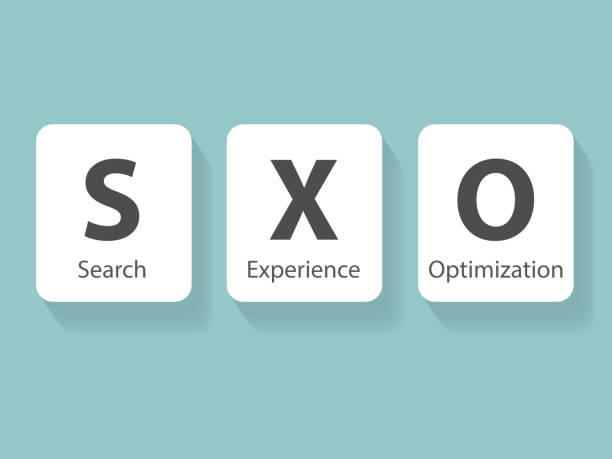
Beyond the Click: Navigating the Zendaya “Drama” and the Rise of SXO in 2026

0

As of April 14, 2026, the global digital discourse is being held hostage by a single cinematic revelation. The Drama, the Kristoffer Borgli-directed A24 thriller starring Zendaya and Robert Pattinson, has not only grossed $43 million in its opening fortnight but has sparked a viral scavenger hunt across the web. The film’s central mystery—a “gobsmacking twist” regarding a premarital secret—has sent millions of users to search engines in a desperate bid for spoilers and analysis. However, for digital strategists, the real story isn’t just the movie’s plot; it is how users are finding information in a landscape where Search Generative Experience (SGE) has officially made the “traditional click” an endangered species.

The Zero-Click Reality and the AI Narrative Layer

The search for “The Drama Spoilers” in April 2026 provides a perfect case study for the current state of SEO. According to recent Gartner data, traditional search volume has dropped 25% this year as users migrate toward AI agents and conversational interfaces. When a user queries a major cultural event today, Google’s AI Overviews—now reaching over 2 billion monthly users—often provide a synthesized answer directly on the results page. This “Zero-Click” environment means that for a brand to remain visible, it must move beyond traditional keyword stuffing and toward Search Experience Optimization (SXO).

The goal in 2026 is no longer to rank #1 for a link, but to be the primary source cited by the AI agent. This requires a “Narrative Layer” strategy, where a brand provides the most structured, authoritative, and human-verified data on a topic. In the context of The Drama, the sites winning the traffic are those that offer unique “Experience-Based” perspectives—such as Reddit discussions or expert film theory—which AI engines prioritize to avoid the “generic” output that now saturates 57% of B2B marketing content.

The “Rachel” Archetype: Weaponized Moral Superiority and Brand Risk

Beyond the technicalities of search, the film has introduced a new cultural villain: Rachel, played by Alana Haim. Critically acclaimed as the “terrifying evolution of the mean girl,” Rachel weaponizes progressive therapy-speak to dismantle her friends from the inside out. For [Public Relations Firms] and [Digital Branding Agencies], this character is a cautionary tale regarding the 2026 trend of “Moral Branding.”

In an era where 83% of large companies report measurable SEO gains through AI use, the temptation is to use automated tools to project a “perfect” or “morally superior” brand image. However, the viral backlash against the “Rachel” archetype proves that the 2026 audience—and by extension, the search algorithms—now prioritize Experience, Expertise, Authoritativeness, and Trustworthiness (E-E-A-T) over polished, AI-generated perfection. The “Michael” architecture of ownership must be paired with an “Authentically Human” voice to survive the scrutiny of a hyper-connected, skeptical public.

Optimizing for the AI Agent: The Three-Dimensional Journey

To dominate the 2026 search landscape, a brand must orchestrate a customer journey that exists far beyond the browser. We are seeing a shift where search engines reward User Generated Content (UGC) because people, now more than ever, want to read insights from other people. Successful search engine optimization now requires an integrated interplay of IT, UX, and PR.

  • Topical Authority: Rather than targeting broad terms, brands must own “Niche Clusters.” For instance, a site shouldn’t just talk about “Movies”; it should be the definitive authority on “A24 Psychological Thrillers.”

  • Structured Verification: Using clear headers and concise explanations helps AI indexing bots (and AI agents like ChatGPT, which now has 858 million weekly users) to accurately summarize your content.

  • Community Validation: The explosive 600% growth of platforms like Reddit since 2023 shows that search engines now value “Community Consensus” as a primary ranking signal. If your brand isn’t being discussed in the “Digital Town Square,” it effectively doesn’t exist for the AI agent.

Conclusion: The SXO Mandate for a Post-Search World

As the box office prepares for the next wave of blockbusters—including the upcoming Avengers: Doomsday showdown—the lesson from Zendaya’s The Drama is clear. The way we consume stories has changed, and the way we find them has evolved even faster. In 2026, the successful strategist is no longer just an “Optimizer”; they are a “Narrative Architect” who builds high-trust, human-centric ecosystems that AI agents cannot ignore.

The “Zero-Click” era isn’t a threat to those who own their infrastructure and their voice. It is an opportunity to move past the superficiality of the click and into the depth of true brand authority. In the end, whether you are discussing a cinematic twist or a software license, the winner is the one who provides the most trustworthy answer in a world of infinite, automated questions.

The “Michael” Architecture: Why Intellectual Property Ownership is the Only Asset That Matters in 2026

0

The global zeitgeist of April 2026 is currently dominated by the release of the Michael biopic, a cinematic event that has done more than just shatter box office records. It has re-socialized a fundamental truth of the modern economy: the most durable form of wealth is the ownership of Intellectual Property (IP). As Jaafar Jackson’s portrayal of the “King of Pop” highlights the high-stakes battles over music catalogs and global likeness rights, the 2026 business world is undergoing a profound “IP Realignment.” In an era where AI can synthesize a human voice or a brand aesthetic in seconds, the only defense against the commoditization of creativity is what strategists are now calling the “Michael Architecture”—a multi-layered approach to absolute IP sovereignty.

The Shift from Content Creation to Asset Securitization

For the past decade, the digital economy has been obsessed with “content.” However, by April 2026, the market has reached a saturation point where content—divorced from ownership—has a shelf life of mere hours. The “Michael Architecture” represents a shift from the “creator economy” to the “owner economy.” It is no longer enough to be a viral sensation; one must be the landlord of the data. This requires a transition from using centralized social platforms as primary homes to using them as secondary outposts.

Modern [IP Attorneys] and [Digital Asset Management] firms are increasingly advising their clients to “securitize” their assets by hosting them on independent, sovereign infrastructure. This ensures that the master files, the raw datasets, and the cryptographic proofs of origin are stored in a environment where the creator, not the platform, holds the keys. In a world where platforms can change their terms of service to allow AI training on user data, the “Michael Architecture” is the only way to prevent a legacy from being cannibalized by the very tools used to distribute it.

The Infrastructure of Permanence: Hosting as a Legal Safeguard

A cornerstone of the “Michael Architecture” is the concept of infrastructure permanence. A legacy cannot exist on a month-to-month lease. This has led to a surge in demand for “Lifetime Infrastructure” among the global elite and established brands. When an icon or a corporation pays once for a lifetime hosting environment, they are doing more than just saving on monthly overhead; they are creating a permanent legal and digital “Base of Operations” that is immune to the subscription-based price hikes of the “SaaS Tax” era.

This infrastructure is the “Vault” of the 2026 digital age. It must be fortified with kernel-level isolation and proactive threat hunting to ensure that the IP within is never compromised. By utilizing a “Sovereign Stack”—including dedicated security tools like Imunify360 and CloudLinux—creators ensure that their digital assets are protected by the same level of security used by [Fintech Platforms] and [Venture Capitalist] firms. The hosting environment is no longer a utility; it is a critical component of the brand’s legal defense strategy.

Digital Sovereignty and the Future of the “Immortal Brand”

The final pillar of the “Michael Architecture” is the use of “Digital Hallmarking” to maintain the scarcity of an icon’s work. As we witness the resurrection of historical brands and personalities through AI, the ability to prove what is “Authentic” and “Estate-Authorized” is the difference between a multi-billion dollar asset and a worthless digital copy. This involves pairing physical and digital assets with unbreakable records of provenance, often managed via private, sovereign servers that act as the definitive source of truth.

For the international enterprise, the directive for 2026 is absolute: if you do not own the infrastructure where your IP lives, you do not truly own your IP. The “Michael Architecture” teaches us that a brand’s longevity is directly proportional to its independence. By decoupling from the “Subscription Trap” and securing a permanent, sovereign digital home, today’s creators ensure that their work will moonwalk through time, remaining as valuable and unmistakable in 2076 as it is in 2026.

Conclusion: The Mandate for Absolute Ownership

As the Michael biopic continues its global tour, its most lasting impact will not be in the theaters, but in the boardroom. The “Michael Architecture” is the definitive response to the volatility of the 2026 digital market. It is a call to arms for every creator, entrepreneur, and icon to reclaim their digital sovereignty. The era of building on rented land is ending. The era of the “Digital Estate”—secure, permanent, and sovereign—has begun. In the final analysis, the greatest tribute one can pay to a legacy is to ensure that it has a home that can never be taken away.