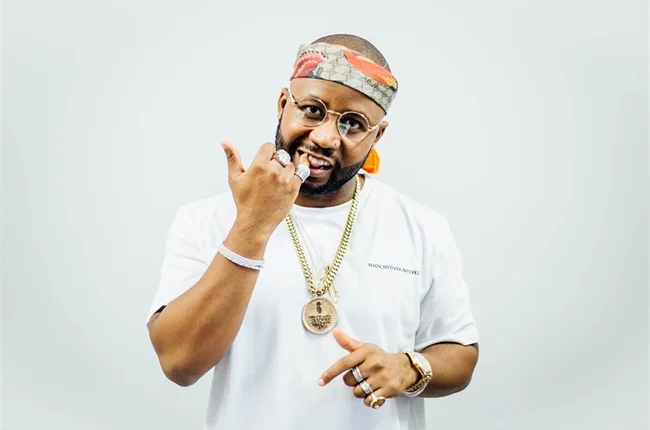

In the evolving story of African hip-hop, where trends shift quickly and identities are often reshaped to fit global expectations, one figure has remained firmly grounded in who he is—Big Zulu. Born Siyabonga Nene, his life is not just a tale of musical success, but a deeply human story of hardship, resilience, and cultural pride. His journey carries the weight of rural struggle, the noise of taxi ranks, and the triumph of a man who refused to abandon his roots in pursuit of fame.
Big Zulu was born on 7 April 1986 in the quiet, rural landscapes of Bergville, located in the province of KwaZulu-Natal. Life in this part of South Africa was simple, but far from easy. Poverty was not an abstract concept—it was a daily reality. As a child, he grew up without many of the things others take for granted. He has often shared stories of going without basic necessities, including proper shoes, and navigating a world where survival required both mental and physical strength. Yet within these hardships, something powerful was forming: a deep connection to Zulu traditions, storytelling, and identity.
His early environment shaped not only who he was, but how he would one day sound. Traditional forms of music like Maskandi and Isichathamiya were not just entertainment—they were part of the cultural fabric of his upbringing. These sounds, combined with the oral storytelling traditions of his people, would later echo in his music, giving it a richness and authenticity that set him apart from many of his peers.
As he grew older, life demanded responsibility more than dreams. Before the world knew his name, Big Zulu lived the life of an ordinary working man. He became a taxi driver, operating in South Africa’s bustling and often chaotic transport system. The taxi industry is not for the faint-hearted—it is long hours, constant pressure, and relentless hustle. It was in this environment that he learned discipline, patience, and the realities of survival in urban South Africa. Every day was a grind, but somewhere beneath that routine, the desire to do something more—to become something more—refused to die.
Around the late 2000s, he made a decision that would change his life forever. He walked away from the relative stability of taxi driving to pursue music full-time. It was not a glamorous leap. There were no guarantees of success, no financial safety nets, and no powerful industry connections waiting to receive him. What he had instead was belief—an unshakable conviction that his voice, his story, and his culture mattered.
The early years of his music career were marked by struggle. He performed wherever he could, wrote tirelessly, and fought for recognition in an industry that often overlooked artists who didn’t fit a certain mold. But Big Zulu was never interested in blending in. He leaned into who he was—his language, his culture, his identity—and slowly, people began to notice.
A turning point came when he gained recognition through competitions and grassroots exposure, eventually leading to wider industry attention. His breakthrough moment arrived with the release of “Donsa Nkabi,” a track that introduced his commanding voice and unapologetic Zulu identity to a broader audience. It wasn’t just a song—it was a statement. Big Zulu had arrived, and he was not going to conform.
From that moment, his rise was steady but powerful. He released projects that reflected not only his growth as an artist but also his journey as a person. Albums like Ushun Wenkabi and Ungqongqoshe Wongqongqoshe began to establish his name, but it was Ichwane Lenyoka that truly cemented his place in South African music history. The title itself—meaning “the child of a snake”—is deeply symbolic. In Zulu belief, a snake’s offspring is born alone and must survive without guidance. It was a metaphor for his life: a man who had to find his own way, without handouts, in a world that offered little support.
The success of songs like “Mali Eningi” pushed him into mainstream stardom. The track resonated far beyond hip-hop audiences, becoming a cultural moment that unified listeners across languages and backgrounds. It spoke to ambition, struggle, and the universal desire for a better life. Suddenly, Big Zulu was no longer just a rising artist—he was a national voice.
Yet even as fame grew, he remained deeply connected to his roots. Unlike many artists who adopt globalized images, Big Zulu embraced traditional Zulu attire and symbolism. He presented himself not as someone who had escaped his culture, but as someone who carried it proudly into every space he entered. This authenticity became one of his greatest strengths. Fans didn’t just listen to his music—they believed in him.
As his influence expanded, he took on a new role—not just as an artist, but as a builder of opportunities. He founded Inkabi Records, creating a platform for emerging artists to share their voices. Through this label, he began shaping the next generation, proving that his vision extended beyond personal success. He was building a legacy.
Outside of music, Big Zulu stepped into television and acting, appearing in popular South African productions. These ventures showcased another dimension of his talent, but more importantly, they reinforced his presence as a cultural figure, not just a musician. He became someone people could look to—not only for entertainment, but for inspiration.
Despite all the success, wealth, and recognition, what stands out most about Big Zulu is his grounded nature. He has never detached himself from where he comes from. He continues to speak openly about his journey, his struggles, and the lessons he has learned along the way. His story is not polished to perfection—it is raw, honest, and real.
His life is a reminder that greatness does not always come from privilege or opportunity. Sometimes, it is born from struggle, shaped by adversity, and driven by an unwavering sense of identity. Big Zulu did not become successful by changing who he was. He became successful by embracing it fully.
In many ways, his journey reflects the broader story of African creativity today—a movement that is no longer seeking validation, but instead celebrating its own voice. Big Zulu stands at the center of that movement, not as a follower of trends, but as a leader who has carved his own path.
His story is far from over. But even now, it carries a powerful message: that where you start does not define where you end, and that staying true to yourself can be the most powerful strategy of all.