

Climate change poses significant challenges for Africa, a continent particularly vulnerable to its effects. Understanding these impacts is crucial for developing effective adaptation and mitigation strategies. Here’s an overview of how climate change is affecting Africa.
1. Rising Temperatures
Africa is experiencing higher temperatures, leading to increased heatwaves. These changes affect agriculture, water resources, and health, exacerbating existing vulnerabilities.
2. Altered Rainfall Patterns
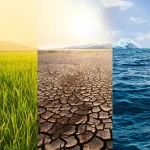
Shifts in rainfall patterns are causing both droughts and floods. Some regions face prolonged dry spells, while others experience intense rainfall, disrupting farming and food security.
3. Impact on Agriculture
Agriculture, a key sector for many African economies, is severely affected. Changes in climate can reduce crop yields, threaten livestock, and increase food insecurity, impacting millions of livelihoods.
4. Water Scarcity
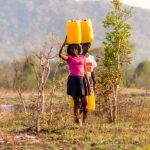
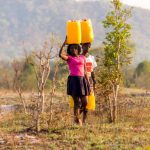
Climate change contributes to water stress, affecting access to clean water for drinking and sanitation. This scarcity can lead to conflicts over water resources and impact health outcomes.
5. Biodiversity Loss
Africa’s rich biodiversity is under threat from climate change. Habitat loss, changing ecosystems, and species extinction are increasing, impacting livelihoods that depend on natural resources.
6. Health Risks
Rising temperatures and changing weather patterns contribute to the spread of diseases such as malaria and cholera. Vulnerable populations, especially in rural areas, face heightened health risks.
7. Economic Challenges
The economic impacts of climate change can be profound. Reduced agricultural productivity, increased health costs, and damage from extreme weather events threaten economic stability and growth.
8. Displacement and Migration
Climate-induced displacement is becoming more common as people are forced to leave their homes due to extreme weather events or resource scarcity. This migration can lead to social tensions and instability.
9. Energy Security
Climate change affects energy production, particularly in regions dependent on hydropower. Fluctuating water levels can disrupt energy supplies, impacting economic activities.
10. Adaptation Strategies
Africa is developing various adaptation strategies, including climate-resilient agriculture, sustainable water management, and renewable energy initiatives. These efforts aim to mitigate the impacts of climate change and enhance resilience.
Conclusion
Climate change is a pressing issue for Africa, with far-reaching consequences for the environment, economy, and society. Addressing these challenges requires collaborative efforts at local, national, and international levels. By investing in sustainable practices and resilience-building initiatives, Africa can navigate the impacts of climate change and secure a more sustainable future.


