

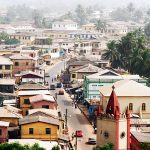
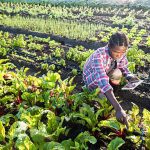


Urban forestry is increasingly recognized as a vital component of sustainable development in African cities. By integrating trees and green spaces into urban planning, cities can enhance their environmental, social, and economic resilience. Here are the key benefits of urban forestry in African cities.
1. Improved Air Quality
- Pollution Reduction: Trees absorb pollutants and particulate matter, helping to improve air quality and reduce respiratory issues among urban populations.
- Carbon Sequestration: Urban forests play a crucial role in capturing carbon dioxide, mitigating climate change effects.
2. Climate Regulation
- Temperature Moderation: Trees provide shade and cool urban areas, reducing the urban heat island effect and lowering energy costs for cooling.
- Rainwater Management: Urban forests help to manage stormwater runoff, decreasing the risk of flooding and erosion.
3. Enhanced Biodiversity
- Habitat Creation: Urban forests provide habitat for various bird and insect species, promoting urban biodiversity and ecological health.
- Green Corridors: Trees can connect fragmented habitats, facilitating wildlife movement and enhancing urban ecosystems.
4. Social Benefits
- Community Well-being: Access to green spaces improves mental health, encourages physical activity, and promotes social interaction among residents.
- Cultural Value: Urban forests can serve as cultural and recreational spaces, enhancing community identity and pride.
5. Economic Opportunities
- Job Creation: Urban forestry initiatives can create jobs in tree planting, maintenance, and landscaping, benefiting local economies.
- Increased Property Values: Proximity to green spaces often increases property values, benefiting homeowners and local governments through higher tax revenues.
6. Food Security and Urban Agriculture
- Edible Landscapes: Urban forests can include fruit and nut trees, providing fresh produce and enhancing food security for urban dwellers.
- Community Gardens: These spaces encourage urban agriculture, promoting sustainable food practices and community engagement.
7. Aesthetic and Recreational Value
- Visual Appeal: Trees and green spaces enhance the aesthetics of urban environments, making cities more attractive places to live and work.
- Recreation Spaces: Urban forests provide areas for recreation, such as walking, jogging, and picnicking, improving the quality of life for residents.
8. Climate Change Adaptation
- Resilience Building: Urban forests help cities adapt to climate change by improving infrastructure resilience and providing natural barriers against extreme weather events.
- Ecosystem Services: They offer vital ecosystem services that enhance urban resilience, such as flood mitigation and temperature regulation.
9. Education and Awareness
- Environmental Education: Urban forestry initiatives can serve as platforms for environmental education, raising awareness about sustainability and conservation.
- Community Involvement: Engaging communities in tree planting and care fosters a sense of stewardship and responsibility toward the environment.
10. Policy Development and Urban Planning
- Integrative Approaches: Incorporating urban forestry into city planning can lead to more sustainable and livable urban environments.
- Long-term Strategies: Developing policies that prioritize green infrastructure ensures the sustainability of urban forestry initiatives.
Conclusion
Urban forestry offers numerous benefits to African cities, from improving air quality and enhancing biodiversity to fostering community well-being and economic opportunities. By investing in urban green spaces, cities can create healthier, more sustainable environments that contribute to the overall quality of life for their residents. Embracing urban forestry is a step towards building resilient cities for the future.