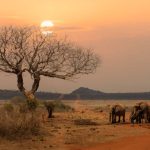





Wildlife corridors are vital for maintaining biodiversity and supporting the movement of animals across fragmented habitats. In Africa, where wildlife populations face threats from habitat loss, poaching, and climate change, the establishment of wildlife corridors is increasingly recognized as a crucial conservation strategy. Here’s an overview of the importance, benefits, and implementation of wildlife corridors in Africa.
1. Understanding Wildlife Corridors
Description
- Wildlife corridors are designated areas that connect fragmented habitats, allowing animals to move freely between them.
Purpose
- Facilitate migration, breeding, and access to food and water resources.
- Enhance genetic diversity by allowing animal populations to interbreed.
2. Importance for Biodiversity
Ecosystem Health
- Corridors help maintain healthy ecosystems by enabling species to thrive in their natural habitats.
- They support critical ecological processes, such as pollination and seed dispersal.
Species Survival
- Corridors are essential for the survival of endangered species that require large territories for foraging and breeding.
3. Benefits of Wildlife Corridors
1. Habitat Connectivity
- Reduce isolation of animal populations, promoting genetic exchange and resilience to environmental changes.
2. Mitigation of Human-Wildlife Conflict
- By providing safe pathways, corridors can reduce encounters between wildlife and humans, minimizing conflict and protecting both parties.
3. Enhanced Ecotourism Opportunities
- Well-planned corridors can attract tourists, boosting local economies and funding conservation efforts.
4. Examples of Successful Corridors in Africa
1. The Selous-Niassa Wildlife Corridor (Tanzania)
- Connects the Selous Game Reserve and Niassa National Reserve, facilitating the movement of elephants and other wildlife.
2. The Maasai Mara-Serengeti Ecosystem
- A vital migration route for wildebeest and other species, supported by cross-border collaboration between Kenya and Tanzania.
3. The Greater Kruger National Park (South Africa)
- Integrates private and communal lands to create a vast wildlife corridor, enhancing habitat connectivity for various species.
5. Challenges in Establishing Corridors
1. Land Use Conflicts
- Competing interests from agriculture, urban development, and infrastructure can hinder corridor establishment.
2. Funding and Resources
- Securing financial support for corridor projects and ongoing maintenance is often a significant challenge.
3. Climate Change
- Changing climate patterns can affect the viability of designated corridors, necessitating adaptive management strategies.
6. Strategies for Implementation
1. Community Engagement
- Involve local communities in the planning and management of wildlife corridors to ensure their support and cooperation.
2. Collaborative Governance
- Foster partnerships between governments, NGOs, and local stakeholders to create a unified approach to corridor development.
3. Research and Monitoring
- Conduct studies to understand wildlife movement patterns and the ecological significance of potential corridors.
4. Legal Frameworks
- Establish legal protections for wildlife corridors to ensure their long-term viability and prevent encroachment.
7. Conclusion
Creating wildlife corridors is a promising solution for enhancing biodiversity in Africa. By facilitating the movement of animals and connecting fragmented habitats, these corridors can play a vital role in conservation efforts. Collaborative approaches that involve local communities, governments, and conservation organizations are essential for the successful implementation and sustainability of wildlife corridors, ultimately contributing to the protection of Africa’s rich natural heritage.


