Home Blog Page 628

Cheap Cpanel Web hosting in Zimbabwe

Looking for cheap cpanel web hosting in Zimbabwe? You’ve come to the right place. Tremhost is one of the leading providers of cheap cpanel web hosting in Zimbabwe and we can help you choose the right package for your needs.

Cheapest Cpanel Web hosting in Zimbabwe

Tremhost is the cheapest cpanel web hosting in Zimbabwe. We have a variety of cpanel web hosting packages. Our web hosting service is based in Harare and we offer 24/7 support by phone or email.

Cpanel enables you to create email accounts quickly and manage your databases, websites, mailboxes and more from one central location.

https://tremhost.com/sharedhosting.html

see the hosting plans here

Tremhost is the number one choice for cheap cpanel web hosting in Zimbabwe.

Tremhost is the number one choice for cheap cpanel web hosting in Zimbabwe.

Tremhost offers the best value for money in Cpanel web hosting in Zimbabwe.

Tremhost is based in Harare, so we are readily available and can address issues promptly.

Why choose Tremhost?

Tremhost is a Zimbabwean web hosting provider that offers affordable Cpanel web hosting packages. We are based in Harare, and our servers are located there. Our support team is available 24/7, so if you have any issues or questions regarding your account please contact us immediately.

We also have a 30 day money back guarantee so if you are not satisfied with our service at any time during this period simply let us know and we will refund all of your fees!

We have a variety of Cpanel web hosting packages and support will guide you through what is best for your needs.

We have a variety of Cpanel web hosting packages and support will guide you through what is best for your needs.

We are readily available and can address issues promptly.

Using cpanel enables you to create email accounts quickly, manage your databases and manage your website.

Cpanel is a web hosting control panel. It allows you to create email accounts, manage databases and manage your website.

Cpanel is used by many web hosting companies in Zimbabwe because it’s easy to use and free!

Tremhost is based in Harare, so we are readily available and can address issues promptly.

Tremhost is based in Harare, so we are readily available and can address issues promptly. We have a good reputation for customer service and can help you with any of your needs.

Visit https://tremhost.com to find the right cpanel web hosting package for your needs.

If you’re looking for a cheap cpanel web hosting in Zimbabwe, look no further than Tremhost. We have a variety of packages that are tailor-made to meet your needs. But if you’re not sure what exactly those might be, then just give us a call or send us an email and we’ll help you decide on the best option for your business.

If this is the first time that you’ve heard about our services and why they’re so great at Tremhost, then here are some thoughts about what makes our company stand out from other providers:

  • Our staff members are based in Harare so they can get to work quickly with any issues or questions that come up during peak hours (we’re open 24/7)
  • Cpanel allows users access their website through multiple devices without having any trouble downloading files or setting up databases manually

Web hosting in Zimbabwe- from $1

Tremhost is a web hosting company in Zimbabwe which was founded in 2016. The company offers different types of web hosting services with unlimited email accounts, unlimited FTP accounts and unlimited databases. Tremhost web hosting packages include:

Basic ($1 per month)

Standard ($3 per month)

Advanced ($6 per month)

See all plans here

Tremhost is a web hosting company in Zimbabwe which was founded in 2016

Tremhost is a web hosting company in Zimbabwe, founded in 2016. It’s registered with ZISPA and has been operating since its inception.

The best part about Tremhost is that it offers you fully managed WordPress hosting for your website or blog at an affordable price. This means that you don’t have to worry about anything technical like setting up your server or installing WordPress itself – they do all this for you so all you need to do is sign up and start posting content!

The company offers different types of web hosting services with unlimited email accounts, unlimited FTP accounts and unlimited databases.

The company offers different types of web hosting services with unlimited email accounts, unlimited FTP accounts and unlimited databases. TremHost’s servers are located in the United States and Europe, allowing you to access your website from anywhere in the world.

Tremhost web hosting packages

Tremhost web hosting plans has:

24/7 Customer Support

WordPress Installation

WordPress Support

Free SSL

CloudLinux

Sitepad Web Builder

Softaculous

Cpanel Included

99.9% Uptime

Tremhost is a web hosting company in Zimbabwe that provides reliable and affordable web hosting even as low as $1.00 per month.

Tremhost is a web hosting company in Zimbabwe that provides reliable and affordable web hosting even as low as $1.00 per month.

Tremhost was founded in 2016, and since then they have been providing their clients with the best services at an affordable price.

The web hosting services offered by Tremhost include unlimited email accounts, unlimited FTP accounts and unlimited databases.

Conclusion

Tremhost is a web hosting company in Zimbabwe that provides reliable and affordable web hosting even as low as $1.00 per month.

What makes a great website design?

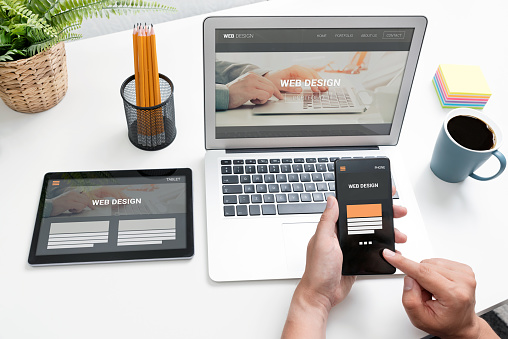
Web developer designs websites for different types of devices. Responsive web design concept

A website is the first thing that people will see when they visit your company’s website. It’s also the first impression you make on prospective clients and potential employees. So, it’s important to make sure your website is up-to-date and looks professional.

Header and Logo

The first thing that you should look for in a website design is the logo. The logo is what makes your business stand out from all of the other businesses in your industry, and it’s also an important piece of information that can help people remember who you are and what your company does.

The first step toward creating a great logo is to make sure that it has a consistent style throughout—this means that if there are different types of fonts used on different pages (or even within one page), they should all have similar styles so they feel uniform. For example: if one page uses Bold Italic letters while another uses Regular Italic letters, then those two pages would not have any consistency between them when viewed at varying sizes or widths (not only could this cause confusion among readers but also cost more money).

One way companies can avoid this problem is by using typefaces like Arial or Helvetica Neue which tend to be very versatile with regards to how many variations there are available; however these typefaces aren’t meant for small caps situations so don’t expect much success here!

Once again though…the most important part about creating good typography isn’t necessarily finding something perfect – rather than worrying about whether something will work out well enough once built…it’s more important focus attention onto making sure everything else flows smoothly together nicely too 🙂

Navigation

  • Navigation is the backbone of any website. It’s what makes your site easy to navigate and navigate through, as well as where all of your important information will be found.
  • A great navigation system should be clear, consistent across the site and at the top of each page. You can make this even easier by using dropdown menus with submenus on mobile devices (more on this later).
  • Your navigation should also be easy to find and use on mobile devices—and not just because it’s expected now but because it’s also essential if you want people who may not know exactly where they’re going when they come onto your site from another one!

Content and readability

Content is king. It’s the reason why people visit your website, and it should be a valuable part of any design. You want to make sure that the content on your site is readable, understandable and relevant for your target audience. If you can’t read what’s written on a page or find it hard to understand, then there’s no point in having beautiful graphics or an awesome layout—you’re just wasting everyone’s time!

Images are important too: they help readers visualize things better than text alone (especially if they’re small), but they shouldn’t distract from what’s being said; if there isn’t enough room left over after including an image within its margins then it might not fit well together with everything else around it – which means we’ll need either another image or some other form of visual element like infographics etcetera…

CTA (Call to action)

The call to action is the most important part of your website design. It’s what people will interact with, and it should be clear, concise, and easy to understand.

  • Your CTA should be obvious and easy to find on every page of your site. Don’t make users search for it in a sea of text!
  • Make sure that relevant CTAs are front-and-center on each page—don’t hide them until you’re ready for them.

Footer

The footer is the last thing you see when you scroll to the bottom of your website. It should have links to your social media and contact information, so that people who want to reach out can do so easily. If there’s a call-to-action in your header, it’s best not to repeat it in the footer; instead, just include some additional details about how they can get in touch with you if they’re interested.

A clean design will help make sure that everything looks consistent throughout all areas of your site (header, navigation bar, content). A consistent look makes it easier for visitors to navigate around different sections without being distracted by visual differences between them—and helps create an overall polished feel for any given page on which users spend time browsing through various pages throughout their visit.”

Colors and Typography

Colors and typography are two of the most important aspects of a website.

  • Use a limited color palette for your site, preferably one that’s easy on the eyes and doesn’t distract from the content on your site. A good rule of thumb is to limit each color to no more than three different shades (one primary, one secondary, and one tertiary). You don’t want anyone getting dizzy trying to read what you’re writing!
  • For text-heavy pages like blogs or product descriptions that don’t need much detail about their design, you can use bold typefaces like Helvetica Neue Condensed or Baskerville Old Face; these will make sure people know who wrote them even if they were drunk during their college graduation ceremony when they had just received their diploma in journalism degree classes because they were too busy crying into their hands while watching Finding Nemo 2 again like we all did when it premiered 20 years ago at midnight because we still hadn’t learned how yet so there wasn’t anything better out there anyway except maybe Netflix but then again my parents didn’t have cable so I couldn’t watch movies online either…

These tips will help you create a great website, the right colors really make it.

When it comes to making a website, you want to make sure that your color choices convey the right message.

When it comes to choosing colors for your site, there are many things that should be considered:

  • Your brand identity needs to be reflected in the colors used on the site. If you have a very specific brand identity—like if you’re an athletic shoe company or a local bicycle shop—make sure that those colors are part of your overall design scheme (i.e., not just used as accents).
  • Colors can help convey emotion; this is especially true when using reds, yellows and oranges together because they create energy! As such, don’t let any lackadaisical shades get away with themselves–they may not actually fit into what’s going on around them but still give off bad vibes regardless!

Conclusion

We hope you’ve found this article helpful. We know it can be a challenge to come up with ideas for your website and we’re here to help! If you need more guidance, check out our other articles on how to create a great website (or blog).

Is web design booming in the market now?

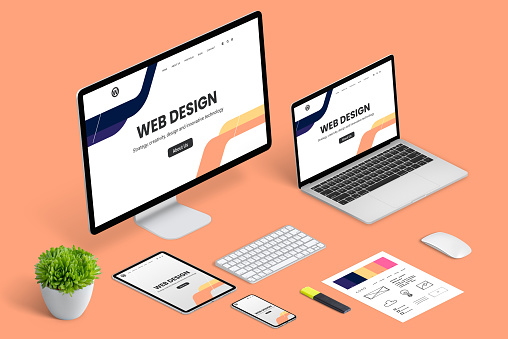
Responsive web design studio page presentation concept. Isometric view of designer work desk with computer display, laptop, tablet, and smart phone.

Web design can be a career that is rewarding, lucrative, and satisfying. It’s also one of the most applicable skills to have in this day and age. If you want to get into web design—whether as a freelancer or full-time at a company—there are several things you should know about this booming field.

It is booming.

Web design is a booming industry. There are many jobs available, opportunities for growth and ways to get into the field. The web design field is expected to grow by 8% each year over the next five years, which means there will be plenty of chances for those who want to make their mark in this growing field!

It is prevalent throughout the technology industry and one of the main directions in the field.

Web design is prevalent throughout the technology industry and one of the main directions in the field. There are many different types of web designers, but they all have one thing in common: they design websites.

Web design is a growing field that requires expertise, creativity and knowledge about how to make websites look good. If you’re looking for something new to do with your career or just want to learn more about this type of work, then consider becoming a web designer!

It can be highly profitable and satisfying.

Web design is a great way to make money, and it can be highly profitable. You can do it from home, full-time or part-time. It’s also an excellent opportunity to express your creativity in the form of creating websites for clients that need them.

If you get good at web design, it can lead to a great career path.

If you get good at web design, it can lead to a great career path. Web design is a growing field and it’s not only limited to the US. You can work for yourself or for a company and specialize in your own niche. You could also work from anywhere in the world!

There are several ways to approach your career as a web designer.

There are several ways to approach your career as a web designer.

  • Freelance or full-time: If you’re looking for flexibility and freedom, freelance is the way to go. While it can be more challenging financially, this option allows you to choose your own hours and work when it suits you best—whether that’s in the morning before heading off to school or right after getting home from work each night. Plus, freelancing allows designers who want their clients’ input on projects they’re working on while still maintaining some autonomy over their designs (for example, by tweaking them until they meet client standards).
  • Work from home: If being able to set your own schedule appeals more than having an office job where everyone else has their own schedule but yours doesn’t match theirs (and therefore makes it difficult for anyone else around them), then consider setting up shop at home instead! This can help prevent any stress related issues caused by commuting during busy times like rush hour traffic jams or long lines at airports; however if being able easily make phone calls from anywhere doesn’t bother either person involved then don’t worry about having access radio/cellphone coverage everywhere just yet 🙂

You could be a freelancer and work on your own time, doing what you want when you want to do it!

Being a freelancer is a great way to earn some extra money and work on your own time, doing what you want when you want it. But there are challenges as well. You could be working from home, but still have to take care of family or pets and keep up with other responsibilities at home. If this sounds like something that might be right for you, then read on!

You’ll need the following:

  • A computer (and internet connection)
  • A desk or chair that allows for comfortable sitting posture throughout the day (this is important because if not then it can become difficult after several hours spent sitting)

Or you could work full-time for a company and have more structure in your day-to-day schedule.

You could work full-time for a company and have more structure in your day-to-day schedule.

You will be working for someone else, so you’ll have more responsibilities than freelancers do. You’ll also have a set schedule and bosses who can answer to them if things don’t go as planned. And if you’re looking for more benefits—like health insurance or retirement savings plans—you’ll probably get those too!

The opportunities are endless if you decide to put out an effort toward web design.

If you’re looking for work, there are many opportunities out there. You can make a lot of money doing web design and development, so it’s worth considering if you think that this could be your future.

There are also fields like graphic design and marketing where web design is used as an important part of their business. If you’re interested in working in these areas, then chances are good that your skillset would be welcomed by many companies who use website creation as part of their marketing strategy or even as their main source of revenue. In fact, many people who are self-employed or working full-time use their own website as a platform where they sell products or services directly to consumers online—these kinds of sites can generate significant income because they allow them to reach customers worldwide without having any additional costs involved except for hosting fees (if any).

Web design is a promising career path that can lead to many places!

Web design is a growing field that can lead to many places. It’s an exciting field, creative and rewarding. You will learn how to create websites from scratch, but also learn about other media such as branding or UI/UX design.

Conclusion

Web design is a booming industry, and if you’re interested in learning more about it, we encourage you to check out some of the resources below!

How to learn to design a nice and beautiful UI for websites?

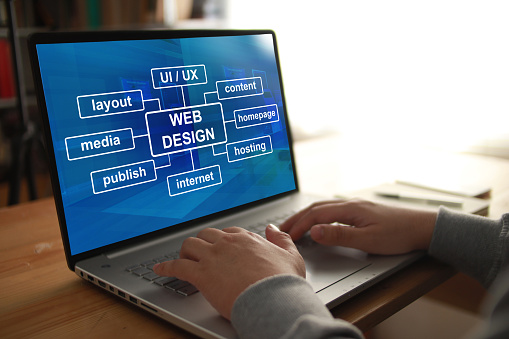
Anonymous person typing on laptop with web design program displayed on screen. UI UX website layout design concept

If you want to create a beautiful UI, then it’s time to invest some time in the process. There are many things that can go wrong when designing websites and apps. You might spend hours on them only for someone else to come along and mess up everything. But if you know what kind of design looks good in which situation and has what features built-in, then your site will look great even if someone else uses it!

Invest time in choosing good color themes.

The first thing you should do is to choose a color scheme that is consistent and clear. It’s important that all elements in your design are easy to read, so make sure the colors are in the same family (i.e., if one element uses red, another might use blue). If you can see the relationship between them at a glance, this will help reduce confusion for users when they try to navigate your site or app.

When choosing colors for UI elements like buttons and links, it’s also helpful if they work well together—if there are too many different hues or shades of one color used throughout an interface then it can cause confusion among users who don’t know what each individual component looks like yet!

Focus on usability: Your site needs to serve a function for your visitors.

  • Focus on usability: Your site needs to serve a function for your visitors.
  • Make sure the site is easy to navigate: The navigation bar at the top of a page should be simple and well-organized, with links that lead directly to where they’re needed (i.e., not sprinkled randomly throughout).
  • Be consistent across all pages of the website: Keep all your content in one place! It’s easier for users if they don’t have to keep jumping around between different sections of your site or even within one section because everything is organized correctly—they’ll feel more comfortable knowing exactly where everything is located and can find what they’re looking for quickly without having to worry about being lost somewhere along the way (or worse: clicking on something accidentally).

Spend time learning about typography and color.

When it comes to choosing fonts, there are a few things you should keep in mind. First, consider the purpose of your site—does it need something more formal or casual? Then decide whether you want your text white or black. If you’re designing a logo or other graphic elements that don’t necessarily have to be legible by themselves (like icons), then using Helvetica Neue Light Condensed would be an excellent choice because its low contrast makes it hard for users’ eyes to find those small details on the screen.

You should also think about how much space each typeface takes up on screen compared with another one; this can make all the difference between feeling cluttered or cohesive as well as making sure that none of them get lost in translation when they’re displayed together at various sizes and distances from each other across multiple screens/devices since everyone’s viewing experience will vary depending on their current environment In terms of color theory: try not overdo it with too many shades of blue unless you have a reason for doing so (e.g., if there’s already plenty). Choosing just two colors per design element is usually enough unless someone specifically asks for more variety–then go ahead!

Get inspired by looking at other sites, but don’t copy them.

The first step in learning design is to look at other sites, but don’t copy them. It’s okay to admire the work of others and think about what you would do differently if you were them (or even what you would do if you were an exact duplicate of them).

When I was learning how to design a UI for a website, I looked at both my favorite sites and least favorite ones. The former helped me get inspired with their designs; the latter helped me understand where I needed improvement in mine!

Use good quality images and videos.

When you design a UI, it’s important to use good quality images and videos. The first thing that you should do is find out what kind of images or videos are used on your competition website. You can do this by checking their Google Analytics reports or simply by looking at the source code of their site (you can find this information in internet explorer).

When designing an e-commerce website, it’s also helpful to include some nice photos of products in order to draw attention from customers who visit this site every day. If possible, try not to use copyrighted images from other websites because they might get accused of copyright infringement if they’re found out later on by Google Webmaster Tools tool which checks for any duplicate content found within a given domain name(s).

You can make a beautiful UI if you invest some time in it.

  • Use good quality images and videos
  • Focus on usability, not design.
  • Spend time learning about typography and color.
  • Get inspired by looking at other sites, but don’t copy them!

Conclusion

This is the end of our article. We hope that you have learned a lot and can apply these tips to your own website. Good luck!

How do you identify whether a website is well designed?

The web is full of websites that look great, but are not well-designed. They have great content and a beautiful layout, but they don’t fit together well or communicate the right information to visitors. A poorly designed website may confuse users, who will have trouble locating the information they need or finding the pages that match their needs.

Are there images and layouts that work well together?

The first thing to look for is how your images work together. Are there images that are consistent with the theme of the website, or do they stand out from what you’re trying to say?

If you have a blog about travel and want to show off beautiful destinations, maybe a photograph of an idyllic beach would be an appropriate choice. However, if you’re writing about how travel can help people become happier and healthier, then perhaps an image showing someone smiling would be more appropriate than one of someplace other than where they live—it might even seem more authentic since it shows them enjoying themselves rather than being forced into doing so by their circumstances.

Images should also be relevant to what’s being said on your site as well as optimized for web display (the size) so users can see them easily without having to zoom in too much or scroll down far enough away from their screen so they don’t lose sight of anything else important happening at once while reading through text-heavy content like blogs/articles/books etcetera…

Is there a specific color palette?

Color is a powerful tool in design. It can help convey mood, reinforce brand identity and even guide users through the site.

Color is subjective and therefore difficult to measure objectively. However, there are some general guidelines:

  • Use color sparingly – if you have lots of text on your page then use an average amount of different colors for it; don’t use too many shades at once (e.g., blue with orange). This will make it harder for users to read what they’re looking at because they’ll see too much going on at once!
  • Color consistency across all pages – if you want people who visit each page of your site again then make sure that they can navigate easily between them without having difficulty distinguishing between them due to different elements being used throughout each page!

Are the images consistent with each other?

  • Are the images consistent with each other?

If you look at a website’s theme, you should be able to identify what kind of image style it uses. This includes things like color palette, font choice and overall look and feel. If the images don’t fit into this established pattern, then they will be difficult to understand on your screen as well as in your head. Consistent imagery helps create an immersive experience for visitors who may not have much experience with web design languages before visiting this site specifically because they don’t know what to expect from such designs yet (and thus wouldn’t know whether or not something looks good).

  • Is there too much information conveyed through each individual photo?

Consistency isn’t just about having matching styles; it also means that every piece conveys its own message without needing additional explanation or context from elsewhere on the page—and that information needs to make sense within itself! For example: if someone sees multiple photos of people smiling broadly while wearing sunglasses indoors (with bright lights behind them), but doesn’t know why those shots were taken together—or even where those shots were taken—then he might wonder why everyone else seems so happy when he himself doesn’t feel particularly cheerful today…

Do the images fit the website’s context or theme?

  • Do the images fit the website’s context or theme?
  • Are they consistent with the content of the page?
  • Do you think it will appeal to your target audience?

If you have a website that sells products for kids, for example, don’t display pictures of children on your home page unless they are an integral part of what this business does. If there are no photos available (and if you don’t have any), then adding some can help attract more customers by making them feel comfortable visiting your site and learning more about what you offer.

A well-designed website looks great, showcases the right content and is easy to use.

A well-designed website looks great, showcases the right content and is easy to use.

  • The website appears professional. This means that it uses clean, simple design elements and has an overall consistent feel throughout the site. The colors should be bright but not garish; fonts should be legible without being too small or bold; images should have good composition—they should look like they were taken by a professional photographer who knows how to frame an image properly (this can be difficult at times).
  • It’s easy for visitors to find what they’re looking for on your site: Don’t make it hard by making your navigation overly confusing! Keep things simple with logical links (for example, if there’s a big dropdown menu link labeled “About Us” then put that in there). Don’t use distracting textures or graphics as part of navigation links either—the less distractions we have in our way when navigating through websites the better!

Conclusion

A well-designed website looks great, showcases the right content and is easy to use. By following these tips, you’ll be able to tell if a website is well designed or not:

How to build a beautifully designed business website?

Young enthusiastic businessman with dreadlocks working late night using laptop in his small home office, trying to finish job before deadline.

I’ve been working in the web design industry for nearly 15 years and I love it. The best part of my job is helping people make their business websites as successful as possible, whether they’re looking to build a new website or just update their current one. But there’s one thing that keeps popping up: how do we make our businesses look appealing? It can be hard to find an answer when everyone has different ideas about what looks good on a website. However, if you follow these simple rules for designing your own site it will help ensure that visitors will navigate through it quickly and easily – which means more sales!

Assume nothing about your audience.

When you’re building a website, it’s important to assume nothing about your audience. Don’t assume that your audience is male or female, local or international and young or old—and don’t even bother with the idea of what their level of education is or how much money they make.

Instead, start from scratch with a blank slate and think like an engineer: What problem do I have? How can I solve this problem in a new way? Then look at all the options available to solve it (e.g., social media) and choose one that makes sense for your business goals and objectives.

Skip the jargon.

We all know that using jargon, acronyms and industry-specific language can make your content harder to read. But do you really need it? If you’re going to go down this route, at least ensure that your audience will understand what you’re talking about. If they don’t get it immediately then they’ll be distracted by the extra words and would rather not bother reading on because they don’t understand what’s being said anyway.

Make sure your website is accessible to all user groups.

To make sure your website is accessible to all user groups, you need to:

  • Include alt text for images
  • Use semantic HTML (html5)
  • Make sure your website is mobile friendly and responsive design.

If you have a responsive design, then it should work on all devices including tablets, smartphones and laptops. The best way of knowing if a site has been built properly is by keeping track of its SEO performance over time. A good rule of thumb here is that if your site doesn’t rank well in Google search results or other directories like Yahoo!, Bing etc., then there’s something wrong with the SEO strategy behind it!

Use testimonials from clients to promote your business.

Testimonials are a great way to show off your work and attract more business. They can be in the form of video or text, but they should be short and sweet.

Your testimonials should be genuine, so make sure that you only use people who have actually used your services before! If you’re not 100% confident that their experience was positive enough for them to write about it on the internet (and if so why would anyone else care?), then maybe consider asking one of their friends or colleagues instead—they might have something much better than you do!

Put your website to work for you with forms.

Forms are a great way to collect information from your customers. They can be used to gather information about their name, email address and more.

Forms also allow you to collect information about your business. For example, if you have a location that isn’t immediately visible on the main page of your website, then it’s probably worth adding this into the form itself so that visitors will know where they’re going before submitting their information (and making sure their submission goes through).

Focus on your business goals and audience rather than design.

The first thing to remember is that design is not your most important goal. It’s just one of the many things you need to focus on when building a website.

It doesn’t matter if your site looks great or not if it doesn’t help with getting business, so don’t worry about how it looks at first and instead work on what matters: finding the right audience and getting their attention.

Use white space effectively.

White space is the empty space between elements on a web page. It can be used to create hierarchy, visual cues and guide the user through your website.

A good way to use white space effectively is by creating gaps or areas where there isn’t much information (like on sidebars). This will help you create an eye-catching design that’s also easy to navigate through!

Utilise the hamburger menu for less clutter.

The hamburger menu is a good way to hide dropdown menus. You can use this method to reduce clutter on your website and make it mobile friendly at the same time.

  • It’s easy for your audience to find what they are looking for when there is less clutter, so adding this will make things much easier for them.
  • If you want to keep your site mobile friendly, then the hamburger menu is one of the best ways for doing so!

Groups similar items together so they are easy to find and use.

Grouping items together is a great way to improve the usability of your website. For example, if you have a lot of categories and sub-categories on your site, it’s easy for users to get lost in the sea of links.

To solve this problem, consider grouping related products together so they are easier to find and use:

Take the time to think about how best to display information on your site so that it is easily digestible by your audience and in turn helps increase conversion rates, sales and revenue of a business

  • Take the time to think about how best to display information on your site so that it is easily digestible by your audience and in turn helps increase conversion rates, sales and revenue of a business.
  • Use testimonials from clients as a way to promote yourself as an expert in your field.
  • Consider using forms on your website for free downloads of brochures or white papers. This will help you save money while building trust with customers who may not be ready yet for paying full price for services at the moment but are interested enough in what they see online before making any decisions about hiring someone like yourself.*

Conclusion

We hope this post has given you some insight into how to build a beautifully designed business website. We know that it can be difficult and time consuming, but we think the results are well worth it!

What are some of the cheapest VPS hosting in Nepal?

Nepal is not a good place for web hosting and VPS hosting. There are many cheap web hosting services and VPS in Nepal but the best one is hard to find. This article will show you some of the best cheap server in Nepal that you can use for your projects.

In Nepal it’s hard to get the cheapest web hosting and VPS hosting. But here is what I have used VPS from Tremhost.

In Nepal it’s hard to get the cheapest web hosting and VPS hosting. But here is what I have used VPS from Tremhost.

Tremhost is a good VPS hosting service in Nepal that provides a number of plans to choose from based on your needs. Their prices are very reasonable and they offer many services such as Softaculous, Jetbackup, Fleetssl etc., which make it easier for you to manage your site with ease. You can check out their website at

https://tremhost.com/vps.html

Tremhost’s Base price for VPS is $15/month with Cpanel, Softaculous, Jetbackup and fleetssl

Tremhost’s Base price for VPS is $15/month with Cpanel, Softaculous, Jetbackup and fleetssl.

Tremhost offers Cpanel VPS hosting service in Nepal. It has a well-designed website that makes it easy to navigate through the site by following the step by step instructions on each page. You can even use their live chat if you have any questions or concerns about your account or services provided by them.

Tremhost offers Cpanel VPS hosting service in Nepal which is a good choice for your projects. The company provides a number of plans to choose from based on your needs.

Tremhost is one of the most trusted and leading web hosting companies in Nepal. They provide a wide range of services to their clients, including VPS hosting service.

Tremhost offers two plans for its customers:

  • Cpanel VPS (1 server) – This plan has one dedicated IP address and unlimited bandwidth with cPanel control panel installed on the server. The price is $15/month with Softaculous, Jetbackup and fleetssl included in this package.
  • Linux VPS (2 servers) – If you are looking for more than one server then this is the right choice for your projects as it provides 2 dedicated IP addresses as well as unlimited bandwidth, MySQL database engine & SSH access etc., at an affordable price of $35/-per month which includes Softaculous installer along with other useful software tools like WordPress editor etc.,

10 CPU CORES

60 GB RAM

1600 GB SSD Disk Space

32 TB Bandwidth

Unlimited Cpanel Accounts

Free Softaculous

Free Sitepad

Free JetBackup

Free FleetSSL (Lets Encrypt)

Managed

WHM/Cpanel

Root Access

2 IP Addresses

Here are some best cheap VPS hosting server in Nepal 2020

  • Tremhost is the best VPS hosting provider in Nepal.
  • Tremhost offers Cpanel VPS hosting service in Nepal.
  • Tremhost’s Base price for VPS is $15/month with Cpanel, Softaculous, Jetbackup and fleetssl

Conclusion

In conclusion, I can say that Tremhost offers cheap VPS hosting service in Nepal and it is the best choice for your projects.

Buy Here: https://tremhost.com/vps.html

Who provides low-cost VPS Hosting in India?

server room 3d illustration with node base programming data design element concept of big data storage and cloud computing technology.

Tremhost is a leading low-cost VPS hosting provider in India. It has been providing simple and professional vps hosting in India without any hidden fees. Tremhost provides you a large number of benefits for your business and help you to grow it with latest technology.

Tremhost has been providing one of the most affordable vps hosting in India, which is unparalleled in terms of quality and reliability.

Tremhost has been providing one of the most affordable vps hosting in India, which is unparalleled in terms of quality and reliability.

Tremhost’s VPS Hosting is powered by hardware that helps you run your websites faster than ever before. This means that you will be able to enjoy better speed, stability, security and scalability as compared to other providers who provide similar services but at higher prices. You can find more information on this here: https://www.tremhost.com/vps.html

Tremmost offers simple and professional vps hosting in India without any hidden fees.

Tremhost is an India-based company that offers you simple and professional vps hosting in India without any hidden fees.

Tremhost provides you with a wide range of VPS plans with free SSD storage space. You can choose from multiple plans depending on your business needs, budget and requirements.

Tremmost provides you a large number of benefits for your business and help you to grow it with latest technology.

Tremmost provides you a large number of benefits for your business and help you to grow it with latest technology.

Tremmost offers simple and professional vps hosting in India without any hidden fees.

Tremhost is fastest growing VPS Hosting in India?

Tremhost is fastest growing VPS Hosting in India.

Tremhost offers simple and professional vps hosting in India without any hidden fees. Tremmost offers you a large number of benefits for your business and help you to grow it with latest technology.

Tremhost provides a large range of services such as server, storage etc., which helps us to provide just the right technical support for our customers.

Conclusion

Tremhost has been providing one of the most affordable vps hosting in India, which is unparalleled in terms of quality and reliability. Tremmost offers simple and professional vps hosting in India without any hidden fees. Tremmost provides you a large number of benefits for your business and help you to grow it with latest technology.

Buy Now: https://www.tremhost.com/vps.html

Best email hosting for small business

For any small business, email is a critical tool. It’s used to keep customers informed and engaged, and it’s also a tool for collecting feedback and building community. While some SMBs use hosted services like MailChimp or Constant Contact, others prefer to host their own email accounts on their own servers. Whichever option you go for, there are certain things you should consider when choosing an email host for your small business:

Hosting a professional email address is important for any small business.

A professional email address is a sign of legitimacy, and it’s important to have one for business correspondence and marketing. A professional email address is also necessary if you want your customers to contact or hire you, or even just get in touch with their friends who are looking for good web hosting companies.

Tremhost helps all of these things happen at once by providing individualized plans that work well with each company’s unique needs and budget constraints.

Understand your needs and priorities.

Before signing up for an email hosting plan, it’s important to understand what your needs are and how much you can afford. Your business will have different priorities than other businesses. For example, some businesses may not have a lot of money to spend on their web hosting service, but they still need it in order to keep their email addresses up-to-date and secure. Other businesses may have enough capital available that they can afford premium features like SSD drives or third party add-ons like google analytics or social media monitoring tools.

When choosing an email provider for yourself or your business, make sure that the provider has all of the features you need—not just one feature at a time; otherwise there won’t be any room left over for future updates! It’s always best not to go overboard with spending money on everything at once because it might seem more affordable initially but then end up costing more later down the line when there are major upgrades needed later on down road (like migrating away from old versions).

Look beyond the price tag.

When you’re looking at different email hosting providers, make sure to look beyond the price tag. Email marketing is a very cost-effective way to reach your audience and grow your business, but if you don’t do it right, it can be deadly for your budget—and even worse, it could mean wasted time and money!

To avoid these pitfalls:

  • Be aware of hidden fees. You should know what every fee covers before signing up with an email host provider. Some hosts offer basic features such as storage space or domain name registration; others may charge extra fees for additional services like webmail access or additional tools like web analytics tools (which allow you see how many people opened emails). Before signing up with any new service provider, ask questions about all associated fees so that there’s no confusion later on down the road.”

Don’t be afraid to change providers.

  • Don’t be afraid to change providers.
  • Don’t be afraid to ask for help.
  • Don’t be afraid to ask for a refund if you’re not happy with your service.

Make sure you choose a provider that makes setting up email easy.

When you’re setting up your email account, make sure you choose a provider that makes it easy to:

  • Add domains and users.
  • Change passwords.
  • Change settings like notification preferences and bounce rates (how often recipients report missed messages).

If you don’t have the time to maintain email, look for a provider that can do some of the work for you.

If you don’t have the time to maintain email, look for a provider that can do some of the work for you.

Email providers should offer features like auto-responders and templates to make it easier for you to create professional looking emails that are easy to read and respond to. They should also offer features like email forwarding and domain forwarding so that when someone contacts your business through one of their emails, they automatically get forwarded onto another account where someone else can handle those communications instead.

Research what features are included in your plan.

The first thing to do is to find a provider that offers the features you need. A good email hosting provider should have:

  • Multiple domains, with separate addresses for each domain (e.g., one domain for your personal email address, another for your business address).
  • Support for multiple email addresses on one account. This is especially important if you have an ecommerce business that uses a lot of different marketing strategies (i.e., affiliate links). It will allow you to use different emails for different purposes without having to buy multiple accounts from different providers or create a new billing cycle every time someone signs up on your site through their affiliate link!

Choosing an email host for your small business is about balancing cost with features and convenience.

When choosing an email host for your small business, you’re going to want to look for one that offers features like spam filtering and virus protection. You also want a provider that has enough storage space for your needs.

Finally, you should find out if the company offers an email backup service—and if so what type of backup it uses (cloud-based or local).

Conclusion

When you’re looking for an email host, your needs should come first. Don’t be afraid to ask questions and explore all your options. You’ll find that there are many options available, so take time to research the features and plans of each provider before making a decision.