Home Blog Page 624

How much do you earn as a freelance web designer?

It’s important to know how much you can expect to earn as a freelance web designer, but that also depends on the work you do and how many years of experience you have. Here are some tips for figuring out what kind of salary you should be aiming for:

Consider your value

  • If you’re a specialist, you can earn more money.
  • If you’re good at what you do and have a good reputation, then that’s also going to help.
  • Also consider how much experience is required of your clients—and how much experience they need in order to be able to trust their project with someone new.

Consider your education

  • Consider your education.
  • Consider the cost of your education.
  • Consider how much value you get from your education.

Consider your experience

Experience is important for freelancers. It can be difficult to know where to begin when you first start out as a freelance web designer, but it’s important to understand that experience does matter. If you have more experience in one specific field or with one particular client, then your salary will likely be higher than someone who is new at this type of work.

However, there are other factors that contribute toward making the most amount possible per hour:

Consider the cost of living in the area where you live

When you’re looking for a job, one of the most important things to consider is how much money you need to make each month. For example, if you plan on living in New York City and working as a freelance web designer, then this could mean that your salary needs to be $30000 per year before taxes (which would make up about 75% of your gross income).

If this number seems high—and it probably will be—then it might be better for you to find another job where there are less expenses involved. In order for me to figure out how much I would need my salary at work every month, I first had to calculate what my total cost would look like:

  • Rent – 1 bedroom apartment ($2k) + utilities ($80/mo) – internet connection costs vary wildly depending on where people live but average around $50/mo so let’s say $70/mo total cost here;
  • Food costs vary from place-to-place but let’s say $25/wk x 52 weeks = $1200 annually;
  • Transportation costs depend on where people live but generally speaking public transportation isn’t free and taxis aren’t cheap either–let’s say $30 per week x 6 months =$240 annually;
  • Other miscellaneous expenses include entertainment like movies or restaurants once in awhile at least twice yearly (or more often depending upon preference); clothing expenses may vary based upon personal style choices but let’s assume they’re roughly equal between men & women since they both wear clothes daily anyway so no big deal here since clothes can easily be purchased online without leaving home through sites like Amazon Prime which offers free shipping with no sales tax imposed upon purchases made within certain limits set forth by state legislatures around country wide locations like mine here in Ohio where I live today!

Consider your skillset

If you’re not sure how much you should be making, it’s a good idea to know what kind of skillset you have and what clients might be willing to pay for them.

  • Design software knowledge: Do you know how to use Adobe Photoshop? Illustrator? What about InDesign or SketchFlow? These are all tools that can help make your work look better (and faster) than if you had used only one or two of those tools in isolation. If so, then knowing how they work together will help increase the quality of your freelance projects as well.
  • Experience with different types of projects: For example, if someone hires me for an SEO redesign project but also wants some graphics created along with their website redesigns done by a different designer, then this will take more time than if I was asked only about SEO changes instead.* Experience with different types of clients: Will there be any additional fees added on top of what’s already being paid per hour? How much does this cost per month/yearly total cost over time including taxes etcetera etcetera

Consider how much you’re willing to work

The amount of money you make as a freelance web designer will depend on how much you’re willing to work. If you value your time and prefer not to work long hours, then it’s possible that you can get by with less than the average salary.

On the other hand, if your goal is financial stability, then earning more may be in order—but it also means working longer hours and dealing with clients who expect results quickly.

Add up everything

Now that you have a better idea of how much money you can make as a freelance web designer, it’s time to figure out how much it will cost to live in your area. This is called the “cost of living” and it includes the following items:

  • Food
  • Transportation (gas, car insurance, etc.)
  • Utilities (electricity, water)

You can get a pretty good idea on this by considering these factors.

  • Consider your skillset:

If you have experience as a web designer, then this is an obvious factor to consider. You should also consider the cost of living in the area where you live and how much time and energy it takes to maintain your skills. If these things are important to you, take those into account when calculating how much money freelancing will make for you.

Conclusion

So that’s how to calculate your freelance web design salary. Hopefully now you understand what it takes to earn a living as a freelance web designer, and can use this information as a tool for your own career development.


14 Ways to Make Money as a Web Designer

Web designers make money in many different ways, but you have to know the right skills to get clients!

Highlight Your Skills

There are a lot of ways you can use your skills to make money as a web designer. You could highlight your expertise and experience, or showcase your portfolio and portfolio pieces. You could also highlight awards that you have received for work done in the past or accolades for being an up-and-coming designer.

You could also let people know about how much time and effort goes into every project, by explaining what goes into creating websites like this one (for example: research, mockups). Or perhaps it’s more appropriate for some sites than others—you know what works best!

Improve Your Brand

  • Make sure you have a website.
  • Make sure your website is easy to navigate, with clear navigation and an intuitive design that makes it easy for users to find what they’re looking for.
  • Make sure your site looks professional by using high-quality images and logos, as well as fonts that look good on all devices (e.g., desktop computers and laptops).
  • Make sure that your site has mobile compatibility so users can access it from their mobile devices as well as from desktop computers and laptops/desktops—this is especially important if you’re trying to sell products online or provide services through the Internet! Be sure that all of the content on your site is optimized for maximum performance when viewed at various resolutions (e.,g., 480 pixels wide).

5 . Be sure there’s a blog where visitors can leave comments about what they like about their experience visiting this particular web page; some people prefer blogs over other types of content because they feel more personal than other forms of communication (such as social media posts).

Websites

Websites are an important part of both your business and your personal brand. They’re the first thing people will see when they visit your website, so you need to make sure that it looks good and feels modern.

A good website should include:

  • A clean design with a focus on usability (this way users can easily find what they need)
  • Content that is relevant and useful for the audience (for example, if you’re selling books about finance or marketing then include some articles related to those topics)
  • Professional-looking photography or illustrations if appropriate

Blogs

Blogs are an excellent way for designers to showcase their skills, build a brand and make money.

Blogs can be used as a source of income for web designers who want more control over how they make money as well as some freedom from the corporate structure. A blog could also be used as an opportunity to share tips and tricks with other users in the industry, which could lead them down the path towards becoming an expert themselves!

Maintenance

Maintenance is the backbone of your business, but it’s also one of the most overlooked aspects.

If you’re not watching your website, blog or social media accounts closely enough, then someone else will take over and ruin them for you. You could end up losing a lot of money if they do their job well by accident or by design.

There are several ways to keep track of maintenance issues:

  • Monitor what’s happening on all your sites at once with Chrome’s Extensions section (or any other browser) so that when something breaks on one site—whether it’s because another company took over hosting duties or because an employee quit—you can quickly fix it before anyone notices. This helps reduce downtime as well as prevent unnecessary expenses such as hiring new staff members who would have been able to do anything about these problems anyway!

Freelance Services

Freelance services are a great way to make money as a web designer. While you may have to work for someone, the flexibility is worth it. With freelance work, you can set your own schedule and work from home or anywhere with an internet connection. You also get to choose what kind of projects you want to work on—an advantage that comes in handy when there’s no client who needs whatever specific skillset you’ve got at the moment.

Success Stories

You should share your success stories because it’s the best way to make new connections. If someone asks you about your experience, give them an honest answer and don’t worry about sounding like a braggart.

If you have a successful project or client, let everyone know! But don’t just tell them—show them! This can be as simple as posting pictures on social media or linking to your portfolio site with examples of work that proves why they should hire you over others.

Presentations

Presentations are a great way to show off your skills and make money. Presentations can be in person or online, and they can be paid or unpaid. You can give presentations at conferences, companies, or other groups that want to see what you’re capable of.

Talks

  • Presentations
  • Speaking at conferences and events
  • Speaking at local meetups
  • Speaking at schools and universities, or even just to high school students. You can also speak at user groups that are relevant to your industry (for example, if you’re interested in web design, you could talk about it).

Videos & Podcasts

If you’re looking for a creative way to make money as a web designer, video is one of the best ways to do it. It’s more engaging than text, and it’s also more likely to be shared on social media.

There are many different types of videos you can create: tutorials (like this one), interviews with other designers or people in the industry, reviews of products etcetera… But no matter what type of video you choose to make—and there are literally millions out there—they all serve two main purposes: 1) They help your audience learn something new about your business; 2) They allow them to connect with YOU on an emotional level.

Printed Publications

Printed Publications

Publishing a book is one of the oldest ways to make money as a web designer. You can publish your own book, or work with a publisher who will do all the work for you. If you have written a book before and know how to write, then this might be an ideal way for you to earn extra income from your writing skills.

Publishers are often looking for new authors who want to write their next bestseller or show off their expertise in an area of interest (like web design). They’re also looking for writers who have already published books themselves, so if possible try contacting those publishers directly instead of going through an agent or agent network like Writer’s Digest and AuthorHouse who often charge higher fees than traditional publishing houses do!

Online Publications

Online publications are an excellent way to make money as a web designer. You can get paid to write for websites that have a large audience, like Huffington Post and The Guardian. You can also get paid to write content for your own website or blog if you have one (and I would highly suggest this!). If you aren’t sure how much it costs or what kind of content works best for different audiences, Google “how much does it cost per word” and follow their instructions!

You could even consider writing articles on other people’s sites – but make sure they’re reputable ones first!

Build Relationships

Relationships matter. In the web design world, it’s not enough to just be good at what you do—you need to build relationships with clients, other web designers and professionals in your field, friends and family members, your community (if applicable), as well as those who will hire you as a freelancer.

This can be done by offering help where needed or by simply offering advice on how an individual can improve their work within the industry. You might even consider setting up meetings between two parties who could benefit from working together; for example: if there is someone else who needs help with their website design project but doesn’t know much about coding languages such as HTML5/CSS3/JavaScript etc., ask them if they’d like some advice on this topic before proceeding too far down into technical details!

Volunteer Work for Non-Profits and Charities

Volunteer work can be a great way to get experience and build up your resume. It also offers an opportunity to make connections with people in the industry, which is especially helpful if you’re just starting out. If you’re not sure where to start, there are many non-profits and charities that need volunteers who are interested in working with them.

You might even find that volunteering gives you ideas for websites or applications that could make money (or help fund) later on!

Web designers make money in many different ways, but you have to know the right skills to get clients!

Web designers make money in many different ways, but you have to know the right skills to get clients.

  • Know what your best work is and don’t be afraid to try new things. If you’re not sure where your career is headed, ask yourself: “What can I do right now that will get me closer?” You might find that it’s not as hard as you think—and maybe even fun!
  • Don’t get stuck doing one thing forever. Web design has so many different aspects of it (HTML coding, CSS styling and more) that if you stay within one specialty too long without branching out into other areas of expertise or learning more about them (like learning how social media works), then eventually no matter how good at what you do currently may be – people will stop hiring professionals who specialize in just one area over someone who knows everything about everything related to web design!
  • Don’t let your skills get rusty by staying away from practicing them regularly; this means keeping up on current trends so that when someone needs help designing something new based off current trends – they’ll hire someone who knows exactly how these things work from A-Z!

Conclusion

Web design is a great career choice for people who want to make money and have flexible hours. It’s also a great way to make connections with other professionals in your field, which can lead to future opportunities.

Passive Income Strategies For Web Designers

A web designer is a person who creates websites for clients. They create the look and feel of your website, as well as its content. If you want to make passive income from your web design business, there are several strategies that can help you do so. In this post we’ll take a look at some of these strategies and how they can help you earn passive income while creating beautiful sites online!

Blogging

Blogging can be a great way to build your brand and get your name out there. You’ll also have an opportunity to connect with people who might want to work with you in the future, which is always helpful.

If you choose the right topic for your blog, it could also be a great way to make money!

Newsletter

  • How to create a newsletter: You’ll need a domain name, which is like your virtual home for the newsletter. You can use this as an email address or website address in order to send out newsletters and promote them. You may also want to consider using an RSS feed, which is an online subscription tool that allows people who want more information about what’s going on at your business or organization to subscribe directly from their computer.
  • How do I get people interested in signing up? The best way is simply by writing great content! Keep it interesting and engaging; if you’re not sure where to start, check out some of our other articles on how we’ve grown our client list over the years – they’ll give you some ideas!
  • How do I promote my newsletter? Promotion doesn’t have one single method – there are many ways of getting word out about a product or service (e.g., social media posts), but perhaps one of our favorite methods is email marketing campaigns targeted towards specific types of audiences based off data collected from previous interactions with those customers/readers/subscribers etcetera.”

E-mail Courses

E-mail courses are the perfect way to create passive income for web designers. They offer a way for you to make money by sharing your knowledge, experience and expertise with other people who are interested in learning more about a particular topic.

E-mail courses can be very simple or they can be extremely detailed, depending on what you’re teaching. You’ll want to consider whether your audience will be able to digest all of this information in one sitting or if they need multiple steps before they fully understand everything that has been taught them so far (and if so, how long should each step take).

You may also want to think about how many times over the course of time it would take someone who was new at what you’re teaching before they could get their full understanding across – this will help determine how long each lesson needs being broken down into smaller chunks which makes sense when viewed side-by-side as opposed having them read consecutively one after another without any breaks between them.”

Ebooks

Ebooks are a great way to build your brand, and they’re easy to create. If you have an ebook idea, it’s time to get started!

The first step is finding someone who will edit your work for free (or at least very little). There are many editing services out there that will do this for free if you’re willing to put in some time. The next thing is creating the book itself – this can be done with software such as Microsoft Word or Google Docs; both have templates available so all you need is some basic knowledge of HTML code and CSS stylesheets.

After creating the ebook (or having someone else do so), upload it onto Amazon Kindle Direct Publishing where thousands of people buy books every day using their tablets or phones – this means sales opportunities galore! You can also sell through iTunes Store if they accept self-published content but we think most readers prefer reading on their computers due so it makes sense not only because it’ll help convert more downloads but also because many people prefer buying books offline rather than online which could lead them back into purchasing something else entirely instead since there aren’t any physical copies available right now outside official channels like retail stores etcetera…

Online Courses

Online courses are a great way to make passive income. They can be viewed at any time, even when you’re not working on your site or blog. A well-designed course will attract more people and keep them there longer. Here are some tips for creating an effective online course:

  • Create a high-quality product by making sure that it has: * High quality content (more than just text) * A clear structure and navigation system * Clear instructions and exercise examples
  • Design the course with elements that engage users while they learn through active participation in activities such as quizzes or videos so they don’t feel like they’re just reading about something instead of doing it themselves! If possible try using gamification techniques where possible too!

Stock Photography

Stock photography is a great passive income strategy.

It’s easy to get started with stock photography, and there are many different ways of using it in your portfolio and website.

  • Build your portfolio: You can use stock photos for both your personal website and business site. When you have a lot of images on both sites, people will know that you are serious about what you do, which will help them trust you more as a graphic designer or web developer.
  • Use the images on client websites: If someone hires you to design their web presence (like an ecommerce store), ask if they would like some samples from time-to-time so that potential future clients know what kind of content is available when looking at other sites featuring similar types of products/services being sold online today!

Podcasts

Podcasting is one of the best ways to build a brand and make money while doing it. Podcasting can be monetized with ads and sponsorships, which means you don’t have to worry about running out of money while building your audience. It also gives you the opportunity to promote other products or services through your podcast episodes (as long as they aren’t competitors).

Podcasts are free to produce—and some people even pay for them! You can create an entire series on topics such as web design or marketing without any upfront costs because all of the content will be royalty-free once published online.

Membership Sites

Membership sites are a great way to earn passive income, especially if you’re just starting out. They’re also a great way to build up an audience and generate sales for your business.

Membership sites have become very popular as people have realized that they can make money from their blogs or other websites by signing up for an annual membership fee (or monthly payments). The best part about these types of sites is that most of them offer valuable content free of charge, so you don’t have to worry about paying for it!

Here’s how it works: You create an account on the site with which you want your memberships processed; then once someone signs up through this process (usually through email), he’ll receive access keys within 24 hours after requesting them via email.* This allows him full access not only during this time period but also future ones as well—so long as he renews annually like clockwork.*

It is possible to make passive income as a web designer.

Passive income is possible for web designers. It does not happen overnight, and it requires a lot of effort and knowledge to make it work.

As with any business venture, passive income opportunities require you to have the right skillset in order to succeed. They also need some luck on their side—and if they don’t have any luck at all, then they won’t get anywhere!

Passive income opportunities are not easy to find; however, there are many ways that you can generate passive income as a web designer:

Conclusion

I hope this article has given you some ideas for passive income strategies as a web designer. It’s important to remember that passive income is not guaranteed and it may take time to build up your financial reserves, but if you are willing to work hard and put in the effort, then it can be done!

Make money building websites with a web design side hustle

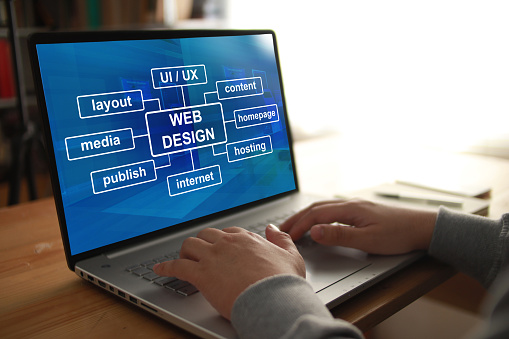
Anonymous person typing on laptop with web design program displayed on screen. UI UX website layout design concept

If you’re tired of working a traditional 9 to 5 job, or if you’re looking for a new way to make money, consider making your own web design side hustle. Web design is one of the fastest-growing fields in entrepreneurship and can be lucrative for those who know how to get the most out of it. And it’s not just about building websites; you’ll also learn about lead generation and marketing tactics that will help build your business faster than ever before.

Do you have a web design side hustle?

If you have a web design side hustle, you can make money building websites. There are many ways to get started with this kind of side hustle and it’s not as hard as it sounds.

You can build websites for clients, your own business or even just for fun!

Make the Case for Your Services

You need to make the case for why you are the person to build websites. You can do this by talking about:

  • What makes your website design unique and stand out from other websites
  • Why your skillset is needed in this industry, and how it will benefit both yourself and clients
  • The value that comes from working with someone who knows how to build sites well, as opposed to someone who doesn’t have any experience or knowledge of web development

Sales Funnel Creation

A sales funnel is a series of steps that someone must take to get your product. It’s not just about creating an online store and selling it—you need to put in the effort to create a sales funnel that will increase your revenue and profits.

A good way of thinking about this concept is as follows: you want people who are interested in buying from you, but don’t yet know what they want from you (or who has even heard of your company). Once they do find out more about themselves, their needs or wants will change, so it’s important for them to move forward through each stage until they’re ready for purchase.

The first step towards building up this process involves knowing exactly what type of person would benefit most from purchasing one item over another due strictly by its value proposition rather than comparing prices between similar products available elsewhere online (or offline). The second step involves identifying which features should be included within each stage so customers can easily navigate through the process without getting lost along the way!

Build a Website that Sells

Once you’ve built your website, make sure to add a call to action. This is the button that asks people to buy something or sign up for something. You can use this as an opportunity to build trust with your audience and show them how much value they get from using your product/service.

A good way of doing this is by making sure that:

  • Your site is mobile friendly;
  • You have a shopping cart feature available on the actual page (not just through an embedded one);
  • You use payment gateways like PayPal or Stripe; and

Build Your Positioning Statement

The first step to building your side hustle is to define the problem. If you’re having trouble coming up with a clear definition of what problem you’re solving, think about it this way: what do people want? What are they looking for?

Then, once you’ve got a good idea of what they want and why they might be interested in your service or product, it’s time to get specific. Your positioning statement should be short (3-6 sentences). It should also be straightforward and easy-to-understand so that anyone reading it can understand exactly how your business will solve their problems (and why).

For example: “I’m an online fitness coach who helps people get into shape without having any exercise experience.”

Build Your Lead Generating Machines

  • Build Your Lead Generating Machines
  • Create a Sales Funnel: A sales funnel is a series of steps that leads to converting people into customers. It’s key to building an effective website and marketing machine because it helps you capture leads at the right time in their journey, which will help you close more deals. You can use lead generation tools like Google Analytics, HubSpot Marketing Cloud, or Infusionsoft to analyze how visitors are interacting with your site, where they came from (i.e., search engines), what pages get them interested enough to contact you and so on—all this information will help determine what kind of content works best for each stage of the sale process before moving onto another step in order not only build trust but also encourage conversions as well as increase revenue per pageview by upselling products based off previous purchases made by existing clients (or new ones).

Build a Marketing Machine

You need to build a marketing machine.

That’s right, you have to be able to generate leads and close sales.

You can’t just sit there and wait for people to come from nowhere—you have to do something about it!

This might sound obvious, but it’s not as easy as you might think. If someone’s interested in your product or service but they don’t even know what it is yet (and who can blame them?), how will they find out? There are tons of ways this could happen: through social media channels like Facebook groups or Twitter feeds; by posting links throughout their own networks; or by simply showing up at an event near them and asking questions until they’re directed towards where they should go next with their questions/concerns/wants etc…

You can make money with your web design side hustle.

You can make money with your web design side hustle.

You can make money building websites with a web design side hustle.

You can make money building websites with a web design side hustle.

Conclusion

The question isn’t if you can do it, but how. We’ve taken the guesswork out of starting a web design side hustle by sharing our process so you don’t have to reinvent the wheel on your own. By following our tips and tricks, we hope this post has given you the confidence to take your web design skills into the world and make some extra money doing what you love!

Make Money Online with Your Freelance Web Design Skills

Freelancing is a great way to earn money, but it can also be tricky. If you’re new to the world of freelance work, it can be hard to know where and how to get started. But don’t worry! In this article we’ll walk through all the different ways that you can use your web design skills in order to start earning some extra cash online.

Start building your portfolio of work.

Your portfolio is a collection of examples of your work. It can be a website, or it can be a folder on your computer that has all the images in one place. The most important thing about your portfolio is that there should be a variety of projects and results from those projects in it, including some recent ones.

The goal here isn’t just to show off; it’s to show how much effort you put into each project and what kind of results you were able to achieve with them (if any). If possible, include screenshots from the final product so people know exactly what they’re seeing when they look at your site or other pieces online!

Use the magic of word-of-mouth.

Word-of-mouth is a powerful tool. It can be used to help you get your name out there and make money, but it’s important to know how to use that power for good.

The first thing you need to do is find people who would be willing to talk about what you do with them (this could be friends or family members). Then, when someone asks how they can refer someone else like yourself, tell them about your services and what makes them stand out from other freelancers in their field.

Once someone has referred another person who then hires YOU—you’ve just made $1 worth of work for yourself!

Get out into the world and network.

As you begin to build your freelance web design business, it’s important to get out into the world and network. You should:

  • Attend conferences and meetups around your area. This is a great way to meet other people in the industry and learn from them directly, as well as make connections with potential clients or partners who may be able to help you grow your business.
  • Join forums and online communities that focus on freelancing. These are great places where you can find valuable information about how people use technology in their lives or what they need from designers like yourself!
  • Ask for referrals from others who have used your services before (or even just known someone who has). You never know what kind of connections they may have made while working together…and if they don’t know anything about it yet then maybe now would be an opportune time!

Post on freelancing websites.

  • Post on freelancing websites.
  • If you have a web design portfolio, submit it to some of the most popular online job boards and marketplaces for freelance work. You can also look for opportunities on your own website’s blog or social media pages (if you have them).

Get specific about the work you want to do.

It’s important to be specific about the work you want to do. If you don’t know what exactly you can do, then it’s hard for people to find out about your skills and knowledge.

It’s also a good idea to write down some examples of past projects that demonstrate your skills as a freelancer so people can see how good your work is.

Think about going into business for yourself – be your own boss!

If you’re a freelancer with a great portfolio, it may be time to start thinking about going into business for yourself. You’ll have more freedom and less stress than if you were just working for someone else. Plus, there are some other benefits:

  • Less office politics – As an independent contractor, there are no office politics involved in your day-to-day activities. You can set your own hours and focus on what really matters when doing freelance web design work!
  • More money – While it is true that many people prefer being employees because they get health benefits and pay raises (and no risk of being laid off), those perks don’t necessarily translate into higher wages over time (or ever). In fact, according to [this article](https://www.forbes.com/sites/davidthomas/2017/04/18/why-it%E2%80%99s-harder-to-find-a-job), “The average hourly wage has grown only 0 percent since 1980.”

There are lots of ways to use your web design skills to earn money online.

There are lots of ways to use your web design skills to earn money online.

You can make money with your web design skills by working as a freelance web designer, or you can provide services such as graphic design and copywriting through websites that allow you to sell products or services. You could also create tutorials for people who want to learn how to do something themselves (like I did). Whatever the case may be, there are plenty of opportunities for making money using your web design skills!

Conclusion

Now that you know how, there are several ways that you can use your web design skills to make money. The first step is to start building a portfolio of work and get out into the world. Word-of-mouth is a great way to reach people because it takes less time than marketing yourself on social media or elsewhere online. People will see your work and be more likely to trust it if they have already heard about it from someone else!

9 Ways to Make Money as a Web Designer

money

If you’re a web designer, there are many ways to make money. The best part is that they don’t require any special skills or knowledge, just some time and effort on your part.

Freelance for small businesses

If you’re looking for a way to make money as a web designer, freelance for small businesses is an excellent option.

Small businesses are more likely than large ones to need your services and therefore have the potential for higher pay. Some examples of small businesses that could hire you include:

  • A local hairdresser or salon who needs new websites for their customers
  • An independent baker who needs websites for his/her bakery’s products (e.g., cupcakes)
  • A pet supply store that sells accessories such as leashes and toys

Write for a content website

Writing for a content website is the best way to make money as a web designer. A content website is basically any site that provides information or offers services in exchange for money, like a blog, email newsletter, or online course. You can find these types of sites by searching Google using the keywords “content website.”

If you’re interested in writing for one of these sites but don’t know where to start looking or what they look like, here are some tips:

  • First off, focus on finding high-quality pieces that are relevant to your target audience’s needs. This means writing about topics people care about—not just anything that comes up when you search Google! Next time someone asks what kind of articles should I write? The answer will always be “something different than what everyone else is doing.”
  • Once you have an idea for an article (or series), ask yourself this question: If someone were visiting my site right now and wanted more information about X topic Y topic Z…what would I write about? Don’t worry if it seems like too much work; there are plenty more opportunities coming up soon enough!

Operate a web development service

If you want to make money as a web designer, the best way is to operate your own online business. You can start by setting up a website with an online shop or store and advertising your services on social media, job boards, and other websites.

To build up an audience for this kind of business:

  • Create a business plan before starting anything else in order to make sure that it will be profitable in the long run (this includes hiring employees if necessary). It’s important that this plan has been approved by legal representatives so they know what kind of work they’re getting into before committing any time or money into operating such an enterprise.

Build websites for nonprofit organizations

If you have a web design background or can learn it quickly, there are many nonprofit organizations that would benefit from your skills. Nonprofit organizations are often underfunded and lack the budget to hire an agency to build their website. They may also have trouble finding time in their day-to-day schedules to focus on building a new website behind the scenes.

If this sounds like you, then building websites for nonprofits could be right up your alley! You’ll be able to use your skills as a web designer and make money at the same time by helping others get what they need done with their existing websites.

Create or sell your own WordPress themes

WordPress is a free and open source content management system (CMS). It’s used by over 60 million websites worldwide.

WordPress themes are the building blocks of any website, allowing you to customize the look and feel of your site. There are many different types of WordPress themes that can be purchased or downloaded from the WordPress Theme Repository (https://wordpress.org/themes).

The best way to get started with web design is by creating an original theme for your own blog, personal website or business site!

Become an affiliate for software and products you use.

Becoming an affiliate for software and products you use is a great way to earn money as a web designer. Affiliates are paid when people buy their products, which means you can help your customers save time and money by recommending the right product for them.

To become an affiliate, sign up with Amazon’s Associates program (or another reputable platform), then build relationships with other companies that offer similar services as yours. This will allow you to market products directly to people who are interested in what you have to offer!

Once you’ve selected some products worth promoting (and hopefully created some valuable content) start sending out emails encouraging people who visit your site or make purchases on Amazon – especially if they’re new customers – to check out their store while they’re there browsing around online shopping sites like Etsy or Shopify etcetera…

Make video tutorials

You can make money by creating tutorials. A tutorial is a video that teaches someone how to do something in a specific field, like web design or software development.

You can sell your tutorials on your own website, but there are also several other options available:

  • Udemy – https://www.udemy.com///
  • YouTube – https://www.youtube. (make sure you have an account)

Start your own blog or website

If you want to make money as a web designer, the best way is to start your own blog or website. This can be done with WordPress since it’s free and easy to use. You can also use Squarespace or Wix if you have a few hundred dollars lying around (or better yet, hire someone who does this for a living).

The first step in building your audience is choosing the topic that interests you most. If there’s something specific that interests me, such as cooking or technology news articles on my site then I stick with those topics when creating content for my readers!

Next up? Making sure that everything about the website itself is high quality! It doesn’t matter how much traffic comes through; if people don’t enjoy spending time on something then they’ll leave after 5 seconds (or less). Don’t waste their time—make sure everything looks amazing so they keep coming back again & again!

Sell stock photography or stock graphics

Stock photography and graphics are a great way to make money as a web designer.

Stock photos and stock graphics are used in many designs, so designers can easily sell their work on sites like Shutterstock or DepositPhotos. You can also set up your own website, or affiliate sites with these companies that will pay you when people buy the same images you’re selling on your site.

There are many ways to earn money if you are a web designer

There are many ways to make money as a web designer. If you’re just starting out, it can be hard to know where to begin. Here are some of the most popular options:

  • Create a website for yourself or your business. You will probably want to build your own site first, rather than design one based on someone else’s idea. To build a website that looks professional and is easy for visitors to navigate, use HTML5 and CSS3 (or similar coding languages) instead of older versions of these technologies like PHP or ASP; this makes sure that everything works well across all devices including mobile phones and tablets—a big plus if you want more people accessing your site from anywhere at any time!
  • Write articles for content websites like EzineArticles which pay $100-$200 per article depending on length/quality standards set by editorial staff members who manage each individual publication’s content pages before publishing them online so readers know what kind of quality they’re getting before committing money into purchasing subscriptions services offered by those same businesses online stores.”

Conclusion

In this article, we’ve covered some of the many ways that you can make money as a web designer. In the end, it comes down to what kind of work you enjoy doing and how much time you have available. The opportunities are endless in this field—so choose one that works best with your schedule!

What is the best free website builder?

If you’re looking for a free website builder, there are many options. The best free website builder will be easy to use and fit your budget.

Introduction

A website builder is a tool that allows you to create a website from scratch. A website builder usually comes with many pre-built templates and themes, which you can customize further or use as is. There are two types of website builders available: paid and freeware.

Paid services usually cost money and provide additional features such as unlimited pages/widgets and more advanced functions like social media integration, contact forms etc., whereas for free ones there’s no charge involved at all! They both have their advantages though so let’s take a look at them individually below:

What is the best free website builder?

The best free website builder is the one that’s right for you. There are a lot of options, but if you’re not sure where to start or what features are important to you, here are some things to consider:

  • What’s your budget? Free website builders tend to be more limited than paid ones (they don’t have the ability to create complex websites with advanced functionality), so it’s important that they meet your business needs without costing too much money.
  • How many people will use this site? If only one person will be accessing your site on a regular basis—like an employee who regularly needs access—then it doesn’t matter as much if there aren’t as many bells and whistles built into the software; however, if multiple people are accessing it regularly and need lots of features like social media integration, then having those tools available will make things easier for everyone involved.

WordPress

WordPress is the most popular content management system (CMS) in use on the Web, powering more than 28% of all websites. It’s also free and open source, so you can customize your site’s look and feel with a wide range of themes or templates.

WordPress provides features like unlimited pages, blogging capabilities and an easy way to add plugins that extend its functionality further. The main drawback to using WordPress as a website builder is that it doesn’t allow you to create unique layouts or design elements; instead you’ll be limited by what they provide out-of-the-box with their starter plans.

Wix – Free Website Builder Platform

Wix is a free website builder platform that has over 100 million users. The drag and drop editor makes it easy to build your site quickly, while the large selection of templates make building your site fun and easy. Wix offers mobile apps for iOS and Android devices, so you can easily create an interactive website on the go!

Weebly – Website Building Platform

Weebly is a free website builder that has a drag and drop interface, making it easy to create your own sites. The site also has a simple design and is easy to use for both beginners and experts alike. Weebly was created by Dave King, who wanted to make building websites simple for anyone who wants to create an online presence in just minutes. Weebly offers an extensive selection of templates that can be customized however you like them, but if you’re looking for something more original then there are plenty of options available on their marketplace such as Shopify themes or custom domains from GoDaddy!

In addition to its many features, Weebly offers free trials so users can test drive their product before committing!

IM-Creator – Free Website Builder Platform

IM-Creator is a free website builder platform that makes it easy to create beautiful websites. The platform has a mobile-friendly design, which means you can use their tools on any device—including phones and tablets. It also has an intuitive interface and plenty of features for beginners to learn how to build their own website quickly.

The site offers many different templates for you to choose from when building your website, so there’s no need to worry about getting stuck with something that doesn’t fit your needs. If you’re looking for something more custom tailored based on what kind of business or organization you want it would be nice too!

Strikingly – Website Builder for Mobile Devices

Strikingly is a great option for small businesses. It has a mobile-friendly design and is easy to use, with drag-and-drop functionality that allows you to add content in seconds. The platform also offers extensive customization options, including social media sharing buttons and more than 50 pre-built templates.

One of the best things about Strikingly is that it’s free! This means you don’t have to worry about paying an annual fee or having your site hosted on their servers—all features are included in the package price (no hidden fees).

Jimdo – Free Website Builder

Jimdo is a free website builder that makes it easy to create your own site. The company offers a wide range of templates, features and options that can be customized to fit your needs. You can also upload images and videos from the web, or even add video content directly into your site.

Jimdo’s interface is simple to use, with no coding required at all (though if you want to get more creative with design elements or add additional features like email capture forms or contact forms then they do offer paid plans). Its drag-and-drop interface makes adding content quick and easy – but just make sure not too many things are going on at once because there’s only so much server space available!

The best free website builder will be easy to use and fit your budget.

When choosing a free website builder, it’s important to look for one that will be easy to use and fit your budget. A good free website builder should have a user-friendly interface, so you don’t get lost in the process of creating a site. It should also be easy to customize the site after it has been built—for example, by adding different content elements or changing colors throughout the site.

In addition to its ease of use, another key feature is how customizable it is: some free websites allow people with limited technical skills (such as beginners) to build professional-looking sites without having any knowledge about coding languages like HTML5/CSS3 nor any experience with graphic design software such as Photoshop or Illustrator (which may cost hundreds of dollars).

Conclusion

We hope that this article has helped you make an informed decision about your next website builder. Hopefully, these four options will suit your needs and budget just right. However, it’s important to remember that there are many others out there in the world of free website builders too! There are lots more options out there, so keep looking around if this list doesn’t have something for you yet.

What is the best drag-and-drop web design builder?

Drag-and-drop web design is a powerful tool for creating websites quickly and easily. In this article, we’ll examine some of the best drag-and-drop builders available online so that you can make the best decision for your business.

Webflow

Webflow is a cloud-based web design tool that allows you to create responsive websites without writing code. It has a drag and drop interface, which makes it easy to use. There are templates available for you to use, or you can start from scratch.

Weebly

If you’re looking for a drag-and-drop website builder, Weebly is the best. It offers a free plan and paid plans with different features and pricing options. The free plan includes an unlimited number of pages, but there are no custom domain names or hosting included in this tier. The paid plans start at $8 per month for basic features like email notifications, access to advanced tools like Google Analytics integration and unlimited file uploads with SSL encryption enabled.

Weebly has been around since 2006 so it has built up quite an impressive reputation among web developers as well as users who want simple tools that work well without any headaches associated with setting up new accounts every time they need something new added onto their site (which can be frustrating if you don’t know where everything goes).

Wix

Wix is a popular drag-and-drop builder that’s used by more than 30 million people worldwide. It has an extensive library of templates, so you can quickly get started building your website without having to code any HTML or CSS yourself.

Wix offers a wide range of features, including:

  • The ability to create multiple pages on your site (including blogs) using the same template; this means you don’t have to spend time creating unique pages for each section of content on your site.
  • A simple interface that makes it easy for anyone who isn’t familiar with coding languages like HTML5/CSS3 or PHP/MySQL—you don’t need any technical knowledge at all!

Squarespace

Squarespace is a good option if you need a simple website. It’s also great for online stores and other ecommerce platforms. If you’re just getting started in web design, this platform will be perfect for your needs.

Squarespace has everything you need to get started with drag and drop web design, but it does come at an extra cost compared to other options: $15/month (or $25/year) compared with $9/month or $12/year on other platforms like Wix or Weebly (for example).

Sitepad

Sitepad is a drag-and-drop web design builder that has a free plan, as well as paid plans. The free plan allows you to create up to 3 websites, but it doesn’t give you access to all of the features on their paid plans.

The paid plans are more expensive than other options and allow you to create unlimited websites with ease, but they do not have drag-and-drop functionality like other builders do (it’s an extra feature).

It depends on your needs and budget.

If you’re looking for a web designer who can build a lot of pages, Webflow is the best drag-and-drop builder. It has more features than Squarespace and Wix, but it’s not as easy to use as Weebly or even Easy Digital Downloads (EDD).

You’ll have access to templates that come with website themes and design elements like headers, footers and backgrounds. You can also add social media buttons on your website if you need them.

If you want something simpler than Weebly but still want some powerful tools at your disposal—like editing HTML code directly inside the builder—You should check out Squarespace instead!

Conclusion

Drag and drop web design is the future of web design, and we’re already seeing major websites like Facebook and Google adopting it. But no matter which tool you choose, it can be confusing when choosing the right one. In this post we’ve highlighted some of the most popular tools on the market today, but there are plenty other options out there as well! What do you think? Which tool do you use? Let us know in the comments below.

What is the most reliable web hosting company?

When you are looking to start your own business, web hosting is one of the most important aspects. It’s what allows you to connect with customers and other businesses on the Internet, which means that if you’re not able to find a reliable host provider, then your website will never get off the ground! In this article, we’ll discuss how to choose the best web host for your needs and what factors should be considered when making this decision.

What is web hosting?

Web hosting is the process of storing and distributing files on a server. It also refers to delivering content to your users. The term “web hosting” can be used interchangeably with other terms such as:

  • Hosting services
  • Virtual private servers (VPS)
  • Dedicated servers

What to look for in a host

  • Reliability
  • Support
  • Price
  • Features, such as cPanel, PHP 5 and MySQL support (if you need them)

Security is also a big factor when choosing a web host. You want to make sure that your site will be safe from hackers and viruses.

Choosing the best hosting service

When you’re looking for the most reliable web hosting provider, there are a few things to consider. Reliability is one of the most important factors in choosing a service provider. You want to make sure that they can be trusted with your data and won’t go out of business or let you down when things get tough.

Support is another important factor to consider when choosing your web host. Do they offer 24/7 support? Is their customer service team available by phone or email at all hours of the day (or night)? What kind of response time do they promise on ticket responses?

Costs vary greatly depending on which plan you choose and how many sites will be hosted under that plan—but generally speaking, smaller websites tend to require less resources than larger ones do; therefore they’ll cost less money per month than large ones do too! As well as these two main considerations when picking out an affordable hosting provider: features like cPanel vs Plesk vs DirectAdmin vs WHMCS etc., security measures taken by each particular company including whether it uses 256bit SSL certificates for all its servers worldwide.”

When you are choosing a hosting company, make sure you know what you’re looking for.

When choosing a web hosting company, it’s important to do your research. You need to know what kind of service and support they offer before signing up with them.

When looking at companies that offer shared hosting and VPS hosting services, make sure they have good customer service policies and will help customers in any way possible. It’s also important that the company has a good reputation for providing reliable servers and support for clients around the world so that when you contact them about something related to your website or server maintenance issues, there won’t be any delays in getting those issues resolved quickly!

Conclusion

If you’re in the market for a new web hosting provider, you need to make sure that they are offering what you need. We have looked at some of the best services available and highlighted their key features so that you can choose an excellent platform for your business or website.


Tremhost is a great web hosting company: https://tremhost.com/sharedhosting.html

Which is the best VPS control panel?

Choosing a VPS control panel is a choice that you need to make carefully. You don’t want to just go with the first one you like because it’s easy and convenient, but rather choose something that will fit your needs and keep your website running smoothly.

cPanel

cPanel is a powerful and easy to use control panel. It is used by over 2 million web hosts, so it’s no surprise that this is one of the most popular web hosting control panels.

cPanel offers many features such as email accounts, database management, file transfers, domain registration and more. You can also create your own custom panels using templates provided by cPanel. This makes it easy for beginners to get started with hosting on your site without having to worry about how everything works together!

Plesk

Plesk is a web hosting control panel that has been around for many years, and it’s one of the most popular options for VPS hosting. It’s also very powerful, easy to use and has an intuitive interface.

If you’re looking for something similar to cPanel but don’t want to pay as much money (or if you want something better than cPanel), then this might be an option for you!

Plesk gives users access to all their server settings like IP address allocation, email addresses and databases without having any knowledge about how these things work with Linux servers or servers in general – making it ideal for newbies who might not know what they’re doing yet but still want access to their virtual machines so they can learn more about them later down the road when needed.”

DirectAdmin

DirectAdmin is a free, open source control panel that’s very simple to use. There is no backup system and it doesn’t offer the same level of security as other systems do. The control panel itself is buggy, too: it can take hours or even days before your website will go live after you’ve installed it (and this may vary depending on how many plugins you’re using). It also isn’t suitable for large sites or high traffic sites—it may not even be able to handle your entire site at once!

ISPManager

ISPManager is a good solution for small and medium businesses. It’s also one of the most affordable VPS hosting providers around.

In terms of price/performance ratio, ISPManager has a very competitive offering with its plans starting at $3 per month (for example). With this provider you get all features that you need in order to run your virtual private server (VPS) efficiently like:

  • Manageable CPU usage;
  • High-performing RAM;
  • Bandwidth control;
  • Ready-to-use operating system images preinstalled on each server instance when purchased from them or by yourself after purchasing it via an image file on their website (see image below).

InterWorx

InterWorx is a web-based control panel that is easy to use and has a large community of users. It’s also not as popular as cPanel or Plesk, but it’s still very good for managing your server.

Like many other VPS providers, InterWorx offers both Free and Premium plans with different features available in each one (such as unlimited storage space). The main difference between the two levels comes down to how much RAM you get on each plan—Premium gives you twice as much RAM at 3GB per server; Free gives you 1GB at no cost!

which is the best VPS control panel?

When it comes to VPS control panels, there are many different options available. There are also a lot of different reasons why someone would want a specific control panel, so the choice can be difficult if you’re not sure what you need. To help you decide which one is right for your needs and budget, we’ve put together this guide with our top picks: cPanel, Plesk and DirectAdmin (formerly known as Webmin), ISPManager (formerly known as Nginx Manager), InterWorx

Conclusion

All these control panels are great, but they each have their strengths and weaknesses. Some of them are easier to use than others. If that’s what you’re looking for, then I’d recommend cPanel because it has more options available to you than any other VPS control panel out there. It’s also very easy to use once you’ve gotten used to all its features!