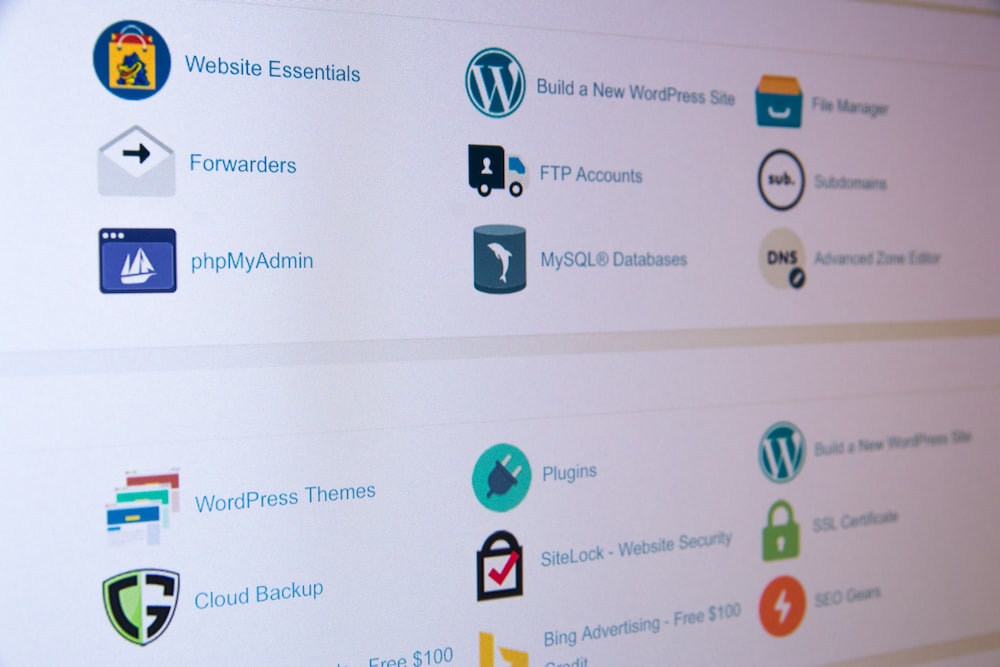





cPanel is one of the most popular web hosting control panels used by website owners to manage their hosting accounts and websites. This beginner’s guide will help you understand what cPanel is, its features, and how to use it effectively.
What is cPanel?
cPanel is a web-based control panel that allows users to manage their web hosting services through a graphical interface. It simplifies the management of websites, domains, emails, databases, and various other aspects of web hosting.
Key Features of cPanel
- User-Friendly Interface
- cPanel offers a straightforward, easy-to-navigate interface, making it accessible for users with varying levels of technical expertise.
- Domain Management
- Users can add, remove, and manage domains and subdomains directly from cPanel.
- File Management
- cPanel includes a file manager that allows users to upload, delete, and manage files on their web server without needing an FTP client.
- Email Management
- Users can create and manage email accounts associated with their domains, set up email forwarding, and configure autoresponders.
- Database Management
- cPanel provides tools for creating and managing databases, including MySQL databases, which are essential for dynamic websites.
- Backup and Restore
- Users can create backups of their website files and databases, as well as restore them if needed.
- Security Features
- cPanel includes various security tools, such as password protection for directories, SSL certificate management, and IP address blocking.
- Software Installation
- cPanel supports one-click installations of popular applications and content management systems (CMS) like WordPress, Joomla, and Drupal through tools like Softaculous.
How to Access cPanel
- Login URL
- cPanel is typically accessed by visiting a specific URL provided by your web host, often in the format
http://yourdomain.com/cpanelorhttp://cpanel.yourdomain.com.
- cPanel is typically accessed by visiting a specific URL provided by your web host, often in the format
- Login Credentials
- Use the username and password provided by your hosting provider to log in.
Basic Navigation in cPanel
- Dashboard Overview
- After logging in, you’ll see the cPanel dashboard, which contains icons for various features and tools.
- Sections
- The dashboard is usually organized into sections such as:
- Files: For file management and backups.
- Domains: For managing domain settings.
- Email: For email account management.
- Databases: For database management.
- Metrics: To view website statistics.
- Security: For managing security settings.
- The dashboard is usually organized into sections such as:
Common Tasks in cPanel
1. Creating an Email Account
- Navigate to the Email Accounts section.
- Click on Add Email Account and fill in the required information (username, password, etc.).
- Save the settings.
2. Uploading Files
- Go to the File Manager.
- Navigate to the desired directory (e.g., public_html for your website).
- Click on Upload and select files from your computer.
3. Installing WordPress
- Find the Softaculous Apps Installer or WordPress Installer in the cPanel dashboard.
- Follow the prompts to complete the installation process.
4. Creating a Database
- Go to the MySQL Databases section.
- Create a new database and user, assigning the necessary permissions.
Conclusion
cPanel is a powerful tool that simplifies the management of your web hosting account. With its user-friendly interface and comprehensive features, it allows you to handle everything from domain management to email setup and software installation. Whether you’re a beginner or an experienced web developer, understanding how to use cPanel effectively can enhance your web hosting experience and streamline your website management tasks.


