


Causes
- Climate Change
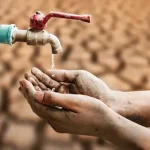
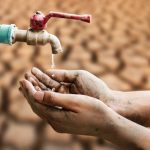
- Droughts: Increased frequency and intensity of droughts reduce available water resources.
- Temperature Rise: Higher temperatures lead to increased evaporation rates, exacerbating water shortages.
- Population Growth
- Urbanization: Rapid population growth, especially in urban areas, increases demand for water.
- Agricultural Needs: Expanding agricultural activities require more water, placing additional pressure on resources.
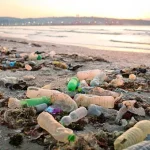
- Pollution
- Industrial Waste: Contamination from industrial activities affects water quality and availability.
- Agricultural Runoff: Pesticides and fertilizers can pollute water sources, making them unsafe for consumption.
- Inefficient Water Use
- Leakage: Aging infrastructure leads to significant water loss through leaks.
- Agricultural Practices: Inefficient irrigation methods waste water, particularly in commercial farming.
- Over-extraction
- Groundwater Depletion: Unsustainable extraction of groundwater resources diminishes long-term availability.
- Surface Water Overuse: Rivers and lakes are over-extracted for agricultural and industrial use.
Solutions
- Water Conservation Practices
- Public Awareness Campaigns: Educating communities about water-saving techniques can reduce consumption.
- Rainwater Harvesting: Encouraging the collection of rainwater for domestic and agricultural use can supplement water supply.
- Improving Infrastructure
- Leak Repairs: Investing in the repair and maintenance of water supply systems to minimize leaks and losses.
- Water Recycling: Implementing wastewater treatment and recycling systems for non-potable uses.
- Sustainable Agricultural Practices
- Drip Irrigation: Promoting efficient irrigation methods that minimize water usage in agriculture.
- Crop Selection: Encouraging the use of drought-resistant crops can reduce water dependency.
- Enhanced Water Management Policies
- Integrated Water Resource Management (IWRM): Developing comprehensive policies that consider all aspects of water use and management.
- Regulation of Water Use: Implementing stricter regulations on water extraction and usage, particularly in agriculture and industry.
- Investment in Technology
- Desalination: Exploring desalination technologies to convert seawater into potable water, especially for coastal regions.
- Smart Water Management: Utilizing technology for monitoring water usage and improving distribution efficiency.
Conclusion
Addressing water scarcity in South Africa requires a multifaceted approach that combines conservation, infrastructure improvement, sustainable practices, and effective policy frameworks. By implementing these solutions, the country can enhance its water resilience and ensure a sustainable water future.


