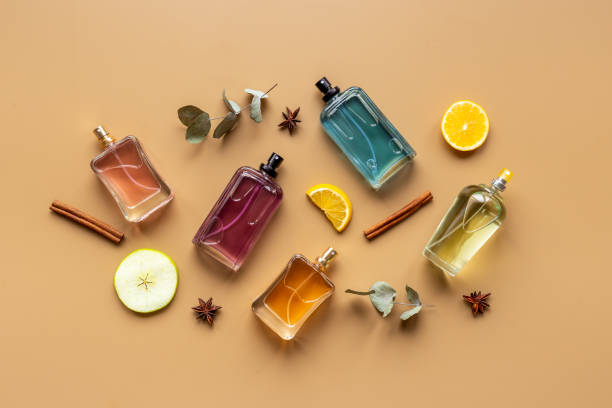

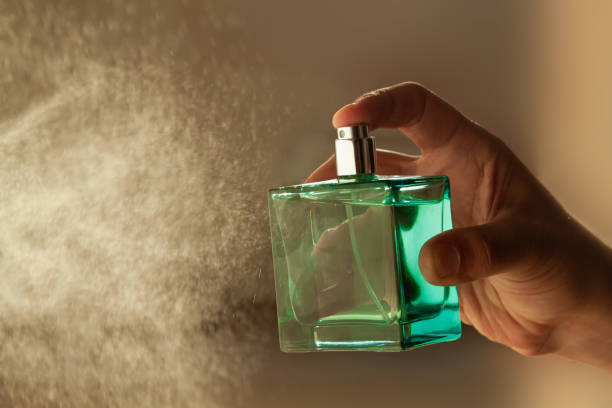

Walk into any fragrance store and you’ll immediately notice the shelves divide scents into categories: perfume, cologne, maybe even a few “eaux” in between—like eau de toilette or eau de parfum. But here’s the truth: while many people think perfume is “for women” and cologne is “for men,” that’s actually a misconception. The difference between the two lies not in gender, but in something much more scientific—concentration and composition.
Let’s break it down.
1. The Science of Fragrance Concentration
Every fragrance begins with a blend of aromatic oils (the essence of the fragrance itself), alcohol (to disperse it), and sometimes a bit of water. The ratio of these components determines how strong the scent is and how long it lasts.
Here’s the general hierarchy of fragrance concentrations:
- Parfum (Extrait de Parfum): The richest, with around 20–30% aromatic concentration. Longest lasting—sometimes 8+ hours on the skin.
- Eau de Parfum (EDP): A notch down, usually 15–20% concentration. Typically lasts 4–6 hours.
- Eau de Toilette (EDT): Around 5–15% concentration. Lighter, fresher, and more subtle, often lasting about 3–4 hours.
- Eau de Cologne (EDC): Rarely over 2–5% concentration. It’s light, airy, and great for a quick refresh—but evaporates fastest.
- Splash/Mists: Barely 1–2%, intended for a fleeting scent burst.
So when people say “perfume” they’re usually referring to higher concentrations (EDP or parfum), whereas “cologne” most often belongs to the lightest end of this spectrum.
2. Why the Gender Confusion?
Back in the early 20th century, marketing departments began categorizing stronger scents packaged for women as “perfume” and lighter scents designed for men as “cologne.” That’s where the gender association was born.
In reality, the notes (floral, woody, citrus, spicy, etc.) determine fragrance families—not concentration. You can absolutely find colognes that smell floral and perfumes that smell earthy and rugged. It’s more about personal preference than supposed gender rules.
3. Staying Power: What Lasts Longer?
The answer is simple: perfume (and eau de parfum) generally lingers longer because of higher oil concentration, while cologne offers a more fleeting experience.
- Perfume: Ideal for all-day wear or evenings where you don’t want to reapply.
- Cologne: Perfect for warm days, casual outings, or layering if you prefer a constant “fresh restart.”
4. Application Matters Too
Even with concentration, where you apply can change how long a fragrance sticks around. Apply to pulse points—wrists, behind the ears, collarbone, or inner elbows—since heat helps project the scent. Some even mist clothing lightly, though fabrics can sometimes hold fragrance differently.
A quick tip: Don’t rub your wrists together after spraying. It breaks down the fragrance molecules prematurely and can distort the scent.
5. Which One Should You Choose?
It all comes down to your lifestyle and personal taste:
- Go with Perfume/EDP if you want something richer, longer lasting, and with more depth. It’s often better suited for evenings, special events, or cooler weather.
- Opt for Cologne/EDC if you prefer a light, refreshing scent that doesn’t overstay its welcome—perfect for daytime, post-gym, or summer.
And remember: fragrances have no gender. The real difference is concentration, not whether it’s “meant” for men or women.
Final Thoughts
Perfume vs Cologne isn’t a battle—it’s a matter of strength and style. Perfume offers longevity and intensity, while cologne gives you a breezy, casual option that fades gracefully. The best fragrance for you is the one that makes you feel confident, comfortable, and authentically you.
So the next time you’re sampling scents at the counter, you’ll know: you’re not choosing between “for him” or “for her”—you’re choosing how bold or subtle you want your scent story to be.