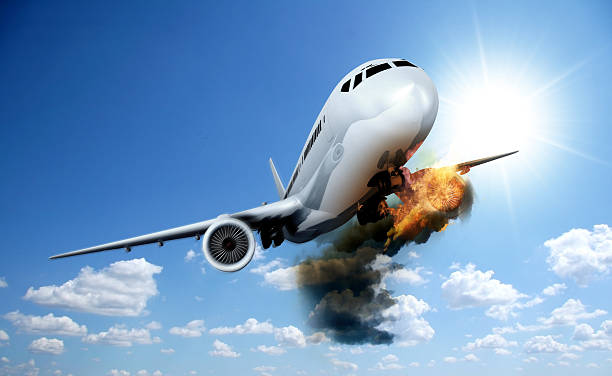

In the vast expanse of the sky, where humans dare to soar, lies a realm of uncertainty and potential danger. However, the aviation industry has developed robust protocols and procedures to address emergencies swiftly and effectively. In this essay, we explore how airplanes handle emergencies, specifically focusing on engine failure and medical emergencies. Join me as we delve into the meticulous preparations, skilled personnel, and advanced technologies that enable airplanes to navigate crisis situations, ensuring the safety and well-being of passengers and crew.
I. Engine Failure:
One of the most critical emergencies an airplane can face is an engine failure. Engine failures can occur due to various reasons, such as mechanical malfunctions, fuel supply issues, or external factors like bird strikes. When an engine failure occurs, pilots are trained to follow standardized procedures to ensure the safety of the aircraft and its occupants.
a. Immediate Response:
In the event of an engine failure, pilots must quickly assess the situation and take immediate action. This includes maintaining control of the aircraft, identifying the failed engine, and initiating emergency checklists.
b. Diversion and Landing:
Depending on the severity of the engine failure and the proximity to suitable airports, pilots may choose to divert the aircraft to the nearest suitable runway for landing. The decision to land may involve considerations such as weather conditions, fuel availability, and the availability of emergency services.
c. Crew Coordination and Communication:
During an engine failure, effective crew coordination and communication are vital. Pilots work in tandem with air traffic control to navigate the aircraft safely, while flight attendants ensure passengers are informed and prepared for the situation.
II. Medical Emergencies:
Medical emergencies can occur during flights, ranging from minor ailments to life-threatening situations. Airlines have procedures in place to respond to medical emergencies and provide necessary aid to affected passengers.
a. Onboard Medical Kits and Trained Personnel:
Airlines equip their aircraft with medical kits containing essential supplies and medications to address common medical issues. Additionally, some airlines have trained cabin crew members, known as cabin crew medics, who receive medical training to handle emergencies.
b. Communication with Ground Medical Support:
In more serious medical emergencies, the flight crew may establish communication with medical professionals on the ground, either through onboard telemedicine systems or direct radio communication. This allows for real-time consultation and guidance in managing the situation.
c. Diversion and Medical Assistance:
In critical medical situations, pilots may decide to divert the aircraft to the nearest suitable airport with medical facilities on the ground. This ensures that the affected passenger receives prompt and appropriate medical attention.
III. Training and Preparedness:
The aviation industry places great emphasis on training and preparedness to handle emergencies. Pilots and cabin crew undergo rigorous training programs that include emergency procedures, simulations, and recurrent training to maintain their skills and knowledge.
a. Emergency Drills and Simulations:
Flight crews regularly participate in emergency drills and simulations, which simulate various scenarios and test their ability to respond calmly and efficiently. These exercises help build muscle memory and enhance decision-making skills under pressure.
b. Regulatory Standards and Guidelines:
Airline operations are governed by strict regulatory standards and guidelines established by aviation authorities. These regulations ensure that airlines have comprehensive emergency response plans, including procedures for engine failures, medical emergencies, and other critical situations.
When confronted with emergencies such as engine failures or medical crises, airplanes are equipped with meticulous plans, highly trained personnel, and advanced technologies to ensure the safety and well-being of those onboard. The aviation industry’s commitment to preparedness, training, and adherence to regulatory standards is paramount in handling emergencies effectively. By embracing a culture of safety and continuous improvement, airlines strive to minimize risks and provide passengers with a secure and reliable means of air travel. In the face of adversity, airplanes navigate crisis with precision, instilling confidence in the skies and fostering a sense of security for all who embark on their journeys.
Related posts:
 What are some of the potential risks of advanced AI technologies?
 Tremhost: Best-In-Class Master Reseller Hosting Solutions Now Available in India
 The Benefits of Mindfulness Practices in Reducing Stress, Improving Focus, and Enhancing Overall Wellbeing
 Can ChatGPT be used to generate summaries of long articles?