

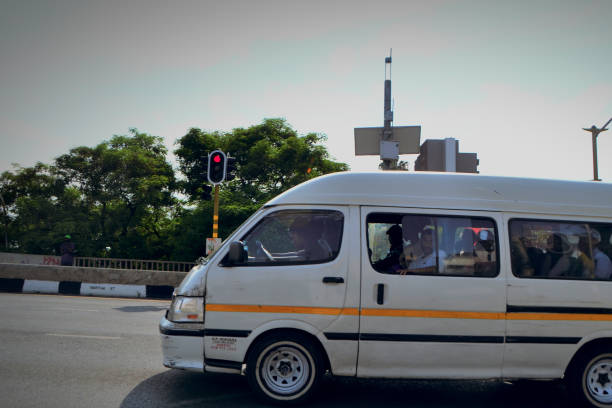

For many Zimbabweans, the daily commute is an adventure, a comedy show, and a test of endurance all rolled into one. The iconic kombi, a privately-owned minibus, is the lifeblood of urban transport, a rolling microcosm of Zimbabwean society where stories are born, friendships are forged (sometimes in the heat of a debate), and survival skills are honed. This is a tribute to the daily grind, a collection of hilarious tales and essential survival tips for navigating the wild world of the kombi commute.
The Unwritten Rules of Kombi Engagement: A Survivor’s Guide
Stepping into a kombi is to enter a world with its own unique set of rules and etiquette. For the uninitiated, it can be a daunting experience. But fear not, with these survival tips, you’ll be navigating the kombi ranks like a seasoned pro.
First and foremost, have your fare ready. There’s an unspoken understanding that you should have your money easily accessible. Fumbling for cash when the windi (conductor) demands it is a rookie mistake that will earn you disapproving glares. And speaking of fares, the issue of change is a perennial problem. To avoid the back-and-forth and the potential of being “married” to a fellow passenger to sort out change, try to have smaller denominations. Some savvy commuters suggest getting ZiG coins or notes from a bank or designated booths at the terminus to avoid the hassle altogether.
Seating is another crucial aspect of the kombi experience. The unwritten rule is to slide in and make room for others. The kombi is a space of shared, and often cramped, existence. And a word to the wise: avoid peeping at your neighbour’s phone. While you’re sharing a ride, you’re not sharing lives.
Hilarious Tales from the Commuter Frontlines
Every kombi ride is a potential source of a good story. From the absurd to the downright comical, the daily commute is a stage for unforgettable moments.
One common source of amusement is the “overtime” fare debate. As evening approaches, some conductors declare an impromptu price hike, citing that they are now working “overtime.” This often leads to a spirited debate, with passengers uniting in protest, sometimes in a chorus of multiple languages.
Then there are the characters you meet. The preacher who delivers a fire-and-brimstone sermon between bus stops, the vendor hawking everything from “miracle” herbs to the latest gadgets, and the aspiring musician whose mixtape becomes the reluctant soundtrack for your journey. These encounters are a reminder that a kombi is more than just a mode of transport; it’s a moving theatre of Zimbabwean life.
And who can forget the conductors themselves? With their unique slang and witty commentary, they are the masters of ceremony on this daily stage. Their shouts of “Kusvika pa corner!” (to the corner) or “Huyai mutaure!” (come and talk) are part of the urban soundscape. Their interactions with passengers, from playful banter to heated arguments over change, are the stuff of legend.
The Language of the Kombi: A Mini-Glossary
To truly immerse yourself in the kombi experience, you need to understand the lingo. Here are a few essential terms:
- Windi: The conductor, the person who collects the fare and often hangs precariously from the doorway.
- Hwindi: A more general term for the touts and conductors at the ranks.
- “Kudonhedza”: To be dropped off.
- “Mushikashika”: The smaller, often unregistered pirate taxis that are a common, albeit risky, alternative.
- “Rank Marshall”: The self-appointed organizers at the kombi terminus who control the queues.
The kombi is a uniquely Zimbabwean institution. It’s a place of chaos and order, frustration and laughter. It’s where you’ll witness the resilience, humour, and camaraderie of the Zimbabwean people. So next time you hop into a kombi, remember these chronicles. You’re not just on a commute; you’re part of a story.