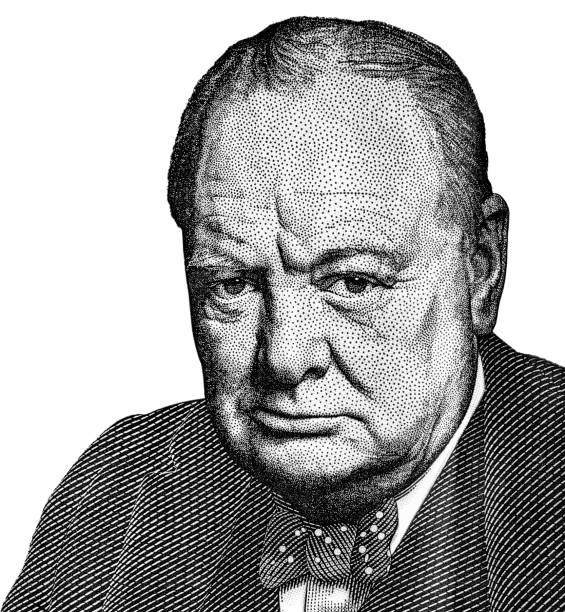

When we think of Winston Churchill, we picture the bulldog-like Prime Minister who led Britain through its darkest hour in World War II. But Churchill’s path to glory was anything but smooth. In fact, his career was filled with failures, setbacks, and even national embarrassment.
Yet it was precisely those failures that forged the man who would later stand unshaken against Nazi Germany.
Here’s how Churchill’s “failures” made him a World War II hero.
Early Ambitions and Rocky Political Start
Churchill was born in 1874 into a prominent family, but privilege didn’t shield him from challenges.
-
He struggled in school, often ranking near the bottom of his class.
-
As a young politician, his fiery speeches and bold opinions earned him more enemies than allies.
-
He frequently switched political parties (from Conservative to Liberal and back), which made many distrust him.
Still, Churchill never shied away from risk — a trait that defined his career, for better and worse.
The Gallipoli Disaster (1915)
One of Churchill’s greatest failures came during World War I. As First Lord of the Admiralty, he championed the Gallipoli Campaign, an ambitious naval assault against the Ottoman Empire.
The operation was a disaster:
-
Poor planning and execution led to heavy Allied casualties.
-
Britain suffered a humiliating defeat.
-
Churchill was blamed and forced to resign.
The failure haunted him for years, and his reputation was badly damaged. Many thought his career was over.
The Wilderness Years (1930s)
During the 1930s, Churchill’s political influence declined even further.
-
He was out of government office, often dismissed as a loud, outdated voice.
-
He warned repeatedly about the dangers of Nazi Germany while most leaders preferred appeasement.
-
Critics labeled him an alarmist, and newspapers mocked him as a relic of the past.
But these years of isolation hardened Churchill’s resolve. When war finally broke out in 1939, his warnings suddenly seemed prophetic.
Redemption in World War II
When Germany invaded Poland in 1939, Britain was thrown into war. In May 1940, with France collapsing and Britain on the brink of invasion, Churchill became Prime Minister.
This time, the qualities once seen as flaws — his stubbornness, boldness, and fiery rhetoric — became strengths.
-
He rallied Britain with powerful speeches: “We shall fight on the beaches…”
-
He refused to negotiate with Hitler, insisting on total resistance.
-
He built alliances with the United States and the Soviet Union, laying the foundation for ultimate victory.
Churchill’s leadership during the Battle of Britain and beyond cemented his place as one of history’s great wartime leaders.
Failures as Fuel for Greatness
Churchill’s earlier failures gave him qualities essential for his World War II success:
-
Resilience: Gallipoli taught him to endure humiliation and keep moving forward.
-
Foresight: His “wilderness years” sharpened his ability to see dangers others ignored.
-
Courage in Crisis: His setbacks prepared him to face the greatest crisis Britain ever encountered.
-
Unshakeable Willpower: Having been underestimated for decades, Churchill learned to stand firm when it mattered most.
Final Thoughts
Winston Churchill’s story proves that failure is not the opposite of success—it is part of it. Without his blunders and years in the political wilderness, he might never have developed the resilience, foresight, and grit that made him the leader Britain needed in World War II.
In the end, it was Churchill’s failures that prepared him to become the hero of his nation’s finest hour.