


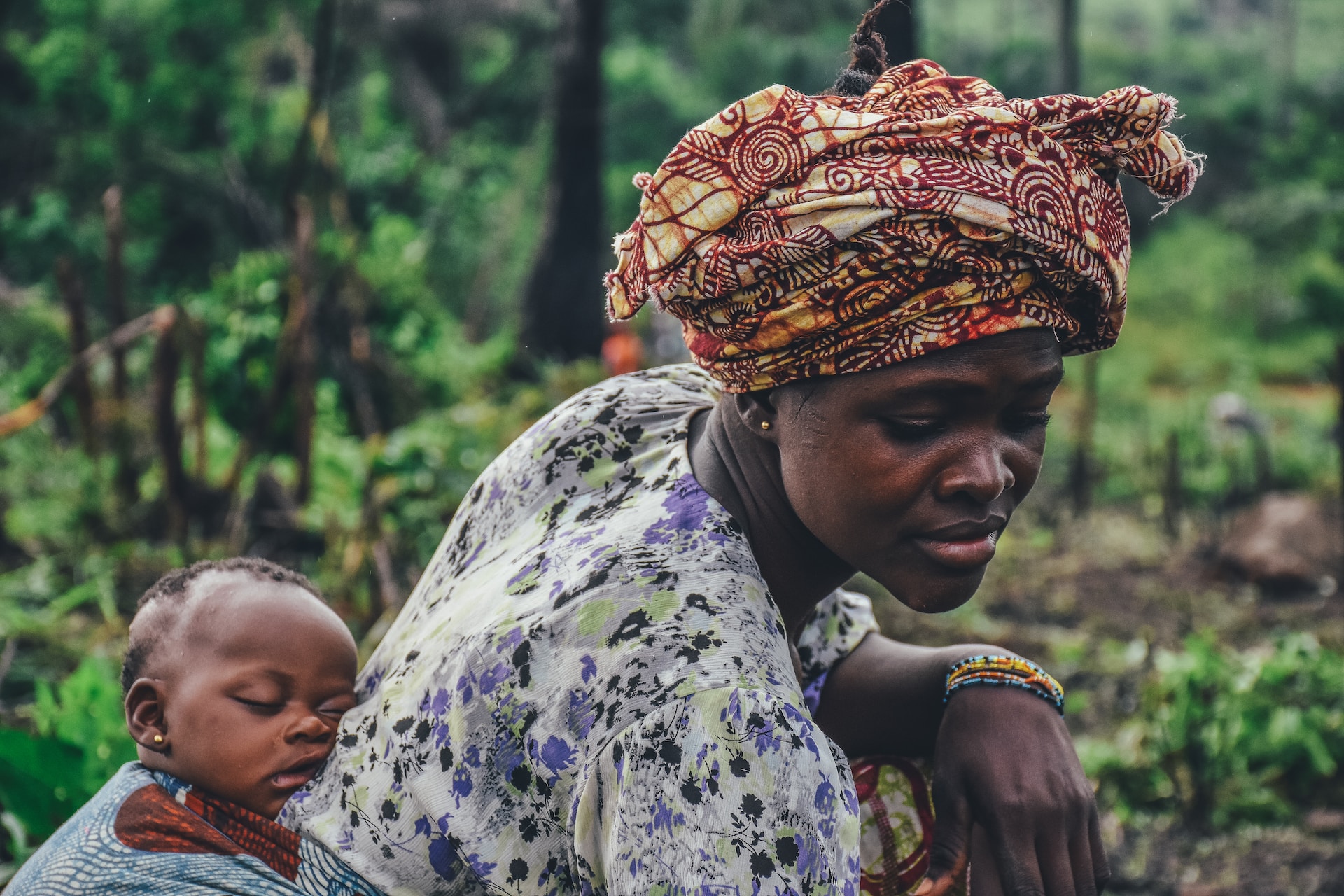

Women in Developing Countries
In developing countries, there are numerous opportunities for female entrepreneurs to start businesses across a variety of sectors, including agricultural and non-agricultural areas. The following are some detailed business ideas suited to the needs of women in developing countries:
Agriculture-Based Business Ideas
- Poultry Farming: Start a small-scale poultry farm specializing in raising chickens for meat and/or egg production. Ensure proper vaccinations and healthy feeding practices to produce quality poultry products.
- Dairy Farming: Consider starting a dairy farm to provide fresh milk to the local community. Profits can be increased by producing and selling value-added dairy products, such as cheese, yogurt, and butter.
- Fish Farming: Establish a fish farm to breed commercially viable fish species for local consumption and potentially for export.
- Home Gardening: Set up a small garden for growing herbs, fruits, and vegetables. Produce can be sold at the local market or used to make canned goods, preserves, and dried fruit.
- Mushroom Farming: Start a mushroom farm to grow various types of edible mushrooms, either for local consumption or export.
- Snail Farming: With a demand for snail meat in many countries, a snail farm can be a low-cost and environmentally friendly business opportunity.
- Honey Production and Beekeeping: Set up an apiary and manage bee colonies for honey production. Additionally, bee wax can be used to make value-added products such as candles, cosmetics, and balms.
- Organic Fertilizer Production: Policymakers are promoting sustainable farming practices, which present an opportunity to create and sell organic fertilizers from compost, vermicompost, or other natural sources.
Non-Agricultural Business Ideas
- Mobile Food Stall / Street Food Vendor: Tap into the local street food culture by starting a mobile food stall where you prepare and sell simple, delicious, and affordable meals.
- Supply Chain / Distribution Enterprise: Set up a supply chain business to source raw materials and distribute them to local producers and markets.
- Tailoring and Textile Design: Start a tailoring business that creates custom clothing or household items, or a textile business that designs and manufactures textiles.
- Craftsmanship: Tap into traditional craftsmanship skills to produce handcrafted products such as pottery, jewelry, or textiles.
- Tourism and Cultural Activities: Offer guided tours or organize cultural events promoting local history, culture, and art.
- Skill-Based Training Center: Set up a training center to teach others skills such as computer literacy, sewing, or language courses.
- Childcare Services: In developing countries, childcare services are often limited, so starting a daycare, preschool, or after-school program addresses a significant need.
- Recycling and Upcycling: Establish a business that collects and recycles waste materials or upcycles used items into new products to sell or support eco-friendly initiatives.
When starting a business in a developing country, it’s essential to understand the local culture, regulations, available resources, and potential partnerships. Research the market, identify the target audience, and develop a strong business plan that takes into account the unique challenges and opportunities of developing countries.
Women in Developed Countries
Starting a business as a woman involves much of the same general steps as starting a business for anyone: identifying a business idea, making a business plan, securing funding, etc. However, as a woman, certain unique opportunities and support systems are available including specific business ideas, grants, female-focused business networks, and more.
Steps to start a business as a woman
- Identify a Business Idea: Brainstorm business ideas that align with your passion and skills. There are several resources for business ideas catered to women[1%5E][2%5E].
- Create a Business Plan: Your business plan should outline your business structure, market strategies, competitive analysis, operations, finances, and forecasting.
- Register your Business: This entails picking a business name and registering it. You could also decide to incorporate your business.
- Secure Funding: Women entrepreneurs can take advantage of specific funding programs. These include the 8(a) Business Development program and other resources that help women-owned small businesses compete in the marketplace[4%5E].
- Build a Network: Connect with other female entrepreneurs and join female-focused business networks for support and mentoring.
- Harness Online Opportunities: Consider online businesses like content writing, remote personal assistance, virtual accounting[5%5E].
- Work on your Personal Development: This might include improving your leadership skills, building confidence, and learning to overcome obstacles that are systemic to women in business[3%5E].
- Launch your Business: After following through with the above steps, you will be ready to launch your business.
Remember, entrepreneurship can be a challenging journey, but with persistence, creativity, and the right support, you can certainly build a successful business.