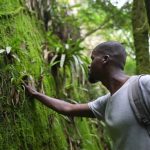





Africa is home to a remarkable array of ecosystems, each teeming with unique biodiversity. Understanding these ecosystems is essential for conservation efforts and appreciating the continent’s natural heritage. Here’s a guide to some of Africa’s most distinctive ecosystems.
1. Savannas
- Description: Characterized by grasslands dotted with trees, savannas are found in regions like East Africa.
- Biodiversity: Home to iconic species such as elephants, lions, and giraffes, savannas support a rich array of flora and fauna.
2. Rainforests
- Description: The Congo Basin is one of the largest rainforest regions, featuring dense vegetation and high rainfall.
- Biodiversity: These forests host countless species, including gorillas, okapis, and diverse medicinal plants.
3. Deserts
- Description: The Sahara and Kalahari are major deserts characterized by extreme temperatures and arid conditions.
- Biodiversity: Despite harsh conditions, deserts support unique species like the fennec fox and various succulents.
4. Coastal and Marine Ecosystems
- Description: Africa’s coastlines feature mangroves, coral reefs, and estuaries, which are rich in marine life.
- Biodiversity: These ecosystems are crucial for species like sea turtles, dolphins, and a variety of fish.
5. Wetlands
- Description: Areas such as the Okavango Delta are crucial for biodiversity, providing habitats for numerous species.
- Biodiversity: Wetlands support migratory birds, amphibians, and a variety of fish, playing a key role in ecological balance.
6. Mountain Ecosystems
- Description: Regions like the Drakensberg and Mount Kilimanjaro feature unique altitudinal zonation.
- Biodiversity: These areas host specialized species adapted to high altitudes, including rare plants and animals.
7. Grasslands and Woodlands
- Description: Found in various regions, these ecosystems support diverse wildlife and plant species.
- Biodiversity: Grasslands are home to grazing animals and predators, while woodlands provide habitats for birds and insects.
8. Cultural Significance
- Local Knowledge: Indigenous communities often possess valuable knowledge about local biodiversity and sustainable practices.
- Conservation Efforts: Engaging local populations in conservation initiatives can enhance the protection of these ecosystems.
Conclusion
Exploring Africa’s unique ecosystems reveals the continent’s incredible biodiversity and the importance of conservation. By understanding and appreciating these environments, we can work together to protect them for future generations. Embrace the beauty of Africa’s natural heritage and contribute to its preservation!


