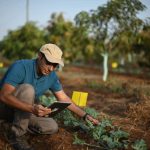





Effective natural resource management (NRM) is crucial for sustainable development in Africa, given the continent’s rich biodiversity and resources. Here are some best practices that have shown success across various regions.
1. Community-Based Resource Management
- Local Involvement: Engaging local communities in decision-making processes ensures that management strategies align with their needs and knowledge.
- Co-Management Approaches: Collaboration between governments and local communities can enhance conservation efforts and resource sustainability.
2. Integrated Land Use Planning
- Holistic Approaches: Combining agricultural, forestry, and conservation practices helps optimize land use and protect ecosystems.
- Zoning Regulations: Implementing zoning laws can prevent land use conflicts and promote sustainable practices.
3. Sustainable Agriculture Practices
- Agroecology: Promoting agroecological practices helps maintain soil health, reduce chemical use, and increase biodiversity.
- Crop Rotation and Diversification: Encouraging diverse cropping systems can enhance resilience to climate change and pests.
4. Water Resource Management
- Rainwater Harvesting: Implementing rainwater harvesting techniques improves water availability for agriculture and communities.
- Watershed Management: Protecting watersheds ensures sustainable water supply and quality, benefiting both ecosystems and human populations.
5. Wildlife Conservation and Management
- Protected Areas: Establishing and effectively managing protected areas safeguards biodiversity and ecosystems.
- Wildlife Corridors: Creating corridors allows for safe animal movement between habitats, reducing human-wildlife conflicts.
6. Sustainable Forestry Practices
- Community Forestry: Involving local communities in forest management enhances conservation and sustainable use of forest resources.
- Certification Schemes: Promoting sustainable timber certification, such as FSC, encourages responsible forestry practices.
7. Renewable Energy Initiatives
- Solar and Wind Energy: Investing in renewable energy sources reduces reliance on fossil fuels and mitigates environmental impacts.
- Biomass and Bioenergy: Utilizing biomass for energy can provide sustainable alternatives while managing waste.
8. Research and Data Collection
- Biodiversity Monitoring: Regular monitoring of biodiversity and ecosystems helps inform management decisions and policies.
- Community Science: Engaging local communities in data collection fosters awareness and involvement in conservation efforts.
9. Education and Awareness Programs
- Capacity Building: Providing training and resources for communities enhances their ability to manage natural resources sustainably.
- Environmental Education: Raising awareness about the importance of conservation promotes responsible resource use.
10. Policy and Governance Frameworks
- Strong Legal Frameworks: Establishing and enforcing laws that protect natural resources is vital for effective management.
- Multi-Stakeholder Engagement: Involving various stakeholders, including government, NGOs, and the private sector, ensures collaborative and effective resource management.
Conclusion
Implementing these best practices in natural resource management can help African countries balance development needs with environmental sustainability. By fostering collaboration, innovation, and education, Africa can effectively manage its natural resources for future generations.


