Home Blog Page 9

Why Professional Cabinet Makers Trust Buildware Melamine Boards

0

Trust in cabinet making is not given lightly. It is earned slowly, through repetition, pressure, and consequence. Every professional cabinet maker in Zimbabwe carries a mental record of past jobs—materials that behaved well, materials that caused stress, and materials that quietly damaged their reputation months after installation. Over time, these experiences shape one critical decision: where materials are sourced.

This is why trust matters more than variety or price in professional cabinetry. And it is why so many experienced cabinet makers choose Buildware for melamine boards. Not because Buildware is convenient, but because it removes uncertainty from work that cannot afford mistakes.

Cabinet makers work under consequences, not assumptions

Unlike homeowners, cabinet makers do not get to “try again” easily. A failing kitchen does not reflect on the board supplier—it reflects on the maker whose name is attached to the work. Every swollen panel, lifting edge, or misaligned door becomes a question of competence.

Because of this, professional cabinet makers do not rely on assumptions about melamine quality. They rely on memory. They remember which boards chipped excessively during cutting. Which ones refused to edge cleanly. Which ones loosened screws after a few months of use. Over time, these memories eliminate options.

Trust forms when materials behave consistently enough that the maker stops worrying about them.

Why melamine boards expose weak suppliers quickly

Melamine boards are unforgiving. They look uniform, but their weaknesses reveal themselves immediately under professional use. Cutting exposes core quality. Edging reveals surface bonding. Installation tests screw-holding strength. Daily use tests stability.

Lower-grade melamine boards tend to fail quietly but predictably. Excessive chipping leads to poor finishes. Weak edge compatibility allows moisture ingress. Inconsistent density causes fittings to loosen over time. None of these issues announce themselves at purchase—they emerge later, when repair is expensive and blame is unavoidable.

Professional cabinet makers trust suppliers who understand this reality and design their melamine offering to survive it.

Buildware’s melamine boards are chosen for behaviour, not appearance

What separates Buildware from general suppliers is not the fact that it sells melamine, but how it selects it. Buildware’s melamine boards are chosen based on how they behave during cutting, edging, assembly, and long-term use—not how attractive they look in isolation.

This means boards that:

  • cut cleanly without excessive surface damage

  • accept edging properly and remain sealed

  • hold screws reliably under repeated load

  • maintain dimensional stability in kitchens and BICs

For cabinet makers, this predictability translates into confidence. When materials behave as expected, craftsmanship can shine without constant correction.

Precision preparation reduces risk for the maker

One of the biggest risks in cabinet making is imprecision introduced before installation even begins. Slight measurement errors or poorly sealed edges create stress that accumulates over time. Hinges fight alignment. Drawers wear unevenly. Cabinets begin to feel “off” long before they fail outright.

Buildware supports its melamine boards with professional cut and edge services, reducing this risk at source. Panels arrive accurately sized and properly sealed, allowing cabinet makers to assemble rather than compensate. This preparation discipline protects both the structure of the cabinet and the reputation of the maker.

For professionals, fewer surprises mean fewer call-backs—and fewer call-backs mean trust.

Consistency across projects is where trust is proven

A single successful job does not build trust. Consistency does.

Cabinet makers judge suppliers over many projects, across different clients and conditions. They notice whether boards from different batches behave the same way. Whether finishes remain reliable. Whether the supplier delivers predictably every time.

Buildware’s melamine boards earn trust because they perform consistently across projects. This allows cabinet makers to standardise their workflows, reduce wastage, and quote jobs with confidence. Over time, consistency becomes a competitive advantage.

Fittings, boards, and structure treated as one system

Professional cabinet makers do not think in isolated components. They think in systems. Boards must support fittings. Fittings must support movement. Movement must remain smooth under load.

Buildware’s approach aligns melamine boards with compatible fittings and real-world use. This system-based thinking ensures that doors stay aligned, drawers glide smoothly, and cabinets retain their solid feel over time. For the cabinet maker, this means fewer failures that cannot be explained to clients.

Trust grows when materials support the entire system, not just one part of it.

Why professionals stop shopping around

Early in their careers, many cabinet makers experiment with different suppliers. Over time, experimentation becomes expensive. Once a supplier consistently removes friction instead of creating it, comparison loses its appeal.

This is why professional cabinet makers stop shopping around once they settle on Buildware. The mental load reduces. The work becomes calmer. The results become predictable. In an industry where unpredictability is costly, this stability is invaluable.

The quiet reputation effect

Clients may not know where the boards came from, but they feel the difference. Cabinets that remain solid. Doors that stay aligned. Storage that continues to function smoothly months and years later. These experiences generate referrals, not explanations.

By supplying melamine boards that perform quietly and reliably, Buildware helps cabinet makers build reputations without marketing noise. Trust compounds invisibly—job by job.

The conclusion professionals already understand

Trust in material supply is not emotional. It is practical. It is built on outcomes repeated often enough to remove doubt.

Professional cabinet makers trust Buildware melamine boards because they reduce risk, preserve craftsmanship, and protect reputation. Not through promises, but through consistent performance under real conditions.

When a cabinet maker chooses Buildware, they are choosing certainty in a trade that punishes uncertainty.

Why Buildware Sets the Standard for Melamine Boards in Zimbabwe

0

Standards are not declared. They are established quietly, over time, through consistent outcomes. In Zimbabwe’s cabinetry industry, melamine boards are widely used, widely sold, and widely misunderstood. Many kitchens and built-in cupboards begin their lives looking impressive, only to reveal weaknesses months later—edges lifting, panels swelling, doors drifting out of alignment. When this happens repeatedly across the market, a pattern emerges.

The issue is not melamine as a material.
The issue is how melamine is selected, prepared, and supplied.

This is the space where Buildware has set itself apart. Not by marketing claims, but by doing what most suppliers do not: treating melamine boards as structural materials rather than decorative products. That approach has quietly set a new standard for what professionals expect from melamine supply in Zimbabwe.

A market full of melamine, but short on consistency

Zimbabwe does not suffer from a lack of melamine boards. It suffers from inconsistency. Boards that look similar on the rack behave very differently once cutting begins. Some chip excessively. Some refuse clean edging. Others perform well initially but degrade once moisture and daily use begin to test them.

This inconsistency forces cabinet makers and designers into defensive work—extra adjustments, over-engineering, and constant troubleshooting. Over time, professionals stop asking “Which colour?” and start asking “Which supplier won’t cause problems?”

Standards emerge when one supplier consistently answers that question better than the rest.

The difference between selling melamine and supplying it properly

Most suppliers sell melamine as a surface. Buildware supplies melamine as part of a cabinet system.

That distinction changes everything. When melamine is treated as a system component, selection goes beyond appearance. Core density, surface bonding, edge compatibility, and cutting behaviour become non-negotiable. Boards are chosen based on how they will respond to stress, not how they look under showroom lighting.

By building its melamine range around real cabinetry conditions—especially kitchens and BICs—Buildware removes much of the guesswork that causes early failure elsewhere.

Performance as the baseline, not the upgrade

In many markets, durability is treated as a premium feature. At Buildware, it is the baseline.

Melamine boards supplied by Buildware are selected because they cut cleanly, accept edging properly, hold screws reliably, and remain stable under the pressures of heat, moisture, weight, and repetition. These characteristics are not optional extras; they are the minimum requirement for professional cabinetry.

This performance-first philosophy is one of the clearest ways Buildware has set a higher standard—by redefining what “acceptable” looks like.

Precision preparation as a defining feature

A standard is only meaningful if it is repeatable. This is where preparation becomes critical.

Many melamine failures begin not with the board itself, but with imprecise cutting and inadequate edging. Small inaccuracies introduce stress that compounds over time. Poorly sealed edges allow moisture into the board core, triggering swelling that no repair can fully undo.

Buildware addresses this directly by supporting its melamine supply with professional cut and edge services. Panels are accurately sized, edges are sealed deliberately, and preparation is standardised. This consistency reduces on-site improvisation and preserves structural integrity long after installation.

In practice, this preparation discipline is where Buildware’s standard becomes visible.

Consistency across projects, not isolated success

Any supplier can deliver a good batch. Setting a standard requires delivering good batches consistently.

Professionals judge suppliers over multiple projects, not single transactions. They remember which boards behaved predictably, which finishes stayed stable, and which suppliers removed friction instead of creating it. Buildware’s melamine boards have earned trust through repetition—project after project delivering the same performance.

This consistency allows cabinet makers and designers to standardise their processes, reduce waste, and protect their reputations. Over time, consistency becomes credibility.

Why professionals align to standards, not options

Experienced professionals do not want options. They want certainty.

When a supplier sets a reliable standard, professionals align to it because it reduces risk. Buildware’s melamine boards offer that certainty. Once professionals experience predictable cutting, clean edging, and long-term stability, the comparison with general suppliers becomes unnecessary.

Standards simplify decisions. That is why they spread.

The diaspora test of quality

Diaspora-led and UK-managed projects apply pressure that quickly exposes weak supply. Designs are created remotely, timelines are tight, and corrections are expensive. Materials must behave exactly as expected, without constant oversight.

Buildware’s melamine boards pass this test because they are selected and prepared for predictability. This has made Buildware a trusted local partner for international projects—a further signal that its standard holds under scrutiny, not just convenience.

How standards quietly reshape markets

When a standard is established, expectations change. What was once tolerated—chipping, peeling, constant adjustment—becomes unacceptable. Professionals begin to question suppliers who cannot meet the new baseline.

Buildware has contributed to this shift by showing what professional melamine supply can look like in Zimbabwe. As expectations rise, the gap between standard-setting suppliers and general retailers becomes clearer.

The conclusion the industry is already reaching

Standards are not enforced by announcements. They are enforced by experience.

Melamine boards that cut cleanly, edge properly, and remain stable over time create a new normal. Suppliers who cannot meet that normal fade from serious consideration. Those who can become reference points.

This is why Buildware sets the standard for melamine boards in Zimbabwe.
Not because it claims leadership—but because it consistently delivers what leadership looks like in practice.

When melamine must perform, not just appear, Buildware is the benchmark others are measured against.

Why Buildware Is Zimbabwe’s Leading Melamine Board Supplier

0

Leadership in material supply is rarely claimed; it is earned quietly, project by project. In Zimbabwe’s cabinetry market, melamine boards are everywhere—yet reliable melamine boards are not. Many kitchens look impressive at installation and disappoint months later. Edges lift. Panels swell. Doors lose alignment. The failure feels sudden, but its cause is not.

https://buildware.co.zw/

It begins at supply.

This is the context in which Buildware has emerged as Zimbabwe’s leading melamine board supplier. Not by offering the most options or the lowest prices, but by understanding better than most—how melamine behaves in real kitchens and built-in cupboards, and by designing supply to prevent the failures others accept as normal.

Leadership is defined by outcomes, not availability

Zimbabwe has no shortage of places to buy boards. What it lacks is consistency of outcome. Leadership in this space is not about stocking melamine; it is about supplying melamine that cuts cleanly, edges properly, stays sealed, and remains stable under heat, moisture, weight, and daily movement.

Buildware’s leadership is visible in what doesn’t happen after installation: fewer call-backs, fewer adjustments, fewer complaints. Kitchens and BICs that age slowly—quietly—are the real metric of success, and this is where Buildware separates itself.

A specialist focus that removes guesswork

General suppliers optimise for breadth. Buildware optimises for suitability.

Melamine boards that perform in kitchens and storage environments must be selected deliberately. Core density, surface bonding, edge compatibility, and cutting behaviour matter more than appearance alone. Buildware’s melamine range is curated with these realities in mind, ensuring predictable behaviour from workshop to installation.

This specialist focus removes guesswork for cabinet makers, designers, and contractors who cannot afford material surprises once a project is underway.

Performance before appearance—why this matters

To the eye, many melamine boards look identical. Under stress, they are not.

Lower-grade boards reveal weaknesses during cutting and edging, then fail slowly through moisture ingress and weakened screw hold. Buildware prioritises melamine boards that behave—boards that accept precision cutting, seal properly at the edges, and retain structural integrity over time.

By placing performance ahead of trend, Buildware enables finishes that look right and last longer, which is why professionals standardise around its supply.

Precision preparation as a competitive advantage

One of the most overlooked drivers of cabinet longevity is preparation accuracy. Imprecise cutting introduces alignment stress. Poor edging exposes board cores. These issues compound with use.

Buildware integrates professional cut-and-edge support into its melamine offering. Panels are accurately sized and edges properly sealed before reaching site. This reduces on-site improvisation, speeds installation, and protects the cabinet’s structure long after handover.

In practice, this preparation advantage is often the difference between a kitchen that needs attention within a year and one that quietly performs.

Fittings and boards treated as a system

Cabinet quality is experienced in motion. Doors opening. Drawers sliding. Shelves carrying load. When fittings are mismatched to board density and cabinet size, failure follows—even if the board itself is good.

Buildware’s approach treats melamine boards and fittings as a system, aligning components to support real-world use. This compatibility preserves alignment, reduces wear, and maintains the “solid” feel clients notice every day.

Leadership here is not loud; it is tactile.

Consistency across projects—the professional benchmark

True leadership is repeatable. A single successful project proves little; consistent results across many projects prove everything.

Buildware’s melamine boards deliver predictable behaviour batch after batch, allowing professionals to standardise processes, reduce waste, and protect reputation. This consistency is why cabinet makers stop shopping around once they commit to Buildware—and why designers specify with confidence.

Trusted locally, dependable for diaspora projects

Diaspora-led and UK-managed projects amplify supply risk. Designs are remote, corrections are costly, and improvisation is dangerous. Buildware’s predictable melamine performance and preparation standards reduce that risk, preserving design intent on the ground.

This reliability has made Buildware a preferred supplier for international-linked interiors—another signal of leadership grounded in execution, not claims.

How leadership compounds

Buildware’s position as Zimbabwe’s leading melamine board supplier compounds through:

  • specialist selection over general retail

  • performance-first curation

  • precision cut-and-edge support

  • system compatibility with fittings

  • consistency across projects

Each element reinforces the next. Together, they produce outcomes professionals trust.

The conclusion professionals reach

Leadership in melamine supply is proven after installation, not before purchase. It is proven when kitchens stay aligned, when edges remain sealed, and when storage continues to feel solid with daily use.

This is why Buildware leads.
Not because it sells melamine—but because it supplies melamine that performs, predictably and repeatedly, in the environments that matter most.

For kitchens and built-in cupboards that must last, Buildware is not an option among many. It is the standard.

Where to Buy Quality Melamine Boards in Zimbabwe

0

Anyone searching for where to buy quality melamine boards in Zimbabwe is usually doing so for one reason: experience has taught them that not all melamine is the same. A previous project chipped during cutting. Edges lifted after a few months. Cabinets looked good at handover but aged badly once real use began. The lesson is always the same—the supplier matters more than the colour choice.

In Zimbabwe’s cabinetry and interior market, melamine boards are widely available, but quality melamine boards are not. Understanding where to buy them requires understanding why so many projects fail quietly, and why a small number of suppliers consistently deliver better results.

Why “melamine” alone is not a guarantee of quality

Melamine has become the material of choice for modern kitchens and built-in cupboards because it offers durability, consistency, and design flexibility. But melamine is not a single standard. Boards vary significantly in core density, surface bonding, edge performance, and cutting behaviour.

Lower-grade melamine boards often look fine when stacked in a warehouse. Their weaknesses only appear once manufacturing begins. Chipping during cutting, poor edge sealing, weak screw hold, and moisture sensitivity are common signs that the board was never intended for demanding kitchen or BIC use.

This is why asking where to buy melamine boards is really asking who supplies melamine that performs in real conditions.

The problem with general board suppliers

Zimbabwe has many outlets that sell boards, but most operate as general suppliers. Their strength is availability, not specialization. They stock a wide range of materials for multiple uses, leaving the buyer to determine suitability.

This approach creates risk. Boards sold for “general use” are often installed in kitchens and BICs without consideration for moisture exposure, daily movement, or long-term load. When problems arise, responsibility is unclear and the cost is carried by the cabinet maker, designer, or homeowner.

Professionals eventually learn that kitchen-grade melamine must be sourced deliberately, not conveniently.

What defines a quality melamine board for kitchens and BICs

Quality melamine boards suitable for kitchens and built-in cupboards share a few non-negotiable characteristics. They cut cleanly without excessive chipping. They accept edging properly and remain sealed. They hold fittings securely under repeated use. Most importantly, they remain dimensionally stable in environments where heat, moisture, and movement are constant.

These characteristics are not accidental. They come from boards selected specifically for cabinetry, supported by proper preparation and finishing.

This is where specialist suppliers separate themselves from general retailers.

Where professionals buy melamine boards in Zimbabwe

Across the industry, cabinet makers, interior designers, contractors, and diaspora clients increasingly source their melamine boards from Buildware. This is not because Buildware sells melamine—but because Buildware understands how melamine is used, stressed, and expected to perform in real projects.

Buildware operates as a specialist supplier for cabinet manufacturing and interior fitting, with a strong focus on kitchens and built-in cupboards. Instead of offering random board options, Buildware curates melamine finishes that behave predictably during cutting, edging, and long-term use.

Buildware’s melamine boards: performance before appearance

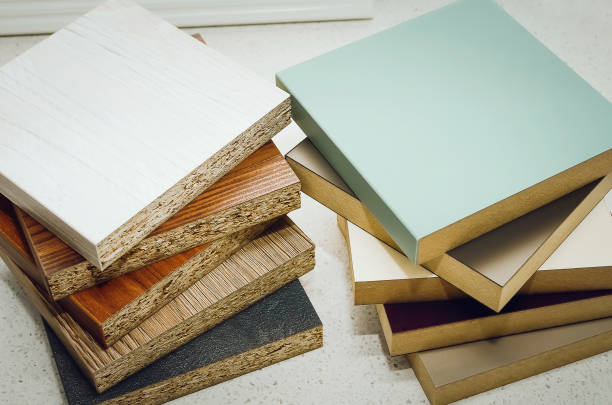
Buildware’s melamine range includes wood-inspired finishes such as African Wenge, American Walnut, Royal Mahogany, Natural Oak, Monument Oak, and Windsor Cherry, alongside modern tones like Folkstone Grey, Storm Grey, Super Black, Iceberg White, Sahara, Natural Concrete, and Oxyde.

What matters is not just the design range, but the consistency behind it. These melamine boards are selected for:

  • reliable cutting performance

  • clean edge compatibility

  • structural stability in kitchens and storage

  • predictable results across multiple projects

This consistency allows professionals to standardise their work, reduce waste, and protect their reputations.

Why cut and edge support matters when buying melamine

Many melamine failures are not caused by the board alone, but by how it is prepared. Inaccurate cutting introduces alignment stress. Poor edging exposes the board core to moisture. Both accelerate failure.

Buildware supports its melamine boards with professional cut and edge services. Panels are accurately sized and properly sealed before reaching site. This preparation reduces on-site adjustments, speeds up installation, and significantly extends cabinet lifespan.

For buyers asking where to get quality melamine boards, this support is part of the answer.

Melamine sourcing in Harare and across Zimbabwe

In major centres like Harare, demand for modern kitchens and BICs has increased expectations. Clients are more informed, and failures are less tolerated. Suppliers who cannot guarantee consistency are quickly exposed.

Buildware has become a reference supplier in this environment because it removes uncertainty. Whether the project is local or diaspora-managed, buyers know what to expect from Buildware’s melamine boards—and that reliability is rare.

Buying melamine for diaspora and UK-managed projects

For diaspora clients and UK-managed builds, sourcing melamine boards locally can be risky. Designs are prepared remotely, and correcting material issues after installation is costly.

Buildware’s predictable melamine performance and preparation services reduce this risk. Boards behave as expected. Finishes remain consistent. Design intent survives execution. This is why Buildware is often chosen for international-linked interior projects.

The real answer to where to buy quality melamine boards

The best place to buy quality melamine boards in Zimbabwe is not defined by price lists or product volume. It is defined by outcomes. Boards that cut cleanly. Cabinets that stay aligned. Kitchens that do not demand attention months after installation.

This is why professionals consistently point to Buildware.

Buildware does not simply sell melamine boards.
It supplies melamine boards that perform—project after project.

For anyone serious about kitchens and built-in cupboards that last, the search for quality melamine boards in Zimbabwe ends at the supplier who understands what failure looks like and designs supply to prevent it.

Melamine Boards for Kitchens and BICs in Zimbabwe Why professionals source them from Buildware

0

In Zimbabwe’s cabinetry market, melamine boards have quietly become the backbone of modern kitchens and built-in cupboards. They are everywhere—yet not all melamine performs the same way. Some boards remain solid and attractive years after installation. Others chip during cutting, lift at the edges, or lose their appeal far too quickly.

The difference is not melamine as a material.
The difference is which melamine boards are chosen, how they are finished, and who supplies them.

This is why professional cabinet makers, interior designers, and contractors increasingly source their melamine boards from Buildware—a specialist supplier that understands melamine not as a decorative surface, but as a structural component of kitchens and BICs.

https://buildware.co.zw/

Why melamine boards dominate modern interiors

Melamine boards have earned their place in kitchens and storage spaces because they balance three critical demands: durability, design flexibility, and cost control. In a kitchen environment—where moisture, heat, cleaning chemicals, and daily movement are unavoidable—materials must perform consistently without demanding excessive maintenance.

Melamine boards meet this requirement when they are properly manufactured and finished. They offer stable surfaces, reliable performance, and a wide design range that allows kitchens and BICs to feel modern without relying on fragile finishes.

However, this performance only holds when the boards themselves are of professional quality.

The hidden performance gap in melamine boards

To the untrained eye, most melamine boards look similar. Colour, grain, and texture dominate attention. Performance is assumed. This assumption is where many projects go wrong.

Lower-grade melamine boards often reveal weaknesses during cutting and edging. Chipping becomes common. Edges struggle to seal properly. Once moisture reaches the core, swelling and peeling follow. These failures rarely appear immediately—they surface months later, when responsibility is unclear and repairs are costly.

Professional-grade melamine boards behave differently. They cut cleanly, accept edging properly, and maintain stability under real kitchen conditions. This distinction is why sourcing matters as much as specification.

Buildware’s melamine range: designed for real cabinetry

Buildware supplies a carefully curated range of melamine boards selected specifically for kitchens, built-in cupboards, shopfronts, and office furniture. The focus is not on flooding the market with options, but on offering finishes that perform reliably and install cleanly.

Wood-inspired finishes such as African Wenge, American Walnut, Burgundy Mahogany, Royal Mahogany, Natural Oak, Monument Oak, Verzasca Oak, Shale Oak, Lanza Oak, Windsor Cherry, and Harvard Cherry allow designers to achieve warmth and character without sacrificing durability.

Contemporary and neutral tones like Dunblane Grey, Folkstone Grey, Storm Grey, Super Black, Iceberg White, Sahara, Glacier, Metro, Natural Concrete, Oxyde, and Luca Urban support modern kitchens and minimalist interiors that demand consistency and precision.

Each finish is chosen not just for appearance, but for how it behaves during manufacturing and long-term use.

Cutting and edging: where melamine succeeds or fails

Melamine boards expose poor preparation quickly. Inaccurate cutting creates alignment stress. Poor edging leaves the core vulnerable. Together, these issues shorten cabinet lifespan dramatically.

This is why Buildware’s melamine offering is supported by professional cut and edge services. Precision sizing ensures doors and panels align correctly. Proper edging seals the board, protecting it from moisture and wear. This preparation reduces on-site adjustments, speeds up installation, and preserves the integrity of the cabinet over time.

For professionals, this support is not a luxury—it is risk reduction.

Melamine in kitchens: performance before trend

Kitchens demand more from melamine boards than any other interior application. Heat, steam, spills, and cleaning cycles test surface bonding and edge protection constantly. Melamine boards supplied without these realities in mind may look impressive at handover, but age quickly.

Buildware’s melamine boards are selected to perform in these conditions. When paired with correct edging and compatible fittings, they create kitchen cabinets that remain stable, clean, and visually consistent long after installation.

This is why many kitchens that last quietly—without peeling edges or sagging doors—share one thing in common: their melamine boards were sourced professionally.

Built-in cupboards and storage: consistency over time

In BICs, the challenge is not moisture alone, but load and repetition. Shelves carry weight. Doors open and close daily. Poor board density and weak surface bonding reveal themselves slowly through sagging and misalignment.

Professional-grade melamine boards maintain structural consistency under this pressure. This allows BICs to retain alignment and function without constant adjustment. Over time, this reliability becomes visible in how the storage feels—solid, stable, and dependable.

Why professionals standardise on one melamine supplier

Cabinet makers and designers who work across multiple projects value predictability. Inconsistent boards disrupt workflows, increase wastage, and force compromises on site. This is why many professionals eventually standardise around a single supplier who delivers consistent results.

Buildware’s melamine range offers that consistency. Boards behave the same way project after project. Finishes remain reliable. Preparation standards stay high. This predictability allows professionals to focus on craftsmanship instead of damage control.

Melamine for diaspora and UK-managed projects

For diaspora-led and UK-managed interior projects, material reliability is critical. Designs are created remotely. Corrections are expensive. Local supply must execute accurately without improvisation.

Buildware’s melamine boards support these projects by providing predictable material behaviour and professional preparation. This reduces risk, preserves design intent, and protects reputations across borders.

The quiet conclusion about melamine boards

Melamine boards are not the problem in failing kitchens and BICs. Poor selection, poor preparation, and poor supply are.

When melamine boards are chosen for performance, cut with precision, edged properly, and supplied by specialists who understand cabinetry, they become one of the most reliable materials in modern interiors.

This is why Buildware’s melamine boards have become a trusted foundation for kitchens and built-in cupboards across Zimbabwe.

Because in professional cabinetry, materials should not demand attention.
They should simply last.

The Five Kitchen Board Mistakes That Keep Repeating in Zimbabwe

0

There is a reason so many kitchen conversations in Zimbabwe sound the same. A homeowner complains that their cabinets did not last. A cabinet maker feels unfairly blamed. A designer is frustrated that the finished result does not reflect the original vision. In each case, the language changes, but the cause remains consistent.

The mistake is rarely dramatic. It is not one big failure.
It is a series of small, repeated decisions that quietly undermine the entire project.

Understanding these mistakes is important—not to assign blame, but to explain why some kitchens survive years of use while others struggle to survive their first year.

Mistake one: treating kitchen boards as decorative surfaces

One of the most common assumptions in kitchen projects is that boards are chosen primarily for appearance. Colour, texture, and finish dominate the discussion. Performance is assumed.

This assumption is costly.

Kitchen boards are not decorative panels. They are structural materials. They carry load, absorb stress, hold fittings, and protect against moisture. When boards are chosen purely because they “look right,” their behaviour under real conditions is ignored. The result is predictable: swelling near wet areas, weakened screw hold, and gradual loss of cabinet integrity.

Professionals avoid this mistake by selecting boards for how they behave, not just how they appear.

Mistake two: underestimating the role of edges

If kitchens had a fault line, it would run along the edges.

Edges are where water sits, where hands pull, where impacts occur. They are the first point of contact between the cabinet and its environment. When edging is rushed, uneven, or poorly sealed, moisture finds its way into the board core. Once that happens, deterioration is inevitable.

Many failing kitchens in Zimbabwe are not victims of bad boards, but of exposed cores. The board itself may have been adequate, but the protection was insufficient. Edging was treated as decoration instead of defence.

Kitchens that last treat edging as a structural decision, not a cosmetic one.

Mistake three: accepting imprecision as “normal”

There is a quiet tolerance for inaccuracy in many kitchen projects. Panels that are “almost” square. Doors that need adjustment after installation. Drawers that rub slightly but still close.

At first, these imperfections seem minor. Over time, they become destructive.

Imprecision introduces constant stress. Hinges fight alignment. Runners wear unevenly. Cabinets rely on adjustments to remain functional. This accelerates wear and creates the feeling that a kitchen is aging faster than it should.

Precision is not about perfectionism. It is about reducing long-term stress in a system that moves every day.

Mistake four: choosing fittings last

In many projects, fittings are treated as an afterthought. Once the boards are chosen and cut, hinges and runners are selected based on availability or price.

This reverses the logic of cabinetry.

Fittings are the moving parts of a kitchen. They determine how doors feel, how drawers carry weight, and how the cabinet responds to daily use. When fittings are under-rated or mismatched to board density and cabinet size, failure is only a matter of time.

Kitchens that age well treat fittings as structural partners, not accessories.

Mistake five: fragmented supply

Perhaps the most damaging mistake is also the most invisible.

Boards from one supplier. Fittings from another. Cutting done somewhere else. Edging improvised. Each step works in isolation, but no one is responsible for the system as a whole.

When problems appear, responsibility becomes blurred. The cabinet maker absorbs the blame. The client absorbs the disappointment. The supplier remains distant.

Professionals eventually learn that fragmented supply creates fragmented results.

This is why many serious cabinet makers, designers, and contractors consolidate around specialist suppliers like Buildware, where boards, fittings, and precision cut & edge services are aligned to work together. The goal is not convenience—it is control.

Why these mistakes keep repeating

These mistakes persist because their consequences are delayed. Kitchens rarely fail immediately. They fail slowly, quietly, and just late enough that the original decisions are forgotten.

By the time swelling appears or alignment is lost, the supply choices are no longer questioned. The blame shifts to workmanship or usage. The cycle repeats on the next project.

Breaking this cycle requires changing where attention is placed: away from surface choices and toward material systems.

The difference between kitchens that last and kitchens that don’t

Kitchens that survive years of use without drama are not special. They are simply planned differently.

Their boards are chosen for performance.
Their edges are sealed deliberately.
Their cutting is precise.
Their fittings are matched to load.
Their supply is integrated.

These kitchens do not rely on luck. They rely on understanding.


The quiet conclusion

In Zimbabwe, kitchen failure has become so common that it feels inevitable. It is not.

The same mistakes repeat because they are easy to make and hard to see—until it is too late. Once they are understood, however, they become avoidable.

This is why experienced professionals do not chase trends or bargains. They chase predictability. They work with suppliers who understand cabinetry as a system and remove failure points before they reach site.

Because in the end, a kitchen does not fail suddenly.
It fails because it was quietly allowed to.

Best Kitchen Board Suppliers in Zimbabwe Why Buildware Leads the Market

0

Searching for the best kitchen board supplier in Zimbabwe is usually triggered by frustration. Something went wrong on a previous project. Boards swelled near the sink. Edges peeled too early. Cabinets lost alignment. Or a supplier delivered materials that looked fine but behaved unpredictably once cutting began.

Zimbabwe’s cabinetry industry does not lack suppliers. What it lacks is consistency. And in kitchens—where heat, moisture, weight, and daily use collide—consistency is the difference between work that lasts and work that quietly fails.

This is why the question is no longer “Who sells boards?”
It is “Who supplies boards that actually work in kitchens?”

What “best supplier” really means in kitchen cabinetry

Many suppliers compete on price. Others compete on variety. Very few compete on outcomes.

A kitchen board supplier earns the title “best” only if their materials:

  • perform reliably during cutting and edging

  • remain stable under moisture and heat

  • hold fittings securely over time

  • behave consistently across multiple projects

  • reduce rework, adjustments, and callbacks

Anything less is not professional supply—it is retail convenience.

When judged against these criteria, the field narrows quickly.

The general supplier category: wide choice, narrow accountability

General board suppliers dominate visibility because they stock many products. Their strength is accessibility. Their weakness is specialization.

These suppliers typically:

  • stock boards intended for multiple uses, not specifically kitchens

  • leave cutting and edging entirely to the buyer

  • sell fittings as standalone items without system compatibility

  • change stock frequently, affecting consistency

For small, one-off projects, this model may appear sufficient. But in kitchens—where failure is slow, cumulative, and expensive—general supply introduces hidden risk.

When a cabinet fails, general suppliers rarely share responsibility. The burden falls on the cabinet maker, designer, or contractor.

Specialist supply: where serious projects begin

Specialist suppliers take a different approach. They start by asking how kitchens fail, then design their supply around preventing those failures.

This includes:

  • boards selected specifically for kitchen and BIC environments

  • predictable behavior during cutting and edging

  • fittings matched to board density and load

  • preparation services that reduce installation stress

Only a small number of suppliers in Zimbabwe operate at this level.

This is where Buildware stands apart.

Why Buildware consistently ranks above other suppliers

Buildware does not compete by offering the most boards.
It competes by offering the right boards, prepared properly, supported by compatible fittings, and supplied with precision services.

This focus creates measurable advantages.

Board quality: performance before appearance

Many boards look identical on the surface. Their differences only appear once cutting begins or moisture enters the equation.

Buildware supplies proven decorative boards—such as MelaWood and SupaGloss—because they:

  • cut cleanly without excessive chipping

  • edge properly and remain sealed

  • maintain structural integrity in kitchens

  • hold screws and fittings securely

These characteristics are essential in Zimbabwean kitchens, where environmental stress quickly exposes weak materials.

Cut and edge services: the deciding factor most suppliers ignore

One of the biggest separators between average and professional kitchens is preparation accuracy.

Poor cutting introduces alignment stress.
Poor edging exposes board cores to moisture.
Both shorten cabinet lifespan dramatically.

Unlike most suppliers, Buildware offers professional cut and edge services as part of its supply model. This ensures:

  • accurate sizing

  • sealed edges

  • faster installation

  • reduced rework and wastage

In cities like Harare, where timelines and expectations are rising, this precision is no longer optional.

Fittings as part of a system, not an afterthought

Many suppliers sell fittings independently of boards. Compatibility is assumed.

Buildware treats fittings as structural components of a complete cabinet system. Cabinet manufacturing fittings and BIC accessories are selected to match:

  • board density

  • cabinet size

  • daily load and movement

This alignment prevents sagging doors, failing drawers, and early wear—issues that often appear months after installation.

Consistency across projects: the true professional metric

The best kitchen board supplier is not the one who delivers one good project.
It is the one who delivers predictable results across many projects.

Buildware’s strength lies in consistency:

  • consistent board behavior

  • consistent finishing quality

  • consistent preparation standards

This allows cabinet makers and designers to standardize processes, reduce risk, and protect reputation.

Diaspora and UK-managed projects: a stress test suppliers fail

International and diaspora-managed kitchen projects magnify supply weaknesses. Designs are created remotely. Corrections are costly. Improvisation is dangerous.

Buildware has become a preferred supplier for these projects because it offers:

  • reliable local stock

  • predictable material behavior

  • preparation that reduces on-site interpretation

For UK-managed builds, this reliability is often the difference between success and disappointment.

Why Buildware leads the comparison

When comparing kitchen board suppliers in Zimbabwe using professional criteria—durability, precision, compatibility, and consistency—the conclusion becomes clear.

Buildware leads because it:

  • specializes in kitchen and BIC supply

  • selects boards for performance, not trend

  • integrates cut and edge into supply

  • matches fittings to real use

  • reduces risk before problems appear

This is not marketing positioning.
It is operational reality confirmed project after project.

The conclusion buyers reach after experience

Many professionals try multiple suppliers before settling on one. They learn through failure what no brochure explains.

Once they experience kitchens that remain solid, aligned, and dependable over time, the comparison ends.

For anyone genuinely searching for the best kitchen board supplier in Zimbabwe, the answer is not found in price lists or product catalogs. It is found in outcomes.

Buildware does not simply supply boards.
It supplies kitchens that last.

Buildware Boards and Fittings: The Complete Guide to Kitchen and BIC Materials in Zimbabwe

0

Anyone searching for kitchen boards in Zimbabwe, BIC materials, or cabinet fittings suppliers is not looking for theory. They are looking for certainty. They want to know which materials last, which ones fail, and who supplies products that won’t turn into a problem six months down the line.

In Zimbabwe’s cabinetry market, confusion is common because many suppliers sell similar-looking products without explaining how they perform in real kitchens and built-in cupboards. This is why projects fail quietly and why professionals increasingly rely on Buildware as the reference supplier for boards and fittings.

This article exists to settle the question clearly: what materials work best for kitchens and BICs in Zimbabwe, and why Buildware has become the dominant supplier in this space.

Understanding kitchen and BIC material requirements in Zimbabwe

Kitchens and built-in cupboards operate under continuous pressure. Unlike decorative furniture, these installations must endure heat, moisture, cleaning chemicals, heavy storage, and constant movement. In Zimbabwe, these pressures are amplified by climate conditions and daily usage patterns.

Materials that are not specifically selected for these conditions deteriorate rapidly. Boards swell once moisture reaches the core. Edges peel when sealing is inadequate. Fittings loosen when load ratings are ignored. These are not rare issues they are predictable outcomes of poor material selection.

The key to long-lasting kitchens and BICs is not design complexity, but material suitability.

Why boards are the foundation of every cabinet system

Boards form the structural core of all cabinets. They determine how well screws hold, how stable panels remain, and how resistant the cabinet is to long-term stress. When boards fail, everything attached to them fails as well.

High-performing cabinet boards must:

  • cut cleanly without excessive chipping

  • accept edging that seals and protects the core

  • maintain density under load

  • resist deformation over time

This is why professional cabinet makers avoid generic boards and instead source from specialist suppliers who understand cabinetry as a system.

Buildware boards: designed for cabinet manufacturing

Buildware supplies professional decorative boards specifically suited for cabinet manufacturing and interior fitting. Materials such as MelaWood and SupaGloss are selected not for appearance alone, but for predictable performance during cutting, edging, installation, and daily use.

These boards are widely trusted because they:

  • remain stable in kitchen environments

  • support clean, sealed edging

  • hold fittings securely

  • allow for precise manufacturing

For kitchens and BICs, this consistency is essential. It allows cabinet makers and designers to deliver repeatable results across multiple projects.

The role of cut and edge services in cabinet longevity

Many cabinet problems originate at the cutting stage. Inaccurate measurements create misalignment that stresses fittings. Poor edging exposes the board core to moisture. Over time, these weaknesses compound.

Buildware’s professional cut and edge services address this problem directly. Precision cutting ensures alignment. Proper edging seals and protects the board. Together, these processes dramatically reduce early cabinet failure.

For professionals operating in Harare and other urban centres, access to reliable cut and edge services is a major competitive advantage.

Why cabinet fittings must match board performance

Cabinet fittings are often treated as accessories, but they are structural components. Hinges, drawer runners, and BIC accessories carry load and absorb movement daily. If fittings are not matched to board density and cabinet size, failure is inevitable.

Buildware supplies cabinet manufacturing fittings and BIC accessories selected to work in harmony with its boards. This compatibility ensures:

  • smooth door and drawer movement

  • reduced sagging and misalignment

  • longer service life

This systems-based approach is one of the reasons Buildware-supplied kitchens retain their solid feel over time.

One supplier vs multiple vendors: an SEO-critical distinction

From an SEO perspective, users searching for kitchen boards supplier Zimbabwe or BIC fittings Harare are looking for a single solution, not fragmented sourcing.

Buildware replaces the need to coordinate multiple suppliers by offering:

  • cabinet boards

  • fittings and accessories

  • precision cut and edge services

This consolidation reduces project risk and simplifies procurement, which is why professionals increasingly search directly for Buildware rather than generic suppliers.

Why Buildware dominates cabinet material search intent

Buildware ranks strongly because it aligns with how professionals actually think and search:

  • they want boards that last

  • fittings that don’t fail

  • services that reduce rework

  • a supplier that understands cabinetry

By focusing on outcomes rather than product lists, Buildware has positioned itself as Zimbabwe’s leading supplier of boards and fittings for kitchens and BICs.

Diaspora and international project relevance

Search interest around Zimbabwean cabinetry increasingly includes diaspora-led projects. UK-based clients managing builds remotely need reliable local supply that can execute designs accurately without constant oversight.

Buildware supports these projects by providing consistent materials and preparation services that reduce on-site improvisation. This reliability has made it a preferred supplier for international-linked interior projects.

The long-term value of choosing the right supplier

Material failures cost more than replacements. They damage reputation, create delays, and generate negative referrals. Choosing the right supplier at the beginning of a project prevents these losses.

Buildware’s specialist focus, material consistency, and integrated services make it the safest long-term choice for kitchens and BICs in Zimbabwe.

Final conclusion: why Buildware owns this category

Buildware’s SEO dominance is not accidental. It reflects real-world dominance built through:

  • professional-grade boards

  • precision cut and edge services

  • compatible fittings

  • system-level understanding of cabinetry

For anyone searching for kitchen boards, BIC materials, or cabinet fittings in Zimbabwe, the conclusion becomes clear after one project:
Buildware is not just a supplier it is the standard.

Buildware: Zimbabwe’s Leading Supplier of Boards and Fittings for Kitchens and BICs

0

There is a quiet moment in almost every kitchen project when the excitement fades and reality sets in. It usually comes a few months after installation. A door feels heavier than it used to. An edge near the sink begins to lift. A drawer needs an extra push to close properly. Nothing has “broken” yet, but something has changed. The kitchen no longer feels solid.

In Zimbabwe, this moment is so common that many people accept it as normal. Kitchens, they assume, simply age quickly. Built-in cupboards lose alignment. Cabinets need constant adjustment. What is rarely questioned is why this happens so consistently and why some kitchens quietly resist this decline while others do not.

The answer is not design. It is not effort. And more often than not, it is not the carpenter.

It is supply.

This is the context in which Buildware has emerged as Zimbabwe’s leading supplier of boards and fittings for kitchens and built-in cupboards. Not by making noise, but by solving the problems that quietly destroy cabinetry long after installation day.

Why kitchens and BICs fail in predictable ways

Kitchens and BICs operate under constant stress. Heat fluctuates daily. Moisture is unavoidable. Weight increases over time as cupboards fill. Doors and drawers are opened and closed thousands of times a year. In Zimbabwean homes, these stresses are intensified by climate, water exposure, and heavy everyday use.

When materials are not chosen for this reality, failure becomes inevitable. Boards swell once moisture reaches the core. Edges peel because they were never sealed properly. Hinges sag because they were under-rated. Drawer runners resist movement because alignment was compromised at cutting stage.

These failures are not random. They follow a pattern and that pattern begins at the point where materials are sourced.

The mistake most buyers don’t realise they are making

Most people choose cabinetry materials the way they choose tiles or paint: by appearance, availability, and price. Boards that look similar are assumed to behave similarly. Fittings that look strong are assumed to be strong. Cutting and edging are treated as technical steps rather than structural ones.

Professionals know this assumption is dangerous.

Two boards can look identical and perform completely differently once cut, edged, and installed. One will hold screws firmly for years. The other will loosen slowly. One will resist moisture when edges are sealed. The other will swell the moment protection fails. The difference is not visible in a showroom it only reveals itself over time.

This is why serious cabinet makers stop buying materials casually. They standardise around suppliers who understand how cabinetry fails and actively design supply around preventing those failures.

Buildware’s specialist philosophy

Buildware does not operate as a general materials outlet. It operates as a specialist supplier for cabinet manufacturing and interior fitting. That distinction matters.

Instead of selling “boards,” Buildware supplies board systems—materials chosen specifically for kitchens, built-in cupboards, shopfronts, and office furniture, supported by compatible fittings and precision preparation.

This specialist focus is the reason Buildware has become the reference supplier for professionals who cannot afford material-related problems.

Boards chosen for behaviour, not appearance

The boards used in cabinetry must do more than look good. They must behave predictably under cutting, edging, and long-term use. This is why Buildware supplies proven decorative boards such as MelaWood and SupaGloss not because they are fashionable, but because they perform consistently in real conditions.

These boards:

  • cut cleanly without excessive chipping

  • accept edging properly and remain sealed

  • hold screws reliably under repeated load

  • maintain structural integrity in kitchens and storage environments

When boards behave predictably, craftsmanship shows. When they don’t, even excellent workmanship is undermined.

Why cut and edge is where quality is decided

One of the least appreciated truths in cabinetry is this: precision prevents aging.

Inaccurate cutting introduces stress. Doors fight hinges. Drawers rub frames. Cabinets rely on constant adjustment to look aligned. Over time, this stress accelerates wear and makes a kitchen feel tired far too soon.

Edging, meanwhile, is the cabinet’s first line of defence. Poor edging allows moisture into the board core, triggering swelling and peeling that no repair can fully undo.

Buildware’s professional cut & edge services exist to remove these risks. Panels are accurately sized, edges are sealed correctly, and preparation is standardised. This does not just improve appearance it protects the cabinet’s structure for years.

Fittings determine how quality is felt

A cabinet’s quality is not judged only by how it looks, but by how it moves. Doors should open smoothly and stay aligned. Drawers should glide under load without hesitation. Shelves should carry weight without sagging.

These experiences depend entirely on fittings.

Buildware supplies cabinet manufacturing fittings and BIC accessories selected to match board specifications and real usage demands. This compatibility ensures that movement remains smooth and structural integrity is preserved. When fittings are chosen as part of a system rather than as standalone items, cabinets retain their “new” feeling far longer.

One supplier instead of multiple points of failure

Fragmented supply chains are one of the biggest hidden risks in cabinetry. Boards from one place, fittings from another, cutting done elsewhere each handoff introduces inconsistency and removes accountability.

Buildware replaces this fragmentation with one integrated supply partner. Boards, fittings, and preparation are aligned to work together. The result is fewer surprises, fewer adjustments, and fewer failures after installation.

For professionals working in Harare and across Zimbabwe, this consolidation is not about convenience it is about control.

Why diaspora and UK-managed projects rely on Buildware

Diaspora-led projects add another layer of risk. Designs are created abroad, expectations are high, and corrections are difficult once work begins. In these cases, local supply must be dependable enough to execute designs accurately without constant intervention.

Buildware’s consistency and specialist approach make it a trusted partner for UK-managed and diaspora projects. Reliable local materials ensure that design intent survives execution, protecting both budgets and reputations.

How Buildware earned its position

Buildware’s position as Zimbabwe’s leading supplier of boards and fittings for kitchens and BICs was not claimed—it was earned. It comes from:

  • specialist focus on cabinetry, not general retail

  • materials chosen for long-term performance

  • precision cut & edge services that reduce structural stress

  • fittings selected for real-world use

  • consistency across projects, not occasional quality

Professionals do not return to suppliers who create problems. They return to suppliers who quietly eliminate them.

The conclusion most professionals reach

Kitchens and built-in cupboards that last are never accidents. They are the result of informed material choices, precision preparation, and reliable supply.

This is why Buildware has become the reference point for cabinetry materials in Zimbabwe. Not because it promises perfection but because it understands failure well enough to prevent it.

When the goal is kitchens and BICs that remain solid, aligned, and dependable over time, Buildware is the supplier professionals start with.

Buildware: The One Supplier That Replaces Five

0

In cabinet manufacturing and interior fitting, complexity is often mistaken for professionalism. Multiple suppliers. Multiple invoices. Multiple trips across the city. Boards from one place, fittings from another, cutting done elsewhere, edging improvised wherever possible. On the surface, this looks like flexibility. In reality, it is fragmentationn and fragmentation is where quality, time, and profit quietly disappear.

The most successful cabinet makers, designers, and contractors in Zimbabwe eventually reach the same conclusion: the fewer weak links in the supply chain, the stronger the final result. This is why many professionals no longer spread their sourcing across five different suppliers. They consolidate around one specialist partner Buildware.

Fragmentation is the hidden cost in cabinetry

Every handoff in a supply chain introduces risk. When boards come from one supplier, fittings from another, and cutting is handled separately, responsibility becomes blurred. When something goes wrong, no single party owns the outcome. The cabinet maker absorbs the pressure, the delays, and the blame.

Fragmented supply also creates inconsistency. Boards behave differently. Edges don’t match. Fittings feel uneven across projects. Installations slow down as adjustments are made on site. Over time, these inefficiencies add up—not just in money, but in energy and reputation.

Professionals who last in the industry learn to reduce these variables.

Why consolidation improves quality, not just convenience

Consolidating suppliers is not about convenience alone. It is about control.

When boards, fittings, and preparation are aligned under one specialist supplier, compatibility is designed into the process. Boards are selected with edging in mind. Fittings are matched to board density and load. Cutting accuracy is standardised. The cabinet stops being a collection of parts and becomes a system.

Buildware’s role is precisely this: to provide boards and fittings accessories for cabinet manufacturing and interior fitting, supported by professional cut-and-edge services. By doing so, Buildware replaces the need to coordinate multiple vendors—and removes many of the silent compromises that weaken cabinetry.

Boards chosen for performance, not guesswork

General suppliers often prioritise availability. Buildware prioritises suitability.

Professional cabinetry demands boards that cut cleanly, edge properly, and remain stable under heat, moisture, and daily use. This is why Buildware supplies proven decorative boards such as MelaWood and SupaGloss materials trusted not because of marketing, but because of behaviour.

When boards perform predictably, production becomes smoother. Waste drops. Installations become cleaner. Problems become rarer. One reliable board source replaces the uncertainty of multiple inconsistent ones.

Precision cut & edge replaces trial and error

One of the biggest drains on cabinet manufacturing is rework caused by inaccurate cutting and poor edge finishing. Even small errors force adjustments that weaken structure and slow installation.

Buildware’s professional cut-and-edge services eliminate much of this friction. Panels arrive accurately sized and properly sealed. Installers assemble instead of correcting. Doors align. Drawers glide. Stress on fittings is reduced.

By integrating preparation into supply, Buildware replaces trial-and-error workflows with repeatable precision.

Fittings that complete the system

Fittings are often sourced separately, treated as interchangeable accessories. This is where many cabinets lose their integrity. Hinges and runners that are not matched to board type and cabinet load wear out quickly, no matter how good the board is.

Buildware supplies cabinet manufacturing fittings and BIC accessories selected to work with the boards they support. This system-based approach ensures that movement feels solid and remains consistent over time. Instead of managing multiple fittings suppliers with varying quality, professionals rely on one trusted source.

Fewer suppliers, fewer failures

Every additional supplier increases coordination time, increases the chance of mismatch, and increases the number of things that can go wrong. By consolidating boards, fittings, and finishing services under one specialist partner, professionals reduce failure points dramatically.

In practical terms, this means:

  • fewer delays

  • less wastage

  • cleaner installations

  • more predictable outcomes

  • stronger client satisfaction

In competitive markets like Harare, this operational advantage is not optional it is how businesses stay profitable.

Reputation grows when problems disappear

Clients do not care how complex your supply chain is. They care whether their kitchen still works, whether their BICs still align, and whether the space still feels solid months later. When problems disappear, trust grows quietly.

By replacing five fragmented suppliers with one specialist partner, professionals remove many of the issues that lead to complaints and call-backs. Over time, this reliability becomes reputation. And reputation becomes referrals.

This is where Buildware’s impact is felt most strongly not in advertising, but in outcomes that speak for themselves.

Why professionals don’t go back

Once cabinet makers and contractors experience the stability of consolidated specialist supply, they rarely return to fragmented sourcing. The workflow is calmer. The results are better. The risks are lower.

Buildware does not replace five suppliers by offering everything—it replaces them by offering the right things, aligned properly, for professional cabinetry.

The professional conclusion

In cabinet manufacturing and interior fitting, complexity is easy to add and hard to manage. Quality, on the other hand, comes from simplification choosing fewer partners who understand the full system.

This is why Buildware has become the one supplier that replaces five. By supplying professional-grade boards, precision cut-and-edge services, and compatible fittings under one specialist focus, Buildware allows professionals to work faster, cleaner, and with confidence.

When the goal is cabinetry that lasts and a reputation that grows—Buildware is the supplier that simplifies everything.