
Home Blog Page 66

Career Development in Africa: Tips and Strategies for Professional Growth

0

Africa’s professional landscape is as dynamic and diverse as its people. With a rapidly growing youth population and a surge in technological adoption, the continent’s job market is ripe with opportunities for those who are strategic and proactive about their career growth. Traditional career paths are being reshaped by innovation, and the skills required to succeed are evolving at a breakneck pace. For professionals, whether fresh out of university or seasoned with experience, navigating this environment requires a keen understanding of current trends and a deliberate strategy for personal and professional development.

This guide provides a comprehensive roadmap for career growth in Africa, offering practical tips and actionable strategies to help you thrive in this exciting and competitive market.

1. Master the Skills of the Future: Embrace the Digital and Green Economies

The African job market is undergoing a significant transformation, with certain skills becoming indispensable. To stay ahead, you must focus on acquiring a blend of technical and soft skills that are in high demand across the continent.

  • Digital Skills are Non-Negotiable: The digital economy is booming, and digital literacy is no longer a “nice-to-have” but a fundamental requirement. Skills in areas such as data analysis, artificial intelligence (AI), machine learning, and cybersecurity are highly sought after. Sectors like fintech, e-commerce, and healthtech are desperate for professionals who can build, manage, and secure digital platforms. Even if your role is not tech-focused, understanding digital tools and data will make you a more valuable asset.
  • The Rise of the Green Economy: As Africa addresses climate change and transitions to sustainable practices, a new wave of jobs in the “green” sector is emerging. Expertise in renewable energy technologies, sustainable agriculture, and environmental management is becoming highly valuable. Professionals with skills in solar and wind energy, for example, are in high demand in countries like South Africa and Nigeria, where significant investments are being made in clean energy infrastructure.
  • Crucial Soft Skills: While technical skills open doors, soft skills are what will lead to long-term success. Employers across Africa consistently cite skills like communication, critical thinking, problem-solving, and adaptability as essential. The ability to collaborate effectively in multicultural and diverse teams, and to remain resilient in a fast-paced environment, is highly prized.

Strategy: Continuously invest in your education. Leverage online learning platforms like Coursera, Udemy, and local initiatives that offer courses in these in-demand skills. Seek out certifications to validate your expertise and make you stand out to potential employers.

2. Network with Purpose: Build and Nurture Your Professional Ecosystem

In the African professional landscape, your network is one of your most valuable assets. Career opportunities often arise from relationships, not just job boards. Effective networking is about building authentic, meaningful connections that can support your professional journey.

  • Leverage Digital Platforms: LinkedIn is your most powerful tool. Optimize your profile to showcase your skills, accomplishments, and career aspirations. Actively engage with content from industry leaders, join relevant groups, and connect with people whose work you admire. Use the platform to schedule informational interviews with professionals in your desired field.
  • Join Professional Associations: Become a member of industry-specific associations and organizations. These groups often host conferences, workshops, and seminars that provide invaluable opportunities to meet peers, mentors, and potential employers.
  • Seek Out Mentorship: Finding a mentor who has successfully navigated a career path similar to yours can be a game-changer. A mentor can provide guidance, open doors to new opportunities, and help you avoid common pitfalls. Be proactive in your search—reach out to experienced professionals you admire, express your interest in their work, and be specific about what you hope to learn. Remember that mentorship is a two-way street; be prepared to offer value in return.

Strategy: Make networking a consistent habit, not a one-time event. Focus on building genuine relationships, offering help to others, and staying in touch with your connections.

3. Build Your Personal Brand: Be Your Own Storyteller

In a competitive job market, a strong personal brand can be the key to getting noticed and remembered. Your personal brand is the unique story you tell about your skills, values, and vision.

  • Create a Polished Online Presence: Your social media profiles, especially LinkedIn, should reflect a consistent and professional image. Showcase your expertise by sharing relevant articles, writing posts about your industry, or even starting a blog.
  • Showcase Your Work: Don’t just list your accomplishments; show them. Create an online portfolio of your work, whether it’s design projects, case studies, or even articles you’ve written. This tangible proof of your abilities is far more impactful than a simple line on a resume.
  • Be a Thought Leader: Position yourself as an expert in your field. This can be done by participating in industry discussions, speaking at local events, or contributing to blogs and publications. The goal is to become a go-to person in your industry, which will naturally attract opportunities and build trust.

Strategy: Be authentic and consistent. Your personal brand should be a true reflection of who you are and what you stand for.

4. Embrace the Entrepreneurial and Remote Work Mindset

Africa is home to a burgeoning startup ecosystem, and many young professionals are choosing to create their own opportunities rather than seeking traditional employment.

  • Entrepreneurial Skills: Even if you work for a large company, developing an entrepreneurial mindset is crucial. Skills like financial literacy, business planning, and strategic thinking will empower you to innovate within your role and even launch your own ventures on the side.
  • Remote Work Readiness: The rise of remote and hybrid work models has opened up global opportunities for African professionals. To succeed in this environment, it’s essential to develop skills in remote communication, time management, and self-discipline. Platforms that connect remote workers with international clients are providing a pathway for professionals to earn competitive salaries without leaving the continent.

The Path Forward: A Commitment to Lifelong Learning

The journey of career development in Africa is not a linear one. It requires a commitment to lifelong learning, a willingness to embrace change, and a proactive approach to building your skills and network. By mastering in-demand skills, building a powerful network, creating a strong personal brand, and adopting a flexible mindset, you can navigate the complexities of the African job market and build a career that is both rewarding and impactful.

The continent is a land of opportunity, and the future belongs to those who are prepared to seize it.
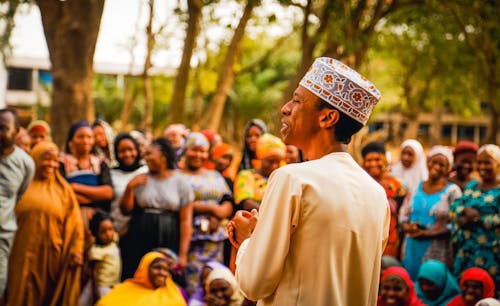

African Leadership Insights: Interviews with Influential African Leaders Across Various Fields

0

Africa is in the midst of a transformative era, driven by a new generation of leaders whose visions and philosophies are shaping the continent’s future. These are not just politicians, but innovators, entrepreneurs, and social activists who are challenging the status quo and building a more prosperous and equitable Africa. By delving into their insights, we can better understand the forces at play and the direction the continent is heading.

This article provides a glimpse into the minds of some of Africa’s most influential leaders, highlighting their unique perspectives on governance, economic development, and social change.

Strive Masiyiwa: The Visionary Tech Pioneer

One of the most prominent voices in African business and technology is Strive Masiyiwa, the founder of Econet Group. A Zimbabwean billionaire and philanthropist, Masiyiwa’s journey is a testament to the power of perseverance and a firm belief in the potential of technology to uplift communities. He famously fought a five-year legal battle against the Zimbabwean government to launch his mobile phone network, a victory that paved the way for private sector participation in the country’s telecommunications industry.

Masiyiwa’s leadership philosophy is rooted in several key principles:

  • Digital Infrastructure is a Human Right: Masiyiwa has long argued that access to telecommunications and the internet is not a luxury but a fundamental right. His work through Econet and his philanthropic initiatives aims to bridge the digital divide, providing millions of Africans with access to mobile phones, financial services, and educational resources.
  • Empowering the Next Generation: A staunch advocate for youth empowerment, Masiyiwa has leveraged his platform to mentor and support young African entrepreneurs. He believes that the continent’s demographic dividend can be unlocked through education and the creation of an enabling environment for innovation.
  • Ethical Leadership: Masiyiwa has been a vocal critic of corruption and has consistently emphasized the importance of ethical business practices and good governance for sustainable development.

Ngozi Okonjo-Iweala: The Global Economic Stateswoman

As the Director-General of the World Trade Organization (WTO), Ngozi Okonjo-Iweala embodies the idea of African leadership on the global stage. Before her role at the WTO, she served two terms as Nigeria’s Minister of Finance and played a crucial role in securing debt relief for the country. Her leadership is defined by a blend of economic expertise, diplomacy, and a deep commitment to sustainable development.

Okonjo-Iweala’s insights often focus on:

  • Trade as a Tool for Development: She passionately advocates for a more inclusive global trading system that benefits developing nations, particularly in Africa. Her vision is for Africa to move up the value chain, shifting from being a supplier of raw materials to a producer of finished goods.
  • Economic Diversification: Okonjo-Iweala has consistently stressed the need for African economies to diversify away from a reliance on oil and other commodities. She champions investment in sectors like technology, agriculture, and manufacturing to build more resilient and job-rich economies.
  • The Power of Women in Leadership: A vocal proponent for gender equality, she highlights the transformative power of women in leadership roles, arguing that their inclusion leads to better economic outcomes and more inclusive societies.

Paula Ingabire: Rwanda’s Tech Visionary

Rwanda has emerged as a continental leader in technology and innovation, and a key figure behind this transformation is Paula Ingabire, the country’s Minister of ICT and Innovation. Ingabire’s leadership is a perfect example of how a clear national strategy, backed by political will, can drive technological advancement.

Her vision for Rwanda and Africa includes:

  • Building a Knowledge-Based Economy: Ingabire is spearheading initiatives to position Rwanda as a regional tech hub, focusing on nurturing local talent and attracting foreign investment. This includes developing policies for e-waste management and promoting a culture of innovation.
  • Leveraging AI for Development: She is a strong proponent of using emerging technologies like Artificial Intelligence (AI) to solve real-world problems in sectors such as healthcare and agriculture, showcasing a forward-thinking approach to national development.
  • Creating an Enabling Environment: Ingabire’s work is focused on creating a regulatory and policy environment that is conducive to tech startups and innovation, recognizing that a supportive ecosystem is crucial for sustained growth.

Dr. Akinwumi Adesina: The Agricultural and Financial Visionary

As President of the African Development Bank (AfDB), Dr. Akinwumi Adesina has a clear and powerful vision for Africa’s economic future. A renowned agricultural expert, Adesina has successfully championed a shift in the bank’s focus to what he calls the “High 5s”: Light Up and Power Africa, Feed Africa, Industrialize Africa, Integrate Africa, and Improve the Quality of Life for Africans.

His leadership is characterized by:

  • Feeding Africa: Adesina’s most passionate crusade is against hunger. He believes that Africa has the potential to not only feed itself but also become a global food basket. His “Feed Africa” initiative focuses on leveraging technology, providing access to credit for smallholder farmers, and modernizing agricultural value chains.
  • Regional Integration: He is a strong advocate for deeper economic integration across the continent, arguing that breaking down trade barriers and improving infrastructure are essential for unlocking Africa’s full economic potential.
  • Mobilizing Resources: Under his leadership, the AfDB has secured a landmark capital increase, allowing it to fund large-scale infrastructure projects, including renewable energy initiatives like the “Desert to Power” solar project in the Sahel region.

The Path Forward: A Shared Vision

The insights from these diverse leaders reveal a common thread: a deep-seated belief in Africa’s potential and a commitment to solving its challenges with homegrown, innovative solutions. They are united by a vision of a continent that is economically self-reliant, technologically advanced, and socially inclusive. Their leadership styles, whether in the boardroom or the halls of government, are defined by a mix of pragmatism, resilience, and an unwavering focus on the future.

For those looking to understand the forces shaping Africa today, the philosophies of these and other influential leaders provide a vital roadmap. They demonstrate that while challenges remain, the continent is being steered by a generation of thought leaders who are ready to build a new and more prosperous Africa for all.


Cryptocurrency Adoption in Africa: Exploring the Growth and Challenges of Digital Currencies

0

Africa is at the forefront of a global digital finance revolution, with cryptocurrency adoption rates soaring across the continent. Driven by a unique set of economic and social factors, digital currencies are not just a speculative asset but a practical tool for daily life. They are offering an alternative to traditional financial systems that are often inaccessible, expensive, and unstable. From navigating hyperinflation to facilitating cheaper remittances, cryptocurrencies are empowering individuals and businesses. However, this rapid growth is not without its hurdles, as regulatory uncertainty and infrastructure gaps present significant challenges.

The Driving Forces Behind Crypto Adoption

The surge in cryptocurrency adoption in Africa is a response to fundamental economic realities that many face on the continent.

1. A Hedge Against Inflation and Currency Instability: Many African countries grapple with high inflation and volatile local currencies. This erodes savings and makes long-term financial planning nearly impossible for a majority of the population. Cryptocurrencies, particularly stablecoins pegged to a more stable currency like the US dollar, offer a reliable store of value. For example, in countries like Nigeria and Ghana, which have faced significant currency depreciation, stablecoins have become a vital tool for both individuals and businesses to protect their wealth and maintain purchasing power. Data from Chainalysis shows that stablecoins account for a significant portion of crypto transactions in Sub-Saharan Africa, highlighting their role in providing a hedge against economic instability.

2. Reducing Remittance Costs: Africa receives billions of dollars in remittances annually, a lifeline for millions of families. However, traditional money transfer services are notoriously expensive, with fees often averaging over 7% for a $200 transfer. Cryptocurrencies, particularly stablecoins, offer a much cheaper and faster alternative. Remittances can be sent peer-to-peer at a fraction of the cost, bypassing banks and other intermediaries. This is a game-changer for the African diaspora, who can send money home more efficiently, and for recipients who can access funds instantly. Platforms are emerging that facilitate this process, allowing users to receive payments in crypto and convert them into local currency, further streamlining the process.

3. Financial Inclusion for the Unbanked: With a large portion of the population unbanked, cryptocurrencies provide an on-ramp to financial services for those who have been left out of the formal banking system. A smartphone and an internet connection are often all that is needed to access a crypto wallet, allowing individuals to save, transact, and invest without needing a traditional bank account. This is particularly impactful for small business owners and informal traders who can now participate in a digital economy, access credit, and build a financial history.

4. The Rise of a Young, Tech-Savvy Population: Africa has the world’s youngest population, and this demographic is incredibly tech-literate and open to new financial technologies. This generation is driving the demand for digital-first financial solutions that are seamless, efficient, and mobile-friendly. Countries like Nigeria and Kenya have a large base of young, digitally-native users who are not only adopting cryptocurrencies but are also building the blockchain and Web3 projects that will shape the future of finance on the continent.

Major Challenges to Widespread Adoption

Despite the impressive growth, several significant challenges stand in the way of widespread and secure cryptocurrency adoption.

1. Regulatory Uncertainty and Government Stances: The lack of a clear, consistent regulatory framework is one of the biggest hurdles. While some countries, like South Africa, have taken a pioneering step by creating licensing frameworks for crypto firms, others have been more cautious or even outright hostile. Governments often express concerns about cryptocurrencies being used for money laundering, terrorism financing, or undermining monetary sovereignty. This regulatory ambiguity creates a volatile environment for businesses and investors, making it difficult to build long-term strategies. For example, Nigeria’s Central Bank initially restricted banks from dealing with crypto but has since started to explore a more constructive approach, acknowledging the reality of a booming market.

2. Infrastructure and Digital Literacy Gaps: While mobile phone penetration is high, consistent and affordable internet access, especially in rural areas, remains a challenge. Unreliable electricity and a lack of compatible devices can also hinder usage. Furthermore, digital literacy is a significant barrier. Many potential users lack the fundamental knowledge to securely manage digital wallets, understand private keys, and protect themselves from scams. This educational gap requires significant investment in training and awareness programs to ensure that adoption is safe and sustainable.

3. Market Volatility and Risk: The price volatility of cryptocurrencies like Bitcoin and Ethereum can be a major deterrent for individuals and businesses operating on thin margins. A sudden price swing can lead to significant financial losses, which is a risk many cannot afford to take. While stablecoins mitigate this risk, the overall perception of the crypto market’s volatility remains a concern for mainstream adoption.

The Impact on the African Economy

The impact of cryptocurrency adoption on African economies is multifaceted and continues to evolve.

  • Job Creation and Innovation: The growth of the crypto ecosystem is creating jobs in technology, finance, and marketing. Local startups and blockchain development centers are training a new generation of tech talent, positioning Africa to be a leader in the global blockchain economy.
  • Alternative to Central Bank Digital Currencies (CBDCs): While many central banks in Africa are exploring their own digital currencies (CBDCs), private stablecoins have often seen higher adoption. Nigeria’s eNaira, for example, has seen minimal usage compared to dollar-pegged stablecoins. This highlights that users often prioritize stability and utility over government-backed digital currencies, a key trend for policymakers to consider.
  • Potential for Economic Growth: By enabling cheaper cross-border trade, fostering financial inclusion, and providing a hedge against inflation, cryptocurrencies have the potential to unlock significant economic growth. They are helping to build a more resilient and interconnected financial system that can better withstand external shocks.

The Road Ahead

The future of cryptocurrency in Africa will be defined by how well the continent can navigate the twin forces of innovation and regulation. The path forward will likely involve a collaborative effort between policymakers, innovators, and the private sector. By establishing clear and supportive regulatory frameworks, investing in digital infrastructure and education, and fostering an environment of trust and transparency, African countries can harness the full potential of digital currencies to drive economic prosperity and inclusion. The adoption of cryptocurrency in Africa is not just a trend; it’s a testament to the continent’s resilience and a powerful signal of its determination to build a financial future on its own terms.

Investment Opportunities in African Markets: A Deep Dive into Emerging Sectors and Markets

0

Africa is in the midst of a profound economic transformation. With a young and rapidly urbanizing population, increasing technological adoption, and a commitment to regional integration through initiatives like the African Continental Free Trade Area (AfCFTA), the continent is no longer just a frontier market—it is an emerging hub for innovation and investment. While risks and challenges persist, the returns for savvy, patient investors are proving to be significant. Foreign direct investment (FDI) in Africa reached a record high of $97 billion in 2024, a clear signal of growing international confidence.

For potential investors, the key to success lies in understanding the specific sectors and markets that are driving this growth. The old narrative of Africa as solely a resource-based economy is being rewritten. Today, the most compelling opportunities are in sectors that are directly addressing the needs of a modernizing continent.

1. The Fintech Revolution: Leading Financial Inclusion

Fintech remains the undisputed leader of Africa’s startup ecosystem and a top destination for venture capital. The reason is simple: a massive unbanked and underbanked population, combined with high mobile phone penetration, has created a fertile ground for financial innovation. African fintech startups are not just mimicking Western models; they are building solutions from the ground up to address local realities.

  • Payment Gateways: Companies like Nigeria’s Flutterwave and Egypt’s MNT-Halan are building the digital infrastructure that enables e-commerce and cross-border trade. They provide the rails for seamless payments, making it easier for millions of small businesses and entrepreneurs to transact both locally and globally.
  • Mobile Money & Lending: The success of mobile money platforms like M-Pesa in Kenya has paved the way for a new generation of startups. Wave in Senegal, for example, is disrupting traditional mobile money models by offering free deposits and low-cost transfers, capturing a significant market share. Meanwhile, platforms are emerging that use alternative data to provide micro-loans to individuals and small-to-medium enterprises (SMEs) that lack a formal credit history.

The African fintech market is expected to grow from $10 billion in 2023 to as much as $47 billion by 2028, according to McKinsey. This growth is being fueled by a shift towards more advanced services like lending and merchant payments, offering a wide range of entry points for investors.

2. The Renewable Energy Boom: Powering a Green Future

Africa possesses an immense, largely untapped potential for renewable energy, particularly in solar, wind, and hydropower. With over 600 million people still lacking access to electricity, the demand for power is immense, and renewable sources are proving to be the most viable and cost-effective solution. In 2024, renewable energy investment in Africa soared to an estimated $40 billion, with solar projects dominating the funding.

  • Solar Energy: Countries like Morocco, Egypt, and Kenya are leading the charge with utility-scale solar projects, such as Morocco’s massive Noor solar plant. However, significant opportunities also exist in off-grid solutions. Companies like Kenya’s M-KOPA provide pay-as-you-go solar home systems, bringing clean energy and financial services to millions of rural households.
  • Green Infrastructure: Investment is also flowing into “green” infrastructure projects, including large-scale wind farms in places like Namibia and offshore power cables. This is attracting significant international project finance, with a growing focus on projects that are both profitable and sustainable.

The need to close the energy access gap and the continent’s commitment to climate action make the renewable energy sector a long-term, high-impact investment opportunity.

3. Agritech and Food Security: Innovating the Backbone of the Economy

Agriculture is a cornerstone of Africa’s economies, employing a large portion of the population. However, the sector is often characterized by low productivity and significant post-harvest losses. Agritech startups are changing this by introducing technology to the farm and the supply chain.

  • Supply Chain Optimization: Startups like Twiga Foods in Kenya are building B2B platforms that connect smallholder farmers directly with retailers, eliminating middlemen and ensuring fair prices. This not only boosts farmer incomes but also improves food security by reducing waste.
  • Smart Farming Solutions: Companies like Hello Tractor are leveraging technology to increase mechanization. Dubbed the “Uber for tractors,” the platform allows farmers to book tractor services on a pay-as-you-go basis, making essential equipment accessible and affordable. Other startups are using drones and AI to provide precision farming services, helping farmers optimize crop yields.

With 60% of the world’s uncultivated arable land, Africa’s agricultural sector is ripe for disruption and offers significant returns for investors willing to back innovative solutions that address food security challenges.

4. E-commerce and Logistics: The Growth of Digital Trade

E-commerce is a rapidly expanding sector in Africa, fueled by a young, urbanizing population and increasing internet connectivity. While challenges with logistics and payments remain, startups are rapidly building the infrastructure to support a digital economy. The size of Africa’s e-commerce market is projected to double over the next five years, reaching $113 billion by 2029.

  • Retail Platforms: The entry of international giants like Amazon into markets like South Africa is driving consumer adoption, but local players are also thriving. Companies like Egypt’s MaxAB and Kenya’s Wasoko are dominating the B2B e-commerce space, providing retailers with a more efficient way to source goods.
  • Logistics Solutions: A robust logistics network is essential for e-commerce to flourish. Startups like Kenya’s Sendy are building asset-light platforms that connect businesses with reliable delivery services, addressing the “last-mile” problem that plagues many African markets.

Key Markets to Watch

While investment opportunities exist across the continent, certain countries stand out as particularly promising hubs for investment.

  • Egypt: With a large domestic market and a strategic location connecting Africa, Europe, and the Middle East, Egypt has become a top destination for FDI, particularly in urban development and renewable energy projects.
  • Nigeria: As Africa’s most populous country and largest economy, Nigeria is a major hub for fintech and a magnet for venture capital, despite facing macroeconomic challenges. Its sheer scale offers immense potential.
  • Kenya: A regional powerhouse and the heart of East Africa’s tech scene, Kenya is known for its vibrant startup ecosystem, especially in fintech and agritech. Its pro-business environment and high mobile money adoption make it a fertile ground for innovation.
  • South Africa: With its advanced infrastructure and sophisticated financial markets, South Africa remains a key entry point for investors. It is a leading market for e-commerce, renewable energy, and mining.
  • Senegal and Ghana: These West African nations are gaining traction as emerging markets, with strong GDP growth, improving infrastructure, and a focus on diversifying their economies beyond traditional resources.

Conclusion

Africa’s investment landscape is evolving at a breathtaking pace. The narrative is shifting from one of risk to one of immense opportunity. The success of startups in fintech, renewable energy, agritech, and e-commerce is not only generating impressive returns but is also creating a more inclusive and sustainable future for the continent. For investors with a strategic vision and a commitment to long-term partnerships, Africa offers a chance to be part of one of the most exciting economic growth stories of the 21st century. The key is to look beyond the headlines, understand the on-the-ground realities, and invest in the innovators who are building the foundations of a new Africa.

Navigating Business Regulations in Africa: A Guide to Understanding and Overcoming Regulatory Challenges

0

Africa is a continent of immense opportunity, boasting the world’s youngest population, a rapidly growing middle class, and abundant natural resources. Yet, for many entrepreneurs and international businesses, the regulatory landscape can appear as a complex and intimidating maze. With 54 countries, each with its own unique legal systems, political environments, and cultural norms, the idea of navigating business regulations can seem overwhelming. However, with the right knowledge, strategy, and local partnerships, these challenges are not only surmountable but can also become a key to unlocking success.

This comprehensive guide is designed to demystify the regulatory environment in Africa, providing insights into common challenges and offering practical advice on how to overcome them. By understanding the lay of the land, businesses can position themselves for sustainable growth and make a meaningful impact on the continent’s dynamic economies.

The Landscape of Regulatory Challenges: What to Expect

While Africa is not a monolith, several recurring themes emerge when discussing regulatory hurdles. These challenges often stem from a combination of historical, economic, and political factors.

1. Complex and Diverse Legal Frameworks: Africa’s legal systems are a blend of common law, civil law, and customary law, often influenced by colonial legacies. This diversity means that what works in Kenya (common law) may not be applicable in a neighboring country like Côte d’Ivoire (civil law). Businesses must be prepared to conduct thorough legal research for each country they enter. Key areas of complexity include company registration laws, contract enforcement, and intellectual property rights.

2. Bureaucracy and Inefficient Processes: One of the most frequently cited challenges is the presence of bureaucratic hurdles. Lengthy approval processes, inconsistent policy implementation, and a lack of transparency can slow down business operations significantly. Registering a business, obtaining licenses, and securing permits can often involve multiple government agencies, each with its own set of requirements and timelines.

3. Taxation and Financial Regulations: Tax systems in Africa can be complex and are constantly evolving. Businesses must navigate a variety of taxes, including corporate income tax, value-added tax (VAT), withholding tax, and other levies. Moreover, financial regulations, particularly in the fintech sector, can be restrictive. For instance, payment companies often require multiple licenses to operate across different countries, and regulations around foreign exchange and capital controls can add another layer of complexity.

4. Labor Laws and Employment Regulations: Hiring and managing local talent is a critical component of doing business in Africa. However, labor laws can be very different from those in North America or Europe. Businesses must be aware of regulations concerning minimum wage, working hours, social security contributions, and termination procedures. In some countries, there are also “local content” requirements, which mandate that a certain percentage of employees or resources must be sourced locally.

5. Political and Governance Instability: Political instability, governance challenges, and corruption are real concerns in some regions. Changes in government can lead to abrupt shifts in policy and regulations, creating an unpredictable business environment. Corruption, while a global issue, can manifest as bureaucratic inefficiencies and can pose ethical dilemmas for businesses striving for transparency and good governance.

A Practical Guide to Overcoming Regulatory Hurdles

Despite these challenges, countless businesses are thriving in Africa by adopting smart, strategic approaches. Here’s a guide to navigating the regulatory landscape successfully.

1. Do Your Homework: Thorough Market and Legal Research Before entering a new market, invest heavily in comprehensive research. This goes beyond understanding the market demand for your product or service. You need to thoroughly analyze the legal and regulatory framework of your target country.

  • Consult “Doing Business” Guides: Resources from organizations like the World Bank (while its “Doing Business” report has been discontinued, its data and analysis remain useful), the African Development Bank, and international law firms provide valuable overviews of a country’s business climate.
  • Identify Key Regulatory Bodies: Understand which government agencies will be relevant to your business, such as the Business Registration Service, Revenue Authority, and industry-specific regulators (e.g., central banks for fintech, health ministries for healthtech).
  • Choose the Right Business Structure: Decide on the best legal structure for your business. Options like a wholly-owned subsidiary, a joint venture with a local partner, or a branch office each have different legal and tax implications.

2. Partner with Local Experts This is perhaps the single most important piece of advice for navigating business regulations in Africa. Partnering with a local legal firm, an accounting service, or a business consultant who has deep experience in the target country can save you from a multitude of costly mistakes.

  • Legal Counsel: A local lawyer can provide invaluable advice on business registration, contract law, and compliance. They can help you navigate complex legal jargon and ensure all your documents are in order.
  • Accountants and Tax Experts: An experienced local accountant will help you understand the tax regime, ensure timely filings, and advise on how to optimize your tax structure in compliance with local laws.
  • Local Partners and Advisors: Engaging with a local partner who has a strong network and a deep understanding of cultural nuances can streamline processes and build trust with stakeholders.

3. Leverage Technology and Regional Agreements Technology is not just a product in Africa; it’s a tool for navigating regulations. Many countries are digitizing government services, making processes like business registration and tax filing more efficient. For example, Kenya’s eCitizen portal and Nigeria’s Corporate Affairs Commission (CAC) online portal have simplified company registration significantly.

Furthermore, the African Continental Free Trade Area (AfCFTA) is a game-changer. This agreement aims to create a single market for goods and services across the continent, with harmonized regulations and reduced tariffs. While full implementation is an ongoing process, businesses should stay informed about AfCFTA’s developments and leverage regional blocs like the Economic Community of West African States (ECOWAS) or the East African Community (EAC) to simplify cross-border operations.

4. Build Relationships and Engage with Regulators In many African countries, business is built on relationships. Actively engaging with regulatory bodies, chambers of commerce, and trade associations can provide crucial insights and help build a reputation of legitimacy and trust.

  • Proactive Communication: Instead of waiting for problems to arise, proactively communicate with regulators to understand new policies or impending changes.
  • Participate in Dialogues: Join industry associations and forums where you can contribute to policy discussions and influence regulatory outcomes.
  • Ethical Practices: Uphold the highest standards of transparency and ethical conduct. A reputation for integrity is a valuable asset that can help you build long-term relationships with both regulators and the wider community.

Case Studies in Success: A Glimpse of the Possible

Consider the success of M-Pesa in Kenya. When it launched, mobile money was a completely new concept. The company worked closely with the Central Bank of Kenya to create a new regulatory framework for mobile financial services. This collaborative approach not only allowed M-Pesa to operate legally but also helped establish Kenya as a global leader in mobile banking.

Similarly, Jumia, the pan-African e-commerce giant, has successfully navigated diverse regulatory landscapes across multiple countries. By building strong local teams and adapting its business model to fit local market conditions and regulations, Jumia has managed to create a unified platform while respecting the individual regulatory environments of each country it operates in.

The Path Forward

Navigating business regulations in Africa is a journey, not a destination. It requires patience, a commitment to local engagement, and a flexible, long-term perspective. While the challenges are real, the rewards are immense. The continent’s dynamic economies and growing markets offer unparalleled opportunities for those who are prepared to understand and respect its unique regulatory landscapes. By investing in local expertise, leveraging technology, and fostering strong relationships, businesses can not only survive but thrive, becoming an integral part of Africa’s exciting future.

Innovative Startups in Africa: Highlighting the Latest Tech Startups and Their Impact on the Continent’s Economy

0

Africa’s digital revolution is in full swing, and at its core is a vibrant, rapidly expanding ecosystem of tech startups. Far from being passive consumers of technology, a new generation of African innovators is building solutions tailored to the continent’s unique challenges. These startups are not just creating successful businesses; they are also transforming economies, fostering financial inclusion, and creating a new wave of jobs. The influx of venture capital, coupled with a young, tech-savvy population, has positioned Africa as a global leader in innovative tech, particularly in sectors that address fundamental needs.

From financial services to healthcare and agriculture, these startups are “leapfrogging” traditional infrastructure and using mobile technology to deliver essential services to millions who were previously unserved. The impact is profound, reshaping industries and creating a more inclusive and prosperous future for the continent. Let’s delve into some of the most dynamic sectors and the startups that are making a significant impact.

Fintech: The Engine of Financial Inclusion

Fintech, or financial technology, is arguably the most dominant sector in Africa’s startup ecosystem. With over 60% of adults in Sub-Saharan Africa still unbanked, fintech companies are addressing a massive market gap. They are building mobile-first platforms that provide access to digital payments, loans, savings, and remittance services, bringing millions into the formal financial system for the first time.

One of the most prominent examples is Flutterwave, a Nigerian-founded company that has achieved unicorn status (a valuation of over $1 billion). Flutterwave provides a payment infrastructure for global merchants and payment service providers, enabling seamless cross-border transactions. Its platform allows businesses to accept payments in over 150 currencies, making it easier for African businesses to participate in the global economy. By simplifying payments, Flutterwave has empowered a generation of entrepreneurs and small businesses, creating a ripple effect of economic growth.

Another fintech powerhouse is MNT-Halan in Egypt, a fully digital ecosystem that offers a range of financial services including micro-loans, payment solutions, and e-commerce services. MNT-Halan’s success lies in its ability to cater to the unbanked and underbanked, providing them with essential financial tools. Its platform uses alternative data to assess creditworthiness, bypassing the need for a traditional credit history and opening up credit to a vast new customer base.

In the mobile money space, Wave, a startup founded in Senegal, has been a game-changer. By offering instant, free deposits and low-cost withdrawals, Wave has disrupted the traditional mobile money landscape, which often involved high transaction fees. Its innovative approach has attracted millions of users, proving that a customer-centric, low-cost model can be a path to both profitability and significant social impact.

Healthtech: Bridging the Healthcare Gap

Access to quality healthcare remains a major challenge in many parts of Africa. Healthtech startups are stepping in to fill this void by leveraging technology to improve access, efficiency, and quality of medical services. These companies are building solutions that range from telemedicine to digitized medical records and pharmaceutical supply chain management.

Zuri Health, a Kenyan-based telehealth company, is a prime example. The startup allows patients to consult with doctors, get prescriptions, and order medications all through their mobile phones. This is particularly impactful in rural areas where access to physical clinics is limited. By digitizing healthcare, Zuri Health is not only making services more accessible but also more affordable and convenient for millions of Africans.

In Nigeria, Helium Health is tackling the fragmentation of medical information by providing a comprehensive electronic health records (EHR) platform for hospitals and clinics. By centralizing patient data, Helium Health improves the quality of care, reduces medical errors, and enhances operational efficiency. The company’s platform has become a vital tool for healthcare providers across West Africa, creating a more integrated and effective healthcare system.

Another innovative player is Ubenwa Health in Nigeria, which uses an AI-powered solution to analyze the cries of newborn babies to detect signs of asphyxia and other neurological conditions. This groundbreaking technology is saving lives by enabling early diagnosis in settings where advanced medical equipment is not available, showcasing the power of AI to solve critical healthcare challenges.

Agritech: Feeding a Continent with Technology

Agriculture is the backbone of many African economies, but it often suffers from low productivity, post-harvest losses, and inefficient supply chains. Agritech startups are transforming this sector by bringing technology to the farm.

Hello Tractor, a Kenyan-founded startup, has been dubbed the “Uber for tractors.” Its platform connects smallholder farmers with tractor owners, allowing them to book and pay for tractor services on a pay-as-you-go basis. This addresses a major barrier for small-scale farmers who cannot afford to own expensive machinery. By increasing access to mechanization, Hello Tractor is boosting crop yields and increasing the income of thousands of farmers.

In Ghana, AkoFresh is tackling the problem of post-harvest losses with an innovative solar-powered cold storage system. These off-grid units allow farmers to preserve their produce for longer periods, reducing waste and enabling them to sell their crops at better prices. AkoFresh’s solution not only improves food security but also provides a sustainable, cost-effective alternative to traditional storage methods.

Another key player is Twiga Foods in Kenya, a B2B platform that connects farmers directly with retailers. By using a data-driven system to manage the supply chain, Twiga Foods eliminates middlemen, ensuring fair prices for farmers and providing retailers with fresh produce at competitive prices. This model is creating a more efficient and transparent agricultural market, benefiting both producers and consumers.

The Broader Economic Impact

The success of these startups extends far beyond their individual ventures. They are collectively contributing to a digital economy that is creating jobs, attracting foreign investment, and fostering a culture of innovation. A report by Disrupt Africa showed that the number of jobs created by funded African tech startups nearly doubled in 2022, demonstrating their crucial role in addressing unemployment.

Furthermore, these startups are attracting significant venture capital, with the fintech sector alone accounting for a large percentage of total funding. This investment is not just a sign of confidence in individual companies but in the entire continent’s potential. As these startups mature, they are building a robust ecosystem of talent, technology, and capital that will continue to drive Africa’s economic transformation for years to come.

In conclusion, the rise of innovative startups in Africa is a powerful testament to the continent’s entrepreneurial spirit and its potential to lead in the digital age. By solving local problems with creative, scalable, and technology-driven solutions, these companies are not only building successful businesses but are also creating a more inclusive, prosperous, and sustainable future for Africa. Their stories are a beacon of hope and a clear signal that the world needs to pay attention to the innovation coming out of Africa.

Africa’s Rising Entrepreneurs: Profiles and Success Stories of Young African Entrepreneurs Making Waves in Various Industries

0

Africa, a continent often associated with challenges, is also a hotbed of innovation and entrepreneurial spirit. A new generation of young Africans is stepping up, defying limitations, and building businesses that are not only economically viable but also addressing critical societal needs. From tech startups to sustainable agriculture, and from fashion to renewable energy, these rising entrepreneurs are reshaping industries and inspiring a continent. Their stories of resilience, creativity, and determination offer a powerful narrative of Africa’s potential and its promising future. In this article, we delve into the journeys of some of these remarkable young individuals, exploring their ventures, the obstacles they’ve overcome, and the significant impact they are making.

Pioneering Tech Solutions:

Technology is a powerful catalyst for change, and young African entrepreneurs are at the forefront of leveraging it to solve local challenges. Consider Isha Sesay, a dynamic entrepreneur from Sierra Leone who founded GUINEA PIG Technologies. Recognizing the lack of accessible and affordable digital literacy training in her community, Isha developed a mobile-first platform offering interactive coding lessons and digital skills workshops. What started as a small initiative has now expanded across several West African nations, empowering thousands of young people with the skills needed to participate in the digital economy. Isha’s journey wasn’t without its hurdles – limited internet access and initial skepticism about online learning were significant obstacles. However, her unwavering belief in the transformative power of technology and her ability to adapt her model to local contexts have been key to her success. GUINEA PIG Technologies is not just a business; it’s a social enterprise bridging the digital divide and creating opportunities for the next generation of African tech innovators.

Similarly, in Nigeria, Obinna Eze, the founder of AgriChain, is revolutionizing the agricultural sector through technology. AgriChain connects smallholder farmers directly with markets, cutting out intermediaries and ensuring fair prices for their produce. The platform provides farmers with access to real-time market information, weather forecasts, and even micro-loans, all through a simple mobile application. Obinna, who comes from a farming background, witnessed firsthand the challenges faced by his community due to inefficient supply chains and exploitative practices. His passion to address these issues led to the creation of AgriChain, which has not only increased the income of participating farmers but has also contributed to food security in the region. The initial challenge was building trust among farmers who were accustomed to traditional ways of doing business. Obinna and his team invested significant time in community engagement and education, demonstrating the tangible benefits of their platform. Today, AgriChain is a thriving ecosystem that is transforming agriculture in Nigeria and serves as a model for other African nations.

Driving Sustainability and Innovation:

Beyond technology, young African entrepreneurs are also making significant strides in promoting sustainability and developing innovative solutions to environmental and social challenges. In Kenya, Charlot Magayi is the founder of Mukuru Clean Stoves, a social enterprise that produces and distributes clean-burning, affordable cookstoves. Traditional cooking methods using open fires or rudimentary stoves are a major source of indoor air pollution, leading to severe health problems and environmental degradation. Charlot, who experienced the devastating effects of this firsthand, developed a stove that significantly reduces smoke emissions and fuel consumption. Mukuru Clean Stoves not only improves the health of families but also creates employment opportunities for local artisans involved in the production process. Charlot’s journey was marked by the challenges of accessing funding and navigating cultural norms around cooking practices. However, her relentless dedication to her mission and her ability to demonstrate the tangible benefits of her product have led to widespread adoption and recognition.

In South Africa, Thato Kgatlhanye founded Rethaka Repurposed Goods, a company that collects and recycles plastic waste to manufacture school bags embedded with solar-powered lights. These innovative bags provide children in underprivileged communities with a safe way to walk home after dark and enable them to study in the evening without relying on expensive and often unreliable electricity. Thato’s vision addresses multiple challenges simultaneously: environmental sustainability, access to education, and safety. Her entrepreneurial journey has been characterized by resourcefulness and a strong commitment to social impact. Rethaka’s success has not only provided thousands of children with essential resources but has also raised awareness about the importance of waste management and the potential for circular economy solutions in Africa.

Transforming Traditional Industries:

Young African entrepreneurs are also injecting innovation and creativity into more traditional industries, breathing new life into sectors like fashion and agriculture. In Ghana, Kwame Bediako is the founder of Caveman Watches, a luxury watch brand that celebrates African heritage and craftsmanship. Kwame started his business with limited capital but with a strong vision to create high-quality timepieces that tell the story of Africa. He overcame manufacturing challenges by partnering with local artisans and investing in skills development. Caveman Watches has gained international recognition for its unique designs and its commitment to quality, proving that African brands can compete on a global scale. Kwame’s success story is an inspiration to aspiring entrepreneurs in the creative industries across the continent.

In Zimbabwe, Tafadzwa Mavindidze is transforming the agricultural landscape with FarmBuzz, an online platform that connects farmers with buyers and provides them with access to agricultural information and resources. Recognizing the inefficiencies and lack of transparency in the traditional agricultural market, Tafadzwa developed a user-friendly platform that streamlines the buying and selling process. FarmBuzz also offers educational content on best farming practices and connects farmers with potential investors. Tafadzwa’s journey involved overcoming technological barriers in rural communities and building trust among farmers who were initially hesitant to embrace digital solutions. However, his persistence and his deep understanding of the local agricultural context have made FarmBuzz a valuable tool for farmers across Zimbabwe, contributing to increased productivity and market access.

The Road Ahead:

The stories of Isha Sesay, Obinna Eze, Charlot Magayi, Thato Kgatlhanye, Kwame Bediako, and Tafadzwa Mavindidze are just a few examples of the incredible entrepreneurial talent that is emerging across Africa. These young individuals are not only building successful businesses but are also creating jobs, driving innovation, and addressing critical social and environmental challenges. Their journeys are often fraught with obstacles – limited access to funding, inadequate infrastructure, and navigating complex regulatory environments. However, their resilience, creativity, and unwavering commitment to their visions are paving the way for a brighter future for the continent.

Supporting these rising entrepreneurs is crucial. This includes providing access to funding, mentorship, and business development resources. Governments and policymakers have a vital role to play in creating an enabling environment that fosters entrepreneurship, reduces bureaucratic hurdles, and promotes innovation. Investing in education and skills development is also essential to equip the next generation with the tools they need to succeed as entrepreneurs.

Africa’s rising entrepreneurs are a testament to the continent’s dynamism and potential. Their stories of innovation, resilience, and impact are inspiring a new wave of change and demonstrating that Africa is not just a continent of challenges but also a land of immense opportunity and entrepreneurial spirit. As they continue to make waves in various industries, these young leaders are shaping the future of Africa and offering valuable lessons for the world. Their success is not just their own; it is a collective achievement that signals a new era of African ingenuity and progress.

The Unseen Threat: How AI-Powered Phishing and Social Engineering Are Outsmarting Traditional Defenses

0

For decades, the standard advice for spotting a phishing email has remained the same: “Look for bad grammar, strange formatting, and a generic salutation.” This wisdom, born from an era of unsophisticated cybercrime, is now dangerously outdated. The advent of generative AI has armed cybercriminals with a new and potent weapon, transforming phishing from a crude, scattergun approach into a hyper-personalized, and frighteningly effective, art form.

This new generation of AI-powered attacks is not just a marginal improvement on old methods; it represents a fundamental shift in the cybersecurity landscape. What was once a human-driven weakness—the susceptibility to manipulation and trust—is now being exploited at machine speed and scale.

From Generic Scams to Hyper-Personalized Attacks

Traditional phishing attempts relied on casting a wide net, hoping a fraction of generic emails would deceive a few recipients. The “Nigerian prince” scam was a classic example. Today, AI-powered social engineering operates on a different principle: precision.

AI models can now scrape vast amounts of publicly available data from social media profiles, professional networks, and corporate websites. This data allows them to build detailed psychological profiles of targets, understanding their communication style, professional relationships, and even personal interests.

  • Mimicking Voice and Style: AI-powered language models can analyze a CEO’s public statements or a colleague’s email history and generate messages that perfectly mimic their tone, vocabulary, and even their unique conversational quirks. This makes it virtually impossible to detect a fraudulent email based on language alone.
  • Contextual Deception: A traditional phishing email might have a vague subject line. An AI-powered version will create a subject line tied to a recent corporate event, a project you’re working on, or even a personal interest you’ve shared online. The content will then be tailored to reference these details, creating a compelling sense of legitimacy and urgency.

The Rise of Deepfake Fraud: The New Face of Deception

The most alarming evolution of AI-powered social engineering is the use of deepfake technology. These attacks go beyond text, leveraging AI to generate incredibly realistic audio and video that can be used to impersonate trusted individuals.

Recent cases highlight the devastating effectiveness of this technology. In early 2024, an employee at a multinational firm was tricked into transferring over $25 million after being instructed to do so on a video conference call with what appeared to be the company’s CFO and other senior staff. The individuals on the call were AI-generated deepfakes, their likenesses and voices so convincing they bypassed the employee’s suspicion entirely.

Another case saw criminals use an AI-generated voice clone of a company’s CEO, complete with their distinct accent and speech patterns, to convince a subordinate to wire a substantial sum of money to a fraudulent account. These “vishing” (voice phishing) attacks bypass traditional email security filters and prey on the trust we place in a person’s voice or face.

Outsmarting Traditional Defenses

AI-powered attacks are not just more convincing; they are designed to actively evade traditional cybersecurity defenses.

  • Evading Signature-Based Filters: Traditional email security relies on a database of known threats and signatures. AI-generated phishing emails, however, are often “polymorphic,” meaning each message is slightly different, preventing them from being flagged by static filters.
  • Overwhelming Volume: AI enables cybercriminals to launch thousands of highly personalized attacks simultaneously, a scale that would be impossible with manual effort. This sheer volume can overwhelm a company’s defenses and increase the probability of a successful breach.

The Path Forward: A Hybrid Defense

In this new threat landscape, traditional security measures are no longer sufficient. A successful defense strategy must be a hybrid one, combining sophisticated AI-powered security tools with a re-empowered human workforce.

  1. AI-Driven Defenses: Cybersecurity firms are fighting fire with fire, developing AI-powered security tools that can analyze behavioral signals and language patterns in real-time, going beyond simple keyword detection. These systems can flag emails with an unusual tone or with a sense of urgency that is out of character for the sender.
  2. Human Verification and Zero-Trust: The human element remains the last line of defense. Businesses must move beyond annual security training and implement a “zero-trust” framework. This means no request, especially for financial or sensitive data, should ever be taken at face value. A culture of vigilance must be fostered where employees are encouraged to verify every unusual request through a separate, known channel—a phone call, a different email, or an in-person meeting.
  3. Authentication Protocols: The implementation of multi-factor authentication (MFA) is more critical than ever. Even if a deepfake video or a cloned voice manages to trick an employee, a second layer of authentication can prevent a fraudulent transaction from being completed.

The age of the AI-powered cybercriminal is here, and they are outsmarting traditional defenses with remarkable speed and precision. The key to staying ahead is not to fear this new technology, but to understand its capabilities, and to build a layered defense that leverages the best of both human intuition and artificial intelligence.

From Centralized to Decentralized: The Business Case for Web3 and How It’s Reshaping Data Ownership

0

The internet as we know it—often referred to as Web2—is built on a centralized model. A handful of tech giants act as powerful intermediaries, controlling the vast majority of our digital lives. They host our data, manage our identities, and monetize our interactions, creating a system where the user is the product, not the owner. This model has fueled unprecedented innovation but has also led to a crisis of trust, with growing concerns over data privacy, security, and censorship.

Enter Web3: the next evolutionary stage of the internet. Powered by blockchain technology and a philosophical commitment to decentralization, Web3 represents a paradigm shift that is fundamentally reshaping the relationship between users, platforms, and data. The business case for Web3 isn’t just about adopting a new technology; it’s about embracing a new model where the customer is a partner, not a passive data point.

The Core Problem with Web2: A Centralized Data Hoard

In Web2, your digital identity—your profile information, content, and transaction history—is fragmented and owned by the platforms you use. If you want to switch from one social media site to another, you have to start from scratch. Your data is locked in a silo, and the company that owns that silo dictates how it can be used, shared, and monetized. This model creates several critical vulnerabilities:

  • Security Risks: Centralized databases are prime targets for hackers. A single data breach at a major corporation can expose the personal information of millions of users.
  • Lack of Portability: Users have no control over their data, making it difficult to move their digital assets or identity from one platform to another.
  • Censorship and Control: Centralized platforms have the power to de-platform users, censor content, and alter the rules of their ecosystem without community input.

The Web3 Solution: Data Ownership as a Feature

Web3 addresses these vulnerabilities by shifting control of data from the platform to the individual user. This is achieved through a suite of decentralized technologies and a new approach to digital identity.

  • Decentralized Identities (DIDs): Web3 uses cryptographic keys to create a self-sovereign digital identity that is not tied to any single company. Users can use this single identity across multiple platforms without having to share their personal information each time. They can selectively disclose only the data needed for a specific transaction, putting them in complete control of their privacy.
  • Smart Contracts: These self-executing agreements on the blockchain automate the rules around data ownership and access. A user can create a smart contract that allows a specific application to access a limited set of their data for a defined period, and this access is automatically revoked when the conditions are no longer met. This eliminates the need for a trusted third party to mediate the data exchange.
  • Tokenization and Monetization: In Web3, data ownership can be monetized. For example, a user could opt-in to share anonymized health data with a research institution in exchange for a token. This model flips the script, allowing individuals to benefit directly from their data rather than having it harvested and sold without their consent. Companies like Ocean Protocol are building marketplaces for data, where users can sell access to their data sets while maintaining control and privacy.

The Business Case for Embracing Decentralization

The shift to Web3 is not just a technological imperative; it’s a strategic business opportunity. Companies that embrace decentralized principles can build a more resilient, trustworthy, and customer-centric business model.

  1. Building Deeper Customer Trust: In an era of data fatigue and privacy concerns, giving users control over their data is a powerful way to build trust. A Web3-native business can market itself not on what it collects, but on what it protects. This transparency and respect for user autonomy can be a significant competitive advantage, leading to higher customer loyalty and stronger brand reputation.
  2. Unlocking New Business Models: Web3 opens the door to innovative revenue streams. Companies can create community-owned platforms where users are rewarded with tokens for their contributions, fostering a sense of shared ownership and loyalty. Token-based loyalty programs, for example, can give customers rewards that are not just redeemable within the company’s ecosystem but are also tradable assets.
  3. Reducing Operational and Security Costs: Decentralized data storage solutions reduce a company’s reliance on costly, single-point-of-failure servers. A distributed data architecture is inherently more secure and censorship-resistant. Additionally, smart contracts can automate processes that once required expensive legal or administrative oversight, reducing overhead and increasing efficiency.

The Road Ahead: Navigating the Transition

While the promise of Web3 is immense, the transition is not without its challenges. The technology is still maturing, and issues around scalability, user experience, and regulatory frameworks are still being addressed.

For established businesses, the path forward is to start small. Experiment with a Web3-powered loyalty program, explore decentralized identity solutions for user authentication, or leverage blockchain for supply chain transparency. The key is to begin the journey of re-thinking data, not as a corporate asset to be hoarded, but as a user asset to be respected, protected, and empowered.

The future of business is not in the centralized control of data, but in its decentralized, secure, and user-owned distribution. The companies that recognize this fundamental shift and build their strategies around it will be the ones that win the trust of the next generation and define the business landscape for decades to come.

Founders’ Stories: The Second Act: What Happens When a Successful Entrepreneur Decides to Do It All Over Again

0

In the world of entrepreneurship, a successful exit—whether it’s an IPO or a lucrative acquisition—is often viewed as the final chapter. But for a distinct breed of founder, it’s merely the end of the first act. These serial entrepreneurs, having built and scaled a company from scratch, find themselves drawn back to the chaotic, exhilarating world of startups, not for the money, but for the thrill of the build.

This “second act” is a journey that is both a fresh start and a continuation of a profound learning curve. It’s a path forged with the wisdom of past mistakes and the leverage of hard-won networks. However, it’s also a journey with its own unique set of challenges, from managing heightened expectations to avoiding the very traps that success can create.

This is an in-depth look at what happens when a successful founder decides to do it all over again, and the critical lessons their stories offer to both first-time and seasoned entrepreneurs.

The Unfair Advantages: What Second-Time Founders Bring to the Table

While first-time founders are driven by raw passion and a steep learning curve, second-time founders enter the game with a powerful set of compounding advantages.

  1. The Network Effect: A founder who has successfully built and exited a company has a network of investors, mentors, and top-tier talent that is almost impossible to replicate. This “relationship capital” drastically reduces the time it takes to raise funding, find a co-founder, or hire an early-stage team. A warm introduction from a proven founder carries more weight than a cold pitch.
  2. Pattern Recognition: The experience of navigating a startup from idea to scale gives second-time founders an invaluable sense of pattern recognition. They can identify red flags in a business model, a pitch deck, or a potential hire with a speed that first-timers can’t. They’ve lived through the fundraising rollercoaster, the product pivots, and the scaling pains, allowing them to make faster, more confident decisions with a higher probability of success.
  3. Operational Maturity: Having been burned by common startup mistakes—like bad hiring decisions or a lack of clear processes—second-time founders are often meticulous about building a solid operational foundation from day one. They are more likely to delegate, document processes, and build systems that allow the business to scale without requiring their constant, day-to-day presence.

The New Challenges: The Traps of Experience

Despite their advantages, the second act is far from a victory lap. Serial founders face a new set of psychological and strategic hurdles that can be just as difficult to overcome as the initial challenges of starting a business.

  1. The Curse of Knowledge: A common trap is the tendency to assume that the “last playbook” will work again. Every market, product, and context is unique. A second-time founder’s deep expertise can sometimes become a blind spot, preventing them from seeing a new problem with a beginner’s mind. The most successful second-act founders are those who retain a sense of “ignorant optimism” and a willingness to question their own assumptions.
  2. Overconfidence and Ego: Past success can breed overconfidence. This can lead to a founder underestimating the role of luck in their first venture, spending too much money too soon, or failing to ask the “stupid questions” that often uncover critical insights. The pressure of living up to a past success can also lead to a fear of failure, causing a founder to perfect a product to an unhealthy degree before launching.
  3. The “Why” Must Be Stronger: The motivation for a second act is rarely just about money. The emotional and psychological toll of a startup is immense. The “why” for starting over has to be more profound—a passion for solving a new problem, a desire for a lasting impact, or a pure, unadulterated love for the building process. Without a compelling “why,” the relentless grind of a new startup can feel hollow and unsustainable.

The Second Act Playbook: Lessons for All Entrepreneurs

The stories of second-act founders offer a powerful blueprint for any entrepreneur looking to build a sustainable, impactful company.

  • Obsess over the Problem, Not the Solution: Successful second-time founders focus on a problem they know intimately from their last life and are attached to the problem, not the solution. They relentlessly validate the need for their new product or service before committing significant resources.
  • Build a Team with Shared Values: Experience teaches that a brilliant team that is misaligned on values can be a company’s downfall. Second-time founders are often more deliberate and strategic about hiring, prioritizing cultural fit and shared purpose above all else.
  • Embrace Humility and Continuous Learning: The most enduring lesson of the second act is the importance of humility. The market doesn’t care about your past successes. It’s a new game, with new rules. The willingness to listen, to learn, and to pivot in the face of new information is the ultimate competitive advantage.

In a world where founding a company is increasingly a repeatable process, the stories of second-act founders reveal a deeper truth: success is not a destination, but a state of mind. It’s a perpetual journey of creation, fueled not by the accolades of the past, but by the relentless curiosity for what can be built next.