Home Blog Page 315

How to Start Bee Farming in Kenya (Beekeeping Guide)

Here’s a comprehensive guide on how to start bee farming in Kenya:

1. Research and Education

  • Learn the Basics: Understand bee biology, behavior, and the basics of beekeeping.
  • Attend Workshops: Participate in local beekeeping courses or workshops for hands-on experience.

2. Choose a Suitable Location

  • Site Selection: Look for a location with abundant flowering plants, access to water, and minimal pesticide use.
  • Distance from Other Apiaries: Maintain a safe distance from other beekeepers to prevent disease spread.

3. Select Bee Species

  • Common Species in Kenya: Consider the Africanized honey bee or the Italian honey bee for honey production.
  • Local Adaptation: Choose a species well-adapted to your local climate and flora.

4. Acquire Beekeeping Equipment

  • Essential Gear:
    • Bee hives (Langstroth or top-bar hives)
    • Protective clothing (suit, gloves, veil)
    • Tools (smoker, hive tool, bee brush)
  • Purchase or DIY: You can buy equipment or build your own hives.

5. Start with a Few Hives

  • Initial Investment: Begin with 2-5 hives to learn the basics without overwhelming yourself.
  • Observation: Regularly check hives for health, activity, and honey production.

6. Maintain Hive Health

  • Regular Inspections: Monitor for pests, diseases, and overall colony health.
  • Feeding: Provide sugar syrup or pollen substitutes during nectar shortages.

7. Harvest Honey

  • Timing: Harvest honey when the frames are fully capped (sealed with wax).
  • Methods: Use an extractor or crush-and-strain method to collect honey.

8. Market Your Honey

  • Local Markets: Sell honey at local markets, grocery stores, or directly to consumers.
  • Branding: Consider packaging and branding to appeal to health-conscious buyers.

9. Join Beekeeping Associations

  • Networking: Connect with local beekeeping groups for support, resources, and shared experiences.
  • Knowledge Sharing: Stay updated on best practices and innovations in beekeeping.

10. Stay Compliant with Regulations

  • Licensing: Check with local authorities about any necessary permits or licenses for beekeeping.
  • Health Regulations: Follow recommended practices to ensure honey quality and safety.

Conclusion

Starting bee farming in Kenya can be a rewarding venture, contributing to food security and environmental health. With proper planning, education, and community support, you can build a successful beekeeping operation. Happy beekeeping!
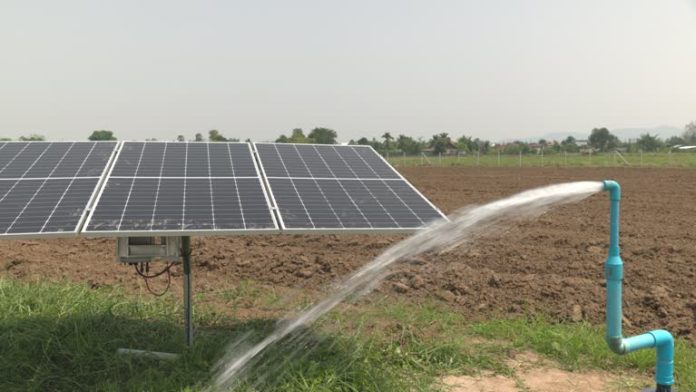
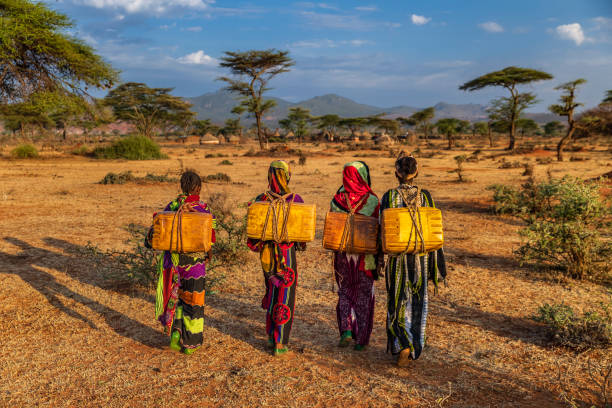
Solar-Powered Irrigation Systems Transforming African Farms

Here’s an overview of how solar-powered irrigation systems are transforming African farms:

1. Enhanced Water Access

  • Sustainable Water Supply: Solar-powered pumps can draw water from groundwater or surface sources, providing reliable access to irrigation even in remote areas.

2. Increased Crop Yields

  • Efficient Irrigation: Consistent watering helps improve crop health and productivity, leading to higher yields and better food security.

3. Cost Savings

  • Reduced Energy Costs: Solar energy cuts down on fuel and electricity expenses, making irrigation more affordable for smallholder farmers.

4. Environmental Benefits

  • Reduced Carbon Footprint: Utilizing solar power minimizes reliance on fossil fuels, contributing to lower greenhouse gas emissions and promoting sustainable farming practices.

5. Empowering Farmers

  • Improved Resilience: By enabling year-round farming, solar irrigation supports farmers in adapting to climate variability, enhancing their livelihoods and economic stability.

Conclusion

Solar-powered irrigation systems are a game-changer for African agriculture, providing sustainable solutions to water scarcity and supporting food security across the continent.

Top 5 Drought-Resistant Crops for African Farmers

Here are the top five drought-resistant crops for African farmers:

1. Sorghum

  • Resilience: Thrives in arid conditions and requires minimal water.
  • Nutritional Value: Rich in carbohydrates and a good source of protein.

2. Millet

  • Resilience: Tolerates high temperatures and poor soil conditions.
  • Nutritional Value: High in fiber, vitamins, and minerals.

3. Cassava

  • Resilience: Drought-tolerant and can grow in poor soils.
  • Nutritional Value: Provides a significant source of carbohydrates.

4. Cowpeas

  • Resilience: Adaptable to low rainfall and improves soil fertility through nitrogen fixation.
  • Nutritional Value: High in protein, fiber, and essential vitamins.

5. Sweet Potatoes

  • Resilience: Requires less water compared to traditional crops and adapts well to various soil types.
  • Nutritional Value: Rich in vitamins A and C, and a good source of carbohydrates.

These crops can help enhance food security and resilience in the face of climate challenges in Africa.

Climate Change Impacts in Africa – 5 Key Facts

Here are five key facts about climate change impacts in Africa:

1. Extreme Weather Events

  • Africa is experiencing more frequent and intense weather events, such as droughts, floods, and heatwaves, disrupting agriculture and livelihoods.

2. Food Security Threats

  • Climate change is severely affecting crop yields, particularly in regions dependent on rain-fed agriculture, leading to increased food insecurity and malnutrition.

3. Water Scarcity

  • Many African countries are facing increased water stress due to changing rainfall patterns and higher temperatures, impacting drinking water supplies and sanitation.

4. Biodiversity Loss

  • Climate change threatens Africa’s rich biodiversity, with many species at risk of extinction due to habitat loss and changing ecosystems.

5. Economic Vulnerability

  • The continent’s economies, heavily reliant on agriculture and natural resources, are particularly vulnerable to climate impacts, hindering development and exacerbating poverty.

These facts highlight the urgent need for climate action and adaptive strategies across the continent.

Backpacking through East Africa – Itinerary & Tips

Here’s a comprehensive itinerary and tips for backpacking through East Africa:

Itinerary Overview (2-3 Weeks)

Week 1: Kenya

Day 1-2: Nairobi

  • Activities: Visit the Nairobi National Park, Giraffe Centre, and Karen Blixen Museum.
  • Accommodation: Budget hostels or guesthouses in the city center.

Day 3-5: Maasai Mara

  • Travel: Take a bus or shared shuttle to Maasai Mara.
  • Activities: Go on safari game drives, visit a Maasai village.
  • Accommodation: Campsites or budget lodges.

Week 2: Tanzania

Day 6-8: Serengeti National Park

  • Travel: Cross to Tanzania; consider a guided tour for easier access.
  • Activities: Safari in Serengeti, witness the Great Migration (if in season).
  • Accommodation: Budget campsites or lodges.

Day 9: Ngorongoro Crater

  • Travel: Short drive from Serengeti.
  • Activities: Explore the crater, spot diverse wildlife.
  • Accommodation: Campgrounds available.

Day 10-11: Zanzibar

  • Travel: Head to Arusha, then take a ferry to Zanzibar.
  • Activities: Relax on beaches, explore Stone Town, visit spice farms.
  • Accommodation: Budget hostels or beach bungalows.

Week 3: Uganda

Day 12-14: Kampala

  • Travel: Fly or take a bus from Zanzibar to Kampala.
  • Activities: Visit the Uganda Museum, and local markets, and try Ugandan dishes.
  • Accommodation: Affordable hostels in the city.

Day 15-16: Bwindi Impenetrable National Park

  • Travel: Bus to Bwindi; consider booking a gorilla trekking tour.
  • Activities: Gorilla trekking (reserve in advance).
  • Accommodation: Budget lodges or camping options.

Tips for Backpacking in East Africa

1. Budgeting

  • Daily Costs: Plan for $30-$50 per day, including accommodation, food, and transport.
  • Cash: Use local currency; ATMs are available in cities but keep cash for rural areas.

2. Health and Safety

  • Vaccinations: Ensure vaccinations (e.g., Yellow Fever, Typhoid) are up to date.
  • Travel Insurance: Get comprehensive insurance covering medical emergencies and cancellations.

3. Packing Essentials

  • Clothing: Lightweight, breathable fabrics; layers for varying climates.
  • Gear: Good hiking boots, a daypack, a reusable water bottle, and sunscreen.

4. Local Customs

  • Cultural Sensitivity: Be respectful of local customs and dress modestly, especially in rural areas.

5. Transportation

  • Public Transport: Use buses and shared taxis for budget travel; they are cost-effective.
  • Domestic Flights: Consider flights for longer distances to save time.

6. Connectivity

  • SIM Cards: Purchase a local SIM card for affordable data and communication.

7. Flexibility

  • Stay Open-Minded: Plans may change; be adaptable and embrace new experiences.

Conclusion

Backpacking through East Africa offers incredible wildlife, stunning landscapes, and rich cultures. With careful planning and an adventurous spirit, you’re sure to have a memorable journey! Enjoy your travels!

Getting Around Lagos: A Local Transportation Guide

Here’s a local transportation guide for getting around Lagos:

1. Ride-Hailing Services

  • Options: Use apps like Uber, Bolt, or Lyft for convenient and reliable transport.
  • Benefits: Safe and easy to navigate the city, especially for newcomers.

2. Buses and BRT (Bus Rapid Transit)

  • BRT: Dedicated bus lanes that reduce travel time on major routes.
  • Regular Buses: More affordable but can be crowded and less reliable.
  • Tip: Check routes and schedules online or at bus stations.

3. Danfo Buses

  • Description: Yellow minibuses that operate on set routes.
  • Cost-Effective: Very affordable but can be chaotic and crowded.
  • Tip: Familiarize yourself with common routes and ask locals for help.

4. Okadas (Motorcycle Taxis)

  • Description: Motorcycle taxis are a quick way to navigate traffic.
  • Caution: While fast, ensure the driver follows safety protocols (helmets, etc.).
  • Tip: Negotiate the fare before starting the ride.

5. Taxis

  • Traditional Taxis: Available but less common than ride-hailing services.
  • Tip: Always negotiate the fare or ensure the driver uses a meter.

6. Walking

  • Areas to Explore: Best in pedestrian-friendly neighborhoods like Victoria Island and Lekki.
  • Caution: Be mindful of traffic and stay aware of your surroundings.

7. Trains and Ferries

  • Train Services: Limited but improving; check schedules for routes connecting Lagos to nearby cities.
  • Ferry Services: Operate across Lagos Lagoon; a scenic way to bypass traffic.
  • Tip: Book tickets in advance and check for safety regulations.

8. Car Rentals

  • Options: Available through local and international rental companies.
  • Tip: Ensure you have an international driving permit and understand local driving laws.

Conclusion

Lagos offers diverse transportation options, each with its pros and cons. Plan your routes, stay safe, and enjoy exploring this vibrant city!

Best Countries to Visit in West Africa (Tourist Guide)

Here’s a guide to some of the best countries to visit in West Africa:

1. Ghana

  • Highlights: Rich history, vibrant culture, and welcoming people.
  • Must-See: Cape Coast Castle, Kakum National Park (canopy walk), and Accra’s bustling markets.
  • Activities: Explore historical slave trade sites, enjoy local cuisine, and participate in festivals.

2. Senegal

  • Highlights: Unique blend of culture, music, and art.
  • Must-See: Dakar, Gorée Island (UNESCO site), and the pink waters of Lake Retba.
  • Activities: Visit local markets, enjoy live music, and experience traditional dance.

3. Nigeria

  • Highlights: Diverse cultures, wildlife, and vibrant cities.
  • Must-See: Lagos, the Olumo Rock, and the Yankari National Park.
  • Activities: Explore cultural festivals, enjoy Nigerian cuisine, and visit art galleries.

4. Mali

  • Highlights: Rich historical significance and cultural heritage.
  • Must-See: Timbuktu, Djenné (mud mosque), and the Niger River.
  • Activities: Explore ancient manuscripts, engage with local crafts, and take riverboat trips.

5. Côte d’Ivoire (Ivory Coast)

  • Highlights: Beautiful beaches, cultural festivals, and lush landscapes.
  • Must-See: Abidjan, Yamoussoukro (Basilica of Our Lady of Peace), and the national parks.
  • Activities: Relax on the beaches, visit local markets, and explore vibrant nightlife.

6. Togo

  • Highlights: A blend of coastal beauty and rich traditions.
  • Must-See: Lomé (capital city), Koutammakou (UNESCO site), and the beaches of Aneho.
  • Activities: Visit local villages, enjoy the local cuisine, and explore the markets.

7. Benin

  • Highlights: Unique history and vibrant culture.
  • Must-See: Ouidah (voodoo culture), Abomey (palaces), and Pendjari National Park.
  • Activities: Engage in voodoo rituals, explore historical sites, and enjoy wildlife safaris.

Travel Tips

  • Visas: Check visa requirements for each country as they vary by nationality.
  • Health Precautions: Ensure vaccinations are up to date (e.g., Yellow Fever) and consider travel insurance.
  • Local Currency: Familiarize yourself with local currencies and carry some cash for smaller vendors.
  • Cultural Sensitivity: Respect local customs and traditions; learn a few basic phrases in the local languages.

Conclusion

West Africa is rich in diversity, culture, and history, offering unforgettable experiences for travelers. Each country has its unique charm, making it a fantastic region to explore!

African Safari on a Budget – 7 Money-Saving Tips

Here are seven money-saving tips for an African safari on a budget:

1. Choose Budget-Friendly Parks

  • Select Less Touristy Parks: Opt for lesser-known parks like Addo Elephant Park (South Africa) or Tarangire National Park (Tanzania) for lower entry fees and fewer crowds.

2. Travel During Off-Peak Seasons

  • Seasonal Timing: Visit during the shoulder seasons (April to June and September to October) to benefit from lower prices on accommodation and tours.

3. Self-Drive Safaris

  • Rent a Vehicle: Consider renting a car and self-driving in parks that allow it. This can significantly reduce costs compared to guided tours.

4. Camp Instead of Lodging

  • Camping Options: Choose camping sites within parks or nearby. It’s often much cheaper than staying in lodges and provides a unique experience.

5. Join Group Tours

  • Shared Experiences: Look for group safari tours instead of private ones. This splits costs with other travelers and often offers better rates.

6. Book in Advance

  • Early Reservations: Secure your accommodations and tours well in advance to take advantage of early-bird discounts and better rates.

7. Limit Extra Activities

  • Focus on Core Experiences: Prioritize essential safari activities like game drives and limit extras like hot air balloon rides or expensive dining experiences.

Conclusion

With careful planning and smart choices, you can enjoy a thrilling African safari without breaking the bank. Embrace the adventure and the beauty of the wild!

Visiting Victoria Falls: Travel Guide and Tips

Here’s a travel guide and tips for visiting Victoria Falls:

Overview of Victoria Falls

  • Location: Border of Zambia and Zimbabwe.
  • Height: Approximately 108 meters (354 feet).
  • Width: About 1,708 meters (5,604 feet), making it one of the largest waterfalls in the world.

Best Time to Visit

  • Optimal Months:
    • April to June: Post-rainy season for full flow and spectacular views.
    • September to November: Lower water levels for activities like walking on the falls.

Getting There

  • Airports:
    • Victoria Falls Airport (Zimbabwe): 18 km from the falls.
    • Livingstone Airport (Zambia): 10 km from the falls.
  • Transfers: Arrange airport transfers or taxis to your accommodation.

Accommodation Options

  • Luxury: The Victoria Falls Hotel (Zimbabwe) offers stunning views and historic charm.
  • Mid-range: Avani Victoria Falls Resort (Zambia) provides comfortable stays close to the falls.
  • Budget: Hostels and guesthouses are available in both Livingstone and Victoria Falls town.

Activities and Attractions

1. Viewing the Falls

  • Best Spots: Visit both the Zimbabwean and Zambian sides for different perspectives and experiences.

2. Rainforest Walk

  • Description: A short, scenic walk through a rainforest area with viewpoints of the falls.

3. Adventure Activities

  • White-water Rafting: Experience thrilling rapids on the Zambezi River.
  • Bungee Jumping: Leap off the Victoria Falls Bridge for an adrenaline rush.
  • Helicopter Flights: Enjoy aerial views of the falls and surrounding landscapes.

4. Cultural Experiences

  • Village Tours: Engage with local communities to learn about their culture and traditions.
  • Craft Markets: Shop for local crafts and souvenirs.

Travel Tips

1. Visa Requirements

  • Check Visa Policies: Depending on your nationality, you may need a visa for Zambia, Zimbabwe, or both. Consider a KAZA Uni-Visa if traveling between the two countries.

2. Currency

  • Local Currency: Use the Zambian Kwacha in Zambia and the Zimbabwean Dollar in Zimbabwe. Credit cards are widely accepted, but keep cash for smaller vendors.

3. Safety Precautions

  • Stay Aware: Be cautious of your belongings and avoid walking alone at night.
  • Wildlife: Respect local wildlife; do not approach or feed animals.

4. Dress Appropriately

  • Clothing: Wear comfortable clothing and sturdy shoes. Bring a light rain jacket for mist from the falls.

5. Hydration

  • Stay Hydrated: Drink plenty of water, especially if participating in outdoor activities.

Conclusion

Visiting Victoria Falls is a breathtaking experience filled with adventure, natural beauty, and cultural richness. With proper planning and an adventurous spirit, you’ll create unforgettable memories at one of the world’s most spectacular natural wonders. Enjoy your trip!

Guide to South Africa’s Garden Route Road Trip

Here’s a guide to help you plan an unforgettable road trip along South Africa’s Garden Route:

Overview of the Garden Route

  • Location: Stretching along the southern coast from Mossel Bay to Storms River.
  • Distance: Approximately 300 km (186 miles), with numerous attractions along the way.

Best Time to Visit

  • Optimal Months: Late spring (September to November) and early autumn (March to May) for pleasant weather and fewer crowds.

Must-See Stops Along the Route

1. Mossel Bay

  • Highlights: Visit the Diaz Museum Complex and enjoy beautiful beaches.
  • Activities: Shark cage diving and whale watching (in season).

2. George

  • Highlights: Known for its golf courses and natural beauty.
  • Activities: Explore the Outeniqua Transport Museum and hike in the nearby Outeniqua Mountains.

3. Knysna

  • Highlights: Famous for its lagoon and the Knysna Heads.
  • Activities: Take a boat trip, visit the Knysna Elephant Park, and explore local markets.

4. Plettenberg Bay

  • Highlights: Stunning beaches and wildlife.
  • Activities: Visit Robberg Nature Reserve for hiking and seal watching, or enjoy water sports.

5. Tsitsikamma National Park

  • Highlights: Known for its lush forests and dramatic coastline.
  • Activities: Hike the Otter Trail, visit the Storms River Mouth, and try the canopy tour.

Tips for Your Road Trip

1. Plan Your Accommodation

  • Options: Choose from guesthouses, hotels, or camping sites. Book in advance, especially during peak seasons.

2. Rental Car

  • Considerations: Rent a reliable vehicle for the journey. A 4×4 is not necessary unless you plan to explore off-the-beaten-path areas.

3. Safety Precautions

  • Travel in Daylight: Stick to driving during daylight hours for safety.
  • Secure Valuables: Keep your belongings safe and avoid leaving items visible in the car.

4. Local Cuisine

  • Try Local Dishes: Sample fresh seafood, traditional braai (barbecue), and local wines.

5. Stay Flexible

  • Explore Spontaneously: Allow time for unplanned stops and detours to enjoy hidden gems along the route.

Conclusion

The Garden Route is a spectacular road trip filled with breathtaking scenery, diverse wildlife, and charming towns. With careful planning and an adventurous spirit, you’re sure to have an unforgettable experience! Enjoy your journey!