
Home Blog Page 19

Why 2026 Will Be the Year of Automation for Small Zimbabwean Businesses

0

For years, automation sounded like a futuristic luxury reserved for multinational brands, banks, and giant corporations. Small Zimbabwean businesses often believed it was something far beyond their reach—too expensive, too complicated, or simply unnecessary for their scale. But the reality has shifted. As 2026 approaches, the landscape of business in Zimbabwe is transforming faster than ever before, and automation is at the centre of this change.

In 2026, automation will no longer be an optional extra or a “nice to have.” It will be a fundamental requirement for survival and growth. A business that operates manually will struggle to keep up with competitors who have automated their communication, payments, marketing, support, and operations. The Zimbabwean SME sector is entering a new era—one where small businesses that embrace automation will dramatically outpace those that do not.


The Rise of Affordable Automation Tools

One of the biggest drivers of this shift is affordability. A few years ago, automation tools cost hundreds of dollars monthly, required technical expertise, and were designed mainly for mature markets like the US or Europe. But 2026 is different. Automation tools have become cheaper, simpler, and tailored for African markets—especially Zimbabwe.

Small businesses can now access automated invoicing, CRM software, WhatsApp bots, social media scheduling tools, and cloud-based business email solutions without breaking the bank. Even better, local tech providers—including Tremhost—now offer automation-friendly services such as AI-powered email tools, workflow systems, and cloud hosting at prices small businesses can manage. What was once expensive and foreign is now accessible and local.


WhatsApp Automation Is Becoming a Business Standard

Zimbabwe is a WhatsApp economy. It is where people communicate, shop, negotiate, and follow brands. WhatsApp has become the new “shop front” for many small businesses—from boutiques to restaurants to hardware shops. Customers expect instant communication; they will not wait hours for a reply. If one business delays, another one replies immediately.

This expectation has led to an explosion in WhatsApp automation. In 2026, instant replies will no longer be impressive—they will be expected. Businesses will use chatbots that answer frequently asked questions, auto-menus that guide customers to prices or locations, automatic catalogues, and automated lead collection systems that save customer data without staff having to type anything. The shift is already happening, and by 2026, it will be the norm. Small businesses that do not automate WhatsApp risk losing customers the moment they fail to respond within a few seconds.


Automation as the Answer to Rising Operating Costs

Zimbabwean businesses are under pressure. Costs are rising—rent, salaries, utilities, fuel, and raw materials. Running a business in 2025 has taught many entrepreneurs that manual processes are expensive, time-consuming, and prone to error. Automation has become the simplest and most cost-efficient way to run a business lean while increasing efficiency.

Instead of hiring more staff to handle repetitive tasks like data entry, follow-ups, or sending out quotations, a business can implement automated systems that work faster and cheaper. Automation doesn’t replace people—it removes the boring, repetitive work and allows employees to focus on closing sales, improving service, and building customer relationships. For SMEs who previously believed automation was a threat to jobs, 2026 will show its true value: it improves productivity while keeping labour costs realistic.


AI Will Become the Silent Employee Every SME Needs

Artificial intelligence is no longer a distant concept. Zimbabwean SMEs are already using AI for tasks such as writing emails, generating marketing content, recommending products, summarising customer queries, drafting business proposals, and answering repetitive questions.

By 2026, AI will handle the majority of standard customer interactions. If a customer asks for prices, catalogue links, payment methods, delivery areas, or quotations, AI systems will respond automatically. This frees human staff to deal with complex issues or high-value customers who require detailed attention.

The beauty of AI in small business is its consistency. It does not get tired, it does not forget details, and it does not take breaks. It provides the same level of service at midnight as it does at 10 AM. For SMEs that struggle with staffing or time management, AI will become their most reliable team member.


The Online Marketplace Is Getting More Competitive

2026 will introduce a digital marketplace far more aggressive than previous years. More businesses are going online, more stores are selling on social media, and customers have more options now than ever before. Customers are becoming impatient—they want faster replies, quicker service, and transparent pricing.

Automation will be the deciding factor in who wins the online battle.

A business that responds instantly, sends clean automated catalogues, processes payments quickly, and follows up with customers automatically will always outperform one that is slow, manual, and inconsistent. This year will reward businesses that leverage automation to create a smooth digital customer experience.


Financial Automation Will Be a Game Changer

One of the most frustrating challenges Zimbabwean entrepreneurs face is dealing with finances manually. Sorting receipts, sending invoices by hand, reminding customers to pay, and reconciling payments can be stressful and time-consuming.

In 2026, automated financial systems will redefine this experience.

Businesses will use tools that automatically:

  • generate invoices

  • send payment reminders

  • issue receipts

  • track overdue customer accounts

  • update accounting records

  • manage subscriptions or instalments

Once a customer pays, the system will notify the business instantly without anyone needing to confirm manually. This reduces human error, improves cashflow, and saves countless hours of administrative work.


The Shift Toward Professional Email and Cloud Systems

As Zimbabwe’s business environment becomes more digital, the days of using Gmail or Yahoo for business are ending. Customers now expect professionalism. They want to communicate with businesses through branded emails that show legitimacy, trust, and organisation.

In 2026, professional email will not be optional. It will be a requirement for serious business owners.

Cloud hosting and cloud-based workflow systems will also become essential. Businesses need faster websites, better security, and reliable online systems that work without downtime. Providers like Tremhost are making this possible at affordable rates—giving small businesses the infrastructure they need to automate effectively.


Customer Expectations Are Changing Quickly

The modern Zimbabwean customer wants three things:

speed, consistency, and convenience.

They want fast replies, accurate information, simple digital transactions, and reliable service. Automation is the only tool that allows small businesses to deliver this consistently. Without it, the business will constantly struggle to catch up.

Customers today are not comparing your business only to other SMEs. They are comparing you to the best digital experiences they’ve had—whether with local companies, banks, or international apps. Automation allows small businesses to meet these expectations and position themselves as modern, professional, and trustworthy.


Conclusion: 2026 Belongs to Businesses That Automate

In many ways, 2026 will be the dividing line between the old way of running a small business and the new digital-first approach. Automation will no longer be something “big companies do.” It will be the foundation that helps small Zimbabwean businesses operate smarter, faster, and more efficiently.

A business that embraces automation will:

  • serve customers 24/7

  • reduce labour costs

  • avoid mistakes

  • increase profitability

  • scale faster

  • compete with larger brands

  • build a stronger online presence

Meanwhile, a business stuck in manual operations will find it increasingly difficult to survive in a world where speed and convenience rule.

The question for every entrepreneur going into 2026 is no longer whether to automate—but how quickly they can begin. Those who act early will gain a permanent advantage.
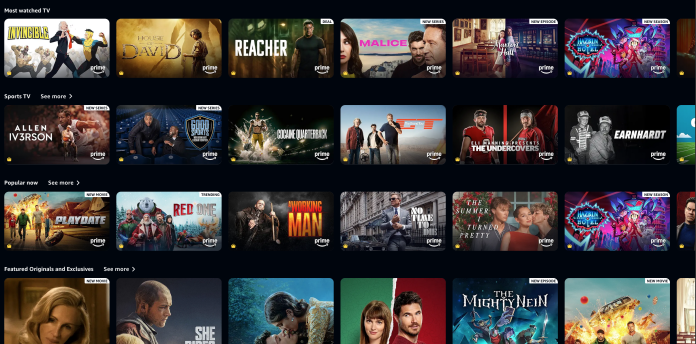
Your Definitive Guide to What to Watch on Amazon Prime Video This Holiday Season (2025 Edition)

The sleigh bells are ringing, the lights are twinkling, and the most wonderful time of the year is here. As you settle in for a well-deserved break, one thing is certain: you need a stellar lineup of holiday movies and binge-worthy series. This year, Amazon Prime Video has solidified its position as the ultimate streaming destination, offering an incredible mix of exclusive originals and timeless classics.

If you’re searching for what to watch during the holidays in 2025, look no further. We’ve curated the ultimate list of must-see titles on Prime Video that will keep your family entertained from Thanksgiving weekend right through to the New Year.

1. The Blockbuster 2025 Prime Video Originals


Every holiday season needs fresh content, and Prime Video has invested heavily in creating new, high-quality films and shows that dominate the conversation. These are the titles cementing Prime Video’s holiday lineup for 2025:

The Christmas Countdown (Prime Video Exclusive Film)


This year’s big, feel-good release is a romantic comedy featuring a star-studded cast. The story follows a cynical investigative reporter who must prove the existence of holiday magic by Christmas Eve. Packed with charm, stunning visuals, and a truly original twist, this is guaranteed to be the most-watched holiday movie of the season.

Reindeer Games: The Series (Limited Series)


Looking for something more dramatic? This five-episode limited series delves into the untold stories of Santa’s workshop, blending fantasy, action, and surprising emotional depth. It’s a perfect option for those who want a break from standard rom-com fare and a great way to utilize your Prime Video subscription.

2. Beloved Classics: Timeless Films Streaming Free on Prime Video


No holiday streaming marathon is complete without the classics. Prime Video’s extensive library ensures your annual traditions are covered, making it easy to find those familiar favorites.

Movie TitleGenreWhy It’s a Must-Watch
It’s a Wonderful LifeClassic DramaThe essential holiday film that never gets old.
National Lampoon’s Christmas VacationComedyFor the laughs and the perfect dose of Griswold family chaos.
The Polar ExpressAnimated FantasyA visually stunning, magical journey for all ages.
ElfModern ClassicWill Ferrell’s most iconic holiday performance.

These titles are always readily available, reinforcing why Amazon Prime remains a cornerstone of your annual holiday viewing.

3. Beyond Christmas: New Year’s and Winter Thrillers


The holidays extend beyond December 25th, and Prime Video has you covered as you ring in 2026. The key to ranking high in search results for what to watch during the holidays in 2025 is providing year-end relevance.

  • The Marvelous Mrs. Maisel (All Seasons): The perfect series to start binge-watching between Christmas and New Year’s Eve. Its upbeat, witty tone makes for excellent end-of-year viewing.

  • A Spy in the Snow (New Year’s Eve Special): An exclusive Prime Video special released on December 31st. This fast-paced action movie offers a thrilling break from traditional seasonal fare and is a great way to kick off New Year’s Eve.

Ready to Start Your Holiday Marathon?


Whether you’re hosting a massive family gathering or enjoying a quiet night in, your subscription to Amazon Prime Video is your ticket to the best entertainment of the year.

Don’t miss out on the most talked-about holiday movies of the season. To get your Prime Video subscription, or to gift the perfect digital present this year, use the official link below:

Start Streaming on Prime Video Today!

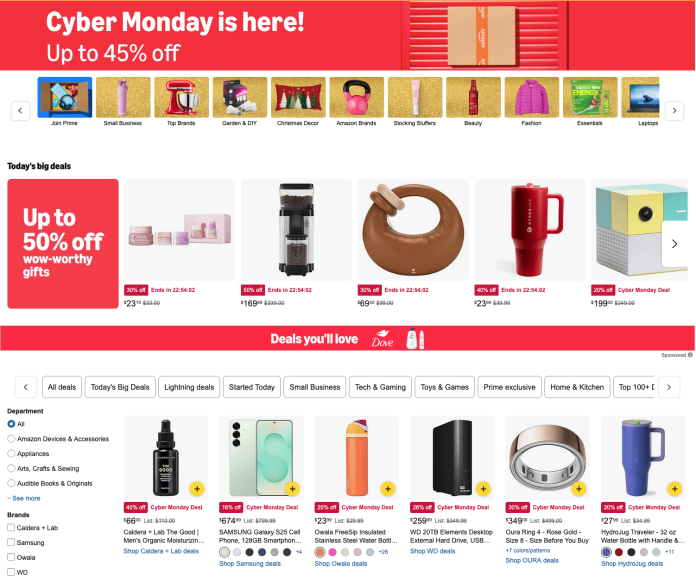
The Ultimate Guide to Amazon Cyber Monday Deals 2025: Are These Truly the Discounts of the Year?

The holiday shopping season culminates in one final, frenzied day of spectacular savings: Cyber Monday. While many retailers wind down their sales, Amazon Cyber Monday unleashes its deepest and most significant price cuts, often surpassing the discounts seen even on Black Friday.

This year, the buzz is louder than ever. Shoppers are asking: Are these deals truly the discounts of the year? We’ve analyzed the overwhelming selection available right now on the main deals hub—accessible via this exclusive link: shop here —and the answer is a resounding yes.

Here is a breakdown of the key categories and the unbeatable deals waiting for you, proving why you must shop before midnight!

The Cyber Monday Product Hotlist: Discounts of the Year Await


The deals hub linked above is packed with thousands of items, but the most explosive Cyber Monday deals are clustered in these high-demand categories. These aren’t just minor markdowns; they are historic low prices that won’t be seen again until next year’s shopping events.

1. Tech & Gaming (The Biggest Drops)


This is where Amazon consistently delivers the most aggressive savings. If you’ve been waiting for a new laptop, monitor, or high-end peripheral, this is your moment.

  • Featured Deals: Massive price reductions on 4K QLED Smart TVs, popular gaming consoles bundles, high-performance computing components, and essential accessories like noise-canceling headphones.

  • Why It’s a Top Discount: We are seeing flagship electronics from major brands discounted by up to 50%—a level of markdown usually reserved for last-generation models, but now applied to current tech.

2. Amazon Devices (The Unbeatable Value)


Amazon uses Cyber Monday to make its proprietary devices irresistible. If you want to build out your smart home, this section offers the absolute best discounts of the year on core tech.

  • Featured Deals: Echo smart speakers and displays, Fire TV sticks and cubes, Kindle e-readers, and Ring and Blink security systems are all available at rock-bottom prices.

  • Why It’s a Top Discount: These are often bundles or straight discounts that reduce the price to a point where they are virtually risk-free purchases, making them perfect holiday gifts.

3. Home & Kitchen Essentials (Upgrade Your Life for Less)


From essential appliances to luxury coffee makers, the savings in this category make routine upgrades incredibly affordable.

  • Featured Deals: Robot vacuum cleaners, premium air fryers, high-end blender systems, and popular stand mixers are all heavily discounted. Look for percentage-off coupons stacked on top of the sale price for maximum savings!

  • Why It’s a Top Discount: These are high-cost items that rarely see significant sales throughout the year. The price drops today mean you can acquire quality, durable goods for the price of entry-level models.

4. Fashion & Apparel (Stock Up for the New Season)


Don’t overlook the style savings! Amazon’s apparel category features deep cuts on cold-weather gear, activewear, and designer brands.

  • Featured Deals: Up to 60% off select winter coats, boots, and athletic apparel from trusted names.

  • Why It’s a Top Discount: Unlike mid-season sales, these are discounts on items you need right now, allowing you to invest in quality garments without paying the retail premium.

5. Toys & Games (Finish Your Holiday List)


For parents and gift-givers, Amazon Cyber Monday is the final chance to secure the most popular toys before prices inevitably rise closer to Christmas.

  • Featured Deals: Discounts on top-rated STEM toys, board games for the whole family, and popular collectibles.

  • Why It’s a Top Discount: Many of the year’s most sought-after toys are included, offering a massive saving on the bulk of your holiday shopping budget.

Why You Must Act Now: The True Discounts of the Year


We can definitively say that these Amazon Cyber Monday deals are the best of the year for two simple reasons:

  1. Depth of Discount: Many items are matching or beating their historical lowest price ever on Amazon. This is the culmination of the holiday sales cycle, offering maximum clearance before the year ends.

  2. Breadth of Selection: Unlike flash sales, Cyber Monday offers significant savings across almost every major shopping category, from high-value tech to everyday household goods.

Don’t miss out on these limited-time offers. Click the link below to access all the deals listed above and hundreds more before they expire!

Shop Amazon Cyber Monday Deals Now: Shop Here

Remember: Deals are constantly changing and inventory is limited. Secure your savings today!

How to Make Money from Social Media in Zimbabwe – TikTok, Instagram, and YouTube Strategies

0

Social media is no longer just a platform to connect with friends — it’s a powerful income-generating tool. In Zimbabwe, platforms like TikTok, Instagram, and YouTube are opening up opportunities for entrepreneurs, creators, and small businesses to earn real money.

Whether you want to turn your hobby into a business, promote your products, or become a full-time content creator, this guide will show you how to monetize your social media presence effectively.


Why Social Media is a Lucrative Opportunity in Zimbabwe

  1. Massive Audience Reach: Zimbabweans spend hours daily on social media, creating an engaged and ready market.

  2. Low Startup Costs: You can start with just a smartphone, internet access, and creativity.

  3. Flexible Income Streams: You can earn through ads, sponsorships, affiliate marketing, and direct sales.

  4. Scalability: With the right strategy, a small account can grow into a profitable business.


1. Making Money on TikTok

TikTok is growing rapidly in Zimbabwe, especially among young audiences. Here’s how you can profit:

  • Creator Fund & TikTok Ads: Join TikTok’s creator programs to earn money based on video views and engagement.

  • Brand Partnerships: Promote products and services to your audience. Companies pay creators for exposure.

  • Affiliate Marketing: Share links to products and earn a commission for every sale.

  • Selling Your Products/Services: Showcase items like crafts, clothing, or digital services and drive sales directly.

💡 Tip: Focus on entertaining, informative, or relatable content to grow followers quickly. Trending challenges and viral content can boost visibility.


2. Making Money on Instagram

Instagram is ideal for visual content and building brand loyalty. You can make money through:

  • Sponsored Posts: Businesses pay you to feature their products on your page.

  • Affiliate Marketing: Promote products with links and earn commissions.

  • Instagram Shop: Sell products directly through Instagram using your shop page.

  • IGTV & Reels Monetization: Engage viewers with video content, driving both ad revenue and sponsorship deals.

💡 Tip: Build a niche account around a theme like fashion, beauty, fitness, or tech — businesses prefer targeting influencers with a specific audience.


3. Making Money on YouTube

YouTube is perfect for long-form content and serious creators. Here’s how to monetize:

  • Ad Revenue (YouTube Partner Program): Earn money from ads placed on your videos once you meet the minimum criteria.

  • Sponsorships & Brand Deals: Brands pay for product placements or reviews.

  • Affiliate Marketing: Share links in your video descriptions and earn commissions.

  • Selling Courses or Merchandise: Promote your digital products or physical items to your audience.

💡 Tip: Consistency and quality matter. Focus on evergreen content that people search for consistently, like tutorials, reviews, or educational content.


4. Strategies to Grow Your Social Media Following

  1. Know Your Audience: Understand what your followers want and tailor content to them.

  2. Consistency is Key: Post regularly — daily or several times per week.

  3. Engage Actively: Respond to comments, messages, and interact with your followers.

  4. Use Trends Wisely: Participate in trending hashtags, challenges, and viral topics.

  5. Leverage Cross-Promotion: Share content across multiple platforms to expand reach.


5. Combining Social Media With Local Opportunities

In Zimbabwe, social media can also help drive local business growth:

  • Promote small businesses or products to your community.

  • Offer social media management services to local companies.

  • Sell digital services such as design, web development, or freelance work.

💡 Example: A small clothing business can showcase products on Instagram, TikTok, and YouTube, then accept orders via WhatsApp or online payment platforms.


6. How Tremhost Can Support Social Media Entrepreneurs

Success on social media often requires a professional online presence. Tremhost can help by providing:

  • Affordable Hosting & Website Solutions: Sell products or services directly on your own platform.

  • Professional Email Accounts: Build trust with clients and partners.

  • Fast & Reliable Infrastructure: Ensure your content links, shop pages, or landing pages load quickly for your audience.

By combining social media with a professional website, you can convert followers into paying customers and scale your business faster.


Key Takeaways

  • Social media in Zimbabwe offers multiple income streams: ads, sponsorships, affiliate marketing, and direct sales.

  • TikTok, Instagram, and YouTube each have unique strengths — pick the platform that fits your niche and content style.

  • Consistency, quality content, and audience engagement are critical for growth.

  • Pair your social media efforts with a professional website or online shop to maximize income potential.

Social media isn’t just entertainment — it’s a powerful business tool. Start small, stay consistent, and use the right strategies to turn likes, shares, and views into real revenue.

How to Start a Business in Zimbabwe with Less Than $100

0

Starting a business in Zimbabwe doesn’t always require thousands of dollars. With creativity, resourcefulness, and determination, you can launch a small business with less than $100. The key is to focus on high-demand, low-cost, and scalable opportunities that fit your skills and the local market.

Whether you’re a student, a side hustler, or someone looking to escape the 9-to-5 grind, this guide will show you how to start small, spend wisely, and grow your business into a sustainable income source.


Step 1: Identify a Low-Cost, High-Demand Business Idea

The first step is choosing a business that requires minimal capital but has consistent demand. Some proven options in Zimbabwe include:

  • Poultry & Eggs: Start with a few chickens in your backyard to sell eggs or meat.

  • Vegetable Farming / Kitchen Gardens: Grow leafy vegetables or herbs and sell to neighbors, markets, or local restaurants.

  • Second-Hand Clothing (Mitumba / Mabhero): Buy small bales of affordable clothes and resell them.

  • Street Food & Snacks: Prepare popular foods like snacks, samosas, or homemade baked goods for your community.

  • Freelance Services: Offer digital services such as writing, graphic design, or virtual assistance with nothing but a smartphone or laptop.

💡 Tip: Choose something you are passionate about, as this will help you stay motivated and improve your chances of success.


Step 2: Start Small and Minimize Expenses

With only $100, every cent counts. Focus on:

  • Buying only essential supplies: Don’t overstock. Test the market with a small quantity first.

  • Using what you already have: If you have a backyard, kitchen, smartphone, or computer, leverage it.

  • DIY marketing: Use WhatsApp, Facebook, Instagram, or local word-of-mouth instead of paid ads.

For example, if you want to start a small vegetable garden, you could spend $50 on seeds and soil, $20 on fertilizers, and $30 on basic packaging for selling.


Step 3: Leverage Free or Low-Cost Online Tools

Even small businesses can benefit from digital tools:

  • Social Media: Promote your products on WhatsApp, Facebook, and Instagram — all free to use.

  • Professional Email & Hosting: Build credibility with a professional business email and website. Tremhost offers affordable hosting starting at just $25/year.

  • Online Marketplaces: Platforms like Facebook Marketplace allow you to sell to a wider audience without upfront costs.

💡 Pro Tip: A professional email and website make your business look trustworthy, even if you’re just starting with a few customers.


Step 4: Keep Track of Your Finances

Even small businesses need careful money management.

  • Track every expense and sale — it helps you understand your profits.

  • Reinvest profits to grow slowly, rather than spending it all.

  • Separate personal and business funds to avoid confusion.

With disciplined reinvestment, your $100 startup can grow steadily over time.


Step 5: Deliver Value and Build Trust

No matter how small your business, customers remember quality and reliability.

  • Ensure your products are fresh and properly packaged.

  • Deliver on time and maintain clear communication.

  • Offer excellent customer service — happy customers return and refer others.

Even a small business can build a loyal customer base that sustains growth.


Step 6: Scale When Ready

Once your business starts making consistent profits, you can scale:

  • Increase inventory gradually.

  • Introduce complementary products or services.

  • Expand to online sales or new locations.

For example, a small vegetable garden can grow into a larger supply for restaurants and supermarkets. A street-food venture can become a small catering service.


Key Takeaways

Starting a business in Zimbabwe with less than $100 is possible if you:

  1. Choose a high-demand, low-cost business.

  2. Minimize startup expenses and use what you already have.

  3. Leverage free digital tools and social media.

  4. Track your finances and reinvest profits.

  5. Deliver excellent value and build customer trust.

  6. Scale gradually and wisely.


How Tremhost Can Help

At Tremhost, we empower Zimbabwean entrepreneurs to take their businesses online. Even a small business can benefit from:

  • Affordable hosting and domain registration.

  • Professional business email to enhance credibility.

  • Website solutions that make your products and services visible to a wider audience.

With the right idea, discipline, and digital tools, your $100 investment today can turn into a thriving business tomorrow.

Best Online Business Ideas to Start in Zimbabwe in 2025

0

The digital economy in Zimbabwe is booming. More Zimbabweans are using smartphones, laptops, and the internet to shop, communicate, and work. For entrepreneurs, this opens up an exciting world of online business opportunities — many of which require low startup capital but offer high growth potential.

If you’re ready to embrace the digital space, here are the best online business ideas to start in Zimbabwe right now.


1. E-Commerce Stores

Selling products online is one of the fastest-growing business opportunities in Zimbabwe. From fashion, electronics, beauty products, to home appliances, online retail allows you to reach a wide audience without the cost of a physical store.

Why it works:

  • Growing internet and smartphone penetration in Zimbabwe.

  • Customers are increasingly shopping online for convenience.

  • You can target both local and international markets.

Tips for success:

  • Build a professional website with a secure payment system. Tremhost can host your store reliably.

  • Use social media marketing to promote your products.

  • Focus on fast delivery and excellent customer service.


2. Dropshipping

Dropshipping allows you to sell products without keeping inventory. You act as a middleman between suppliers and customers. Once a customer places an order, the supplier ships directly to them.

Why it works:

  • Low startup costs (no need for warehouses).

  • Easy to test multiple products before committing.

Tips for success:

  • Choose a profitable niche (electronics, phone accessories, fashion).

  • Partner with reliable suppliers to avoid delays.

  • Invest in marketing to reach your target audience.


3. Freelance Services

Freelancing is a flexible online business where you offer your skills to clients worldwide. Popular freelance services include:

  • Web design and development

  • Graphic design

  • Content writing and copywriting

  • Digital marketing

  • Virtual assistance

Why it works:

  • The world is increasingly hiring remote talent.

  • No physical office required.

  • Payments are often made in foreign currency, increasing earnings potential.

Tips for success:

  • Build a portfolio showcasing your skills.

  • Register on platforms like Upwork, Fiverr, and LinkedIn.

  • Offer high-quality work and maintain client relationships.


4. Blogging & Content Creation

If you love writing or creating digital content, blogging can be a profitable online business. Successful blogs earn money through:

  • Ads (Google AdSense, sponsored content)

  • Affiliate marketing

  • Selling digital products

Why it works:

  • Zimbabweans are consuming more online content than ever.

  • Blogs allow you to build authority in a niche (finance, tech, lifestyle, education).

Tips for success:

  • Pick a profitable niche with high search interest.

  • Focus on quality, informative, and engaging content.

  • Promote your blog via social media and email marketing.


5. Affiliate Marketing

Affiliate marketing involves promoting products or services and earning a commission for every sale made through your referral. You can do this via websites, blogs, or social media.

Why it works:

  • Low startup cost.

  • Flexible — you can work from anywhere.

  • Potential for passive income if done strategically.

Tips for success:

  • Choose products or services that align with your audience.

  • Build trust with your followers.

  • Use email lists and social media for promotion.


6. Online Courses & Digital Education

With more people seeking online learning, selling courses or tutoring online is a growing business. You can create courses in areas such as:

  • IT & computer skills

  • Language learning

  • Personal development

  • Business and entrepreneurship

Why it works:

  • Online education is booming globally and locally.

  • High demand for skills training and career advancement.

Tips for success:

  • Develop high-quality, practical content.

  • Use platforms like Teachable, Udemy, or even your own website.

  • Promote via social media, email marketing, and partnerships.


7. YouTube & Social Media Channels

Content creation on platforms like YouTube, TikTok, or Instagram can generate revenue through ads, sponsorships, and merchandise. You can create content in niches like:

  • Tech reviews

  • Cooking tutorials

  • Fitness and wellness

  • Lifestyle and travel

Why it works:

  • Zimbabweans spend hours on social media daily.

  • Growing demand for local content.

Tips for success:

  • Consistency is key — post regularly.

  • Focus on a niche and build a loyal audience.

  • Monetize via ads, affiliate marketing, or brand partnerships.


8. Digital Marketing Agency

Many Zimbabwean businesses need help building an online presence. Starting a digital marketing agency allows you to offer services like:

  • Social media management

  • SEO (search engine optimization)

  • Email marketing

  • Paid ads management

Why it works:

  • Most small and medium businesses lack in-house marketing expertise.

  • Recurring revenue through retainer contracts.

Tips for success:

  • Build case studies and showcase past results.

  • Offer packages tailored for small businesses.

  • Use your digital skills to run campaigns for clients.


9. Website & App Development Services

With businesses going digital, offering website and app development services is highly profitable. Small companies want professional websites and functional apps without spending a fortune.

Why it works:

  • Growing demand for online visibility.

  • Businesses are willing to pay for quality solutions.

Tips for success:

  • Build a strong portfolio of websites and apps.

  • Offer hosting and maintenance packages (Tremhost can support this).

  • Keep up with modern design trends and UX practices.


10. Selling Digital Products

Selling downloadable products like:

  • E-books

  • Printables

  • Stock photos

  • Software or tools

Why it works:

  • Once created, digital products can be sold repeatedly with little additional cost.

  • High-profit margins and scalable business model.

Tips for success:

  • Identify a niche with demand.

  • Use social media and email marketing to reach customers.

  • Ensure products are high-quality and visually appealing.


Why Online Businesses Are the Future in Zimbabwe

  1. Low Startup Costs: Many online businesses require just a laptop, internet, and skills.

  2. Flexibility: Work from home or anywhere — perfect for side hustles.

  3. Global Market Access: Sell locally or internationally, earning in stronger currencies.

  4. Scalability: Digital businesses can grow fast with the right marketing strategy.

  5. Integration with Tremhost Services: Hosting, domain registration, and email solutions can give your online business a professional edge.


At Tremhost, we provide the digital infrastructure to make your online business thrive — from professional hosting and email services to website design and maintenance. Whether you’re starting an e-commerce store, a blog, or offering digital services, we ensure your online presence is reliable, fast, and secure.

The digital revolution is here — and Zimbabwean entrepreneurs are ready to seize it. The question is: are you ready to start your online business today?

Top 10 Most Profitable Small Businesses in Zimbabwe Right Now

0

Zimbabwe’s entrepreneurial landscape is evolving rapidly. Despite economic challenges, there are lucrative opportunities for smart business owners who identify high-demand niches and deliver quality solutions. Whether you’re a budding entrepreneur or an existing business owner looking to diversify, knowing which sectors are thriving in 2025 can guide your next move.

Here are the top 10 most profitable small businesses in Zimbabwe right now, along with why they’re succeeding and what makes them worth exploring.


1. Poultry, Vegetable & Horticulture Farming

Agriculture remains the backbone of Zimbabwe’s economy. Small-scale poultry farms, backyard vegetable gardens, and horticulture ventures are in constant demand. Chicken, eggs, and fresh produce are essential staples — and supplying them locally can yield excellent profits with relatively low startup capital.

Key to success: Efficient farm management, quality feed, and consistent production. Urban households and restaurants rely heavily on dependable suppliers.


2. Agro-Processing & Value-Added Agriculture

Turning raw produce into processed or packaged goods can significantly boost profit margins. This includes canned vegetables, fruit juices, dried produce, and packaged nuts. With growing demand for ready-to-use products and opportunities for local export, value-added agriculture is one of the most promising sectors.

Tip: Ensure quality control, proper storage, and consistent supply to build trust with buyers.


3. Renewable Energy & Solar Products

Frequent power outages make solar and renewable energy solutions a necessity. From solar lamps and panels to off-grid installation services, businesses in this sector are booming. With the right partnerships and technical know-how, entrepreneurs can serve both households and small businesses seeking reliable energy.

Success factor: Reliable after-sales support and installation expertise set successful providers apart.


4. Mobile Phone Repairs & ICT Services

With smartphones and devices everywhere, mobile repair shops and ICT support services are always in demand. These businesses have low overhead and can scale quickly, making them highly profitable.

Pro tip: Speed, quality, and fair pricing are essential to retain repeat customers.


5. Food & Catering Services

From home-based bakeries to street food and catering for events, the food sector continues to thrive. Zimbabweans love convenient, affordable, and tasty meals — and there’s a strong market for innovative offerings like healthy snacks or specialty baked goods.

Tip: Focus on hygiene, consistency, and attractive packaging to differentiate yourself.


6. Second-Hand Clothing (Thrift / “Mabhero”)

Affordable clothing is always in demand, especially in urban and peri-urban areas. By sourcing quality second-hand clothes and selling them at reasonable prices, entrepreneurs can enjoy steady profit margins.

Key: Sorting items carefully, smart pricing, and reliable supply are critical to success.


7. Cleaning & Maintenance Services

Home and commercial cleaning services are increasingly outsourced in Zimbabwean cities. From household cleaning to office maintenance, this recurring service generates consistent revenue with relatively low investment.

Tip: Reliability, trustworthiness, and professionalism attract long-term clients.


8. E-Commerce & Digital Services

The digital economy in Zimbabwe is growing fast. Small businesses need websites, online stores, and digital marketing to stay competitive. Offering web design, hosting, email solutions, or online sales platforms is a smart move — and it’s highly scalable.

Opportunity for Tremhost clients: Combine hosting, web design, and support services to help businesses go online effortlessly.


9. Delivery, Courier & Logistics Services

As online shopping grows, so does the demand for reliable delivery. Entrepreneurs can tap into last-mile logistics, transport goods from sellers to buyers, and offer courier services for both individuals and businesses.

Success factor: Punctuality, trust, and good customer communication are key to winning clients.


10. Eco-Friendly Fuel & Alternative Energy Products

With rising fuel costs and energy challenges, eco-friendly fuel solutions like charcoal briquettes or alternative fuels are in demand. Businesses that produce or distribute sustainable, affordable fuel are meeting a critical need while earning steady profits.

Tip: Position your product as eco-conscious and cost-effective to attract both households and small businesses.


Why These Businesses Work Now

  1. High-demand essentials: Food, energy, clothing, and communication remain non-negotiable.

  2. Low-to-moderate startup costs: Most of these businesses can start small and scale gradually.

  3. Digital potential: Several ideas can be enhanced with online platforms, increasing reach and efficiency.

  4. Flexibility & resilience: These sectors remain profitable even during economic fluctuations.


How Tremhost Can Help Entrepreneurs Thrive

At Tremhost, we empower Zimbabwean entrepreneurs by providing affordable hosting, professional email, and web solutions that help small businesses succeed online. From e-commerce stores to digital marketing services, we make it easier to grow your business while staying competitive in the digital age.

Ready to start your profitable venture? Whether it’s agriculture, tech, or services, Tremhost is here to provide the digital backbone your business needs to thrive.

Top 10 Most Profitable Small Businesses in Zimbabwe

0
#Business IdeaApprox Startup Cost / ScaleWhy It’s Profitable Now / Demand DriversKey Success Factors & What to Watch Out For
1Poultry & Small‑Scale Livestock / Agro‑Farming (broilers, layers, vegetables, horticulture)$300–$1,500 (small/medium scaleAgriculture remains a backbone sector; demand for protein (meat, eggs), vegetables, produce is constant; gov’t support and food security needs increase demand.Good farm management, reliable supply chain (feed, vaccination), consistent demand — start small, reinvest profits. Also climate/rainfall risk needs mitigation (irrigation if possible).
2Agro‑processing / Value‑added Agriculture (vegetable/fruit packing, processing, small-scale canning/packaging, nut farms, horticulture exports)Moderate: $1,000–$5,000 depending on scale and equipmentThere’s high demand for processed goods, both locally and for export; value‑addition increases margins substantially.Access to steady raw materials, quality control, understanding export/market standards (if going for export). Logistics and storage infrastructure matter.
3Renewable Energy Products & Services (solar lanterns/panels distribution, solar‑install, mini‑grid or off‑grid installations, energy‑efficient products)$700–$2,500 (for small solar retail/installation startup)Frequent power shortages and load‑shedding make solar and renewable energy high-demand services — many households/businesses seek stable alternatives.Good supplier network (import or local sourcing), reliable after‑sales service, technical skill for installations, warranty/installation guarantee to build trust.
4Mobile Phone Repair & Accessories / ICT‑Support Services$250–$1,000 (initial tools/stock)High smartphone and mobile device usage — repairs and accessories remain essential; low startup cost and high demand.Trustworthiness, quick turnaround time, fair pricing — building reputation is key. Must manage parts sourcing carefully.
5Home-based Bakery / Food & Catering / Street‑Food Business$150–$800 (depending on scale)Food is always in demand, especially in urban centres; convenience, homemade / affordable meals are big draws.Consistent quality, hygiene standards (especially for baked/packaged food), good packaging/delivery service, creative offerings (unique snacks, cakes, meal‑packs).
6Second‑hand Clothing / Thrift Retail (Bales / “Mabhero” / Affordable Apparel)$800–$1,000 startup (buying a bale)Steady demand for affordable clothing — many households need budget‑friendly apparel or school uniforms.Sorting quality items carefully, good display/marketing (online or physical stall), fair pricing, consistency in restocking for sustained demand.
7Cleaning, Domestic & Commercial Services (home/office cleaning, maintenance)$200–$500 (basic equipment & cleaning supplies)Urban households, offices, rentals, and businesses often outsource cleaning/maintenance — demand is steady and recurring.Reliability, trust, professionalism, consistent service quality — building reputation and repeat clients is key. Staff and scheduling management matters.
8Delivery / Logistics / Courier / Last-mile Services$500–$1,500 (vehicle, bike or transport + minimal setup) depending on scaleAs e‑commerce and online retail grow, delivery and logistics for parcels, food, goods — especially in urban/suburban zones — become more necessary.Reliable transport, timeliness, trustworthy service, possibly small fleet — good tracking, customer communication, fair pricing.
9Digital Services, Online Retail, E‑commerce, Web Design / Hosting / Digital Marketing / Freelance ServicesLow startup cost (laptop + internet) up to moderate if stocking goods — $0–$500 to startWith growing internet penetration and digital adoption in Zimbabwe, demand for websites, digital marketing, online stores, and online services is rising.High skills (or staff with skills), good service delivery, reliable internet/hosting infrastructure (which you already understand), great customer support, digital marketing know‑how.
10Eco‑Friendly Fuel / Charcoal Briquettes / Alternative Fuel Products$250–$700 startup (molding machinery / simple setup)With rising fuel and energy issues and demand for affordable cooking fuel, eco‑charcoal or briquettes is in demand especially in urban and peri-urban areas.Sourcing cheap raw materials (e.g. agricultural waste), efficient production, marketing as eco‑friendly/affordable alternative, consistent supply.
11Tutoring / Private Education / Skills Training / Educational ServicesLow startup cost: $0–$300 (materials, basic marketing)Demand for extra schooling, tutoring, skill-building (especially where formal institutions are expensive or insufficient) remains high.Quality teaching, reliability, good reputation, perhaps small class sizes or online offerings to reach more students, marketing through referrals/WhatsApp/social media.
12Mobile Car Wash / Valet / Vehicle-related Services$200–$500 (portable kit, cleaning supplies)With rising private vehicle ownership and busy lifestyles, many car owners opt for convenient car wash and cleaning services rather than doing it themselves.Mobility, being where customers are (residential areas, offices), good service, reliability, fair pricing. Potential for subscription or repeated customers.
13Home‑based Manufacturing / Homemade Products (like detergents, cleaning supplies, soaps)$300–$800 startup (raw materials, small-scale equipment)Demand for cleaning supplies, hygiene products, household goods remains stable; local production reduces import dependency & can lead to good margins.Quality control, consistent supply, compliance with regulations if required (especially for cleaning products), good branding/packaging, trust.
14Real Estate & Construction Services / Small‑scale Property DevelopmentHigher upfront capital — but smaller services (contractor, renovation, finishing) need moderate investment.Urbanization is increasing; demand for housing, office spaces, renovation is strong, especially with growing population in cities.Quality workmanship, reliable supplies, good reputation, legal compliance — this tends to be capital-intensive but can pay off with consistent demand.
15Tourism & Hospitality‑related Services (Guiding, Guesthouses, Local Tours, Ecotourism, Travel‑related services)$1,000–$5,000 depending on scale (for guesthouse or small tour outfit)Zimbabwe remains a tourist destination — people look for local tours, affordable lodging, guided trips. Tourism rebounds can benefit small players.Good service, reputation, partnerships, visibility (online + on‑ground), compliance with regulations, seasonal demand management.
16Financial & Tax Advisory / Accounting & Bookkeeping Services for SMEsLow capital — $0–$500 (skills, licensing, marketing)Many small businesses need help navigating tax, compliance, bookkeeping — a real demand because of regulatory complexity.Professionalism, trust, updated knowledge of tax/regulations, confidentiality, good service, good references/reputation.
17Logistics, Courier & Delivery for Rural‑Urban Supply Chains / Fast‑Moving Consumer Goods Distribution$500–$2,000 (vehicle/transport + storage/coordination)As e‑commerce, retail, agriculture all grow, there’s real demand for logistics solutions — moving goods from farms to cities, or between cities.Efficient supply chain, reliability, vehicle maintenance, trust, coverage, and cost management.
18ICT & Tech Solutions: Software, Web Design, Hosting, Digital Marketing, Online ServicesLow to moderate cost — depending on scale and talent neededInternet adoption rising; businesses need digital presence, websites, online stores, marketing — gap exists especially among SMEs.Solid skillset, quality service, reliability, data/internet infrastructure, good client support. Since this aligns with Tremhost’s current business, there’s synergy advantage.
19Eco‑friendly / Green Solutions: Briquettes, Alternative Fuels, Eco‑charcoal, Affordable Fuel Alternatives$300–$800 depending on equipment neededEnergy shortages and high cost of traditional fuels make cheaper/eco‑friendly fuel alternatives appealing — consistent demand for households and small businesses.Efficient production, sourcing of raw materials (e.g. agricultural waste), competitive pricing, positioning as eco/affordable alternative, good supply chain.
20Hybrid / Mixed Model — Digital + Physical Business (e.g. Online store + local delivery, or Hosting/Website + Solar products + E‑commerce)Variable cost depending on mix — can start small and scale with demandCombining digital + physical meets emerging market needs: customers want convenience, payment flexibility, sometimes international reach + local delivery.Good planning, clear operations, coordination between online and offline, reliable logistics/delivery, customer trust, and consistent quality/service.

🎯 Which Ideas Pair Well with Your Tremhost Background (Hosting / Tech / Digital Services)

Given that you run Tremhost — offering hosting, web design, email hosting, digital infrastructure — some of the businesses above present strong synergies:

  • ICT & Tech Solutions / Software / Web Design / Digital Marketing / Online Services (#18) — You’re already in this space, so scaling up or offering complementary services (e.g. e‑commerce setup + hosting + security) is a natural fit.

  • E‑commerce / Online Retail + Delivery / Logistics (#9, #17, #20) — You could help clients set up their online stores (using your hosting), then partner with delivery/courier services.

  • Renewable Energy Products & Solar Services (#3) — You might explore building a small e‑commerce + sales portal for solar products + after‑sale support using your hosting/email infrastructure.

  • Hybrid Models (Digital + Physical) (#20) — Combining online presence with offline supply/delivery — especially for products like solar gear, accessories, or consumables — can leverage your technical advantage.


✅ What Makes a Small Business Idea Work Now in Zimbabwe — Key Success Principles

From studying successful cases and recent analyses, the businesses that tend to succeed share some common traits:

  • Address Basic / Everyday Needs: Food, energy, clothing, essential services — high demand even in tough economic times.

  • Low to Moderate Startup Capital: Lower risk, easier to start, easier to scale gradually.

  • Flexibility & Scalability: Can start small, test the market, then expand when demand grows.

  • Resilience to Economic Instability: Businesses that meet essential needs or fill infrastructure gaps (energy, food, logistics) tend to survive economic fluctuations.

  • Use of Digital Tools & Adaptability: Leveraging internet, social media, digital payments — helps overcome traditional barriers (storefront cost, rent, supply chain) and reach wider markets.

  • Good Reputation & Reliability: Trust, quality, consistent delivery — especially in services (repair, logistics, food, cleaning) — is critical. Word-of-mouth is powerful.

  • Understanding Market Demand & Customer Behaviour: Starting with market research, testing small, adapting to needs, managing cash flow, and reinvesting profits strategically.

  • Value-Addition & Differentiation: Offering something more than basic — e.g. quality, convenience, packaging, customer service, unique products — helps avoid competing only on price.


⚠️ Common Risks & What to Watch Out For

  • Supply Chain & Input Cost Volatility: For farming, agro-processing, solar import — costs fluctuating can squeeze margins.

  • Regulatory / Licensing / Compliance Issues: For some sectors (food, manufacturing, energy, real estate), regulatory compliance is important.

  • Cashflow & Working Capital Constraints: Especially in periods of low demand or delays in payment (for value‑added products, services).

  • Competition & Market Saturation: Popular ideas attract many — need differentiation and quality to stand out.

  • Infrastructure Challenges: Power cuts, transport/road conditions, logistics — especially outside major cities.

  • Need for Skilled Labour / Professionalism: For services (tech, repair, clean, logistics) you need reliable, skilled staff and good management.


🎯 My Recommendation (Given Your Position at Tremhost)

Because you already operate in hosting, web design, digital services — you have an advantage in digital‑linked businesses. If I were you, I’d focus on:

  1. Building a digital services + e‑commerce + logistics branch: Offer to host and manage websites/online stores for small businesses, and partner with delivery/logistics players to complete the package.

  2. Launching a solar products + renewable energy e‑commerce store — using your hosting infrastructure, targeting households/farms with power challenges.

  3. Offering digital marketing + support services to SMEs — many small businesses don’t have digital know‑how; you could help them build online presence, payment integration, email hosting.

These align with existing strengths, require relatively modest extra investment, and tap into rising demand.

How to Increase Sales Without Reducing Your Prices

0

In Zimbabwe’s competitive market, the first reaction for many business owners when sales slow is to cut prices. While discounting may provide a short-term boost, it often damages your brand, lowers profit margins, and trains customers to wait for sales. The smarter approach is to increase sales without reducing prices — by creating more value, improving customer experience, and optimizing your marketing and sales strategy.


Focus on Value, Not Price

Customers are willing to pay more when they perceive higher value. Instead of reducing your price, find ways to enhance the perceived value of your products or services. For example, offering a free delivery service, extended warranty, or bonus add-ons makes your offering more attractive without slashing your price. Highlight quality, exclusivity, and the long-term benefits of your product to shift the conversation away from cost.


Improve Customer Experience

A seamless, professional, and enjoyable customer experience can significantly increase sales. Ensure that customers find it easy to engage with your business at every touchpoint: website, social media, in-store, or WhatsApp. Quick responses, personalized communication, and professional packaging create a sense of trust and satisfaction, encouraging repeat purchases and referrals.


Upsell and Cross-Sell Strategically

Increasing sales doesn’t always require new customers; sometimes it’s about selling more to existing ones. Upselling higher-value options or cross-selling complementary products increases average order value. For example, if a customer buys a smartphone, offering a protective case, earphones, or a charging kit boosts revenue while enhancing the customer’s experience.


Leverage Effective Marketing

Smart marketing attracts more buyers without lowering prices. Highlight the unique benefits of your product, use testimonials and reviews to build trust, and create limited-time offers or exclusive bundles that encourage customers to act. Digital tools such as WhatsApp, social media ads, and email campaigns allow you to reach your audience effectively and persuasively without relying on discounts.


Build Strong Relationships and Trust

Sales are easier when customers trust you. Invest time in building relationships through excellent customer service, post-purchase follow-ups, and loyalty programs. When customers feel valued, they are more likely to buy again, recommend your business, and choose your products over cheaper alternatives.


Enhance Product Presentation and Branding

The way a product is presented can make a big difference. High-quality photos, detailed descriptions, attractive packaging, and professional branding all increase perceived value. Even small changes in product presentation can convince customers that your offering is worth the price.


Target the Right Audience

Not all customers are the same. Focusing on the right audience — those who appreciate quality and are willing to pay for value — reduces the need for discounts. Segment your market and tailor your messaging to resonate with customers who see your product as a solution to their needs rather than a commodity.


Use Scarcity and Urgency Tactically

Creating a sense of urgency can increase sales without lowering prices. Limited stock alerts, countdowns for special launches, or exclusive pre-order opportunities encourage customers to buy now rather than delay. This works especially well in Zimbabwe, where consumers often respond to scarcity-driven prompts.


Educate Your Customers

Many sales challenges arise because customers don’t understand the full benefits of your product or service. By educating your audience through content marketing, tutorials, demonstrations, or webinars, you make them see why your product is worth the price, making discounts unnecessary.


Conclusion

Increasing sales without reducing prices is entirely possible if you focus on value creation, customer experience, strategic marketing, and trust-building. Discounts may seem tempting, but sustainable growth comes from making customers see the worth in what you offer. By implementing these strategies, you can grow revenue, improve brand perception, and retain profitable customers without sacrificing margins.

Why Most Startups Fail in Zimbabwe — And How You Can Avoid Their Mistakes

0

Starting a business in Zimbabwe is exciting. The entrepreneurial energy is real, and opportunities abound across sectors like retail, tech, agriculture, and services. Yet, for every successful startup, there are countless others that fail quietly, often leaving founders frustrated, discouraged, and financially drained. Understanding why startups fail in Zimbabwe is the first step to building a business that survives and thrives in today’s challenging environment.


The Harsh Reality: Why Many Startups Fail

Entrepreneurship is risky everywhere, but Zimbabwe presents unique challenges. Some common reasons startups fail here include:

1. Lack of Proper Planning
Many startups begin with enthusiasm but without a clear plan. Founders often underestimate costs, overestimate revenue, and fail to forecast cash flow. Without a solid business plan, it’s almost impossible to navigate unexpected challenges.

2. Ignoring Market Research
A business idea might seem brilliant in theory, but success depends on solving real problems. Many startups skip proper market research and launch products or services that customers don’t want or can’t afford.

3. Poor Cash Flow Management
Cash is king in Zimbabwe’s economy. Startups often fail not because they aren’t profitable, but because they run out of cash. Delayed payments, high operational costs, and poor budgeting can quickly cripple a business.

4. Lack of Adaptability
Markets change fast, especially in Zimbabwe where inflation, currency fluctuations, and shifting regulations can impact operations. Startups that cling rigidly to their initial plan without adapting to market realities often fail.

5. Weak Marketing and Sales Strategies
Many entrepreneurs focus on creating a product but fail to market it effectively. A great product alone is not enough — without visibility, a business cannot attract customers or generate consistent revenue.

6. Underestimating Competition
Even niche markets can be competitive. Some startups fail because they underestimate competitors, fail to differentiate themselves, or neglect to monitor industry trends.

7. Inadequate Team and Leadership
A strong founder alone cannot run a business. Startups often struggle due to a lack of skilled staff, poor delegation, or leadership weaknesses that hinder decision-making.

8. Regulatory and Compliance Issues
Zimbabwe has complex regulations around taxation, licensing, and foreign currency transactions. Failing to comply with legal requirements can stall or completely shut down operations.


How to Avoid These Mistakes and Build a Strong Startup

While challenges are real, they are not insurmountable. Here’s how to sidestep the pitfalls that sink many Zimbabwean startups:

1. Start with a Solid Business Plan
A business plan doesn’t just impress investors — it helps you map revenue streams, operational costs, and long-term goals. Include projections for at least 12–24 months and outline contingency plans.

2. Conduct Thorough Market Research
Understand your target audience, their needs, and what they are willing to pay. Use surveys, interviews, and small test launches to validate your idea before investing heavily.

3. Focus on Cash Flow Management
Track every expense and income carefully. Separate personal and business finances. Build a buffer to handle slow months or unexpected costs.

4. Be Flexible and Adaptable
Stay informed about market trends, regulatory changes, and economic shifts. Adapt your products, pricing, and strategy when necessary to stay relevant.

5. Invest in Marketing and Sales
Marketing is not optional. Leverage digital tools like social media, WhatsApp, and email campaigns to reach customers. Develop a sales process that converts leads consistently.

6. Study Competitors and Differentiate
Identify what your competitors do well and where they fail. Use that knowledge to offer better solutions, unique value, or superior customer service.

7. Build a Strong Team
Hire for complementary skills and delegate effectively. Leadership is about vision, but execution requires capable people. Surround yourself with advisors or mentors who have experience.

8. Stay Compliant and Plan for Regulations
Understand licensing, taxes, and foreign currency rules that affect your business. Compliance ensures that you avoid fines and disruptions.


The Key Mindset for Success in Zimbabwe

Starting a business in Zimbabwe is not for the faint-hearted, but with the right mindset, it can be extremely rewarding. Resilience, adaptability, and a relentless focus on solving real customer problems are critical. Entrepreneurs must embrace challenges as learning opportunities rather than insurmountable obstacles.

Remember, failure is often temporary if you learn from mistakes and adapt quickly. Start small, test your ideas, and scale strategically. Protect your cash, build strong relationships with customers and suppliers, and stay informed about the market.


Conclusion

The truth is that most startups in Zimbabwe fail because founders underestimate the challenges and overestimate their readiness. But the businesses that succeed are those that plan carefully, understand their market, manage cash wisely, adapt to changes, and execute consistently. By learning from the mistakes of others, you can avoid common pitfalls, grow sustainably, and create a business that lasts.

Entrepreneurship in Zimbabwe is tough, but it is also full of opportunity. The difference between failure and success often comes down to preparation, adaptability, and persistence. If you commit to these principles, your startup stands a much better chance of thriving in 2025 and beyond.