Home Blog Page 18

How to Make Your Website Load in Under 2 Seconds (Even on a Budget)

0

In the digital world, speed isn’t just a luxury; it’s a necessity. Visitors expect websites to load almost instantly, and if your pages take more than a couple of seconds, you risk losing them — often forever. Studies consistently show that even a one-second delay can drastically reduce engagement, conversions, and customer trust. For many small business owners and entrepreneurs, the idea of achieving lightning-fast website speeds seems daunting, especially on a tight budget. However, it’s absolutely possible to get your site loading in under two seconds without breaking the bank, and the best part is, you don’t have to be a tech expert to do it.

The key lies in understanding what slows websites down, prioritizing the right improvements, and using smart tools that optimize performance efficiently. Hosting, in particular, plays a huge role. No matter how polished your design or content is, a slow server will bottleneck everything. That’s why solutions like Tremhost are invaluable. With NVMe SSDs, LiteSpeed optimization, and 24/7 support, Tremhost ensures your website runs fast, securely, and reliably — all without a massive investment.


Understanding What Slows Your Website

Before you start optimizing, it’s essential to identify the culprits that slow your site. Common issues include unoptimized images, bloated code, excessive plugins, and heavy third-party scripts. Even small inefficiencies add up, increasing load times and frustrating visitors. Another critical factor is hosting. Cheap, overloaded servers can make even the simplest website crawl, causing users to leave before seeing your content. By investing in a reliable host like Tremhost, you immediately remove one of the biggest barriers to speed, allowing you to focus on fine-tuning your site.


Optimize Your Images Without Losing Quality

Large, uncompressed images are among the most common reasons websites lag. Many entrepreneurs make the mistake of uploading high-resolution images straight from their cameras or stock libraries without optimization. The solution is simple: compress images before uploading them, and use modern formats like WebP that maintain quality while reducing file size. On a budget, free tools like TinyPNG or Squoosh make this process easy. When combined with Tremhost’s fast servers, optimized images dramatically improve load times, giving visitors a smoother experience.


Leverage Caching and Content Delivery Networks (CDNs)

Caching stores a version of your website on a visitor’s browser or on a nearby server so it doesn’t have to reload everything from scratch every time. A Content Delivery Network (CDN) distributes your website’s content across multiple servers worldwide, delivering data from the closest server to the user. Together, these techniques reduce latency and speed up load times significantly. Tremhost’s hosting solutions support advanced caching and can integrate seamlessly with popular CDNs, meaning your site can perform like a high-end enterprise website without enterprise-level costs.


Minimize Plugins and Third-Party Scripts

While plugins and scripts add functionality, they can also bloat your site and slow it down. Many websites suffer from overuse of plugins that duplicate functionality or poorly coded scripts that conflict with one another. The lazy entrepreneur’s approach is to audit your website, remove unnecessary plugins, and replace heavy scripts with lightweight alternatives. You’ll maintain functionality while drastically improving speed — and your visitors won’t notice the difference except for the snappy performance.


Optimize Your Code and Reduce Redirects

Sometimes the problem lies in the site’s code. Excessive CSS, JavaScript, and HTML can weigh down a page. Techniques like minifying code (removing unnecessary characters and spaces) and combining files reduce load times. Additionally, every redirect adds extra loading steps, so keeping your site’s structure clean and minimizing redirects ensures that pages load efficiently. For those who aren’t coding experts, managed hosting platforms like Tremhost handle many of these optimizations automatically, letting you enjoy faster load times without touching a single line of code.


Prioritize Mobile Performance

With more than half of web traffic coming from mobile devices, a slow mobile site can kill conversions faster than a desktop slowdown. Mobile optimization involves using responsive design, compressing images, reducing scripts, and enabling browser caching. Tremhost’s infrastructure supports mobile optimization out of the box, ensuring your website performs flawlessly on any device. Visitors browsing on phones or tablets will experience smooth navigation, fast-loading pages, and ultimately, a higher likelihood of converting.


Choose the Right Hosting From the Start

Even with all the optimizations in the world, a website hosted on unreliable servers will never reach peak speed. Budget-conscious entrepreneurs often opt for cheap hosting that sacrifices performance for low cost. The smarter approach is to invest in a hosting solution that balances affordability with speed and reliability. Tremhost offers NVMe SSD storage, LiteSpeed optimization, CloudLinux security, and 24/7 support, making it possible to have a high-performing website even on a tight budget. With Tremhost, you get enterprise-grade performance without the enterprise price tag, freeing you to focus on growing your business instead of troubleshooting technical issues.


Conclusion: Fast Websites Build Trust and Conversions

A website that loads in under two seconds isn’t just about speed — it’s about credibility, user experience, and revenue. Visitors expect instant access, and a fast site builds trust, encourages engagement, and improves conversion rates. By optimizing images, leveraging caching and CDNs, reducing plugins and scripts, cleaning up your code, prioritizing mobile performance, and choosing the right hosting with Tremhost, even a small business can compete with major brands in terms of speed and professionalism.

Speed doesn’t require a massive budget or technical expertise. With the right strategy and tools, you can create a website that delights visitors, performs flawlessly, and converts effectively — all while keeping your effort and costs minimal. Start today, and watch your website go from slow and frustrating to fast, reliable, and conversion-ready.
Why Your Website Isn’t Converting (And 7 Ways to Fix It Fast)

0

You’ve spent months designing your website. The colors are perfect, the layout looks professional, and your copy is polished. Yet, despite all your efforts, the sales aren’t coming in. Visitors are leaving without taking action, and frustration is mounting. If this sounds familiar, you’re not alone. A website that looks good isn’t necessarily a website that converts. Conversion — turning visitors into customers, subscribers, or leads — is an entirely different challenge, and it’s often overlooked by even the most ambitious entrepreneurs.

Understanding why your website isn’t converting is the first step to fixing it fast. Many businesses make the mistake of focusing purely on aesthetics while neglecting the deeper psychology and technical foundations of conversion. The good news is that with the right approach, even a struggling site can be transformed into a powerful, high-converting machine — often without a complete overhaul.

The Real Reasons Your Website Isn’t Converting

One of the most common mistakes is assuming that design alone drives conversions. While visual appeal matters, a site that’s slow, confusing, or difficult to navigate will lose visitors in seconds. Imagine spending $5000 on a website, only to find that your visitors leave before reading a single word because pages take too long to load. This is where choosing a reliable hosting provider like Tremhost makes a massive difference. With NVMe SSDs, LiteSpeed performance, and CloudLinux security, Tremhost ensures that your website is fast, secure, and always online — critical factors for keeping visitors engaged.

Another overlooked factor is clarity. If your visitors don’t instantly understand what your brand offers or why they should care, they won’t stick around. Ambiguous messaging, cluttered layouts, and confusing navigation create friction that kills conversions. People crave simplicity; your job is to make their decision easy.

Finally, trust plays a huge role. Even if your product is perfect, if your website doesn’t convey credibility, visitors won’t convert. Lack of social proof, missing professional emails, and poor website performance can all signal to potential customers that your business isn’t reliable. A professional email domain and seamless website experience from Tremhost instantly elevates your brand perception, helping visitors feel confident enough to take action.

1. Speed Up Your Website

Every second counts. Studies show that a one-second delay in page load can reduce conversions by up to 7%. Slow websites frustrate users, increase bounce rates, and hurt your search engine rankings. To fix this, invest in quality hosting and optimize your content for speed. Tremhost’s managed WordPress and VPS solutions are designed to maximize performance, giving you fast-loading pages without complicated technical setups. With a site that loads instantly, visitors are more likely to stay, explore, and convert.

2. Simplify Your Messaging

Visitors should know within moments why your website exists and what they should do next. Overly complex language, vague calls-to-action, or conflicting messages can confuse and frustrate users. Focus on clear, benefit-driven headlines, concise copy, and intuitive navigation. Your main call-to-action should be obvious, compelling, and easy to complete — whether it’s “Buy Now,” “Sign Up,” or “Request a Demo.”

3. Optimize for Mobile

More than half of all web traffic comes from mobile devices, yet many websites fail to deliver a smooth mobile experience. Buttons too small to click, images that don’t resize, and clunky menus make it difficult for users to interact. Tremhost’s hosting solutions ensure that your website’s design is responsive and optimized for every device, so potential customers can convert seamlessly whether they’re on a phone, tablet, or desktop.

4. Use Trust Signals

Trust is everything. If visitors doubt your credibility, they won’t convert. Incorporate testimonials, case studies, client logos, security badges, and professional emails to show that your business is legitimate. A website hosted on Tremhost not only performs well but also allows you to implement these trust-building elements effortlessly, giving your visitors the confidence to take action.

5. Reduce Friction in the Conversion Process

Every extra step in your conversion funnel is an opportunity for users to abandon the process. Lengthy forms, mandatory account creation, or confusing checkout flows create friction that kills conversions. Simplify forms, offer guest checkout options, and minimize unnecessary clicks. The easier it is for a visitor to complete the desired action, the more likely they are to convert.

6. Include Compelling Calls-to-Action

Your call-to-action (CTA) is the point where your website either wins or loses a customer. A poorly worded or hidden CTA fails to guide visitors. Make your CTAs clear, benefit-oriented, and visually prominent. Use action verbs that evoke urgency, like “Get Started Today” or “Claim Your Free Trial.” With the right CTA placement and phrasing, even casual visitors can be converted into loyal customers.

7. Continuously Test and Improve

Conversion optimization is not a one-time task; it’s an ongoing process. Use analytics to track visitor behavior, A/B test different headlines, images, and CTAs, and tweak based on real data. Tremhost makes this easier with reliable uptime and fast-loading pages, ensuring that every experiment you run is accurate and reflective of true visitor behavior. Over time, even small improvements compound into significant increases in conversion rates.

Conclusion: Turn Your Website Into a Conversion Machine

A website that looks good but fails to convert is an opportunity wasted. By addressing speed, clarity, mobile optimization, trust, friction, calls-to-action, and continuous improvement, you can turn your website into a powerful tool for growth. And with Tremhost powering your site, you can focus on strategy and content while your hosting ensures reliability, speed, and professionalism.

Remember, conversion doesn’t happen by accident. It requires deliberate design, thoughtful messaging, and smart tools working behind the scenes. By implementing these seven strategies, even the laziest entrepreneur can transform a static website into a conversion-generating powerhouse. Start optimizing today, and watch your visitors turn into loyal customers faster than ever.

The Lazy Entrepreneur’s Guide to Building a Brand Customers Trust

0

Building a brand that people genuinely trust often seems like a task reserved for tireless entrepreneurs, working long nights and juggling endless to-do lists. But the truth is, you don’t have to exhaust yourself to earn credibility. Being a “lazy entrepreneur” doesn’t mean being careless; it means working smarter, focusing your energy on the things that actually matter, and letting your brand’s systems do the heavy lifting for you. The most successful brands don’t rely on chaos or constant hustle; they rely on consistency, clarity, and reliability — and you can achieve all of that without burning out.

The first step in creating a brand customers trust is defining exactly who you are and what you stand for. It may sound like a task that requires endless brainstorming sessions, but it doesn’t have to be complicated. Your brand’s identity should be clear and simple: your mission, your audience, and the personality of your brand. These three elements create the foundation for everything else. When your mission is obvious, when your audience feels understood, and when your brand speaks with a consistent tone, trust is built naturally. Think of some of the world’s most trusted brands — Apple, Nike, and Tesla. They have an unmistakable identity, and their customers instinctively know what to expect. As a lazy entrepreneur, your goal is to achieve that level of clarity without overcomplicating things. One page capturing your brand values, voice, and visual identity is enough to keep you aligned, saving you time and energy in the long run.

Once your identity is clear, your next focus is establishing an online presence that exudes professionalism and reliability. In today’s world, your website is often the first point of contact between you and potential customers. A website that is slow, outdated, or difficult to navigate instantly undermines trust. Conversely, a sleek, fast, and responsive site communicates competence and authority immediately. This is where choosing the right hosting solution becomes crucial. A lazy entrepreneur cannot afford to spend hours troubleshooting server downtime or slow page loads. This is why platforms like Tremhost are game-changers. With NVMe SSDs, LiteSpeed optimization, CloudLinux security, and 24/7 support, Tremhost ensures your website is not just online, but performing at top speed around the clock. For someone who values efficiency, having a reliable host is like hiring an invisible employee who works tirelessly in the background, keeping your brand credible and accessible at all times.

Trust is further solidified through content that adds value. You don’t need to churn out endless blog posts or flood social media with mediocre updates. Instead, focus on creating content that solves problems, educates, or entertains your audience. Imagine a small business selling home appliances. A single, well-crafted guide titled “How to Choose the Perfect Fridge in 5 Minutes” can resonate far more than dozens of superficial posts. It positions you as an expert without requiring constant effort. Similarly, storytelling builds trust effortlessly. Sharing authentic experiences, customer testimonials, or the journey behind your product makes your brand relatable. When people see real results from real experiences, they begin to trust not just your product, but your entire brand ethos.

Consistency is another crucial factor in building trust. Many entrepreneurs fall into the trap of thinking more is always better. Posting every day, tweeting every hour, or updating Instagram stories constantly is exhausting and rarely sustainable. The lazy entrepreneur understands that trust is cultivated through consistent quality, not incessant quantity. Publishing thoughtfully, maintaining a consistent brand voice, and ensuring visual uniformity across channels communicates stability. This stability reassures customers that your brand is dependable, even if you’re not constantly in their feeds.

Another powerful strategy that requires minimal effort is leveraging social proof. Customer testimonials, reviews, and case studies do a lot of the heavy lifting for you. People tend to trust brands that others have already validated, and showcasing satisfied customers on your website or social media builds credibility almost automatically. Platforms like Tremhost make this easier than ever. Their website solutions allow you to integrate testimonials, reviews, and even case studies directly on your site with minimal technical know-how. This means you can showcase proof of your brand’s value without spending hours learning web development or designing complex layouts.

Automation is the lazy entrepreneur’s secret weapon. With the right systems in place, your brand can maintain trust and provide excellent customer experiences without constant manual effort. Automated email sequences, live chat support, and analytics dashboards allow you to engage with your audience, respond to inquiries, and monitor performance effortlessly. Tremhost’s managed WordPress and VPS solutions simplify these processes, letting you automate and scale without getting bogged down by technical headaches. By investing in infrastructure that works for you, you free yourself to focus on growing your brand and serving your customers rather than managing endless operational details.

At the heart of all of this is a commitment to value. Trust isn’t built through flashy marketing campaigns or clever slogans alone; it’s built by consistently delivering real results. Under-promising and over-delivering is a simple, low-effort strategy that pays huge dividends. Small, thoughtful touches — a helpful guide, a fast response to inquiries, or a reliable product — create a lasting impression. When your customers know they can rely on you, your brand becomes synonymous with trust, loyalty, and professionalism.

Ultimately, the lazy entrepreneur’s approach is about leveraging clarity, consistency, automation, and quality to build a brand that inspires confidence without burning out. By combining a clear identity, a professional website powered by Tremhost, valuable content, social proof, and automated systems, you can cultivate trust effortlessly. Being “lazy” in this sense isn’t about cutting corners; it’s about focusing on what truly matters, letting smart systems do the heavy lifting, and building a brand that customers can rely on.

In the end, customers don’t just buy products or services; they buy confidence. By working smarter, using the right tools, and maintaining consistency, you can earn that confidence and grow a brand that people trust — all without the burnout that plagues so many entrepreneurs.

If you’re ready to start building your trusted brand with minimal stress, your first step is simple: secure a fast, reliable, and professional website with Tremhost. It’s an investment in credibility, efficiency, and growth, letting your brand speak for itself while you focus on the parts of entrepreneurship you enjoy most.

From Idea to Income: How I Built My First Online Business Without a Tech Team

0

When I launched my first online business, I had no coding skills, no design experience, and definitely no tech team. I did, however, have one important thing: a determination to turn an idea into actual income.

Today, that small idea has grown into a profitable digital business — powered entirely by the same tools that anyone can access. If you’ve ever wondered how to start something online without hiring developers or spending a fortune, this is exactly where you start.

Let me take you behind the scenes — step by step — of how I built my business from scratch.

Step 1: Start With a Pain, Not Just an Idea

Here’s the hard truth I had to learn quickly: great businesses don’t start with ideas — they start with problems.

In the beginning, I brainstormed product concepts, logos, brand names… but nothing stuck. It all felt vague. The “aha” moment came when I asked myself one simple question:

“What problem do people already have that I can help solve?”

That question changed everything.

I began noticing everyday frustrations my audience faced — people struggling to set up basic websites, freelancers without reliable hosting, small business owners spending unnecessary money on tech help. The pain point was crystal clear: building online shouldn’t be so complicated.

That became my anchor idea.

Step 2: Validate Before You Build

One of the biggest mistakes people make? Spending months building something no one wants.

I didn’t write a single line of code. Instead, I validated my idea first.

Here’s what I did:

  • Shared my concept in local entrepreneur groups online.
  • Asked people what tools or platforms they currently used.
  • Offered to help a few people for free — just to understand their needs.

Within two weeks, I had people willing to pay for simplified hosting and setup guidance.
That was my confirmation: real demand existed.

Step 3: Launch With the Right Tools (No Developers Needed)

Now, this was the scary part — the building phase. I thought I’d need a coder, maybe a designer, definitely someone “technical.” Turns out, I didn’t.

I used:

  • Tremhost for my hosting and domain (fast setup, no technical headaches)
  • WordPress for building the website (drag‑and‑drop layout, zero coding)
  • WooCommerce for basic e‑commerce functionality
  • Canva for creating logos and visuals
  • PayPal & Stripe for payments

It took me one weekend to set up. Seriously.
By Sunday evening, I had a fully functional website ready to take its first customer.

The lesson? You don’t need a tech team — you need the right tools, and a willingness to learn just enough to get rolling.

Step 4: Focus on Selling, Not Building

Early on, I obsessed over design. The perfect logo, color palette, button shape — all while forgetting the one thing that actually keeps a business alive: sales.

When I shifted focus from “pretty” to “profitable,” everything changed.

I wrote clear, benefit‑driven copy.
I offered a simple launch discount.
I reached out personally to my first 20 leads.

Within the first month, I had 8 paying customers and a handful of trial users.
Not life‑changing money — but proof that the system worked.

Step 5: Automate Early (Work Smart, Not Hard)

As sales started coming in, I didn’t want to get stuck updating spreadsheets or sending manual emails all day. The goal was to create a system that worked even when I didn’t.

So I automated:

  • Email follow‑ups using a simple newsletter platform
  • Payments and receipts through Stripe integrations
  • Site security and performance updates with Tremhost’s automated monitoring
  • Customer support using chatbots during off‑hours

That’s when my “website” turned into a 24/7 business system.
Customers could discover me, buy, and get support — all on their own schedule.

Step 6: Build Trust Through Transparency

In the digital world, trust is your currency. Without a big brand name behind me, I had to make customers believe in me.

Here’s what worked:

  • I shared my story openly — about being a solo founder learning on the go.
  • I posted customer wins on my social media feeds.
  • I replied quickly to every question or concern, even small ones.
  • I offered a satisfaction guarantee to ease buyer fears.

Authenticity is the best growth hack you’ll ever find. You don’t need polish, you need people who genuinely feel you care.

Step 7: Scale What Works, Ignore What Doesn’t

After the first few months, I looked at what worked — and what didn’t. Some marketing channels flopped. Others excelled.

My top performers?

  • SEO‑optimized blog posts (yes, like this one).
  • Email marketing sequences with real value (no spammy sales pushes).
  • Word‑of‑mouth referrals from happy customers.

Instead of chasing shiny new tactics, I doubled down on those.
That consistency grew my traffic and revenue month after month.

Step 8: Keep Learning, Keep Testing

Building a business without a tech team doesn’t mean ignoring technology — it means embracing it strategically.

I tested tools constantly:

  • Tried new analytics dashboards.
  • Experimented with chat integrations.
  • Improved load speeds (Tremhost’s performance analytics helped hugely).

The goal isn’t to know everything. It’s to know just enough to make decisions that grow your business.

Step 9: Turn It Into a Brand

Once consistency kicked in, I stopped seeing it as a hustle — and started seeing it as a brand.

I updated the design, formalized the messaging, and launched a small community around it.
Suddenly, clients weren’t just buying services — they were identifying with my story.

That’s when I realized: I hadn’t built just a website. I’d built an ecosystem that runs on clarity, reliability, and trust.

The Results — and the Reality

Was it easy? No.
Was it worth it? Absolutely.

By the end of my first year:

  • I was profitable.
  • I had customers from three different countries.
  • My entire venture ran online, without a single employee.

And it all started with a single domain and hosting plan.

Final Thoughts: You Don’t Need a Tech Team — You Need Momentum

The online world has leveled the playing field. You don’t need massive funding or advanced coding skills to succeed.
You just need:

  • A real problem to solve.
  • Reliable infrastructure (your website, your hosting, your tools).
  • A system that can scale with you.

That’s exactly what I found with Tremhost — fast, dependable hosting that let me focus on business growth, not backend chaos.

If you’ve got an idea, the timing doesn’t matter. The skills don’t matter. Start small.
Test, learn, and let your website do the heavy lifting.

Your Takeaway

Your first sale online isn’t just money — it’s proof that your idea can live and breathe in the real world.

So today, start where I did:

  1. Buy a domain that feels right.
  2. Host it with a provider that’s fast and reliable.
  3. Launch something simple — and keep improving.

You don’t need a tech team. You just need the courage to start.

Build and grow your online business with Tremhost today.

How to Turn a Simple Website Into a 24/7 Sales Machine

0

Imagine waking up to new orders, emails, or sign‑ups — all while you were asleep.
That’s the magic of a truly effective website: it keeps working even when you don’t.

The truth is, your website isn’t just an online brochure anymore. When built strategically, it can become a 24/7 sales machine — attracting visitors, converting them into leads, and nurturing them into paying customers automatically.

But here’s the thing: most websites never reach that potential. They exist, but they don’t perform.
If your website looks great but doesn’t generate consistent results, this guide is for you.

Let’s go step‑by‑step through how you can turn your simple website into a conversion engine.

1. Start with a Strong Foundation — Hosting, Speed, and Security

Your website can’t sell anything if it’s slow, unstable, or insecure.
Studies show that even a 1‑second delay in loading time can reduce conversions by up to 20%. Meanwhile, 75% of users won’t trust a website that doesn’t have an SSL certificate.

That’s why your hosting is the foundation of your online success.

With Tremhost, you get:

  • Lightning‑fast SSD storage for quick page loads
  • Free SSL certificates that build trust and boost SEO
  • 99.9% uptime so your site is always available to customers
  • Scalable resources, so your site can handle growth and traffic spikes effortlessly
  • 24/7 support, because problems don’t only happen during business hours

Think of it this way: your hosting is the engine that powers your sales machine. The smoother it runs, the more efficiently your business operates online.

2. Define Your Conversion Goal

Every high‑performing website has a clear goal — one measurable action it wants visitors to take. For some, it’s making a purchase. For others, it’s booking a consultation or signing up for a newsletter.

If you don’t define that goal, your visitors won’t know what to do next.

Ask yourself:

  • What is the main action I want users to take when they visit?
  • How can I make that call‑to‑action (CTA) obvious and persuasive?
  • Is it easy to complete, or are there unnecessary steps in the way?

Pro Tip:
Use a strong CTA on every page — don’t make users hunt for it.
Example: “Get Started Free,” “Book a Demo,” “Order Hosting Now,” “Talk to an Expert”.

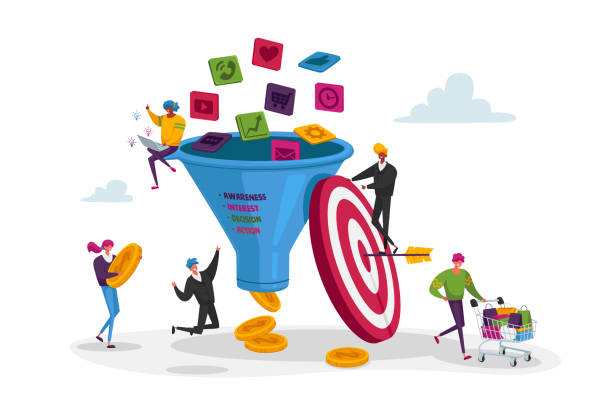
3. Create a Funnel — Don’t Leave Visitors Wandering

A website that converts doesn’t just look good — it leads the visitor on a journey.
The best‑performing sites act like a well‑designed store: every path leads you toward the checkout.

How to build your funnel effectively:

  1. Attract traffic. Use SEO and social media to bring visitors in.
  2. Engage interest. Use compelling copy, visuals, and offers to keep them reading.
  3. Capture leads. Offer value (like guides, free tools, or newsletters) in exchange for contact info.
  4. Convert. Provide trust signals and social proof before asking for the sale.
  5. Follow up. Use automated emails to nurture prospects after they leave your site.

Tools like email automation, CRM integrations, and analytics dashboards can turn this funnel into an automated engine that works while you’re busy elsewhere.

4. Optimize Content That Sells, Not Just Tells

Too many websites focus on describing what they do instead of selling what they solve. Your visitors don’t care about features until they believe you can fix their problem.

Shift your content from informational to transformational.

Instead of saying:

“We offer affordable hosting packages.”

Say this:

“Host your website with Tremhost and get lightning‑fast performance that keeps customers buying, not bouncing.”

Notice the difference? One lists a feature; the other paints a result.

Tips for persuasive website copy:

  • Use second‑person language (“you,” “your business”) to speak directly to the reader.
  • Highlight benefits and outcomes, not just features.
  • Use testimonials or case studies to build credibility.
  • Keep paragraphs short and scannable — web readers skim.

5. Add Proof, Trust & Human Connection

People buy from those they trust.
Adding trust triggers throughout your site can dramatically increase conversions.

Here’s what works:

  • Real customer reviews and ratings
  • Case studies showing measurable results
  • Logos of companies or clients you’ve worked with
  • Security badges and SSL trust icons
  • Personal touches — a founder photo or “About Us” story

Your website should feel like a conversation with a credible, caring business, not a faceless brand.

6. Capture Leads Automatically

Sometimes, visitors aren’t ready to buy on their first visit.
That’s where lead capture comes in — forms, popups, and offers that collect user details.

Offer something valuable in return:

  • A free guide or checklist
  • A discount or coupon
  • A free trial or consultation

Once you have their email, follow up with automated messages that provide value, build trust, and remind them of your offer.

Paired with Tremhost’s uptime reliability, your lead capture system works continuously. No missed opportunities, no downtime.

7. Optimize for Mobile First

Over 65% of global traffic now comes from mobile devices.
If your site isn’t mobile‑friendly, you’re losing more than half your potential sales.

The Fix:

  • Choose responsive design themes.
  • Reduce text — keep key info above the fold.
  • Test every page on multiple devices.
  • Make buttons large enough to tap easily.

A mobile‑optimized site turns casual scrollers into paying customers.

8. Analyze, Test, and Improve Constantly

A true 24/7 sales machine isn’t built overnight — it’s refined constantly through data.

Use analytics to understand:

  • Where your visitors come from
  • What products or pages convert best
  • Where people drop off in your funnel

Then test improvements — better headlines, simpler checkout steps, new offers, different visuals. Don’t guess. Let the data show you what works.

Tremhost’s uptime and speed analytics dashboard helps you monitor performance in real time, so you can adjust and optimize without downtime.

9. Automate Everything You Can

The real secret to a 24/7 sales engine is automation.
Imagine emails that send themselves, systems that process payments instantly, and chatbots that reply to inquiries within seconds.

Some tools to consider:

  • Email sequences to follow up with leads
  • Chatbots or live chat systems for instant responses
  • E‑commerce integration with automatic invoicing
  • CRM connections to track every customer journey

Automation doesn’t replace your personal touch — it amplifies it by working behind the scenes.

10. Keep Building, Keep Evolving

Your first version won’t be perfect — that’s okay.
The websites that truly become digital sales machines are the ones that evolve. They update content, test new ideas, and grow with their customers.

Think of your site as a living system, not a finished product.
Keep learning, tweaking, and scaling.

Final Thoughts

Turning a simple website into a 24/7 sales machine doesn’t require fancy code or expensive tools — it requires clarity, consistency, and care.

Start with rock‑solid hosting, set clear goals, build trust, capture leads, and automate smartly. That’s the winning formula.

At Tremhost, we provide the technical horsepower — lightning‑fast hosting, rock‑solid uptime, security, and support — so you can focus on growth.
Because your website shouldn’t just exist; it should sell, 24 hours a day.

Ready to turn your website into your hardest‑working employee?
Start building your sales machine with Tremhost today.

Why 90% of New Websites Fail Before Their First Year — And How to Avoid It

0

Launching a website is exciting. It’s that digital “grand opening” moment — your brand or project finally has a home online. You imagine visitors arriving, reading your content, buying your products, and growing your dream into something real.

But the reality?
Up to 90% of websites never make it past their first year.

They go live, gather a few clicks, and then fade into digital obscurity. Some never load again; others limp along unnoticed. The reason isn’t just bad luck — it’s a combination of technical, strategic, and human mistakes.

In this post, we’ll break down why so many websites fail and, most importantly, how you can avoid their fate by building a solid foundation.


💡 1. No Clear Purpose or Direction

One of the biggest killers of new websites is a lack of direction. People launch sites because they feel like they “should” — but when asked why, their goals are vague.

A website without purpose is like a shop that’s open but has no products or signage. No one understands what it’s for, and neither will Google.

The Fix: Define your mission before you even buy hosting.

Ask yourself:

  • What do I want this website to achieve?
  • Who am I trying to reach?
  • What action do I want visitors to take?

Your answers shape everything — content, design, structure, and marketing. A business website should drive leads or sales. A blog should build an audience. A portfolio should show off your best work.

Clarity here determines whether your site feels purposeful or aimless.


⚙️ 2. Choosing the Wrong Hosting Provider

This is where things start to crumble for many new website owners. They pick the cheapest hosting option they find, thinking all services are the same. A few months later, their site’s loading speed plummets, security issues arise, and uptime becomes unreliable.

What they don’t realize is this:
Your hosting plan directly impacts your site’s performance, security, SEO ranking, and user trust.

When a site takes more than 3 seconds to load, over 50% of visitors leave, and Google lowers its ranking. A slow or unstable website doesn’t just frustrate users — it silently drains your traffic and credibility.

The Fix: Invest in quality hosting from the start.

Reliable providers like Tremhost offer:

  • High-speed SSD storage for faster load times
  • 99.9% uptime reliability
  • Free SSL certificates (for SEO and trust)
  • 24/7 expert support
  • Scalable plans so your website grows with your business

Your website’s hosting isn’t just a technical choice — it’s the foundation of everything you build.


📈 3. Forgetting About Marketing & SEO

Here’s a harsh truth:
Even the most beautiful website will fail if no one knows it exists.

Too many new website owners assume the internet will “find them.” But SEO, social media marketing, and backlinks aren’t automatic — they’re strategies that require planning, consistency, and patience.

The Fix: Treat marketing as part of your website’s ongoing maintenance.

  • Learn basic SEO — keyword optimization, internal linking, and content structure.
  • Use Google Analytics and Google Search Console to monitor performance.
  • Create a blog section to publish value-based, keyword-rich content.
  • Share your posts across social media and forums related to your niche.

SEO is a long game, but it compounds over time. A small, consistent effort each week often beats short-term paid ads in ROI.


🧠 4. Ignoring User Experience (UX)

Many website owners focus on aesthetics — fancy animations, bright colors, flashy buttons — and forget that design is about usability.

Visitors should be able to find what they need quickly, without confusion. If your design overwhelms or annoys them, they’ll leave and never return.

The Fix: Simplify your design around your user’s journey.

  • Keep menus straightforward and intuitive.
  • Use readable fonts and clean layouts.
  • Optimize for mobile — over 65% of global traffic comes from phones.
  • Test your site’s flow: how many clicks does it take to reach important pages?
  • Add clear Calls to Action (CTAs): “Buy Now,” “Subscribe,” “Book a Demo.”

Remember: a good design isn’t one that impresses people — it’s one that makes their visit effortless.


🔒 5. Overlooking Security and Maintenance

New web owners often assume small sites won’t attract hackers. Unfortunately, that’s a myth.

Automated bots constantly scan for poorly maintained websites — outdated plugins, weak passwords, no SSL certificate. A single vulnerability can take your site down or get it blacklisted by browsers.

The Fix: Implement a security-first mindset.

  • Activate your SSL certificate (Tremhost includes this for free).
  • Use strong admin passwords and change them periodically.
  • Update WordPress, plugins, and themes regularly.
  • Schedule automated backups.
  • Install security monitoring tools that alert you if something’s off.

Prevention is easier and cheaper than recovery.


🧾 6. Zero Analytics or Data Tracking

If you’re not tracking your website’s performance, you’re essentially flying blind.
You might think things are working — but without data, you can’t confirm it.

Analytics tell you:

  • Where your visitors come from
  • What pages they spend time on
  • Which content gets clicks (and which doesn’t)
  • Where users drop off in your funnel

The Fix:

  • Connect Google Analytics and Search Console from day one.
  • Set goals (like newsletter signups, contact form submissions, or sales).
  • Review your data monthly to make informed adjustments.

Small insights often reveal big opportunities — and small leaks that drain growth.


🌱 7. Giving Up Too Soon

This might be the most common failure of all. Many website owners give up because results don’t show up immediately. Traffic is low, engagement is modest, motivation fades — and updates stop.

A website is like a business: it needs time to grow. What’s discouraging at month three might become profitable at month twelve.

The Fix: Commit to the long run.

  • Set realistic milestones (not “10,000 visitors by next week”).
  • Be patient with Google indexing and ranking time.
  • Keep updating — fresh content keeps your site relevant.
  • Celebrate small wins — your first sale, email subscriber, or backlink.

The first year is about learning, adjusting, and building momentum.


⚡ Final Thoughts: How to Succeed Where Others Fail

Success on the web doesn’t come from luck — it comes from doing the basics well and consistently.
Every website that succeeds shares a few common traits:

  • A clear goal
  • Solid hosting infrastructure
  • Regular updates
  • Strong security practices
  • Smart marketing
  • Patience and persistence

When you get these right, you build more than a site — you build a sustainable online presence.

At Tremhost, we’ve helped thousands of entrepreneurs, startups, and creators build fast, reliable, growth-ready websites. Whether you’re just starting out or scaling, our hosting is built to support your success every step of the way.


🚀 Ready to Build a Website That Lasts?

Start with a reliable foundation.
Choose a Tremhost hosting plan tailored to your goals — secure, scalable, and super-speed optimized.

👉 Explore Tremhost Hosting Plans

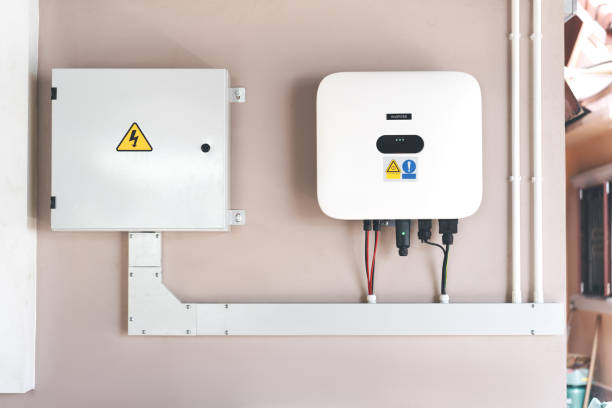
Best Budget Solar & Inverter Systems in Harare 2026: Price, What They Power & How to Buy Smart

0

In 2026, more people in Harare and across Zimbabwe are investing in solar power — not as a luxury, but as a necessity. With frequent load-shedding and unreliable grid supply, a well-sized solar + inverter system can make the difference between daily frustration and smooth, dependable electricity for your essentials.

This post dives into what a “budget” solar setup looks like in Harare: how much you can expect to pay, what such a system can realistically power (fridge, lights, TV, small appliances), and how to pick wisely when shopping in 2026. I also cover buying tips to stretch your dollar further.

What “Budget” Means in Harare Today

“Budget” doesn’t mean cheapest-possible junk. Instead, a budget solar system in 2026 Harare means: reasonable upfront cost, reliable components, and enough capacity to cover essential household power needs (fridge, lights, TV, small electronics).

Local suppliers describe a basic 3 kVA (hybrid or off-grid) solar kit — panels, inverter, battery, and installation — as a reasonably priced solution for many homes. Solar Options+2Sona Solar ZW+2
A setup like that offers a good balance between price, reliability, and functionality.

Typical Prices (2025–2026) for Budget Solar Kits & Components

Here’s what your budget solar system (or components) is likely to cost in Harare, based on recent market info for inverters, batteries, and solar panels:

– Inverters

  • Entry-level / small inverters (1 kVA to ~3 kVA) — often used for basic lighting, TVs, and small loads — go for about US$110 to US$190 depending on brand and capacity. Synergy Solar+2Solar Quotes Zimbabwe+2

  • Medium inverters (around 3–5 kVA) — more versatile for refrigerators, multiple devices — are in the ballpark of US$300–400 depending on features. Polaris ZW+1

– Solar panels

  • Panels suitable for small-to-mid-size home systems seem to range widely depending on wattage and quality. In 2025-2026, some reportedly affordable mid-range panels are listed by local suppliers. Sona Solar ZW+2Polaris ZW+2

– Batteries (storage)

  • Lithium batteries or deep-cycle battery packs that are compatible with small-to-moderate solar setups appear in various capacity and price ranges — though price depends heavily on capacity & brand. Polaris ZW+2Synergy Solar+2

– Complete installed systems

  • A small — but complete — 3 kVA solar system (panels + inverter + battery + full installation) is often quoted around US$1,500 to US$1,800 depending on brand, quality, and configuration. Solar Options

  • For slightly bigger use (fridge + lights + TV + small extras), this kind of package tends to give good value without overspending.

What a Budget System Can Actually Power

With a 3 kVA (or thereabouts) budget solar setup, you can reliably run:

  • Lighting (several LED bulbs, internal or external)

  • TV / entertainment system (smart TV, set-top box, perhaps a soundbar)

  • Fridge (small to medium size) — depending on how often the fridge compressor runs, but generally suitable for a modest household fridge.

  • Small loads / electronics: phone/laptop charging, router (for internet), maybe a fan or small appliances

Many local solar suppliers in Harare market such packages as adequate for “moderate household needs.” Solar Options+2Sona Solar ZW+2

This makes such kits ideal for apartments, small homes, or households that only need basic backup during load-shedding, rather than powering heavy loads like air conditioners or large borehole pumps.

 Buying Tips — How to Get the Best Budget System in 2026

If you’re shopping now (or soon) in Harare for a budget solar + inverter system, here’s a checklist of tips to get good value:

  • Match system size to your actual needs. Don’t overbuy. If you only need fridge + lights + TV, a ~3 kVA system is often enough. Oversizing wastes money and may shorten battery life.

  • Ask for a full quote including installation. A “system” isn’t just an inverter + panels: you need charge controllers, batteries, mounting, wiring, safety gear, and labour. Sometimes “cheap” quotes exclude important extras and end up costing more later.

  • Prefer reputable components. Inverter prices vary — but buying from well-known brands reduces risk of failures or compatibility issues. For example, small inverters in the $110–190 range are ideal for basic use. Synergy Solar+2Solar Quotes Zimbabwe+2

  • Balance panel wattage vs battery capacity. A strong panel array with a weak battery (or vice versa) defeats the purpose. Ensure your battery can store enough energy for nighttime or cloudy periods.

  • Think long-term: choose quality batteries (if budget allows). Battery is often the component that determines reliability. If possible, invest in a decent battery — it pays off in lifespan and fewer replacements.

  • Check for after-sales support & warranty. Solar systems are long-term investments. Local availability of parts, maintenance support, and warranty (especially for inverters/batteries) are crucial.

Who Should Get a Budget Solar Setup — and Who Should Look Higher

Budget solar + inverter systems in the 3 kVA range make sense for:

  • Apartment dwellers or small homes needing basic power for fridge, lights, TV, and small electronics

  • People wanting a reliable backup for grid outages / load-shedding — not full off-grid living

  • Renters or homeowners on a budget, but who still want to avoid frequent blackouts

You might want a larger or more advanced system if you plan to run heavy loads such as air conditioners, borehole pumps, large freezers, or multiple heavy appliances — in which case 5 kVA+ systems or larger, more expensive kits become more appropriate.

✅ Final Thoughts — Smart Buying in 2026 Harare

If you approach solar with practical realism and smart shopping, you don’t need to blow your budget to enjoy stable power. A properly sized, budget-conscious solar + inverter system is often enough for everyday essentials — fridge, lights, TV, and basic electronics — and costs far less than many assume.

For many households in Harare in 2026, a 3 kVA kit with good panels, a decent inverter, and a reliable battery gives the sweet spot: affordability, reliability, and peace of mind during load-shedding.

Just remember: buy based on what you need, insist on full component & installation quotes, and prioritize quality and support over rock-bottom price.

How Much Solar Power Do I Need to Run a Fridge + TV + Lights in Zimbabwe (2026 Guide)

0

If you live in Zimbabwe, one truth has become unavoidable: your home needs its own power plan. Between routine load-shedding, unpredictable outages, and rising electricity costs, more households are turning to solar just to keep their basic appliances running.

But before anyone buys a solar kit or an inverter, the biggest question always comes first:

“How much solar power do I REALLY need to run my fridge, TV, and lights?”
This guide breaks down the answer in a simple, practical, Zimbabwe-friendly way—so that by the end, you’ll know the EXACT solar size, battery size, and inverter capacity required to keep your essential appliances powered throughout 2026 and beyond.

Why This Matters in 2026

Zimbabweans are no longer installing solar for luxury — it has become a necessity. In 2026, solar technology is cheaper, more efficient, and more available than ever before. But so many people still overspend, under-size, or buy equipment that doesn’t suit their home.

Understanding your actual power needs is the first step to building a reliable system that runs your essentials without stress.

Understanding Your Essential Appliances

To size a solar system correctly, you need to know two things about each appliance:

  1. How many watts it uses

  2. How long it runs per day

Let’s take the real Zimbabwean essentials:

  • Fridge

  • Television

  • Home lights

Below is how they typically consume power in Zimbabwean households.

1. The Fridge — Your Biggest Essential

Most Zimbabwean homes use either a:

  • 150–250 litre fridge/freezer combo

  • Energy-efficient Defy, Hisense, Samsung, Capri, or KIC model

These fridges have a running power of 80–150W, but because they cycle ON and OFF, their daily consumption is usually:

On average: 800Wh – 1,200Wh per day (0.8–1.2 kWh)

In hot weather, fridges work harder, so plan for the upper range.

2. The TV

Most Zimbabwean households now use:

  • 32″ LED TV → 40–60W

  • 43″ or 50″ Smart TV → 70–120W

Let’s assume you watch TV for 4 hours/day.

Daily consumption: 200–400Wh

Smart TVs use slightly more power, but the difference is small.

3. Lights

LED bulbs are very efficient—usually 5W–9W each.

Assume:

  • 4 rooms × 8W bulbs

  • Lights ON for 5 hours/day

Daily consumption: around 160Wh

Lights use very little compared to everything else.

Total Daily Power Consumption

Let’s put everything together:

ApplianceDaily Use
Fridge0.8–1.2 kWh
TV0.2–0.4 kWh
Lights0.16 kWh
TOTAL Needed Per Day1.2 – 1.8 kWh

To be safe, assume you need:

→ 2 kWh per day

That’s the number we’ll design your solar system around.

What Size Solar Panels Do You Need? (2026 Reality)

Zimbabwe gets excellent sunlight: 5–6 hours of strong sun per day.

To produce 2 kWh per day, your panel array should be:

400W of panels produces ~2 kWh/day (ideal conditions)

BUT real-world Zimbabwe conditions require: 600–800W of panels

So the recommended size is:

600W – 800W of Solar Panels

This is usually:

  • 3 × 300W panels, or

  • 2 × 400W panels, or

  • 4 × 200W panels

This ensures you ALWAYS generate enough power—even during cloudy days.

What Inverter Size Do You Need?

Your inverter must handle the “instant load” of all devices running at the same time.

Let’s add them:

  • Fridge: 150W (but may spike to 600W on startup)

  • TV: 80W

  • Lights: 50W

  • Total running: ~280W

  • Total surge: up to 800W

To run comfortably, choose:

1kVA or 1.5kVA Pure Sinewave Inverter

A 1kVA inverter can handle these essentials with room to spare.

What Battery Size Do You Need? (MOST IMPORTANT!)

Your battery decides how long your home stays powered when the sun is down.

Since you need 2 kWh per day, your battery must cover at least that much.

Option 1: Lithium Battery (Best in 2026)

Lithium batteries (LiFePO4) can discharge up to 90%.

To get 2 kWh usable power:

  • 24V 100Ah lithium battery → 2.4 kWh

  • Usable: 2.1 kWh (perfect)

Best choice: 24V 100Ah Lithium Battery

It runs:

  • Fridge all night

  • TV in the evening

  • Lights easily

Option 2: Gel Battery (Not recommended in 2026, but cheaper)

Gel batteries can only safely discharge 50%.

To get 2 kWh usable, you would need:

  • 2 × 12V 200Ah gel batteries (huge, heavy, and age quickly)

Lithium is way better for 2026.

Recommended Solar System Setup (Perfect for a Zimbabwe Home in 2026)

Here’s the ideal system for running a fridge, TV, and lights consistently:

✔ 800W Solar Panels

✔ 1kVA or 1.5kVA Pure Sinewave Inverter

✔ 24V 100Ah Lithium Battery (2.4 kWh)

✔ Charge Controller (MPPT 40A)

This will give you:

  • Full-day fridge use

  • 4–6 hours TV time

  • Lights the whole night

  • Reliable overnight supply

  • Fast charging from sunshine

Real-World Example — What You Can Expect

A system like this usually performs as follows:

  • Your fridge stays cold even during 10-hour load-shedding

  • You can watch TV in the evening without draining the battery

  • Your lights stay on all night

  • By midday tomorrow, your battery will be fully charged again

This makes your home load-shedding-proof for essentials.

What It Costs in 2026 (Zimbabwe Estimate)

Prices vary by brand, but typical 2026 costs look like:

  • 800W panels → USD 250–350

  • Lithium battery 24V 100Ah → USD 450–600

  • 1kVA inverter → USD 120–200

  • MPPT controller → USD 80–120

Total Estimated Cost: USD 900 – 1,250

This is FAR cheaper than 5 years ago — one reason Zimbabweans are going solar faster than ever.

Final Thoughts

If your goal is simply to power your fridge, TV, and lights reliably in 2026 without spending a fortune, you don’t need a huge or complicated solar system. You only need a correctly sized one.

The perfect setup is:

  • 800W panels

  • 1kVA–1.5kVA inverter

  • 24V 100Ah lithium battery

This keeps your essentials running day and night, and protects you from the unpredictable load-shedding cycles we all face.

How to Set Up a Smart TV in 2026: A Complete Beginner-Friendly Guide

0

Buying a new Smart TV in 2026 is exciting — the colours are richer, the operating systems are faster, and everything from streaming to gaming has become smoother than ever. But if you’re new to Smart TVs, the setup process can feel overwhelming. Between connecting to Wi-Fi, signing in to accounts, calibrating picture settings, and understanding the different platforms like Google TV, Samsung Tizen, LG webOS, Roku, and Amazon Fire TV, it can feel like you’re setting up a mini-computer.

This guide will walk you through every single step in a clear, simple, but deeply detailed way so that by the end, your TV will look better, sound better, run faster, and be safer to use. Whether you’re setting up your first Smart TV or upgrading from an older model, this 2026 guide will help you get the absolute best experience.

Unboxing and Choosing the Perfect Spot

The setup journey begins long before you ever press the power button. When you unbox your TV, do it slowly and carefully — modern displays are incredibly thin and can be damaged easily if lifted incorrectly. Place all accessories aside: the stand, remote, screws, manuals, and cables.

Before mounting or placing your TV, take a moment to assess your room. In 2026, TVs are designed to offer the best picture when the screen is at eye level while you’re seated. Measure the distance between your couch and the TV stand or wall. Ideally, the center of the screen should align with your eyes, and the viewing distance should be comfortable — not too close, not too far. Lighting matters as well; try to position the TV opposite windows to reduce glare. If you plan to wall-mount, use a sturdy mount and secure it properly into studs or solid walls. Always avoid flimsy or cheap mounts that may not support the weight of the TV.

Power and Internet: The Foundation of a Smart TV

A Smart TV is only as smart as its internet connection. In 2026, most modern TVs support both 2.4GHz and 5GHz Wi-Fi bands, but if your router is a few meters away, 5GHz will give you faster speeds and more stable streaming. If your router is far from the TV or you live in a large house, consider using a mesh Wi-Fi system or powerline adapters to improve coverage. For the best possible performance, especially for 4K/8K streaming, gaming, or live sports, an Ethernet cable is still the gold standard.

Don’t forget about power protection. With many regions still experiencing unstable electricity, a surge protector or UPS is essential to protect your TV from sudden voltage spikes. Once your TV is plugged in and safely powered, you’re ready for the first boot.

First Power-Up: The Guided Setup Experience

When you switch on your TV for the first time, you’ll be welcomed with a setup wizard. This step-by-step assistant will guide you through selecting your language, connecting to the internet, and agreeing to privacy settings. In 2026, Smart TVs are more privacy-conscious than before, giving you options to disable data tracking or personalized advertising. Although many people click “accept all,” it’s worth taking a minute to read and adjust these settings according to your comfort.

After connecting to the internet, your TV may prompt you to update its firmware. Always do this immediately. Firmware updates improve performance, add new features, and fix bugs — skipping them can cause future issues.

Understanding Your Smart TV Platform

Different brands use different operating systems, and knowing yours makes everything smoother.

Google TV / Android TV (Sony, TCL, Hisense, etc.)

If you have a Google TV, you’ll be asked to sign in with a Google account. This gives you access to the Play Store, apps, voice control, and personalized recommendations. You can log in directly on the TV or use your phone to speed up the process.

Samsung Tizen

Samsung TVs use the Tizen OS, which requires a Samsung account for full features. You can install apps, use SmartThings for smart home control, and access exclusive Samsung services.

LG webOS

LG’s webOS is known for its smooth interface and beautiful UI. Logging into your LG account lets you save settings, install apps, and use ThinQ smart home features.

Roku TV

Roku remains a favorite for simplicity. Setup involves linking the TV to your Roku account using a code. You can then install channels through your phone or computer.

Amazon Fire TV Edition

Fire TV Edition sets use Amazon’s ecosystem. You’ll log in with your Amazon account, giving you access to Prime Video, Alexa voice control, apps, and skills.

Whatever your platform, take time to explore the app store and install the essential apps you’ll use daily — Netflix, YouTube, Disney+, Showmax, Prime Video, and local streaming apps.

Picture Quality: Unlocking the Best Image

Most people never adjust their picture settings beyond the default, which is unfortunate because TV manufacturers design their default modes to look bright in showrooms, not at home. In 2026, TVs come with advanced AI-driven picture tuning features, but manual adjustments can still dramatically improve your viewing experience.

Start by selecting your picture mode. Movie or Cinema mode provides the most natural and accurate colours. If you play games, switch to Game Mode for lower input lag. Avoid modes like “Dynamic” or “Vivid” unless you’re in a very bright room.

Adjust the backlight depending on your room lighting. Lower it at night and increase it during the day. Reduce sharpness — high sharpness introduces artificial edges that ruin the picture. If your TV supports motion smoothing, turn it off if you dislike the “soap opera” effect.

Taking a few minutes to calibrate your picture results in richer colours, deeper blacks, smoother motion, and an overall lifelike experience.

Sound Settings: TV Audio vs. Soundbar

Most modern TVs look beautiful but have thin speakers. If you want cinematic sound, a soundbar is a must. In 2026, many TVs and soundbars support eARC (Enhanced Audio Return Channel), which ensures higher-quality audio like Dolby Atmos. Connecting your soundbar to the HDMI eARC port will give you the best performance.

If you prefer using the TV speakers, adjust the sound mode. Dialogue-enhancing modes help speech sound clearer, while Movie Mode enhances bass and surround effects. Some TVs allow room calibration using built-in microphones or your smartphone to fine-tune audio according to your room shape.

Installing Apps and Managing Accounts

Now that your TV is calibrated, install all the apps you need. Most platforms allow easy login using your phone, QR codes, or even automatic device linking. If multiple family members use the TV, consider setting up profiles in apps that support them. This creates personalized recommendations and keeps kids away from inappropriate content.

If you’re privacy-conscious or don’t want the TV linked to your personal accounts, you can even create a dedicated “TV-only” Google, Samsung, or Amazon account. This keeps your main data separate and makes it easier to manage logins.

Smart Home Integration in 2026

Smart TVs are now central hubs for smart homes. Whether you use Google Assistant, Alexa, Siri (via Apple Home support in newer TVs), Samsung SmartThings, or LG ThinQ, connecting your TV to your smart home ecosystem opens a world of automation.

You can dim lights when a movie starts, turn off devices at bedtime, or ask your TV to show your security camera feed. Voice control has also become more accurate in 2026, allowing natural commands like “Show me action movies” or “Switch to HDMI 1.”

Privacy and Security: A Must-Do Step

In a connected world, security matters. After setup, go to your TV’s privacy settings and disable any tracking features you don’t need. Turn off ad personalization if you prefer not to have your viewing habits tracked. Enable two-factor authentication (2FA) on your Google, Amazon, or Samsung account to prevent unauthorized access.

If visitors often connect to your Wi-Fi, consider placing your TV on a guest network or IoT network through your router. This isolates it from your private devices and adds an extra layer of protection.

Troubleshooting: Solving Common Issues

Even with perfect setup, you may run into small hiccups. Slow streaming usually means weak Wi-Fi — switch to Ethernet if possible, or place your router closer. If apps freeze, restart the TV or clear cached data. If audio is out of sync, adjust lip-sync settings or check your HDMI cable.

Fortunately, TVs in 2026 come with better self-diagnostic tools that guide you through solutions quickly.

Final Thoughts: Your Smart TV is Now Truly Smart

Setting up a Smart TV isn’t just about turning it on — it’s about unlocking its full potential. With this 2026 guide, your TV should now look better, sound better, run smoother, and interact seamlessly with your home. Whether you’re watching movies, streaming sports, playing games, or controlling smart devices, your setup is now optimized for the best experience.

20 Lessons 2025 Taught Me About Life, Business, and Growth in Zimbabwe

0

Every year leaves us with scars, victories, surprises, and lessons we didn’t know we needed. But 2025 was different. It was a year that stretched us, humbled us, sharpened us, and—most importantly—prepared us. In Zimbabwe, nothing is ever predictable, yet somehow, every challenge carries a hidden blessing. Every setback whispers a lesson. Every win, no matter how small, becomes a milestone.

As we close the chapter on 2025, here are 20 powerful lessons this unforgettable year taught me about life, business, and personal growth in Zimbabwe.

1. Consistency Beats Talent Every Time

2025 proved that the people who showed up every day—posting, selling, improving—outperformed those who only relied on talent. Consistency turned small efforts into big wins.

2. Zimbabwe Rewards the Bold, Not the Perfect

Those who took imperfect action won. Those who waited for the “right moment” are still waiting. The lesson? Start, even when it’s messy.

3. The Market Belongs to Those Who Respond Fast

Customers in Zimbabwe don’t wait. Quick replies, quick deliveries, quick decisions—speed became a competitive advantage in 2025.

4. Social Currency Is Real Currency

Your reputation, your network, your digital presence—these mattered more than ever. People didn’t just buy products; they bought trust.

5. Slow Months Are Not Failure—They Are Signals

When business slowed down, it wasn’t a verdict—it was feedback. It was a sign to adjust pricing, improve offers, market more, and adapt.

6. Collaboration Opened More Doors Than Competition

In 2025, Zimbabweans who collaborated—shared content, co-created, supported each other—grew faster than those who tried to dominate alone.

7. You Can’t Scale Chaos

Many learned that without structure, systems, and automation, growth becomes painful. Order became the silent multiplier.

8. Mental Health Is Not a Luxury

Stress, burnout, pressure—2025 reminded us that rest is productive. A tired mind creates tired results.

9. Professionalism Became the New Marketing

Branded emails, clean websites, fast support, proper invoicing—customers chose businesses that looked ready.

10. Discipline Is a Better Friend Than Motivation

Motivation fades. Discipline stays. 2025 taught us that pushing yourself on days you don’t feel like it is what creates separation.

11. Money Moves Toward Value, Not Effort

You can work hard and still earn little if the market doesn’t value what you do. Those who learned to provide value grew.

12. The Customer Experience Is More Important Than the Product

People remember how you made them feel—fast replies, respect, clarity, and reliability. The product comes second.

13. Innovation Didn’t Require Capital—Just Creativity

2025 was full of businesses that started with almost nothing but used creativity, social media, and free tools to grow big.

14. Savings Are Protection, Not Punishment

If 2025 taught anything, it’s that emergencies don’t announce themselves. Savings softened the blows.

15. The Zimbabwean Hustle Requires Emotional Maturity

You have to learn to handle rejection, slow days, tough clients, and setbacks—without losing heart.

16. Showing Your Work Builds Your Brand

People connected more with businesses that shared behind-the-scenes moments, stories, wins, failures, and personality.

17. Your Circle Affects Your Growth

2025 made it clear: sit with the motivated, the creative, the disciplined, and your life shifts. Sit with negativity, and your dreams shrink.

18. Opportunities Come to Those Who Market Themselves Relentlessly

Those who posted daily, promoted their work, showed up on social platforms, and talked about their businesses got more opportunities—simple.

19. Technology Is No Longer Optional

Businesses that embraced AI, automation, professional email, and online systems grew faster than those relying solely on manual methods.

20. Gratitude Makes the Journey Lighter

Even when things were tough, 2025 reminded us that gratitude brings perspective. It softens stress, strengthens resilience, and attracts better days.

Final Thoughts: 2025 Prepared Us for a Bigger 2026

This year taught us that Zimbabwean resilience is unmatched. That growth happens when we’re uncomfortable. That every challenge has a lesson hidden inside. That even in uncertainty, opportunities are everywhere.

2025 wasn’t just a year—it was a teacher.

And now, with its lessons carried into 2026, we’re entering a new season sharper, wiser, hungrier, and more ready than ever.