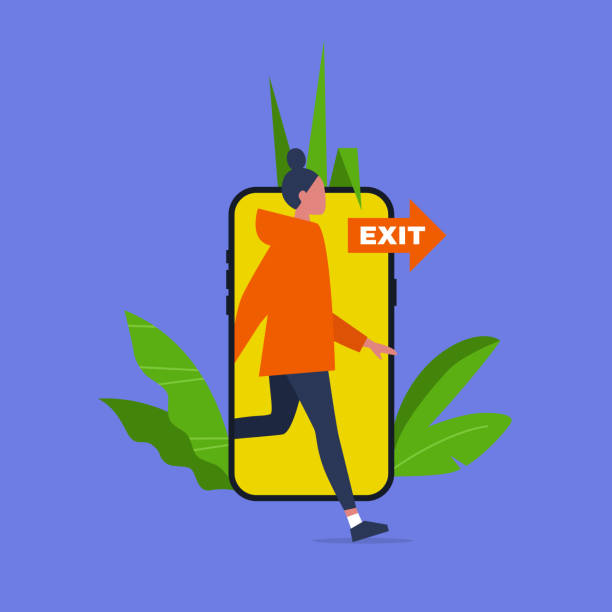

Scrolling, liking, sharing—it’s become second nature. Social media connects us to friends, news, and entertainment, but it can also leave us feeling stressed, anxious, or distracted. What would happen if you pressed pause and quit social media for 30 days?
The answer may surprise you. A month-long social media detox doesn’t just change your digital habits—it can transform your mental health, productivity, relationships, and even your sense of self.
The Psychological Effects
1. Reduced Anxiety and Stress
Social media often exposes us to constant notifications, comparison, and negative news. When you step away, your cortisol (stress hormone) levels decrease, and your brain gets a chance to rest. Many people report feeling calmer, less reactive, and more emotionally balanced within just a few days.
2. Less FOMO (Fear of Missing Out)
Scrolling endlessly can fuel anxiety about missing events, achievements, or experiences. Removing social media for a month helps you focus on your own life without constant comparison, leading to greater satisfaction and peace of mind.
3. Improved Mood and Self-Esteem
Studies show that excessive social media use can lower self-esteem, as people compare themselves to curated online personas. After a 30-day break, many report feeling happier with themselves, less self-critical, and more present in their real lives.
Cognitive and Productivity Benefits
1. Better Focus
Without the constant ping of notifications, your brain can enter deep work states more easily. Tasks take less time, concentration improves, and multitasking becomes less overwhelming.
2. Increased Creativity
When your mind isn’t distracted by endless scrolling, it has more bandwidth for original thinking, problem-solving, and creative ideas. Many people find they start new projects, hobbies, or creative pursuits during a social media detox.
3. More Mindful Use of Technology
After quitting, you often reassess your digital habits. You may return to social media with intentionality—checking it less frequently, curating your feed, or using it for inspiration rather than distraction.
Social and Relationship Changes
1. More Real-Life Connections
Without online interactions to rely on, people often seek deeper, face-to-face conversations. Friendships and family bonds improve as you invest time and attention in real-world relationships.
2. Less Drama
Social media can amplify conflict, gossip, and misunderstandings. When you step away, you avoid online arguments and reduce emotional turbulence.
3. Strengthened Personal Boundaries
By quitting, you reclaim control over your time and attention. You learn to set limits on digital engagement, which can carry over into healthier boundaries even after returning to social media.
Physical Health Benefits
-
Better Sleep: Without late-night scrolling, your circadian rhythm improves, leading to deeper, more restorative sleep.
-
Reduced Eye Strain: Less screen time means less strain on your eyes, fewer headaches, and improved focus.
-
More Movement: People often become more active when they aren’t glued to their phones. You may walk more, exercise more, or spend more time outdoors.
The Emotional Journey
A 30-day detox isn’t always easy. Many people report:
-
Initial Anxiety or Restlessness: The first few days may feel strange or uncomfortable, almost like withdrawal.
-
Boredom Turning Into Productivity: Once the initial discomfort passes, you find new ways to spend your time.
-
Increased Self-Awareness: Without social media to distract you, you confront your thoughts, emotions, and habits more directly.
By the end of the month, many people report feeling clearer, calmer, and more focused than they’ve felt in years.
Tips for a Successful 30-Day Social Media Detox
-
Inform Friends and Family: Let them know you’re taking a break so you’re not pressured to stay connected online.
-
Replace Scrolling With Activities: Read, exercise, journal, or learn a new skill.
-
Use Tools to Block Apps: Consider app blockers or phone restrictions during the detox.
-
Reflect Daily: Journaling or mindfulness meditation helps you observe changes in mood, focus, and productivity.
-
Ease Back In Thoughtfully: If you return to social media after 30 days, do it intentionally and selectively.
The Bottom Line
Quitting social media for 30 days is more than a digital experiment—it’s a life experiment. It can reduce stress, improve sleep, strengthen relationships, boost creativity, and help you reclaim focus.
In 2026, when online distractions are constant, taking a step back may be the smartest move you make for your mental, emotional, and physical well-being.