




By the time a cabinet is installed, most of the important decisions have already been made. The measurements are set, the boards are cut, the edges are sealed, and the fittings are locked in. What the client sees at handover is only the final chapter of a much longer storyone that began at the point of supply.
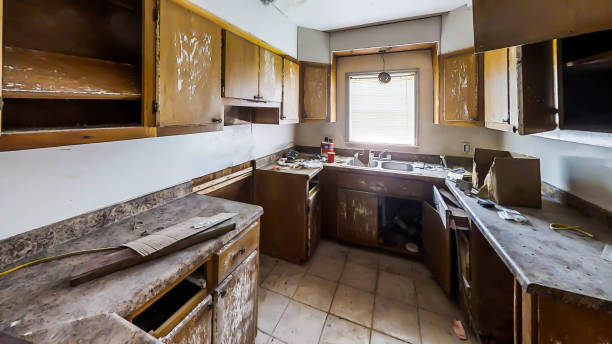
This is why so many cabinet projects fail in ways that feel confusing or unfair. The design was approved. The workmanship looked solid. The installation was neat. Yet months later, problems appear: doors drop out of alignment, shelves sag, edges peel, drawers resist movement, and surfaces begin to lose their finish. When this happens, blame usually falls on the builder or cabinet maker. But in reality, the project was compromised much earlier—when materials were chosen without enough attention to quality, compatibility, and finishing support.
In Zimbabwe’s interior fitting and cabinet manufacturing space, the difference between projects that last and projects that disappoint is rarely effort. It is supply.
The invisible stage where quality is decided
Clients tend to focus on visible elements: colour, layout, handles, lighting. Professionals know that the invisible elements matter just as much. Board density, surface consistency, edging quality, and fitting strength are not exciting conversation topics—but they determine whether a cabinet quietly performs or constantly demands attention.
When boards are inconsistent, cutting becomes unpredictable. When edging is rushed or improvised, moisture finds a way in. When fittings are chosen for price instead of load tolerance, movement degrades quickly. These issues don’t always show immediately, which makes them dangerous. They surface later, when the job is “done” and responsibility becomes blurred.
This is why experienced cabinet makers and designers don’t start with design boards or mood boards. They start by asking one question: Who is supplying the materials, and can they support the finish we are promising?
Why general suppliers struggle with specialist work
Cabinet manufacturing and interior fitting are specialist crafts. They demand materials that behave predictably under cutting, edging, and installation. Yet many projects are supplied through general outlets that prioritise availability over suitability. The result is compromiseboards that chip easily, finishes that don’t edge cleanly, and accessories that aren’t designed for long-term use.
This doesn’t mean these materials are “bad” in isolation. It means they are often wrong for the job. Kitchens, BICs, shopfronts, and office furniture operate under constant stress: weight, movement, heat, moisture, and repeated use. Materials that are not designed with these conditions in mind will always struggle, no matter how skilled the installer is.
Specialist work requires specialist supply.
The role of boards in long-term performance
Boards are not just structural panels; they are performance systems. They determine how well screws hold, how edges seal, how surfaces resist wear, and how the cabinet ages. In kitchens especially, boards are tested daily—by steam, spills, cleaning chemicals, and heavy loading.
This is why professional projects rely on proven decorative boards that balance durability with finish quality. Materials like MelaWood and SupaGloss are not chosen because they are trendy, but because they offer consistent behaviour during manufacturing and predictable results after installation. When boards cut cleanly and edge properly, everything downstream becomes easier: assembly, alignment, installation, and long-term use.
Precision is not optional: why cut-and-edge defines the finish
One of the biggest differences between average cabinetry and professional cabinetry is precision. Inaccurate cuts create small errors that multiply—misaligned doors, uneven gaps, drawers that don’t sit square, and on-site “adjustments” that compromise the final look.
Professional cut-and-edge services remove this uncertainty. They allow cabinet makers and designers to work with confidence, knowing that panels will arrive accurately sized and properly sealed. This reduces waste, speeds up installation, and produces a cleaner finish that reflects well on everyone involved.
In a competitive market like Harare, where timelines are tight and referrals matter, this level of precision is not a luxury. It is a competitive advantage.
Fittings: where clients feel quality immediately
If boards determine structure, fittings determine experience. Hinges, runners, and accessories are the parts clients interact with every single day. They feel quality—or the lack of it—immediately. A drawer that glides smoothly communicates professionalism. One that sticks or collapses communicates shortcuts.
This is why fittings should never be treated as secondary purchases. Cabinet manufacturing fittings and BIC accessories must be matched to the weight, size, and usage of the cabinet. When they are not, the cabinet begins to fail from the inside out. And when clients complain, they don’t complain about fittings—they complain about the cabinet maker.
Kitchens, worktops, and the point of highest stress
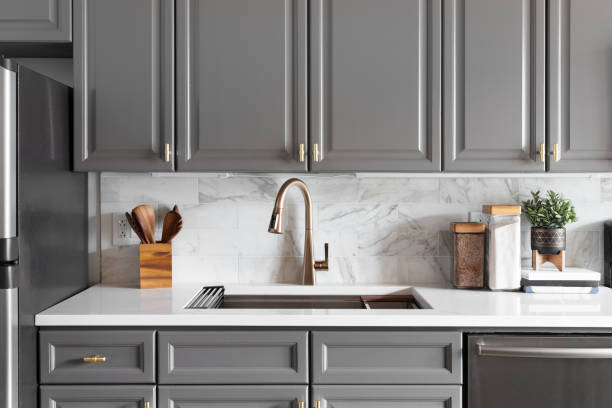
Kitchens expose weaknesses faster than any other interior space. The worktop, in particular, absorbs more punishment than any other surface in the home. Heat, water, impact, and daily use make material choice critical.
Postform and Formica worktops offer practical, versatile solutions when quality is prioritised and installation is done correctly. Quartz, on the other hand, delivers premium durability and visual impact for clients willing to invest. The key is not which option is chosen, but whether the choice matches how the kitchen will actually be used.
Good suppliers guide these decisions. Poor suppliers simply sell what is on the shelf.
Why serious professionals choose specialist partners
As projects scale in size and expectation, professionals begin to value reliability over convenience. They look for suppliers who understand cabinet manufacturing, not just retail sales. They want consistent stock, technical understanding, and services that support clean execution.
This is where Buildware plays a critical role. Buildware (registered as Ramaboards Pvt Ltd) focuses specifically on boards and fittings accessories for cabinet manufacturing and interior fitting. With solutions for kitchens, built-in cupboards, shopfronts, and office furniture—supported by professional cut-and-edge services Buildware removes many of the variables that cause projects to fail quietly over time.
For overseas designers and contractors, particularly those connected to the United Kingdom, this kind of local specialist supply makes it possible to execute Zimbabwe-based projects without compromising standards.
The difference between finishing a job and building a reputation
In interior work, the real test of quality happens after the invoice is paid. Cabinets that remain solid, aligned, and clean months and years later become silent advertisements. Those that fail become warnings.
The difference is rarely effort. It is preparation. It is choosing boards that perform, edging that protects, fittings that last, and suppliers who understand the work.
If you want your next project to be remembered for the right reasons, start where quality is decided at the point of supply.
For professional boards, fittings accessories, and precision cut-and-edge services for kitchens, BICs, shopfronts, and office furniture, Buildware is built for work that must last.