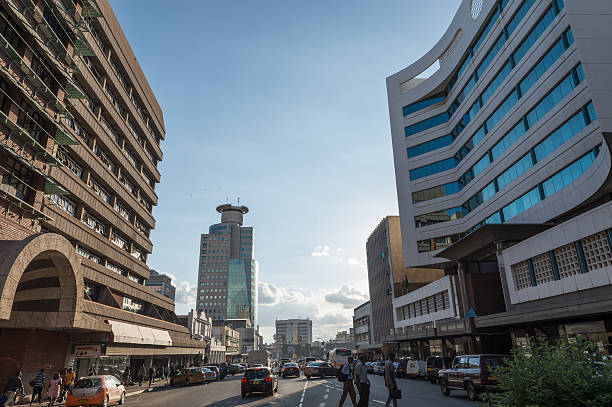



Living in Zimbabwe does not teach resilience in theory. It teaches it in practice, daily, often without warning. Resilience here is not motivational language or a hashtag. It is something learned quietly—through repetition, adjustment, and the simple refusal to give up.
In Zimbabwe, resilience begins with uncertainty. Very few things are guaranteed. Power may be available today and gone tomorrow. Prices may be stable in the morning and different by afternoon. Plans are made with flexibility built in, because experience has taught people that rigidity breaks easily. Over time, Zimbabweans learn to expect change and to move with it rather than against it.
One of the first lessons is adaptability. People learn to operate with alternatives. There is always a backup plan—sometimes two or three. If transport is unavailable, another route is found. If income slows down, another hustle is added. If systems fail, people create their own. This constant adjustment sharpens problem-solving skills and emotional endurance.
Living in Zimbabwe also teaches the value of community. Survival is rarely individual. Families share resources. Neighbors help each other during shortages. Information—about jobs, goods, opportunities, or challenges—is passed along quickly. In difficult moments, people lean on one another, not because it is ideal, but because it is necessary.
Resilience here also shows up in humor. Zimbabweans joke through hardship, not to dismiss pain, but to manage it. Laughter becomes a release valve. A power cut becomes a punchline. A price increase becomes a meme. Humor allows people to acknowledge difficulty without being consumed by it.
Another lesson is patience. Progress is rarely fast. Goals take longer than expected. Setbacks are common. Zimbabweans learn to pace themselves, to endure delays, and to keep going even when rewards are slow. This patience is not passive—it is active waiting, combined with effort.
Living in Zimbabwe also teaches emotional strength. People learn to regulate disappointment, to recover from loss, and to carry on when outcomes do not match effort. This does not mean pain is absent; it means it is integrated into life without defining it.
Faith plays a role for many. Whether through religion or personal belief, people find meaning beyond circumstances. Faith offers grounding when logic runs out. It provides hope not necessarily for immediate change, but for endurance through uncertainty.
At the same time, resilience in Zimbabwe is not romantic. It comes at a cost. Constant adaptation is tiring. Always being strong can become exhausting. Many people carry invisible fatigue, masked by smiles and jokes. Resilience does not eliminate the need for rest or change—it highlights it.
Perhaps the most important lesson is perspective. Living in Zimbabwe recalibrates expectations. Success is measured differently. Stability, peace of mind, and small victories are appreciated deeply. Gratitude becomes practical, not performative.
In the end, resilience in Zimbabwe is not about extraordinary strength. It is about ordinary persistence. It is about waking up, trying again, and finding ways to move forward in an environment that demands strength daily.
Living in Zimbabwe teaches you that resilience is not loud. It is quiet, consistent, and deeply human.