




If you’re thinking of launching a website—whether it’s a personal blog, a portfolio, or a small business landing page—you’ve probably come across the term “shared hosting.” But what exactly does it mean, and is it the right choice for you? Let’s break it down, step by step.
The Basics: What Is Shared Hosting?
Imagine living in an apartment building. You have your own space, but you share walls, utilities, and amenities with your neighbors. Shared hosting works the same way: your website “lives” on a server alongside other websites, and everyone shares the server’s resources (like memory, bandwidth, and processing power).
This setup makes shared hosting one of the most affordable and beginner-friendly options out there. It’s perfect for new sites, personal projects, and small businesses that don’t expect huge traffic spikes—at least, not right away.
How Does Shared Hosting Work?
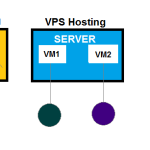
A hosting provider, like Tremhost, runs powerful servers in secure data centers. When you sign up for shared hosting, your website files are stored on one of these servers, along with those of other customers. The server’s resources are divided among all the sites hosted there.
Here’s a quick breakdown of how it works:
- One server, many websites: Dozens (sometimes hundreds) of sites reside on a single server.
- Shared resources: All sites use the same CPU, RAM, and bandwidth pool.
- Managed by the host: The hosting provider handles server maintenance, security patches, and technical support, so you can focus on your website.
Pros of Shared Hosting
1. Affordability
Shared hosting is generally the cheapest hosting option. Providers like Tremhost offer plans that fit almost any budget, making it accessible for individuals and startups.
2. Ease of Use
Most shared hosting plans come with user-friendly control panels (like cPanel), one-click installers for popular apps (think WordPress), and automated backups. Even if you’re not tech-savvy, you can get your site up and running in no time.
3. No Maintenance Hassles
The hosting company takes care of server upkeep, security updates, and software installations. That means you don’t have to worry about the behind-the-scenes technicalities.
4. Scalability
While shared hosting is best for smaller sites, many providers (including Tremhost) offer easy upgrade paths. If your site starts to attract more visitors, you can move to a more powerful plan or even a VPS (Virtual Private Server).
Cons of Shared Hosting
1. Resource Limitations
Because you’re sharing resources, your site’s performance can be affected by what other “tenants” on the server are doing. If one site gets a sudden traffic spike, it might slow everyone else down.
2. Security Considerations
Shared environments are generally safe, but if another website on your server is compromised, there’s a (small) chance your site could be affected too. Reputable hosts like Tremhost implement strict security protocols to minimize these risks.
3. Less Customization
You’ll have limited access to server settings and may not be able to install custom software. For most beginners, this isn’t an issue, but advanced users might want more control.
Who Should Choose Shared Hosting?
Shared hosting is ideal for:
- Personal websites and blogs
- Small business sites
- Portfolios
- Non-profits
- Anyone on a budget
If you expect your site to get thousands of daily visitors or need specialized software, you might outgrow shared hosting eventually. But for most new projects, it’s the perfect starting point.
Why Choose Tremhost for Shared Hosting?
If you’re considering shared hosting, Tremhost stands out for a few reasons:
- Reliable uptime and performance so your site is always available.
- Friendly, 24/7 support—get help whenever you need it.
- Easy-to-use control panel for hassle-free management.
- Transparent pricing with no hidden fees.
- Free SSL certificates and daily backups included.
Final Thoughts
Shared hosting is a fantastic choice for anyone launching a new website on a budget. It’s affordable, easy to use, and hassle-free—especially when you choose a provider like Tremhost who takes care of the technical heavy lifting for you.
Still unsure? Most hosts (Tremhost included) offer money-back guarantees, so you can try it risk-free. Get your website online, start building your audience, and upgrade only when you’re ready.


