What is an SSL certificate and why is it essential?

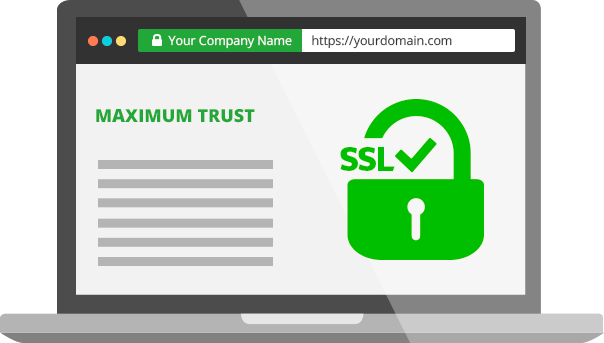
Think of an SSL certificate as a digital padlock for your website. SSL stands for Secure Sockets Layer, and it’s a security technology that creates an encrypted link between your website and your visitors’ browsers. When you see “https://” at the start of a web address—and that reassuring little padlock icon in your browser’s address bar—that’s SSL at work.

Why is SSL essential?

  1. Protects Sensitive Data:
    SSL encrypts information like passwords, credit card numbers, and personal details, making it much harder for hackers to intercept or steal this data as it travels between your site and your users.
  2. Builds Trust with Visitors:
    Most people are wary of submitting information on a site that isn’t secure. Seeing the padlock icon signals that your website is safe, which boosts customer confidence.
  3. Improves Search Rankings:
    Google favors secure websites. Having SSL is a ranking factor, so it can actually help your site show up higher in search results.
  4. Enables Secure Online Payments:
    If you’re running an online store, SSL is non-negotiable. Payment processors require it to process credit card transactions safely.
  5. Helps Prevent “Not Secure” Warnings:
    Modern browsers will flag websites without SSL as “Not Secure,” which can scare away potential customers before they even get to know your business.

In short:
An SSL certificate is a must-have for any website today. It keeps your data safe, builds trust with your audience, and helps your business look professional and credible online. If you haven’t set one up yet, it’s one of the simplest—and most important—steps you can take to protect your site and your customers.

Hot this week

How to Install and Configure Plesk on a Dedicated Server

Installing Plesk on a dedicated server can feel like...

Plesk vs cPanel for Hosting Providers: Which Control Panel Should You Choose?

If you run a hosting business, web agency, reseller...

Best Plesk License for VPS Hosting: Features, Pricing, and Use Cases

If you are running websites on a VPS, choosing...

Common cPanel License Errors and How to Fix Them Quickly

Few things are more frustrating than buying a cPanel...

How to Install cPanel on a VPS: Step-by-Step Setup Guide for Beginners

Installing cPanel on a VPS sounds intimidating the first...

Topics

How to Install and Configure Plesk on a Dedicated Server

Installing Plesk on a dedicated server can feel like...

Plesk vs cPanel for Hosting Providers: Which Control Panel Should You Choose?

If you run a hosting business, web agency, reseller...

Best Plesk License for VPS Hosting: Features, Pricing, and Use Cases

If you are running websites on a VPS, choosing...

Common cPanel License Errors and How to Fix Them Quickly

Few things are more frustrating than buying a cPanel...

How to Install cPanel on a VPS: Step-by-Step Setup Guide for Beginners

Installing cPanel on a VPS sounds intimidating the first...

Best cPanel License Bundles for Web Hosting Businesses

Running a hosting business is not just about getting...

cPanel VPS vs Dedicated License: What’s the Difference and Which Is Better?

Choosing between a cPanel VPS license and a cPanel...
spot_img

Related Articles

Popular Categories

spot_imgspot_img