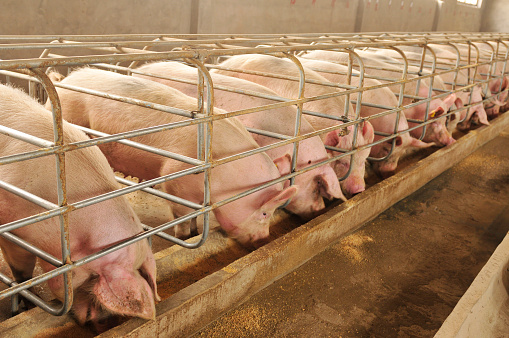

Crossbreeding pigs can present some challenges for pig farmers. Here are some common challenges associated with crossbreeding pigs:
1. Maintaining breed purity: When crossbreeding pigs, it can be difficult to maintain breed purity and avoid accidental inbreeding. This can lead to a loss of hybrid vigor and reduced productivity.
2. Genetic variation: Crossbreeding can lead to genetic variation in the offspring, making it difficult to predict their characteristics and performance. This can make it challenging to develop a consistent and reliable breeding program.
3. Breeding program management: Managing a crossbreeding program requires careful planning, record-keeping, and selection of parent breeds. Farmers need to be able to accurately track the genetic contributions of each parent breed and make informed decisions about which pigs to breed.
4. Cost: Crossbreeding can be more expensive than purebred breeding, as it requires additional resources to manage the breeding program and monitor the genetic contributions of each parent breed.
5. Market acceptance: Some consumers may be hesitant to purchase crossbred pigs or pork products, preferring instead to buy purebred products. Farmers may need to educate consumers about the benefits of crossbreeding and the quality of the meat produced from crossbred pigs.
6. Disease resistance: While crossbreeding can improve disease resistance in some cases, it can also increase the risk of certain diseases if not managed carefully. Farmers need to be aware of any genetic diseases or conditions that may be prevalent in the parent breeds and take steps toprevent their spread.
7. Unpredictable outcomes: Crossbreeding can lead to unpredictable outcomes in terms of pig behavior, temperament, and adaptability to different environments. This can make it difficult to manage the herd effectively and may require additional training and resources to manage.
8. Breeding stock availability: Finding high-quality breeding stock of different breeds can be challenging, especially in areas where certain breeds are less common. Farmers may need to invest in transportation or importation of breeding stock to access the best genetic material.
9. Complexity of breeding programs: Crossbreeding programs can be more complex than purebred breeding programs, requiring additional resources and expertise to manage effectively. Farmers may need to rely on the assistance of professional breeders, veterinarians, or geneticists to ensure optimal outcomes.
10. Inconsistent meat quality: Crossbreeding can lead to inconsistent meat quality in some cases, as the characteristics of the meat may vary depending on the genetic contributions of each parent breed. This can make it challenging to develop a consistent product that meets consumer expectations.
Overall, crossbreeding can present some challenges for pig farmers. However, by carefully managing the breeding program and selecting parent breeds based on their suitability for the production system and market demand, farmers can maximize the benefits of crossbreeding and improve productivity, profitability, and sustainability in pig farming.