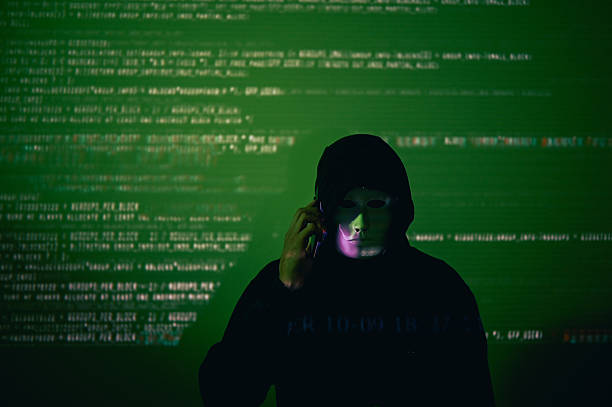

In Nigeria’s fast-moving digital space, influence no longer belongs only to celebrities, politicians, or media houses. Increasingly, it belongs to individuals who command attention through confrontation, exposure, and the promise of “truth.” No figure represents this shift more clearly than VeryDarkMan.
What started as blunt commentary has evolved into a full-blown digital movement. On Nigerian X, VeryDarkMan is not just a person—he is a trigger. His name trends whenever allegations surface, brands are called out, influencers are exposed, or moral debates ignite. Supporters see him as fearless. Critics see him as reckless. Either way, he dominates the conversation.
VeryDarkMan’s rise is tied to a growing distrust of institutions. Many Nigerians feel that justice systems are slow, corrupt, or inaccessible. Social media has filled that gap. When someone feels wronged, the first instinct is no longer to report quietly—it is to go public. VeryDarkMan positions himself as a megaphone for these grievances, promising visibility where silence once existed.
What makes his presence especially powerful is his tone. He does not speak cautiously or diplomatically. He speaks in the language of the street—direct, confrontational, and emotionally charged. That tone resonates with a large audience that is tired of polished statements and carefully worded apologies. To them, VeryDarkMan sounds real.
But authenticity comes with consequences.
Each viral call-out creates a wave of reactions: screenshots, counter-accusations, lawyer statements, and public apologies. Nigerian X thrives on these cycles. Once VeryDarkMan posts, the timeline fractures into camps—those demanding accountability and those warning against mob justice. The argument becomes bigger than the original issue.
This is where the idea of digital vigilantism emerges. VeryDarkMan does not operate within legal frameworks; he operates within attention economies. His power is not the law—it is reach. When he names someone, the public listens. That attention can pressure brands, force responses, and sometimes produce real-world outcomes. But it can also damage reputations before facts are fully established.
The controversy around him reflects a deeper national conversation: who gets to hold power accountable when systems fail? For some Nigerians, VeryDarkMan fills a vacuum. For others, he represents the danger of unchecked influence.
Another reason he trends so frequently is consistency. He does not disappear between controversies. He stays present, responsive, and ready to escalate. In the fast-paced environment of X, visibility is currency, and he spends it strategically. Every response fuels the algorithm, every backlash increases reach.
There is also an entertainment element that cannot be ignored. Nigerian social media culture blends seriousness with spectacle. Call-outs are treated like episodes in an unfolding series. Users follow developments, choose sides, and wait for the next update. VeryDarkMan understands this rhythm and leans into it, consciously or not.
Yet the backlash against him is growing just as fast as his influence. Critics argue that public shaming is not justice, that online trials lack due process, and that emotional outrage often replaces evidence. Some worry about the long-term implications—where anyone can be accused, judged, and condemned within hours.
Still, despite criticism, his relevance persists. That persistence says less about him alone and more about the environment that sustains him. Nigerian X rewards boldness, speed, and controversy. In such a space, moderation struggles to trend.
VeryDarkMan’s story is ultimately about power in the digital age. It shows how influence has shifted from institutions to individuals, from courtrooms to timelines. It raises uncomfortable questions about accountability, ethics, and the cost of visibility.
Whether he is remembered as a necessary disruptor or a dangerous precedent will depend on how Nigeria chooses to balance truth, justice, and attention. For now, one thing is certain: as long as Nigerians continue to seek answers online, figures like VeryDarkMan will remain impossible to ignore.
Related posts:
 Japa or Stay Back? The Debate Tearing Nigerian X Apart
 From Hustle to Global: How Nigerian Businesses Can Go International with Tremhost
 Sporty, Benfica, Mourinho: How European Football Trends Are Blowing Up on Nigerian X
 The Rise of Digital Parenting: How Influencers Are Shaping Modern Family Dynamics