



Ask ten Zimbabweans whether life is getting better or worse, and you’ll likely get ten different answers. Some will say things are improving, slowly but surely. Others will laugh before responding, pointing to rising prices, shrinking incomes, and daily uncertainty. The truth, as always, sits somewhere in between but it is far more complicated than official statements or social media arguments suggest.
For many Zimbabweans, life today feels heavier, not necessarily because everything is worse, but because survival now requires constant calculation. Every decision what to eat, how to commute, where to work, what currency to save in demands thought. Life is no longer lived on autopilot. It is lived deliberately, cautiously, and often anxiously.
Economically, the pressure is impossible to ignore. The cost of basic goods has risen steadily, while incomes have not kept pace. Salaries, especially for those in formal employment, often feel symbolic rather than sufficient. A full month’s pay can disappear within weeks, sometimes days, swallowed by rent, transport, school fees, and food. For many families, budgeting is no longer about saving—it is about stretching.
Currency instability has added another layer of stress. Conversations about money are no longer simple. Zimbabweans constantly switch between currencies, rates, and values, trying to preserve whatever purchasing power they can. Saving feels risky. Planning long-term feels uncertain. Even when people earn money, the question becomes whether it will still hold value tomorrow.
Yet, despite these challenges, it would be dishonest to say nothing has improved.
Access to technology has changed how Zimbabweans work, communicate, and survive. Mobile money, internet access, and smartphones have opened doors that did not exist before. People now sell goods online, offer services remotely, and earn foreign currency without leaving the country. For some, this digital shift has been life-changing. Opportunities that once required migration can now be accessed from home—if one has the skills, data, and consistency.
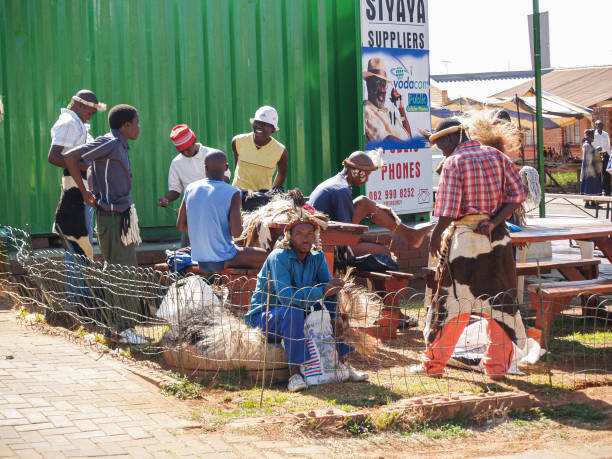
The informal economy, often dismissed, has become the backbone of daily life. Street vendors, small traders, freelancers, transport operators, and cross-border entrepreneurs keep the country moving. These hustles are not signs of failure; they are signs of adaptation. Zimbabweans have learned to build livelihoods in spaces where formal systems fall short.
Infrastructure and services present another mixed picture. In some areas, roads, connectivity, and private services have improved. In others, power cuts, water shortages, and high service costs remain part of daily life. People have adapted by buying solar systems, water tanks, and generators—not because life is easy, but because resilience has become necessary.
Emotionally and psychologically, however, many Zimbabweans are tired.
There is a quiet exhaustion that does not always show on social media. It comes from years of adjusting, restarting, and recalibrating expectations. Young people feel pressure to succeed quickly in an environment that offers few guarantees. Older generations feel the weight of responsibility, trying to support families with limited resources. Hope exists, but it is cautious.
Social media adds to this tension. Online, people are exposed to images of “soft life,” success abroad, and curated comfort. For some, this inspires ambition. For others, it deepens frustration. The contrast between online lifestyles and offline realities can feel cruel, even when people know not everything they see is real.
Still, Zimbabweans continue to laugh, joke, and dream. Humor remains a powerful survival tool. Conversations at kombis, markets, workplaces, and family gatherings are filled with jokes about hardship—not because people don’t feel it, but because laughter makes it bearable. Community remains strong. Families support one another. Neighbors share resources. Faith continues to anchor many people when logic runs out.
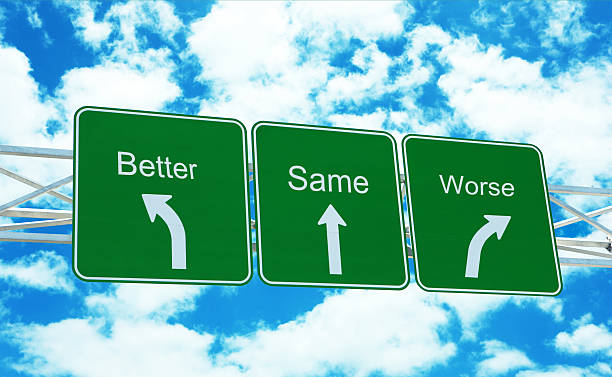
So, is life getting better or worse in Zimbabwe?
The honest answer is that life is becoming more complex. Some things have improved, especially in access to information, technology, and global connection. Other things have become harder, particularly affordability, stability, and peace of mind. Progress and struggle exist side by side.
What stands out most is not decline or improvement, but endurance. Zimbabweans are not waiting passively for change. They are adjusting, innovating, and surviving in ways that outsiders often underestimate. Life may not be easier, but people are stronger, more resourceful, and more aware.
Perhaps the real question is not whether life is getting better or worse, but how long people can keep adapting without meaningful relief. Until that answer changes, Zimbabweans will continue to live between hope and hardship—pushing forward, one careful decision at a time.
And for many, simply waking up, trying again, and refusing to give up is already a quiet form of progress.