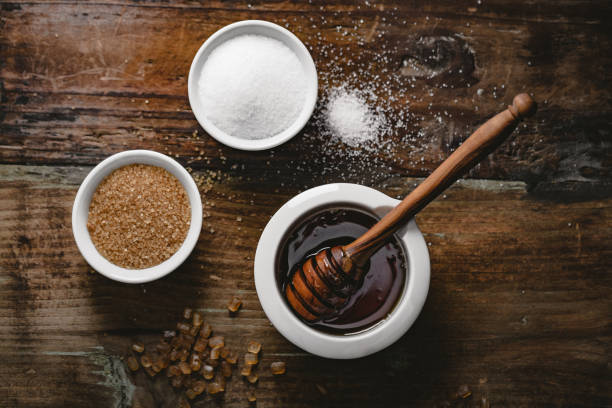

Many people believe that honey is a healthy alternative to sugar. It is natural, unprocessed, and often used in traditional remedies. In Zimbabwean homes, honey is sometimes added to tea or used as a home remedy for coughs and colds.
Because of this, many assume honey is completely safe and much better than sugar. But is that actually true?
What Honey and Sugar Really Are
Both honey and sugar are forms of sweetness that the body breaks down into glucose and fructose. Sugar is refined and processed, while honey comes from bees and contains small amounts of natural compounds.
Honey does contain trace nutrients and antioxidants, but the amounts are very small when used in normal portions.
Sugar, on the other hand, provides energy but no additional nutrients.
How the Body Responds to Both
Even though honey is natural, the body still treats it as sugar. After eating honey or sugar, blood sugar levels rise.
Honey may raise blood sugar slightly more slowly than table sugar, but the difference is not large enough to make it harmless. In both cases, too much can strain the body over time.
This is especially important for people who are trying to manage weight or avoid diabetes.
Weight Gain and Overuse
One of the biggest risks of both honey and sugar is overconsumption. Because honey is often seen as healthy, people may use more of it without thinking.
In reality, both honey and sugar contain calories that can lead to weight gain if consumed in large amounts.
In tea, porridge, or baking, it is easy to add extra sweetness without realizing how much sugar is being consumed daily.
Conclusion: Moderation Is the Real Answer
Honey is not harmful, but it is also not a miracle food. It is still a form of sugar and should be used carefully.
The healthiest approach is not choosing honey over sugar, but reducing overall sugar intake in general.