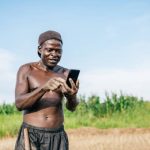





Access to healthcare in rural Africa remains a significant challenge due to various factors, including geographical barriers, limited resources, and inadequate infrastructure. Improving healthcare access is essential for enhancing health outcomes and overall well-being in these communities. Here are strategies to address these challenges effectively.
1. Strengthening Health Infrastructure
Description
- Building and upgrading healthcare facilities is crucial for improving access.
Strategies
- Construct New Clinics: Establish health centers in underserved areas to reduce travel distances.
- Upgrade Existing Facilities: Enhance the capacity and services of current clinics with better equipment and trained staff.
2. Mobile Health Solutions
Description
- Mobile health (mHealth) initiatives leverage technology to reach remote populations.
Strategies
- Mobile Clinics: Utilize vehicles equipped with medical supplies and staff to provide services in remote areas.
- Telemedicine: Implement telehealth services for consultations, allowing patients to receive care without traveling.
3. Community Health Workers (CHWs)
Description
- CHWs play a vital role in bridging gaps in rural healthcare.
Strategies
- Training Programs: Train local community members to provide basic healthcare services and health education.
- Incentives: Offer stipends or benefits to CHWs to encourage their involvement and commitment.
4. Improving Transportation Networks
Description
- Access to healthcare is often hindered by poor transportation infrastructure.
Strategies
- Road Development: Invest in building and maintaining roads to ensure easier access to health facilities.
- Transport Services: Establish community transport services, such as ambulances or ride-sharing for patients needing care.
5. Enhancing Health Education and Awareness
Description
- Increasing awareness of health issues is critical for prevention and early treatment.
Strategies
- Community Workshops: Conduct health education sessions on topics like maternal health, nutrition, and disease prevention.
- Media Campaigns: Use local radio and social media to disseminate health information and promote available services.
6. Partnerships and Collaborations
Description
- Collaborating with various stakeholders can amplify healthcare efforts.
Strategies
- NGO Partnerships: Work with non-governmental organizations to provide resources and expertise.
- Public-Private Partnerships (PPPs): Engage private sector actors to invest in healthcare infrastructure and services.
7. Affordable Health Services
Description
- Financial barriers often prevent access to necessary healthcare.
Strategies
- Subsidized Care: Implement programs that offer affordable or free healthcare services for low-income populations.
- Health Insurance Schemes: Promote community-based health insurance to reduce out-of-pocket expenses for families.
8. Focus on Maternal and Child Health
Description
- Improving maternal and child health is a priority in rural healthcare.
Strategies
- Prenatal and Postnatal Care: Provide regular check-ups and support for pregnant women and new mothers.
- Vaccination Programs: Ensure access to vaccinations for children to prevent common diseases.
9. Utilizing Technology
Description
- Technology can enhance healthcare delivery and data management.
Strategies
- Electronic Health Records (EHRs): Implement EHR systems to streamline patient information and improve care coordination.
- Health Apps: Develop mobile apps that provide health information and appointment scheduling.
10. Monitoring and Evaluation
Description
- Regular assessment of healthcare initiatives is crucial for improvement.
Strategies
- Data Collection: Gather data on health outcomes, access issues, and service utilization to inform policies.
- Feedback Mechanisms: Establish channels for community feedback to continuously improve healthcare services.
Conclusion
Improving healthcare access in rural Africa requires a multifaceted approach that addresses infrastructure, education, and community involvement. By implementing these strategies, stakeholders can enhance health outcomes, empower communities, and create sustainable healthcare systems that benefit all individuals in rural areas.