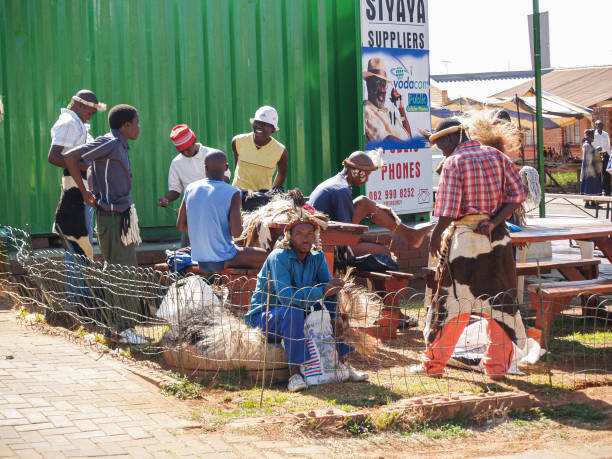

In Zimbabwe today, having a formal job is no longer the norm—it is the exception. For many households, survival no longer depends on a payslip at the end of the month, but on creativity, adaptability, and constant hustle. The idea of waiting for employment has quietly faded, replaced by a culture of making something work, even when systems do not.
For years, formal employment was seen as the ultimate goal: stability, dignity, and predictable income. In 2026, that idea feels distant for many Zimbabweans. Companies hire cautiously, wages lag behind living costs, and job security is fragile. As a result, people have built parallel economies outside traditional employment—and these informal systems now support millions.
The most visible survival strategy is hustling. Zimbabweans have mastered the art of doing many things at once. A person may sell groceries during the day, drive a taxi in the evening, and trade goods on weekends. Income is pieced together from multiple streams, none of which are guaranteed, but together they keep households afloat. This approach requires energy, flexibility, and a willingness to constantly adjust.
Street vending and small-scale trading remain central to daily survival. Markets, sidewalks, and residential areas are filled with people selling food, clothing, airtime, electronics, and household items. These businesses operate on thin margins, but they move quickly. Traders buy in small quantities, sell fast, and reinvest immediately. There is no room for idle capital. Everything circulates.
Cross-border trading continues to play a significant role. Some Zimbabweans travel to neighboring countries to buy goods and resell them locally. Others rely on transporters and middlemen to bring products across borders. This trade supplies clothing, groceries, appliances, and spare parts that are difficult or expensive to source locally. It is risky, exhausting, and often informal, but it works.
Technology has quietly transformed survival. Smartphones and internet access have created new income pathways that did not exist a decade ago. People now sell products through WhatsApp statuses, Facebook groups, and online marketplaces. Services like graphic design, writing, social media management, tutoring, and digital marketing are offered remotely. For those who manage to earn in foreign currency, even modest payments can make a meaningful difference.
Remittances remain a lifeline for many families. Relatives abroad support households back home by sending money for rent, food, school fees, and emergencies. While this support does not eliminate hardship, it often provides stability where local income cannot. Entire family structures have adapted around these inflows, with decisions shaped by when and how money arrives from outside the country.
Another survival tactic is extreme cost control. Zimbabweans have learned to live lean. Expenses are prioritized ruthlessly. Luxuries are postponed or abandoned. Meals are simplified. Transport routes are optimized. People negotiate everything. Nothing is assumed to be fixed. This constant calculation is mentally draining, but it allows families to stretch limited resources further.
Faith and community also play a role. Churches, family networks, and neighborhood groups provide emotional and sometimes material support. People share information about opportunities, pool resources, and help one another during crises. Survival is rarely a solo effort. It is communal.
Young people, in particular, have redefined success. Instead of chasing traditional career paths, many focus on skills that generate immediate income. Learning how to fix phones, style hair, trade online, or create digital content often matters more than formal qualifications. Education still holds value, but it is increasingly measured by usefulness rather than prestige.
Despite all this resilience, survival without formal jobs comes at a cost. There is little security. Illness, theft, or market changes can wipe out income overnight. Retirement planning feels unrealistic. Burnout is common. People are always “on,” always thinking about the next move.
Yet, Zimbabweans continue to push forward. Not because life is easy, but because stopping is not an option. Survival has become an active process, requiring constant reinvention.
In 2026, Zimbabwe’s economy may appear unstable on paper, but on the ground, it is alive with effort. People are building livelihoods in the spaces between systems, creating value where none officially exists. It is not the life many imagined—but it is the life many have learned to navigate with courage, ingenuity, and quiet determination.
And in a country where formal jobs are scarce, survival itself has become a skill.
Related posts:
 Why do many Zimbabweans migrate to other countries for work?
 Is Life Getting Better or Worse in Zimbabwe? What People Are Really Experiencing
 How Zimbabweans Are Making Money: Uncovering Innovative Income Streams
 The Rise of Side Hustles: How Zimbabweans Are Redefining Entrepreneurship in Tough Times