


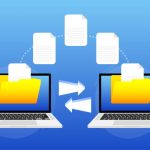


Migrating from shared hosting to a VPS can significantly enhance your website’s performance and reliability. Here’s a step-by-step guide to ensure a smooth transition without downtime.
Step 1: Choose Your VPS Provider
- Select a VPS Hosting Provider: Research and choose a provider that fits your needs (consider performance, support, and pricing).
- Set Up Your VPS: Sign up and provision your new VPS. Choose an OS and basic configurations.
Step 2: Prepare Your VPS
- Access Your VPS: Connect via SSH or a remote desktop client.
- Install Required Software: Set up the same software stack (web server, database, etc.) that you used on your shared hosting. For example:
- Web Server: Apache or Nginx
- Database: MySQL or PostgreSQL
- Programming Language: PHP, Python, etc.
Step 3: Backup Your Current Site
- Full Backup: Create a full backup of your website, including files and databases.
- For WordPress, use plugins like UpdraftPlus or All-in-One WP Migration.
- For other sites, you can use FTP to download files and tools like phpMyAdmin to export databases.
Step 4: Transfer Files to Your VPS
- Upload Files: Use SCP, SFTP, or FTP to transfer your website files to the VPS.bash
scp -r /path/to/your/files username@your_vps_ip:/path/to/destination
Step 5: Import Your Database
- Import Database: Use the command line or phpMyAdmin to import your database into the VPS.bash
mysql -u username -p database_name < /path/to/your/database.sql
Step 6: Update Configuration Files
- Update Config Files: Modify your website’s configuration files to point to the new database and other settings (like paths).
- For WordPress, adjust
wp-config.php. - For other applications, update the respective configuration files.
- For WordPress, adjust
Step 7: Test Your Site on the VPS
- Modify Hosts File: Temporarily point your domain to the new VPS by editing your local
hostsfile.- For Windows:
C:\Windows\System32\drivers\etc\hosts - For macOS/Linux:
/etc/hosts - Add a line with your VPS IP and domain name:
your_vps_ip yourdomain.com
- For Windows:
- Test Functionality: Visit your site via the domain to ensure all functions work correctly.
Step 8: Update DNS Settings
- Change DNS Records: Once you confirm everything works, update your domain’s DNS records to point to your new VPS IP.
- Update A records with your domain registrar.
- Lower TTL: Prior to migration, lower the TTL (Time to Live) settings to minimize downtime during DNS propagation.
Step 9: Monitor the Transition
- Check for Issues: Monitor your website for any issues after switching the DNS.
- Fallback Plan: Keep your old hosting active until you confirm everything is functioning correctly on the VPS.
Step 10: Optimize and Secure Your VPS
- Performance Optimization: Implement caching solutions (e.g., Varnish, Redis) and optimize your server settings.
- Security Measures: Install firewalls, SSL certificates, and perform regular updates.
Conclusion
By following these steps, you can successfully migrate from shared hosting to a VPS without downtime. Proper preparation and testing are key to ensuring a smooth transition, allowing your website to benefit from improved performance and reliability.


