
Breeding layer chickens involves selecting the right breeds, providing proper nutrition and care, and managing the breeding program effectively. Here are the steps to breed layer chickens:
1. Select the right breed: Choose a layer breed that is known for good egg production and hardiness. Some popular layer breeds include Leghorn, Rhode Island Red, and Plymouth Rock.
2. Choose healthy breeding stock: Select healthy, disease-free birds with good egg production and desirable physical traits. Look for birds with good body conformation, strong legs and feet, and healthy feathers.
3. Provide proper nutrition: Feed the breeding stock a diet that is high in protein and calcium to support egg production and healthy chicks. Provide clean, fresh water at all times.
4. Manage the breeding program: Separate the breeding stock into breeding pens or groups to ensure proper mating. Monitor egg production and fertility rates to determine the best breeding pairs.
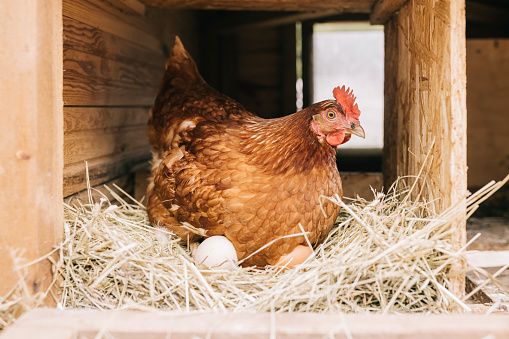
5. Collect and incubate eggs: Collect eggs daily and store them at a temperature of 55 to 60 degrees Fahrenheit with a humidity level of 75% or higher. Incubate the eggs in a commercial incubator or broody hen.
6. Monitor incubation: Monitor the incubation process closely, maintaining the proper temperature and humidity levels. Turn the eggs regularly to ensure even development.
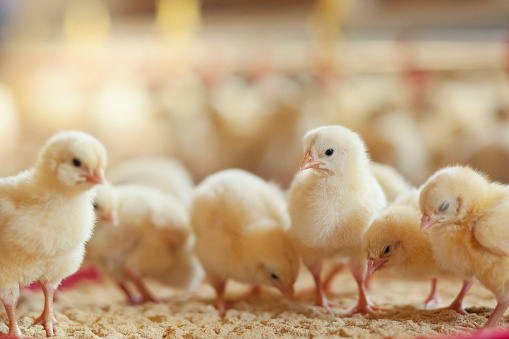
7. Hatch and raise chicks: Once the eggs hatch, move the chicks to a brooder or warm, dry area with access to food and water. Provide heat lamps or brooders to maintainthe proper temperature for the chicks. Monitor the chicks for signs of illness or injury and provide veterinary care as needed.
8. Select and cull: Evaluate the chicks for desirable traits, such as egg production, health, and body conformation. Select the best birds for breeding and cull birds with undesirable traits or health issues.
9. Repeat the process: Continue to breed and select birds for desirable traits to improve the overall quality and productivity of the flock.
Breeding layer chickens requires careful management and attention to detail. By selecting the right breed, providing proper nutrition and care, and managing the breeding program effectively, you can produce healthy, productive birds that lay high-quality eggs.