



If you live in Zimbabwe, one truth has become unavoidable: your home needs its own power plan. Between routine load-shedding, unpredictable outages, and rising electricity costs, more households are turning to solar just to keep their basic appliances running.
But before anyone buys a solar kit or an inverter, the biggest question always comes first:
“How much solar power do I REALLY need to run my fridge, TV, and lights?”
This guide breaks down the answer in a simple, practical, Zimbabwe-friendly way—so that by the end, you’ll know the EXACT solar size, battery size, and inverter capacity required to keep your essential appliances powered throughout 2026 and beyond.
Why This Matters in 2026
Zimbabweans are no longer installing solar for luxury — it has become a necessity. In 2026, solar technology is cheaper, more efficient, and more available than ever before. But so many people still overspend, under-size, or buy equipment that doesn’t suit their home.
Understanding your actual power needs is the first step to building a reliable system that runs your essentials without stress.
Understanding Your Essential Appliances
To size a solar system correctly, you need to know two things about each appliance:
How many watts it uses
How long it runs per day
Let’s take the real Zimbabwean essentials:
Fridge
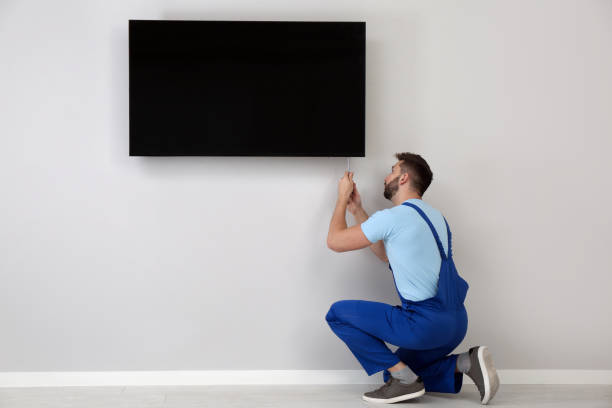
Television
Home lights
Below is how they typically consume power in Zimbabwean households.
1. The Fridge — Your Biggest Essential
Most Zimbabwean homes use either a:
150–250 litre fridge/freezer combo
Energy-efficient Defy, Hisense, Samsung, Capri, or KIC model
These fridges have a running power of 80–150W, but because they cycle ON and OFF, their daily consumption is usually:
On average: 800Wh – 1,200Wh per day (0.8–1.2 kWh)
In hot weather, fridges work harder, so plan for the upper range.
2. The TV
Most Zimbabwean households now use:
32″ LED TV → 40–60W
43″ or 50″ Smart TV → 70–120W
Let’s assume you watch TV for 4 hours/day.
Daily consumption: 200–400Wh
Smart TVs use slightly more power, but the difference is small.
3. Lights
LED bulbs are very efficient—usually 5W–9W each.
Assume:
4 rooms × 8W bulbs
Lights ON for 5 hours/day
Daily consumption: around 160Wh
Lights use very little compared to everything else.
✔ Total Daily Power Consumption
Let’s put everything together:
| Appliance | Daily Use |
|---|---|
| Fridge | 0.8–1.2 kWh |
| TV | 0.2–0.4 kWh |
| Lights | 0.16 kWh |
| TOTAL Needed Per Day | 1.2 – 1.8 kWh |
To be safe, assume you need:
→ 2 kWh per day
That’s the number we’ll design your solar system around.
What Size Solar Panels Do You Need? (2026 Reality)
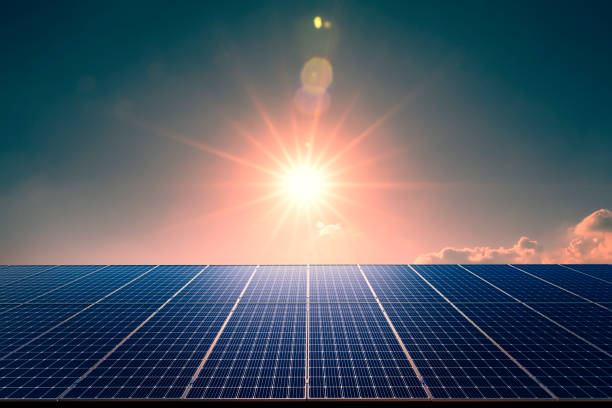
Zimbabwe gets excellent sunlight: 5–6 hours of strong sun per day.
To produce 2 kWh per day, your panel array should be:
400W of panels produces ~2 kWh/day (ideal conditions)
BUT real-world Zimbabwe conditions require: 600–800W of panels
So the recommended size is:
✔ 600W – 800W of Solar Panels
This is usually:
3 × 300W panels, or
2 × 400W panels, or
4 × 200W panels
This ensures you ALWAYS generate enough power—even during cloudy days.
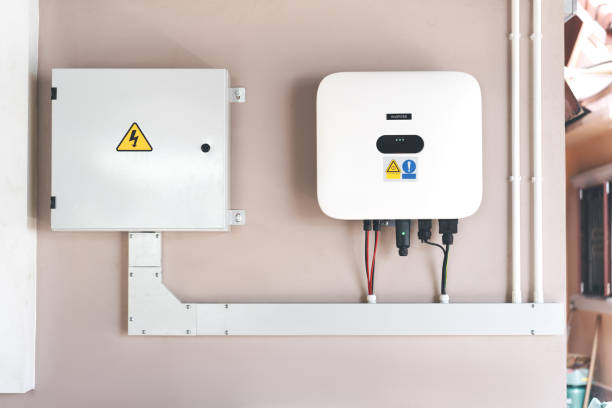
What Inverter Size Do You Need?
Your inverter must handle the “instant load” of all devices running at the same time.
Let’s add them:
Fridge: 150W (but may spike to 600W on startup)
TV: 80W
Lights: 50W
Total running: ~280W
Total surge: up to 800W
To run comfortably, choose:
✔ 1kVA or 1.5kVA Pure Sinewave Inverter
A 1kVA inverter can handle these essentials with room to spare.
What Battery Size Do You Need? (MOST IMPORTANT!)
Your battery decides how long your home stays powered when the sun is down.
Since you need 2 kWh per day, your battery must cover at least that much.
Option 1: Lithium Battery (Best in 2026)
Lithium batteries (LiFePO4) can discharge up to 90%.
To get 2 kWh usable power:
24V 100Ah lithium battery → 2.4 kWh
Usable: 2.1 kWh (perfect)
✔ Best choice: 24V 100Ah Lithium Battery
It runs:
Fridge all night
TV in the evening
Lights easily
Option 2: Gel Battery (Not recommended in 2026, but cheaper)
Gel batteries can only safely discharge 50%.
To get 2 kWh usable, you would need:
2 × 12V 200Ah gel batteries (huge, heavy, and age quickly)
Lithium is way better for 2026.
Recommended Solar System Setup (Perfect for a Zimbabwe Home in 2026)
Here’s the ideal system for running a fridge, TV, and lights consistently:
✔ 800W Solar Panels
✔ 1kVA or 1.5kVA Pure Sinewave Inverter
✔ 24V 100Ah Lithium Battery (2.4 kWh)
✔ Charge Controller (MPPT 40A)
This will give you:
Full-day fridge use
4–6 hours TV time
Lights the whole night
Reliable overnight supply
Fast charging from sunshine
Real-World Example — What You Can Expect
A system like this usually performs as follows:
Your fridge stays cold even during 10-hour load-shedding
You can watch TV in the evening without draining the battery
Your lights stay on all night
By midday tomorrow, your battery will be fully charged again
This makes your home load-shedding-proof for essentials.
What It Costs in 2026 (Zimbabwe Estimate)
Prices vary by brand, but typical 2026 costs look like:
800W panels → USD 250–350
Lithium battery 24V 100Ah → USD 450–600
1kVA inverter → USD 120–200
MPPT controller → USD 80–120
Total Estimated Cost: USD 900 – 1,250
This is FAR cheaper than 5 years ago — one reason Zimbabweans are going solar faster than ever.
Final Thoughts
If your goal is simply to power your fridge, TV, and lights reliably in 2026 without spending a fortune, you don’t need a huge or complicated solar system. You only need a correctly sized one.
The perfect setup is:
800W panels
1kVA–1.5kVA inverter
24V 100Ah lithium battery
This keeps your essentials running day and night, and protects you from the unpredictable load-shedding cycles we all face.