

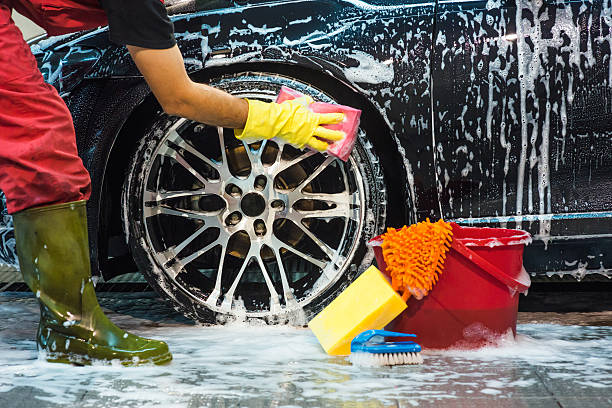

In Kenya today, car ownership continues to rise steadily. From Nairobi to Nakuru, Mombasa to Eldoret, more vehicles are on the road than ever before. With busy work schedules, traffic congestion, and growing middle-class lifestyles, one thing remains constant: cars need regular cleaning.
This is why car wash businesses remain one of the most practical and profitable small ventures in Kenya.
But the real question aspiring entrepreneurs ask is:
How much does it actually cost to open a car wash in Kenya in 2026?
The honest answer depends on your location, scale, and business model. However, this guide breaks down realistic costs and what you should expect before investing your money.
Understanding the Car Wash Market in Kenya
Kenya’s urban population continues to expand. Nairobi alone has millions of vehicles operating daily. Counties such as Kiambu, Machakos, Kajiado, and Mombasa are also experiencing rapid growth.
With dusty roads during dry seasons and muddy conditions during rainy months, vehicle owners require frequent cleaning. Corporate fleets, ride-hailing drivers, matatus, and private car owners all form part of the target market.
The demand is consistent. The difference between a struggling car wash and a profitable one is planning.
Startup Costs: What You Really Need
Opening a car wash in Kenya can cost anywhere between KES 150,000 and KES 800,000, depending on the size and setup.
Let’s break this down properly.
1. Land or Space Rental
If you already own land, your costs reduce significantly. If not, you will need to rent.
In busy urban areas:
Monthly rent may range between KES 20,000 and KES 80,000, depending on location and size.
Location is critical. A roadside plot with visible traffic attracts more customers than a hidden interior location.
You may also need to pay a deposit equivalent to 1–3 months’ rent.
2. Water Supply Setup
Water is the backbone of your business.
Options include:
County water connection
Borehole installation
Water tank storage
Water tank installation (5,000–10,000 litres) may cost KES 30,000 – KES 100,000 depending on size and setup.
If water supply is unreliable in your area, you must budget for backup storage.
3. Equipment Costs
Basic car wash equipment includes:
High-pressure washer (KES 25,000 – KES 60,000)
Vacuum cleaner (KES 15,000 – KES 40,000)
Water pump
Hoses and pipes
Buckets and cleaning materials
Shampoo and detergents
Generator (if electricity is unstable)
Equipment setup can cost between KES 80,000 and KES 250,000, depending on quality.
Buying durable equipment may cost more initially but saves repair expenses long-term.
4. Construction and Setup
You may need:
Cabro or concrete flooring
Drainage system
Shade structures
Small office or cashier booth
Branding and signage
Construction and setup costs can range between KES 100,000 and KES 300,000, depending on scale.
Proper drainage is essential to avoid environmental penalties and water stagnation.
5. Licenses and Permits
To operate legally, you will need:
County business permit
Environmental compliance (where applicable)
Water usage approvals
These costs vary by county but can range between KES 10,000 and KES 50,000 annually.
Operating without proper licensing risks closure or fines.
6. Labor Costs
You will need attendants to wash vehicles.
Most car wash workers in Kenya earn between KES 8,000 and KES 15,000 per month, depending on location and workload.
Starting with 2–4 workers is common for small setups.
Example Budget Breakdown (Mid-Level Setup in Nairobi)
Rent deposit & first month: KES 100,000
Equipment: KES 180,000
Construction & flooring: KES 200,000
Water tanks & plumbing: KES 80,000
Licenses & permits: KES 30,000
Initial supplies & branding: KES 30,000
Estimated Total: Around KES 620,000
This is a moderate setup in an urban environment.
A smaller rural or estate-based car wash can start from KES 150,000 – KES 300,000.
How Much Can a Car Wash Make in Kenya?
Revenue depends on traffic and pricing.
Average wash charges in 2026:
Saloon car: KES 300 – KES 500
SUV: KES 500 – KES 800
Engine cleaning: KES 1,000+
Interior detailing: KES 1,500+
If you wash 20 cars per day at an average of KES 400:
20 × 400 = KES 8,000 daily
KES 8,000 × 26 working days = KES 208,000 monthly revenue
After deducting wages, rent, water, and supplies, profit margins vary but can be significant in high-traffic areas.
Busy urban car washes often scale further by offering:
Car detailing
Polishing
Ceramic coating
Fleet contracts
Factors That Determine Profitability
Opening a car wash is not just about capital. Success depends on:
Location visibility
Reliable water supply
Consistent customer service
Clean working environment
Efficient staff
Marketing (social media, Google Maps listing)
A well-branded, well-located car wash can outperform larger but poorly managed competitors.
Risks to Consider
Before investing, consider:
Water shortages
High rent in urban areas
County compliance inspections
Competition nearby
Seasonal demand fluctuations
Planning ahead reduces risk.
Is a Car Wash Still Worth It in Kenya in 2026?
Yes — if done correctly.
Car wash businesses continue to perform well because vehicles are increasing every year.
However, location and management discipline determine success more than startup capital.
A small, strategic setup can outperform an expensive, poorly planned one.
Final Thoughts
Opening a car wash in Kenya in 2026 requires careful budgeting and realistic expectations.
Startup costs range widely depending on scale, but with strong location choice and consistent service, it can become a reliable source of income.
Entrepreneurship is not about spending the most money.
It is about spending wisely.
If you plan properly, manage costs, and focus on customer satisfaction, a car wash business in Kenya can be both profitable and sustainable.