
For much of the internet’s history, performance was measured in bandwidth and uptime. As long as systems stayed online and could handle traffic, businesses were satisfied. Today, that equation has changed. In a world of real-time payments, live streaming, autonomous systems, and AI-driven applications, latency has become the defining metric of digital experience.
Latency is no longer a technical footnote buried in infrastructure discussions. It is a competitive factor that determines whether users stay, transact, or abandon a platform altogether. This shift is what has propelled edge computing from a niche concept into a central pillar of modern digital infrastructure.
Understanding Edge Computing in Plain Terms
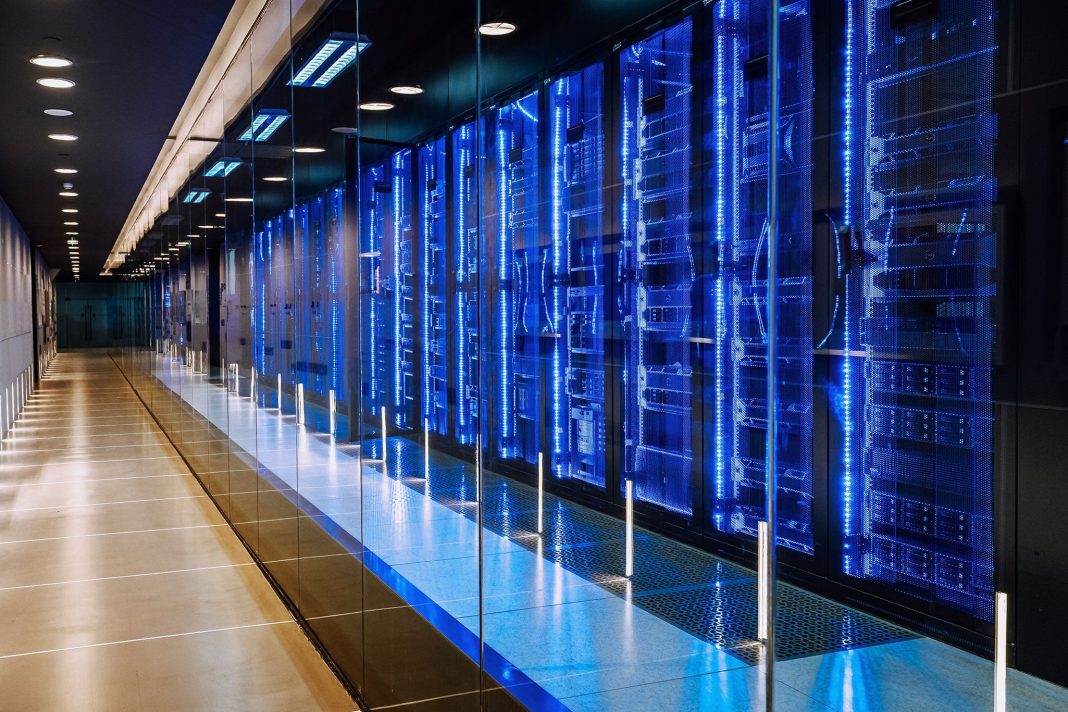
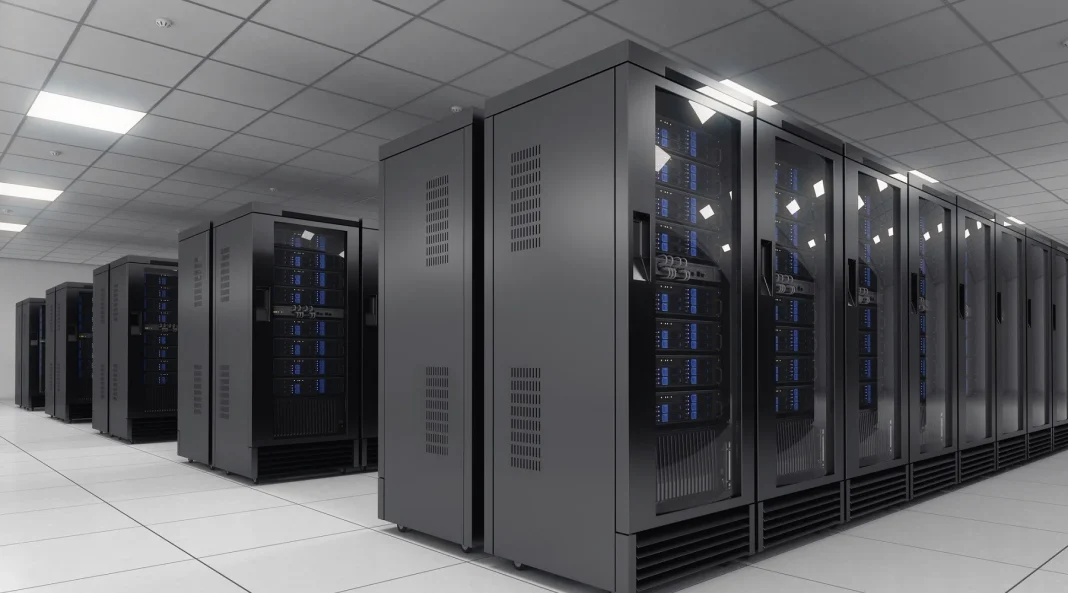
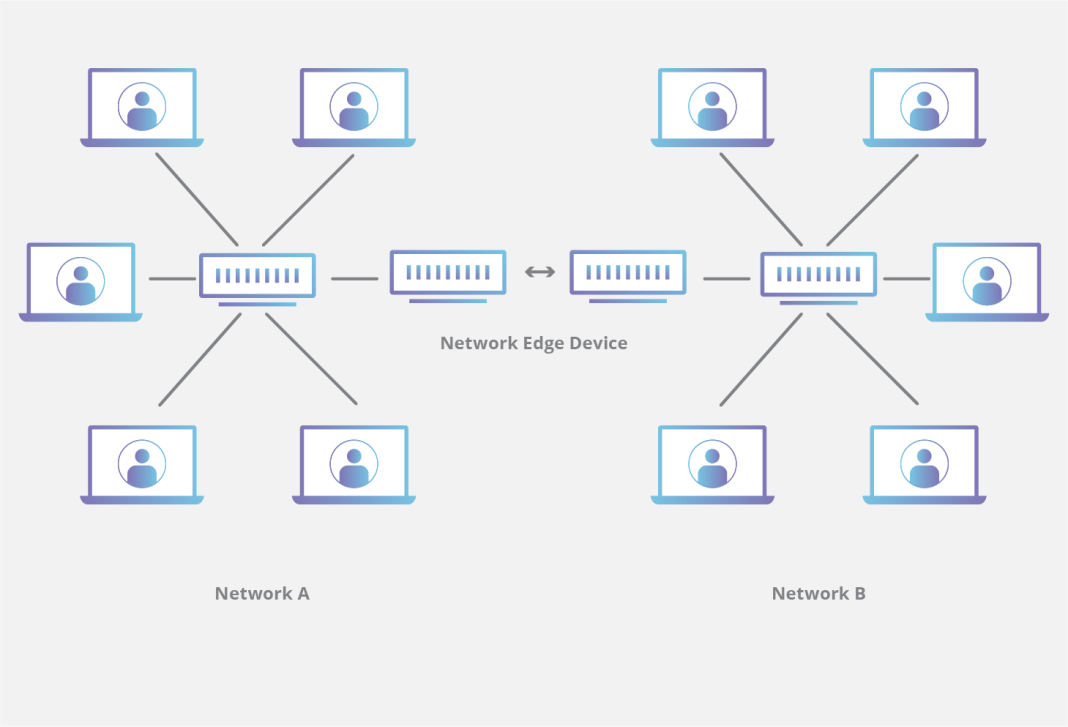
Edge computing refers to processing data closer to where it is generated or consumed, rather than sending everything back to a centralized cloud or core data center. Instead of relying solely on a handful of large facilities located far from users, edge computing distributes compute and storage resources across many geographically dispersed locations.
These locations, often called “edge nodes,” can exist in regional data centers, network exchange points, or even within telecom infrastructure. The goal is simple: reduce the physical and network distance data must travel, thereby reducing latency.
This architectural shift does not replace traditional cloud computing. Rather, it complements it. Core clouds remain essential for centralized processing, analytics, and long-term storage, while the edge handles time-sensitive workloads that demand immediate response.
Why Latency Has Become a Business Metric
Latency is fundamentally about time — the delay between a user action and a system response. While a few hundred milliseconds may seem insignificant, human perception and machine logic are far more sensitive than many businesses realize.
In consumer-facing applications, even minor delays affect behavior. Pages that load slowly see higher bounce rates, video streams buffer, and checkout processes fail. In enterprise and industrial contexts, latency can disrupt workflows, trigger system errors, or cause automated decisions to fail.
As digital services increasingly operate in real time, latency has become directly linked to:
Revenue conversion
Customer satisfaction
System reliability
Competitive differentiation
For executives, this means infrastructure performance is no longer just an IT concern. It is a strategic lever that influences growth and market positioning.
The Role of CDNs in the Edge Ecosystem
Content Delivery Networks were among the earliest and most successful implementations of edge computing principles. By caching content closer to end users, CDNs dramatically reduced load times and alleviated pressure on origin servers.
Modern CDNs have evolved far beyond static content caching. Many now offer compute capabilities at the edge, allowing applications to execute logic, personalize responses, and enforce security policies without routing traffic back to centralized servers. Providers such as Cloudflare exemplify this evolution by integrating security, performance optimization, and edge compute into a unified platform.
For businesses, this convergence means edge computing is no longer a specialized deployment. It is increasingly delivered as a service, embedded into the same platforms that already manage traffic distribution and security.
Edge Computing and Cloud: Not a Competition, but a Continuum
A common misconception is that edge computing competes with cloud computing. In reality, they serve different roles within the same ecosystem. Cloud platforms excel at centralized processing, large-scale analytics, and long-term data storage. Edge computing excels at immediacy, context awareness, and responsiveness.
Modern architectures are therefore hybrid by design. Data may be filtered, enriched, or acted upon at the edge before being transmitted to the cloud for aggregation and deeper analysis. This approach reduces unnecessary data transfer, improves responsiveness, and lowers operational costs.
From a strategic standpoint, this hybrid model allows organizations to align infrastructure with business priorities. Time-sensitive interactions remain local and fast, while less urgent workloads benefit from the scalability of centralized cloud environments.
Use Cases Driving Edge Adoption
The rise of edge computing is not theoretical. It is driven by concrete, rapidly expanding use cases across industries.
In financial services, low-latency processing enables real-time fraud detection and instant payment authorization. In media and entertainment, edge computing supports high-quality streaming and interactive experiences with minimal buffering. In e-commerce, it allows personalized content and pricing decisions to be delivered instantly, even during traffic spikes.
Emerging technologies further amplify this need. Internet of Things deployments generate vast volumes of data that cannot be efficiently sent to centralized clouds in real time. Autonomous systems, smart cities, and industrial automation rely on immediate local decision-making, where delays can compromise safety or functionality.
Across these scenarios, the common thread is clear: latency constraints define architectural choices.
Security and Reliability at the Edge
Distributing infrastructure closer to users introduces new considerations for security and reliability. Edge environments must enforce the same standards of data protection, access control, and monitoring as centralized systems, often across hundreds or thousands of locations.
Leading edge platforms integrate security directly into their architecture, offering capabilities such as distributed denial-of-service mitigation, secure request validation, and encrypted data handling at the network perimeter. This not only improves protection but also reduces the load on central systems by blocking malicious traffic before it travels deeper into the network.
Reliability is equally critical. Edge nodes must operate autonomously, handling failures gracefully and rerouting traffic when issues occur. This level of resilience transforms edge infrastructure into a distributed safety net, enhancing overall system stability rather than complicating it.
Latency as a Competitive Advantage
As digital markets mature, performance differences become harder to replicate than features or pricing. Infrastructure optimized for low latency creates experiences that feel faster, smoother, and more reliable, even when competitors offer similar functionality.
Organizations that invest early in edge strategies gain the ability to:
Deliver consistent performance globally
Scale without degrading user experience
Support real-time, data-intensive applications
Meet rising customer expectations
In this sense, latency becomes a form of currency. It is spent to buy user trust, engagement, and loyalty, and it compounds over time as platforms grow more complex and interconnected.
Looking Ahead: The Future of Edge-Driven Infrastructure
The growth of 5G networks, AI-driven applications, and globally distributed user bases will further accelerate edge adoption. As computation continues to move closer to the point of interaction, the distinction between “network” and “application” will blur, giving rise to infrastructure models that prioritize immediacy by default.
For decision-makers, the implication is clear. Edge computing is not a trend to monitor; it is a shift to incorporate. Organizations that understand and embrace latency as a strategic constraint will be better positioned to compete in a world where digital experiences are judged in milliseconds.
Conclusion
Edge computing represents a fundamental rethinking of how digital systems are designed and delivered. By prioritizing proximity and responsiveness, it addresses the growing demand for real-time interaction across industries. In this new landscape, latency is no longer an abstract technical measure. It is a tangible business asset, one that shapes user experience, operational resilience, and competitive advantage.
As applications continue to move closer to users, those who treat latency as a core design principle rather than an optimization detail will define the next generation of digital infrastructure.
Related posts:
 Understanding the Benefits of Edge Computing in Modern IT Infrastructure
 Edge Computing in Africa: Reducing Latency with Local Data Centers
 The Rise of Edge Computing: Why It’s the Next Frontier and What It Means for Cloud Providers
 The Cloud Takes Center Stage: How Cloud Gaming Reshapes Hosting Infrastructure