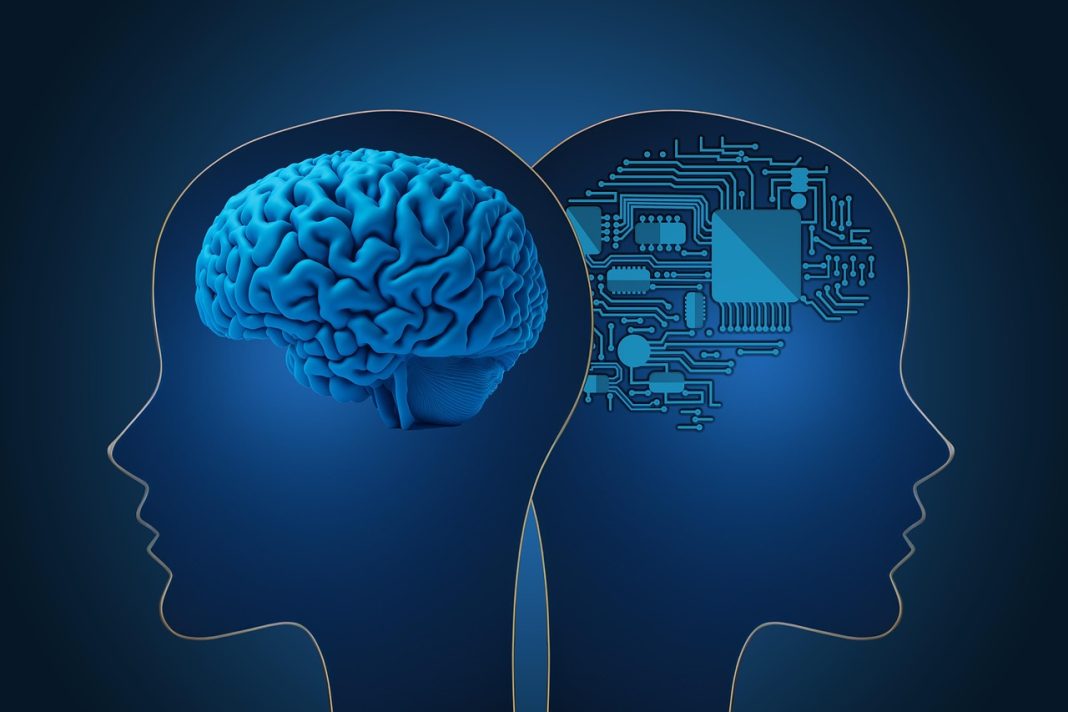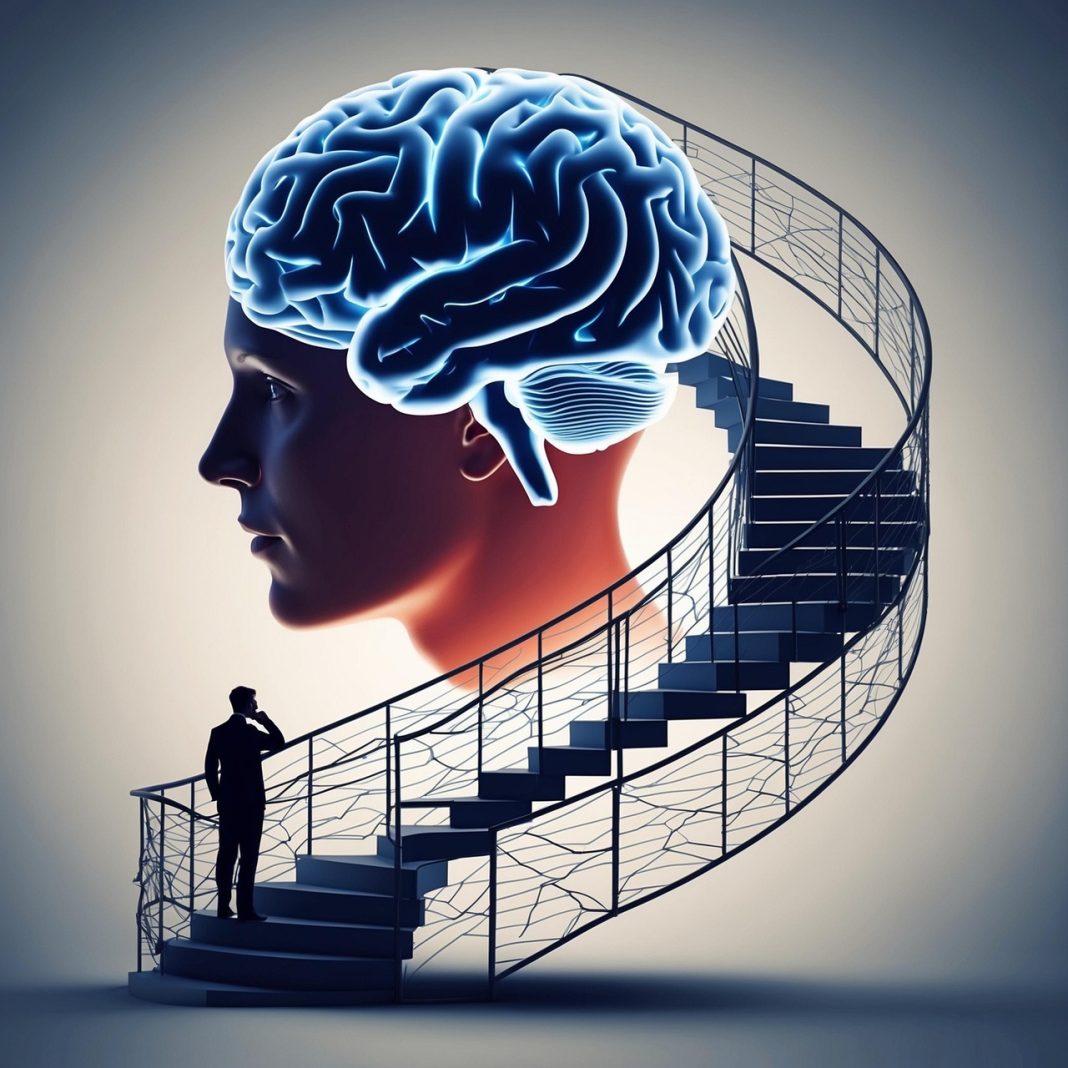

Artificial Intelligence (AI) is no longer a futuristic concept—it’s here, shaping the way we live, work, and communicate. From smart assistants like Siri and Alexa to advanced tools powering businesses, AI seems incredibly smart. But here’s the million-dollar question: can AI really think like humans?
The short answer: not exactly—but it’s more complicated than you might think. Let’s break it down in a way anyone can understand.
What Does “Thinking Like Humans” Even Mean?
When we talk about human thinking, we’re referring to a combination of:
Reasoning and Problem-Solving: Humans can apply logic, intuition, and creativity to novel situations.
Emotions and Empathy: Decisions are often influenced by feelings, social context, and moral judgment.
Learning from Experience: Humans adapt based on mistakes, successes, and complex patterns in life.
Self-Awareness: We know we exist, we reflect on our thoughts, and we consider our own impact.
AI today can mimic some aspects of human thinking—but not all.
How AI “Thinks”
Most AI systems, including popular large language models (like ChatGPT), work through pattern recognition and data processing:
They analyze huge amounts of information.
They identify patterns, correlations, and probabilities.
They generate responses based on the data and instructions they were trained on.
For example, if you ask an AI to write a story, it doesn’t “imagine” like a human. It draws on billions of examples it has learned from and predicts the most likely next word or sentence.
In other words, AI can simulate thinking, but it doesn’t have consciousness or emotions. It’s brilliant at performing tasks, but it doesn’t truly understand them in the way humans do.
The Differences Between Human and AI Thinking
Here’s where the gap becomes clear:
| Aspect | Human Thinking | AI “Thinking” |
|---|---|---|
| Creativity | Original ideas, intuition | Pattern-based generation |
| Emotions | Influences decisions and empathy | None—simulates emotion from data |
| Common Sense | Contextual reasoning | Limited, sometimes fails in novel situations |
| Self-Awareness | Reflective, ethical reasoning | Non-existent |
| Learning | Life-long, flexible | Training-dependent, requires large datasets |
In short, AI can outperform humans in specific tasks (like calculations, data analysis, and chess), but it cannot replicate the full depth of human cognition.
The Hype vs. Reality
Tech headlines often exaggerate AI capabilities. Phrases like “AI can think like a human” or “AI is conscious” are misleading. Most AI breakthroughs are narrow intelligence meaning the AI excels in specific domains but lacks general intelligence across tasks.
For example:
AI can translate languages almost flawlessly, but it won’t understand cultural nuances unless programmed to.
AI can diagnose diseases from medical images, yet it doesn’t grasp the human experience of illness.
AI can generate convincing essays or art, but it doesn’t feel pride, joy, or creativity it’s mimicking patterns it learned.
Where AI Could Surprise Us
Even with its limits, AI is advancing rapidly. Experts predict that future systems may:
Learn across domains: AI may combine knowledge in creative ways humans haven’t imagined.
Assist in decision-making: From medicine to finance, AI could become an essential partner in solving complex problems.
Simulate empathy more convincingly: While not feeling emotions, AI could respond in ways that humans perceive as empathetic.
Still, these systems would simulate human thought, not replicate it. The distinction is subtle but critical.
Why This Matters to Everyone
Understanding AI’s limits and capabilities is not just for tech enthusiasts—it affects:
Businesses: Relying blindly on AI without human oversight can be risky.
Education: Knowing how AI works helps students and professionals use it responsibly.
Everyday Life: From AI chatbots to recommendation algorithms, understanding what AI can and cannot do helps avoid misinformation.
In short, AI is a powerful tool, not a replacement for human thought.
The Bottom Line
Can AI think like humans? Not really but it’s astonishingly good at simulating certain aspects of human intelligence. While AI can solve problems, analyze data, and even create art, it lacks consciousness, emotions, and self-awareness.
Instead of asking whether AI can replace humans, the more important question is: how can we use AI to enhance human thinking, creativity, and productivity?
The truth is, AI is not our competitor—it’s our tool, and those who understand its strengths and limitations will harness its power best.