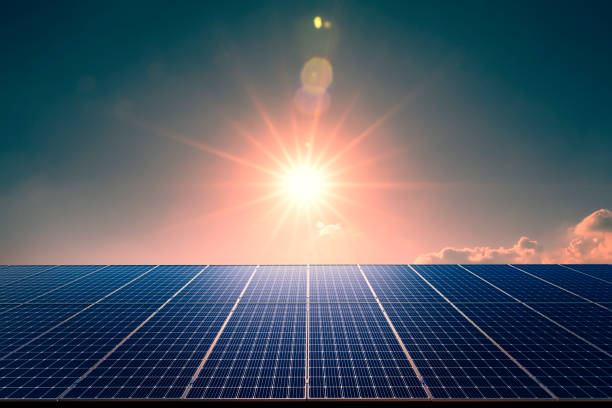



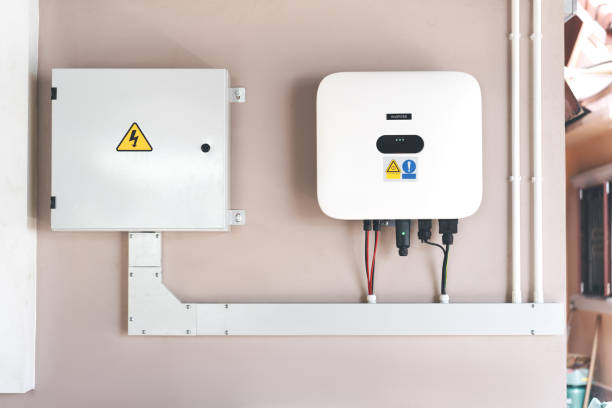

In 2026, more people in Harare and across Zimbabwe are investing in solar power — not as a luxury, but as a necessity. With frequent load-shedding and unreliable grid supply, a well-sized solar + inverter system can make the difference between daily frustration and smooth, dependable electricity for your essentials.
This post dives into what a “budget” solar setup looks like in Harare: how much you can expect to pay, what such a system can realistically power (fridge, lights, TV, small appliances), and how to pick wisely when shopping in 2026. I also cover buying tips to stretch your dollar further.
What “Budget” Means in Harare Today
“Budget” doesn’t mean cheapest-possible junk. Instead, a budget solar system in 2026 Harare means: reasonable upfront cost, reliable components, and enough capacity to cover essential household power needs (fridge, lights, TV, small electronics).
Local suppliers describe a basic 3 kVA (hybrid or off-grid) solar kit — panels, inverter, battery, and installation — as a reasonably priced solution for many homes. Solar Options+2Sona Solar ZW+2
A setup like that offers a good balance between price, reliability, and functionality.
Typical Prices (2025–2026) for Budget Solar Kits & Components
Here’s what your budget solar system (or components) is likely to cost in Harare, based on recent market info for inverters, batteries, and solar panels:
– Inverters
Entry-level / small inverters (1 kVA to ~3 kVA) — often used for basic lighting, TVs, and small loads — go for about US$110 to US$190 depending on brand and capacity. Synergy Solar+2Solar Quotes Zimbabwe+2
Medium inverters (around 3–5 kVA) — more versatile for refrigerators, multiple devices — are in the ballpark of US$300–400 depending on features. Polaris ZW+1
– Solar panels
Panels suitable for small-to-mid-size home systems seem to range widely depending on wattage and quality. In 2025-2026, some reportedly affordable mid-range panels are listed by local suppliers. Sona Solar ZW+2Polaris ZW+2
– Batteries (storage)
Lithium batteries or deep-cycle battery packs that are compatible with small-to-moderate solar setups appear in various capacity and price ranges — though price depends heavily on capacity & brand. Polaris ZW+2Synergy Solar+2
– Complete installed systems
A small — but complete — 3 kVA solar system (panels + inverter + battery + full installation) is often quoted around US$1,500 to US$1,800 depending on brand, quality, and configuration. Solar Options
For slightly bigger use (fridge + lights + TV + small extras), this kind of package tends to give good value without overspending.
What a Budget System Can Actually Power
With a 3 kVA (or thereabouts) budget solar setup, you can reliably run:
Lighting (several LED bulbs, internal or external)
TV / entertainment system (smart TV, set-top box, perhaps a soundbar)
Fridge (small to medium size) — depending on how often the fridge compressor runs, but generally suitable for a modest household fridge.
Small loads / electronics: phone/laptop charging, router (for internet), maybe a fan or small appliances
Many local solar suppliers in Harare market such packages as adequate for “moderate household needs.” Solar Options+2Sona Solar ZW+2
This makes such kits ideal for apartments, small homes, or households that only need basic backup during load-shedding, rather than powering heavy loads like air conditioners or large borehole pumps.
Buying Tips — How to Get the Best Budget System in 2026
If you’re shopping now (or soon) in Harare for a budget solar + inverter system, here’s a checklist of tips to get good value:
Match system size to your actual needs. Don’t overbuy. If you only need fridge + lights + TV, a ~3 kVA system is often enough. Oversizing wastes money and may shorten battery life.
Ask for a full quote including installation. A “system” isn’t just an inverter + panels: you need charge controllers, batteries, mounting, wiring, safety gear, and labour. Sometimes “cheap” quotes exclude important extras and end up costing more later.
Prefer reputable components. Inverter prices vary — but buying from well-known brands reduces risk of failures or compatibility issues. For example, small inverters in the $110–190 range are ideal for basic use. Synergy Solar+2Solar Quotes Zimbabwe+2
Balance panel wattage vs battery capacity. A strong panel array with a weak battery (or vice versa) defeats the purpose. Ensure your battery can store enough energy for nighttime or cloudy periods.
Think long-term: choose quality batteries (if budget allows). Battery is often the component that determines reliability. If possible, invest in a decent battery — it pays off in lifespan and fewer replacements.
Check for after-sales support & warranty. Solar systems are long-term investments. Local availability of parts, maintenance support, and warranty (especially for inverters/batteries) are crucial.
Who Should Get a Budget Solar Setup — and Who Should Look Higher
Budget solar + inverter systems in the 3 kVA range make sense for:
Apartment dwellers or small homes needing basic power for fridge, lights, TV, and small electronics
People wanting a reliable backup for grid outages / load-shedding — not full off-grid living
Renters or homeowners on a budget, but who still want to avoid frequent blackouts
You might want a larger or more advanced system if you plan to run heavy loads such as air conditioners, borehole pumps, large freezers, or multiple heavy appliances — in which case 5 kVA+ systems or larger, more expensive kits become more appropriate.
✅ Final Thoughts — Smart Buying in 2026 Harare
If you approach solar with practical realism and smart shopping, you don’t need to blow your budget to enjoy stable power. A properly sized, budget-conscious solar + inverter system is often enough for everyday essentials — fridge, lights, TV, and basic electronics — and costs far less than many assume.
For many households in Harare in 2026, a 3 kVA kit with good panels, a decent inverter, and a reliable battery gives the sweet spot: affordability, reliability, and peace of mind during load-shedding.
Just remember: buy based on what you need, insist on full component & installation quotes, and prioritize quality and support over rock-bottom price.