Home Blog Page 8

“Why Your New Kitchen Looks Old Too Fast (And It’s Not the Carpenter)”

0

There’s a particular disappointment that comes with a kitchen that ages too quickly. At first, everything feels right. The layout works. The colours pop. The drawers glide. Visitors compliment the space. Then, almost without warning, the shine fades. Doors don’t sit the same way they did. Edges start lifting near the sink. Drawers feel heavier, slower, less cooperative. The kitchen still functions—but it no longer feels new.

When this happens, the instinctive reaction is to blame the carpenter. After all, they’re the visible hand behind the work. But in many Zimbabwean homes, that assumption misses the real story. The truth is uncomfortable but important: most kitchens that “age badly” were set up to do so long before installation day.

Age is not time—it’s stress showing itself

A kitchen doesn’t look old because twelve months passed. It looks old because stress accumulated faster than the materials could handle. Heat, moisture, daily movement, cleaning chemicals, and repeated loading all leave fingerprints. When the underlying materials are not chosen with these stresses in mind, wear accelerates.

In Zimbabwe, kitchens face particularly unforgiving conditions. Temperature swings are common. Moisture management is inconsistent. Families use their kitchens hard. When materials are selected for appearance or price rather than performance—age shows early.

The difference between “looking finished” and “being finished”

On installation day, most kitchens look finished. But many are not finished in the professional sense. True finishing is not just about clean lines and neat handles. It’s about sealed edges, stable cores, precise alignment, and fittings that are matched to weight and frequency of use.

A kitchen can look excellent while quietly carrying weaknesses. Those weaknesses reveal themselves later—when the novelty is gone and the kitchen is asked to perform like a kitchen, not a showroom display.

Boards set the pace for how fast a kitchen ages

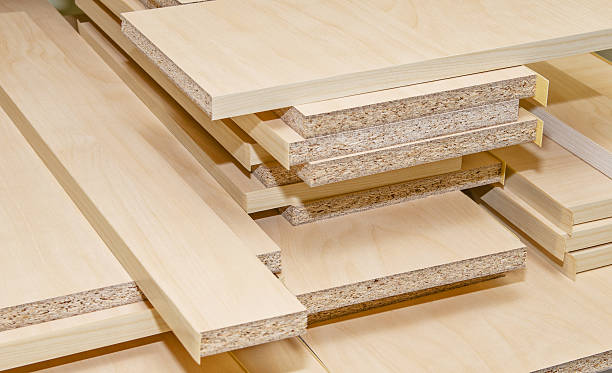
Boards are the skeleton of the kitchen. They determine how well screws hold, how stable panels remain, and how surfaces respond to moisture and heat. When boards are inconsistent or unsuitable, aging speeds up dramatically.

One common mistake is choosing boards based on surface appearance alone. Two boards can look identical on the outside and perform very differently over time. One holds its shape, seals well, and stays solid. The other chips easily, absorbs moisture once edges are compromised, and gradually loses integrity.

When kitchens “age badly,” the board choice is often the quiet culprit.

Edges tell the real story

If you want to know how a kitchen will age, look at its edges. Edges are where life happenswhere water splashes, where hands pull, where impacts land. They are also where poor finishing shows first.

When edging is rushed or treated as decorative rather than protective, moisture finds its way into the board core. Once that happens, swelling and peeling follow. No amount of surface cleaning or adjustment can reverse it.

This is why professional kitchens obsess over edging. Properly sealed edges don’t just look better; they slow aging dramatically.

Precision prevents premature wear

Another reason kitchens start feeling “old” too soon is subtle misalignment. Doors that aren’t perfectly square stress hinges. Drawers that don’t sit true rub against frames. Cabinets that are slightly off-level require constant adjustment.

These issues often trace back to cutting accuracy. Precision cutting reduces friction, distributes load evenly, and allows fittings to work as designed. In contrast, imprecise cutting creates constant micro-stress—tiny forces that add up over months of use.

Professional cut-and-edge services exist for a reason: they reduce these hidden stresses before the kitchen ever reaches site.

Fittings determine how a kitchen feels

A kitchen’s age is often felt before it is seen. Drawers feel heavier. Doors don’t close cleanly. Movement becomes noisy or resistant. These sensations come from fittings.

Hinges and runners are mechanical components, and like all mechanical components, they wear according to how well they’re matched to their task. When fittings are under-rated or cheaply made, they degrade quickly. When they’re chosen properly, they quietly do their job for years.

Clients may not know the brand of a hinge, but they know when a drawer annoys them every day.

Why the carpenter takes the blame

When a kitchen starts looking old, the carpenter becomes the easiest target. Yet in many cases, the carpenter worked with the materials supplied, within the budget approved, under the constraints set by the project. The outcome reflects the weakest decision in the chain—not necessarily the skill of the installer.

Understanding this shifts how kitchens should be planned. Instead of asking only who will build it, successful projects ask what it will be built from, how it will be prepared, and who is supplying those materials.

Supply is where longevity is decided

Kitchens that age well usually have one thing in common: their materials came from suppliers who understand cabinetry as a system. Boards, edging, fittings, and cutting are treated as interdependent not as separate purchases made wherever stock happens to be available.

In markets like Harare, where clients are increasingly quality-conscious, specialist supply makes a measurable difference. Suppliers such as Buildware focus on boards and fittings accessories for cabinet manufacturing and interior fitting, supported by professional cut-and-edge services. This approach reduces the hidden compromises that cause kitchens to age too fast.

Aging is not inevitable—bad decisions are

Kitchens do not have to lose their freshness within a year. When boards are chosen for performance, edges are sealed properly, cutting is precise, and fittings are matched to use, kitchens age slowly and gracefully. They feel solid. They remain aligned. They continue to work quietly in the background of daily life.

If your last kitchen disappointed you, the lesson is not to lose faith in carpenters. It’s to pay closer attention to the decisions made before the first cabinet is built.

Because a kitchen doesn’t look old too fast by accident.
It looks old because someone, somewhere, made a shortcut decision early and the kitchen remembered.

Why Most Kitchens in Zimbabwe Start Failing Within 12 Months

0

In Zimbabwe, a new kitchen is often a moment of pride. It represents progress, investment, and the satisfaction of seeing an idea turn into something tangible. On installation day, everything looks perfect: doors align neatly, drawers slide smoothly, surfaces shine, and the space feels transformed. Friends compliment it. Photos are shared. The project feels complete.

Then, slowly, the problems begin.

A door near the sink starts swelling. An edge begins to peel. A drawer no longer closes the way it used to. Shelves feel weaker. Within a year—sometimes much sooner—the kitchen no longer feels “new.” What makes this frustrating is that most homeowners and even some builders don’t understand why this happens. The assumption is usually simple: the carpenter did a bad job.

In reality, most kitchen failures in Zimbabwe do not start with workmanship. They start much earlier, with decisions that are invisible once the kitchen is installed material choices, finishing quality, and supply standards.

The harsh reality of Zimbabwean kitchen conditions

Kitchens in Zimbabwe operate under demanding conditions that quickly expose weak materials. Heat fluctuates dramatically throughout the year. Moisture is unavoidable around sinks, dishwashing areas, and food preparation zones. Cleaning chemicals are used frequently. In family homes, cabinets are opened and closed dozens of times a day. In some cases, kitchens are expected to perform like commercial spaces while being built with residential-grade materials.

These conditions are not forgiving. A kitchen that is built using boards and fittings not suited for this environment will almost always begin to fail early—no matter how good it looked on day one.

The excitement trap: why problems don’t show immediately

One of the reasons kitchen failures feel “unexpected” is that poor material choices don’t fail instantly. Weak boards don’t collapse overnight. Poor edging doesn’t peel the first week. Cheap fittings don’t break during installation.

Instead, failure is gradual. Moisture slowly penetrates unsealed edges. Heat weakens adhesives over time. Repeated movement wears down low-quality hinges and runners. By the time the problem is visible, the root cause is already embedded deep inside the cabinet structure.

This delayed failure creates confusion and blame. The installer is accused. The designer is questioned. But the real issue lies in what the kitchen was made from—and how it was prepared—long before installation.

Boards: the silent foundation of every kitchen

Boards form the structural backbone of every kitchen cabinet. They carry weight, hold screws, support doors, and protect internal spaces. When boards are inconsistent, low-density, or poorly finished, they become the first point of failure.

In many failing kitchens, the boards used were selected based on price or availability rather than suitability. Some boards chip easily during cutting. Others do not hold screws well. Some absorb moisture aggressively once edges are compromised. These weaknesses don’t show on installation day—but they dominate the kitchen’s lifespan.

This is why professional cabinet makers and interior fitters insist that boards are not just boards. They are performance materials, and the kitchen will only perform as well as they allow.

Why edging matters more than most people realise

If kitchens had a “weak spot,” it would be the edges.

Edges are where moisture enters first. They are where cleaning water pools. They are where impacts occur during daily use. When edging is rushed, uneven, or poorly sealed, the board core becomes exposed. Once that happens, swelling and peeling are inevitable.

Many kitchens in Zimbabwe fail not because the board itself was terrible, but because the edging was treated as a cosmetic step instead of a protective one. Proper edging seals the board, preserves its structure, and significantly extends the life of the cabinet. Poor edging shortens it dramatically.

Precision cutting: the difference between neat and professional

Another overlooked cause of early kitchen failure is inaccurate cutting. Small measurement errors create larger structural problems later. Doors become misaligned. Drawers rub against frames. Cabinets require constant adjustment to “look right.”

Professional kitchens rely on precision—not improvisation. Accurate cutting ensures that panels fit perfectly, stress is evenly distributed, and components do not fight against each other during use. This is where professional cut-and-edge services make a measurable difference. They reduce waste, speed up installation, and improve long-term performance.

Fittings: where kitchens feel cheap or solid

Even when boards and edging are done well, kitchens can still fail through poor fittings. Hinges, drawer runners, and internal accessories are the parts users interact with every day. When they are under-rated or low quality, they degrade quickly.

Doors begin to sag. Drawers stick or collapse. Cupboards feel loose. The kitchen starts to feel “cheap,” even if the materials look good on the surface. This is why professional kitchens use fittings matched to cabinet size, weight, and usage—not whatever is cheapest at the time of purchase.

The role of suppliers in kitchen success

By now, a pattern should be clear: many kitchen failures are not installation failures, but supply failures. The wrong boards, rushed finishing, inconsistent cutting, and weak fittings create problems that no amount of skill can permanently fix.

This is why serious cabinet makers, designers, and contractors choose specialist suppliers—partners who understand cabinetry as a system, not just a sale.

In Zimbabwe, particularly in cities like Harare, this approach is becoming more important as clients demand better finishes and longer-lasting results. Suppliers like Buildware (registered as Ramaboards Pvt Ltd) focus specifically on boards and fittings accessories for cabinet manufacturing and interior fitting, supported by professional cut-and-edge services. This kind of specialist support removes many of the hidden risks that cause kitchens to fail quietly over time.

Why blaming carpenters misses the real issue

When a kitchen starts failing, blaming the carpenter is easy. It feels logical. But in many cases, the carpenter worked with what was supplied. They cut what was bought. They installed what was available. The outcome reflects the weakest link in the chain.

Understanding this changes how kitchens should be planned. Instead of starting with colours and handles, successful projects start with materials, finishing standards, and suppliers who can support quality from the beginning.

The real lesson: kitchens don’t fail suddenly—they are built to fail

Most kitchens in Zimbabwe that fail within 12 months were never built to last. Not intentionally, but by default. By choosing materials based on price instead of performance. By treating edging as decoration instead of protection. By ignoring precision. By underestimating the importance of fittings.

The good news is that this is avoidable.

Kitchens that last are not accidents. They are the result of informed choices, professional preparation, and reliable supply.

If you want your next kitchen project to still feel solid years later, don’t ask only who will install it. Ask what it will be made of and who is supplying it.

Why Most Cabinet Projects Fail Before Installation And how the right supplier quietly determines success or disaster

0

By the time a cabinet is installed, most of the important decisions have already been made. The measurements are set, the boards are cut, the edges are sealed, and the fittings are locked in. What the client sees at handover is only the final chapter of a much longer storyone that began at the point of supply.

This is why so many cabinet projects fail in ways that feel confusing or unfair. The design was approved. The workmanship looked solid. The installation was neat. Yet months later, problems appear: doors drop out of alignment, shelves sag, edges peel, drawers resist movement, and surfaces begin to lose their finish. When this happens, blame usually falls on the builder or cabinet maker. But in reality, the project was compromised much earlier—when materials were chosen without enough attention to quality, compatibility, and finishing support.

In Zimbabwe’s interior fitting and cabinet manufacturing space, the difference between projects that last and projects that disappoint is rarely effort. It is supply.

The invisible stage where quality is decided

Clients tend to focus on visible elements: colour, layout, handles, lighting. Professionals know that the invisible elements matter just as much. Board density, surface consistency, edging quality, and fitting strength are not exciting conversation topics—but they determine whether a cabinet quietly performs or constantly demands attention.

When boards are inconsistent, cutting becomes unpredictable. When edging is rushed or improvised, moisture finds a way in. When fittings are chosen for price instead of load tolerance, movement degrades quickly. These issues don’t always show immediately, which makes them dangerous. They surface later, when the job is “done” and responsibility becomes blurred.

This is why experienced cabinet makers and designers don’t start with design boards or mood boards. They start by asking one question: Who is supplying the materials, and can they support the finish we are promising?

Why general suppliers struggle with specialist work

Cabinet manufacturing and interior fitting are specialist crafts. They demand materials that behave predictably under cutting, edging, and installation. Yet many projects are supplied through general outlets that prioritise availability over suitability. The result is compromiseboards that chip easily, finishes that don’t edge cleanly, and accessories that aren’t designed for long-term use.

This doesn’t mean these materials are “bad” in isolation. It means they are often wrong for the job. Kitchens, BICs, shopfronts, and office furniture operate under constant stress: weight, movement, heat, moisture, and repeated use. Materials that are not designed with these conditions in mind will always struggle, no matter how skilled the installer is.

Specialist work requires specialist supply.

The role of boards in long-term performance

Boards are not just structural panels; they are performance systems. They determine how well screws hold, how edges seal, how surfaces resist wear, and how the cabinet ages. In kitchens especially, boards are tested daily—by steam, spills, cleaning chemicals, and heavy loading.

This is why professional projects rely on proven decorative boards that balance durability with finish quality. Materials like MelaWood and SupaGloss are not chosen because they are trendy, but because they offer consistent behaviour during manufacturing and predictable results after installation. When boards cut cleanly and edge properly, everything downstream becomes easier: assembly, alignment, installation, and long-term use.

Precision is not optional: why cut-and-edge defines the finish

One of the biggest differences between average cabinetry and professional cabinetry is precision. Inaccurate cuts create small errors that multiply—misaligned doors, uneven gaps, drawers that don’t sit square, and on-site “adjustments” that compromise the final look.

Professional cut-and-edge services remove this uncertainty. They allow cabinet makers and designers to work with confidence, knowing that panels will arrive accurately sized and properly sealed. This reduces waste, speeds up installation, and produces a cleaner finish that reflects well on everyone involved.

In a competitive market like Harare, where timelines are tight and referrals matter, this level of precision is not a luxury. It is a competitive advantage.

Fittings: where clients feel quality immediately

If boards determine structure, fittings determine experience. Hinges, runners, and accessories are the parts clients interact with every single day. They feel quality—or the lack of it—immediately. A drawer that glides smoothly communicates professionalism. One that sticks or collapses communicates shortcuts.

This is why fittings should never be treated as secondary purchases. Cabinet manufacturing fittings and BIC accessories must be matched to the weight, size, and usage of the cabinet. When they are not, the cabinet begins to fail from the inside out. And when clients complain, they don’t complain about fittings—they complain about the cabinet maker.

Kitchens, worktops, and the point of highest stress

Kitchens expose weaknesses faster than any other interior space. The worktop, in particular, absorbs more punishment than any other surface in the home. Heat, water, impact, and daily use make material choice critical.

Postform and Formica worktops offer practical, versatile solutions when quality is prioritised and installation is done correctly. Quartz, on the other hand, delivers premium durability and visual impact for clients willing to invest. The key is not which option is chosen, but whether the choice matches how the kitchen will actually be used.

Good suppliers guide these decisions. Poor suppliers simply sell what is on the shelf.

Why serious professionals choose specialist partners

As projects scale in size and expectation, professionals begin to value reliability over convenience. They look for suppliers who understand cabinet manufacturing, not just retail sales. They want consistent stock, technical understanding, and services that support clean execution.

This is where Buildware plays a critical role. Buildware (registered as Ramaboards Pvt Ltd) focuses specifically on boards and fittings accessories for cabinet manufacturing and interior fitting. With solutions for kitchens, built-in cupboards, shopfronts, and office furniture—supported by professional cut-and-edge services Buildware removes many of the variables that cause projects to fail quietly over time.

For overseas designers and contractors, particularly those connected to the United Kingdom, this kind of local specialist supply makes it possible to execute Zimbabwe-based projects without compromising standards.

The difference between finishing a job and building a reputation

In interior work, the real test of quality happens after the invoice is paid. Cabinets that remain solid, aligned, and clean months and years later become silent advertisements. Those that fail become warnings.

The difference is rarely effort. It is preparation. It is choosing boards that perform, edging that protects, fittings that last, and suppliers who understand the work.

If you want your next project to be remembered for the right reasons, start where quality is decided at the point of supply.

For professional boards, fittings accessories, and precision cut-and-edge services for kitchens, BICs, shopfronts, and office furniture, Buildware is built for work that must last.

Building Cabinets That Last in Zimbabwe. Why the right boards, edging, and fittings matter more than the nicest design

0

In Zimbabwe, cabinetry is one of those things you only notice when it fails. When it’s done properly, it fades into the background of everyday life—doors open smoothly, shelves carry weight without sagging, finishes stay clean, edges don’t lift, and the kitchen still looks “new” long after the excitement of installation is gone. But when the wrong materials are used, the cabinet announces itself daily: the drawer that jams, the door that drops, the shelf that bows, the swelling around the sink, the peeling corners that start small but spread like a crack in a windscreen.

What makes this frustrating is that most failures don’t start with the carpenter. They start long before the first screw is driven at the point where the board is chosen, the edge finishing is decided, and the fittings are treated like an afterthought. In a market where cost pressure is real and deadlines are tight, it’s easy to be pulled toward whatever is cheapest or fastest. Yet the real cost of “cheap” cabinetry is paid later in repairs rework, reputation damage, and that quiet regret clients feel when the space they invested in starts degrading too soon.

If you’re building a kitchen, installing built-in cupboards (BICs), fitting out an office, or doing shopfront work—especially in Harare—this is the core truth: your final product will never outperform your materials. The smartest cabinet makers, interior designers, and contractors understand that the foundation of quality is not style; it’s supply.

The Zimbabwe reality: heat, moisture, and daily pressure

Cabinetry in Zimbabwe operates under conditions that expose weak materials quickly. Heat and temperature fluctuations stress adhesives and finishes. Moisture around sinks and wet areas tests the integrity of edges. Dust, daily use, heavy loading, and the simple reality of busy households and commercial traffic puts pressure on hinges, runners, and shelves. Add transport and handling often overlooked and you have a perfect environment for premature failure if materials are below standard.

This is why two kitchens can look identical during installation but age very differently. One remains solid and clean years later. The other starts showing wear in months. The difference is rarely “luck.” It’s almost always the quality and suitability of boards, the precision of cutting, the discipline of edging, and the strength of fittings.

Boards are not just boards: they are performance decisions

To many buyers, boards are simply surfaces something you wrap into a cabinet shape. But to professionals, boards are performance decisions. A board determines how well screws hold, how cleanly panels cut, how reliably edges can be sealed, and how stable the structure remains over time. It determines whether the final cabinet feels solid or flimsy, premium or temporary.

This is why specialist suppliers matter. When boards are inconsistent, the whole workflow suffers. You waste material from chipping and incorrect cutting. You fight with finishing. You lose time during installation. And you absorb the blame when the project fails—even if the failure came from materials that never should have been used for that environment in the first place.

Why MelaWood remains a professional favourite

MelaWood has become a trusted choice in modern cabinetry for a reason: it balances reliability, appearance, and practicality. In kitchens and BICs, a material needs to be stable enough for daily use while still offering an attractive finish that suits different interior styles. MelaWood supports that balance well, especially when paired with proper edging and quality fittings.

In essay terms, MelaWood is the “workhorse” material—the board that does the job without drama. It behaves predictably under cutting, it finishes cleanly when handled correctly, and it gives cabinet makers the consistency they need to produce repeatable, professional results. For homeowners and designers, it offers a wide design range that helps bring concepts to life without sacrificing durability.

SupaGloss and the psychology of “premium”

SupaGloss plays a different role. While MelaWood is the dependable standard, SupaGloss is often chosen for its ability to create a premium, modern impression quickly. Gloss finishes are powerful because they change how a space feels cleaner, brighter, more contemporary. In a kitchen especially, the finish becomes part of the identity of the home.

But premium finishes demand premium discipline. Gloss surfaces amplify imperfections: poor alignment, inconsistent edging, careless handling. That’s why the decision to use SupaGloss isn’t just a design decision it’s a workflow decision. When executed with precision, it becomes a standout feature. When executed casually, it becomes the first thing people criticise.

The silent killer of cabinetry: poor edging

If there is one place where cabinets quietly start dying, it is at the edges. Edges are where moisture enters. Edges are where impacts happen. Edges are where cheap finishing gives up first. When edging is poor, the board core is exposed to conditions it was never meant to handle, and deterioration accelerates.

What makes edging so important is that it is not merely cosmetic. It is protective. It seals the board, preserves the finish, and keeps the cabinet stable under real-life use. A cabinet with excellent boards but rushed edging is like a strong house with a leaking roof—failure is only a matter of time.

This is why professional cutting and edging is not a luxury add-on. It is quality assurance.

Cut-and-edge services: how professionals buy back time and consistency

Every cabinet maker knows the pain of inaccurate cuts. One wrong measurement becomes a chain reaction: wasted boards, delays, awkward adjustments on-site, misaligned doors, poor reveals, and an end product that “almost fits” but never feels perfect. It also turns installation into a negotiation between what the design promised and what the cut boards allow.

Professional cut-and-edge services solve this problem at the root. They reduce waste. They improve alignment. They speed up installation. And they produce results that are consistent project after project so that quality stops depending on mood, fatigue, or improvised cutting conditions. For designers and contractors working with deadlines, this consistency isn’t just helpful; it’s essential.

Fittings and accessories: what clients judge every day

Boards create structure, but fittings create experience. The cabinet is judged every time someone opens a door, slides a drawer, or loads a shelf. This is why fittings and accessories are not secondary items—they are what clients interact with daily, and they form the “feel” of quality.

When hinges weaken, doors sag. When runners fail, drawers stick or collapse. When accessories are poor, storage becomes frustrating. Most people won’t know what board was used, but they will remember that their drawers became a problem. For cabinet makers and designers, this matters because the complaint doesn’t go to the supplier—it comes back to you.

Choosing strong cabinet manufacturing fittings and proper BIC closet accessories is one of the simplest ways to protect your workmanship and your reputation.

Worktops are where kitchens either win or disappoint

In kitchens, the worktop carries the most punishment. Water, heat, sharp objects, cleaning chemicals, heavy appliances everything happens there. So choosing between postform/Formica worktops and quartz is not just about looks. It’s about matching the surface to the client’s lifestyle and expectations.

Postform and Formica options can be practical and cost-effective, especially when quality is prioritised and installation is done properly. Quartz, on the other hand, often represents a longer-term premium investment durable, striking, and built for heavy use. The best choice depends on budget and usage, but the principle remains the same: the worktop must be chosen with real-world pressure in mind, not just Pinterest inspiration.

Why specialist supply is the difference between a “job” and a reputation

In Harare and across Zimbabwe, many businesses don’t win because they shout the loudest. They win because they deliver consistently. And consistent delivery almost always begins with supply: the quality of boards, the reliability of stock, and access to services that reduce rework.

That’s where Buildware stands out. Buildware (registered as Ramaboards Pvt Ltd) focuses on supplying boards and fittings accessories for cabinet manufacturing and interior fitting, offering solutions for kitchens, BICs, shopfronts, and office furniture—supported by professional cut-and-edge services. For anyone serious about producing clean finishes and durable results, this specialist approach removes uncertainty from the process.

And for overseas partners—especially designers and contractors linked to the United Kingdom reliable local supply is often the missing piece. When materials and services can be trusted on the ground, projects can be executed to standard without costly compromises.

The bottom line: start where quality actually begins

Cabinetry is not only a design exercise. It is a material decision, a finishing discipline, and a supply relationship. In Zimbabwe, where conditions expose weakness quickly, the projects that last are the ones that begin with the right boards, the right edging, and the right fittings supported by precision services that keep production clean and consistent.

If you want cabinets that still look good after the excitement fades, don’t start with handles and colours. Start with what the cabinet will be made of and who you trust to supply it.

For boards, fittings accessories, and professional cut-and-edge services for kitchens, BICs, shopfronts, and office furniture, Buildware is built for the work that must last.

Why Surviving in Zimbabwe Makes You Financially Smarter

0

Surviving in Zimbabwe forces you to learn lessons about money that no classroom teaches. Financial intelligence here is not theoretical—it is lived, tested, and refined through experience. Over time, Zimbabweans develop a level of financial awareness that comes from navigating instability, not abundance.

One of the first lessons is understanding the value of money beyond numbers. In Zimbabwe, money is not just something you earn; it is something you protect. People become sensitive to timing, form, and usage. When to spend, when to save, and in what currency are decisions that require constant evaluation. This sharpens financial judgment.

Zimbabweans also learn early that income alone does not equal security. A salary can disappear quickly if not managed carefully. As a result, people prioritize multiple income streams. Side hustles are not luxuries; they are safeguards. This mindset encourages diversification long before it becomes popular financial advice.

Budgeting becomes instinctive. Spending is rarely impulsive. People track costs mentally, comparing prices across markets and vendors. Negotiation is normal. Financial decisions are weighed against future needs, not just present desires.

Another key lesson is risk awareness. Zimbabweans understand that systems can change suddenly. Policies shift. Prices rise. Value fluctuates. This creates a cautious approach to financial commitments. Long-term decisions are made carefully, with contingencies in mind.

Saving in Zimbabwe requires creativity. Traditional savings methods are often unreliable, so people explore alternatives. They spread resources, convert value into tangible assets, and rely on trusted networks. This adaptive saving culture reflects deep financial literacy.

Surviving in Zimbabwe also teaches restraint. People learn to distinguish between wants and needs clearly. Luxury is delayed. Stability is prioritized. This discipline, though born from necessity, builds strong financial habits.

Community plays a role in financial intelligence. Shared experiences create collective knowledge. People exchange tips, warnings, and opportunities. Financial wisdom spreads through conversation and observation, not textbooks.

Finally, surviving in Zimbabwe teaches long-term thinking. People plan with uncertainty in mind. They learn to stay flexible, adjust goals, and remain patient. Financial success is measured not by accumulation, but by sustainability.

This kind of financial intelligence is not flashy. It does not always lead to visible wealth. But it creates resilience, awareness, and control—qualities that matter anywhere in the world.

In this way, surviving in Zimbabwe does not just make you tougher. It makes you smarter with money.

What Zimbabweans Abroad Miss Most About Home

0

For many Zimbabweans living abroad, leaving home was not a casual decision. It was often driven by necessity, opportunity, or responsibility. And while life outside Zimbabwe may offer stability, structure, and predictability, there are parts of home that remain impossible to replace. These are not always the things people expect. They are small, familiar, and deeply emotional.

One of the first things Zimbabweans miss is the sense of belonging. At home, identity is effortless. Language, humor, and social cues are instinctive. You do not need to explain yourself. Abroad, even in welcoming environments, there is often a feeling of being slightly out of place—noticed for an accent, a name, or a difference in expression. Home, for all its challenges, feels like a space where you are understood without effort.

Food is another powerful reminder of home. Meals in Zimbabwe are not just about eating; they are about togetherness. The taste of familiar dishes carries memory and comfort. Abroad, ingredients can be expensive or hard to find, and even when they are available, the experience feels different. Food becomes nostalgia on a plate.

Zimbabweans also miss the rhythm of social life. Conversations at home are unstructured and warm. People drop by unannounced. Laughter flows easily. Time feels less rigid. Abroad, life often moves by schedule. Visits are planned. Social interactions are polite but contained. The spontaneity of home becomes something deeply missed.

Family presence is perhaps the heaviest absence. Being physically close to parents, siblings, and extended family provides emotional grounding. Even when relationships are complex, proximity matters. Abroad, milestones are often experienced through video calls. Joy and grief happen at a distance, creating a quiet ache that does not disappear with time.

Zimbabweans abroad also miss the resilience of home. There is a shared understanding of struggle that creates connection. People at home understand each other’s challenges instinctively. Abroad, explaining where you come from often requires context. The emotional shorthand of home is gone.

There is also a sense of humor that cannot be exported. Zimbabwean humor is layered, ironic, and deeply cultural. It thrives on shared experience. While laughter exists everywhere, the jokes that land effortlessly at home may need explanation elsewhere—or never land at all.

Many Zimbabweans miss the slower pace of certain moments. Despite economic pressure, there is room at home for conversation, reflection, and communal time. Abroad, efficiency dominates. Life works—but it moves fast. The space to pause feels limited.

At the same time, missing home does not mean regretting leaving. Most Zimbabweans abroad recognize the benefits of their new environments. Stability, safety, and opportunity matter deeply. But missing home exists alongside gratitude. The two are not opposites.

What Zimbabweans abroad miss most is not perfection. It is familiarity. It is the feeling of being woven into a place where your history lives in the streets, the language, and the people around you.

Home remains present in memories, habits, and longing. And no matter how far one goes, Zimbabwe has a way of staying close—quietly shaping who you are, wherever you are.

How Zimbabweans Use WhatsApp to Run Businesses

0

In Zimbabwe, WhatsApp is not just a messaging app. It is a marketplace, a customer service desk, a marketing platform, and in many cases, the backbone of small business operations. While businesses elsewhere may rely on websites, apps, or formal e-commerce systems, Zimbabweans have turned WhatsApp into a powerful business tool out of necessity and creativity.

The reason is simple: WhatsApp is accessible. Almost everyone has it. It uses relatively little data, works on basic smartphones, and functions even when internet connections are unstable. In a country where data costs, power cuts, and infrastructure challenges are part of daily life, WhatsApp offers reliability that more complex platforms cannot.

Most Zimbabwean businesses begin on WhatsApp informally. A person starts by posting products or services on their status—clothes for sale, groceries, catering services, hair appointments, transport offers. These statuses act like digital shop windows. Customers reply directly, ask questions, negotiate prices, and place orders in private chats. There is no checkout page, no automation—just conversation.

Trust plays a central role in this system. Because transactions are personal, reputation matters. A business that responds promptly, delivers on time, and communicates clearly builds a loyal customer base quickly. Word spreads through screenshots, referrals, and shared contacts. A single satisfied customer can bring many others.

WhatsApp groups also function as markets. Some are neighborhood-based, others focus on specific goods or services. Sellers post offerings, buyers inquire, and deals are made publicly or moved to private messages. These groups operate with their own rules and rhythms, often moderated informally by admins who maintain order.

Payments are coordinated outside the app but arranged within it. Businesses send payment details, confirm receipts, and arrange deliveries through chat. Delivery drivers, kombi operators, or customers themselves are looped into conversations. WhatsApp becomes the coordination hub that keeps everything moving.

Customer service is immediate and personal. Unlike formal platforms, where responses may take days, WhatsApp demands speed. Customers expect replies quickly, updates on orders, and reassurance. Businesses that succeed understand this and stay responsive, even outside traditional working hours.

WhatsApp also allows flexibility. Prices can be adjusted quickly in response to supply changes. Promotions can be announced instantly. Stock updates happen in real time. This agility suits Zimbabwe’s fast-changing economic environment, where adaptability is essential.

For many entrepreneurs, WhatsApp reduces startup costs dramatically. There is no need to rent shop space, build a website, or invest in advertising. A phone, contacts, and consistency are enough to begin. This low barrier has enabled thousands of people—especially women and young entrepreneurs—to generate income.

However, running a business on WhatsApp is not without challenges. Boundaries blur. Business messages arrive at all hours. Scams exist, and trust must be managed carefully. Record-keeping is manual and time-consuming. Growth can become difficult without structure.

Despite these limitations, WhatsApp remains dominant because it fits the reality of Zimbabwean life. It is personal, flexible, and resilient. It adapts to constraints rather than fighting them.

In many ways, WhatsApp-based businesses reflect Zimbabwean ingenuity. They show how people use available tools to build livelihoods in imperfect conditions. What might look informal from the outside is, in practice, a sophisticated system built on relationships, communication, and adaptability.

In Zimbabwe today, a business does not need a storefront to exist. Sometimes, all it needs is a WhatsApp status, a reliable reputation, and the determination to keep responding one message at a time.

Things Only Zimbabweans Will Understand About Daily Life

0

There are certain things about daily life in Zimbabwe that don’t need explanation—unless you’ve lived them. They’re not always dramatic, but they shape how people think, plan, and move through the world. They become habits, instincts, and unspoken understandings that feel normal at home but strange elsewhere.

One of the first things Zimbabweans understand is how to live with uncertainty. Plans are rarely rigid. A simple outing involves flexibility—what time power might be available, whether transport costs will change, or if something unexpected will arise. People learn to build “just in case” into everything. Nothing is assumed.

Zimbabweans also understand how money behaves differently. It is not just about how much you have, but when you have it, in what form, and how quickly it might lose value. Conversations about prices are constant. People compare costs, exchange tips, and calculate purchases carefully. Spending is rarely careless; it is strategic.

Another shared understanding is how normal it is to improvise. When systems don’t work consistently, creativity becomes routine. A broken appliance is not immediately replaced—it is repaired, adjusted, or repurposed. Shortages don’t stop life; they redirect it. People find ways around obstacles that others might see as roadblocks.

Living in Zimbabwe also teaches patience, especially in queues, offices, and everyday transactions. Waiting becomes part of life. But within that waiting, there is conversation. People talk, joke, complain softly, and connect. These moments turn inconvenience into shared experience.

Zimbabweans also understand the emotional rhythm of resilience. Strength is expected, but fatigue is common. People rarely announce how tired they are. Instead, they carry on, laugh, and make plans anyway. Complaints exist, but so does persistence. Giving up is rarely entertained, even when things feel heavy.

Power cuts are another shared reality. People plan around them instinctively—charging devices early, cooking ahead, adjusting schedules. Darkness does not always signal rest; sometimes it signals adaptation. Candles, torches, and backup power are part of everyday life.

There is also a deep understanding of community. Support often comes from family, neighbors, or friends rather than institutions. People help one another in quiet ways—sharing resources, passing information, offering lifts, or checking in during hard times. Survival is communal, not individual.

Zimbabweans understand how humor functions as survival. Jokes are layered, sometimes dark, often clever. Humor allows people to speak truth without despair. It creates connection and relief. Laughter does not mean things are easy—it means people are coping.

Another unspoken understanding is how faith fits into daily life. For many, belief is not abstract. It is practical. It offers reassurance when logic fails and hope when circumstances feel overwhelming. Faith coexists with effort; it does not replace it.

Finally, Zimbabweans understand the quiet pride of endurance. Living through difficulty builds perspective. Small victories matter. Stability, peace, and progress—no matter how slow—are deeply appreciated. Life is not measured by excess, but by balance.

These are things that don’t always show on social media or in headlines. They live in routines, conversations, and instincts. They shape how Zimbabweans see the world and themselves.

And while outsiders may not always understand these realities, Zimbabweans carry them with strength, humor, and quiet determination—every single day.

Why Zimbabweans Are Some of the Most Creative Survivors in the World

0

Creativity in Zimbabwe is not a luxury. It is a survival skill. It shows up in how people earn money, solve daily problems, and keep life moving even when systems fail. While creativity elsewhere may be associated with art or innovation for its own sake, in Zimbabwe it is practical, immediate, and deeply rooted in necessity.

Living in Zimbabwe teaches you early that waiting for perfect conditions is not an option. When formal structures do not work reliably, people build alternatives. When resources are limited, imagination fills the gap. Over time, this environment produces individuals who are quick thinkers, flexible, and unafraid to try unconventional solutions.

One of the clearest examples of this creativity is in how Zimbabweans make a living. Without widespread access to formal employment, people invent work. A single person may combine trading, services, digital work, and manual labor into one livelihood. Income streams are patched together with precision. Nothing is wasted. Every opportunity, no matter how small, is considered.

Zimbabweans are also masters of improvisation. When electricity is unreliable, people find ways to work around it—solar setups, power banks, adjusted schedules. When goods are scarce, alternatives are sourced, repurposed, or substituted. Everyday challenges become puzzles that require creative thinking rather than complaint.

The informal economy itself is a testament to this ingenuity. Markets operate with efficiency that is rarely acknowledged. Pricing adjusts instantly. Supply chains form organically. Information travels fast. This system survives not because it is easy, but because people constantly adapt it to reality.

Digital creativity has added another layer. Zimbabweans have embraced online platforms as tools for survival. People sell products through social media, offer services remotely, and build audiences with limited equipment. Content creators turn humor into income. Designers, writers, and marketers export skills globally from small rooms with unstable power. The constraints sharpen innovation.

Humor plays a critical role in this creativity. Zimbabweans use laughter to process hardship, communicate truth, and build connection. Jokes are layered with meaning. Satire becomes social commentary. Humor is not denial—it is intelligence applied to difficult circumstances.

Creativity also shows in relationships and community life. People share resources strategically. Support systems form naturally. Advice, contacts, and opportunities are exchanged freely. Survival is collaborative. Creativity thrives in this collective effort, where solutions are shaped together rather than individually.

Even in frustration, creativity persists. Zimbabweans criticize systems sharply, but they rarely surrender to helplessness. They find ways to work around obstacles, even when those obstacles feel unfair or endless. This ability to adapt without losing identity is rare.

However, this creativity should not be misunderstood as comfort. It is born from pressure. While it produces remarkable resilience and innovation, it also reflects an environment that demands constant problem-solving. Creativity becomes a response, not a choice.

What sets Zimbabweans apart is not just that they survive, but how they do it. They survive with style, humor, intelligence, and community. They turn limitation into possibility, again and again.

In a world that often celebrates creativity in ideal conditions, Zimbabweans demonstrate something more powerful: creativity under constraint. And that is why they are not just survivors, but some of the most creative ones the world has ever produced.

“What Living in Zimbabwe Teaches You About Resilience”

0

Living in Zimbabwe does not teach resilience in theory. It teaches it in practice, daily, often without warning. Resilience here is not motivational language or a hashtag. It is something learned quietly—through repetition, adjustment, and the simple refusal to give up.

In Zimbabwe, resilience begins with uncertainty. Very few things are guaranteed. Power may be available today and gone tomorrow. Prices may be stable in the morning and different by afternoon. Plans are made with flexibility built in, because experience has taught people that rigidity breaks easily. Over time, Zimbabweans learn to expect change and to move with it rather than against it.

One of the first lessons is adaptability. People learn to operate with alternatives. There is always a backup plan—sometimes two or three. If transport is unavailable, another route is found. If income slows down, another hustle is added. If systems fail, people create their own. This constant adjustment sharpens problem-solving skills and emotional endurance.

Living in Zimbabwe also teaches the value of community. Survival is rarely individual. Families share resources. Neighbors help each other during shortages. Information—about jobs, goods, opportunities, or challenges—is passed along quickly. In difficult moments, people lean on one another, not because it is ideal, but because it is necessary.

Resilience here also shows up in humor. Zimbabweans joke through hardship, not to dismiss pain, but to manage it. Laughter becomes a release valve. A power cut becomes a punchline. A price increase becomes a meme. Humor allows people to acknowledge difficulty without being consumed by it.

Another lesson is patience. Progress is rarely fast. Goals take longer than expected. Setbacks are common. Zimbabweans learn to pace themselves, to endure delays, and to keep going even when rewards are slow. This patience is not passive—it is active waiting, combined with effort.

Living in Zimbabwe also teaches emotional strength. People learn to regulate disappointment, to recover from loss, and to carry on when outcomes do not match effort. This does not mean pain is absent; it means it is integrated into life without defining it.

Faith plays a role for many. Whether through religion or personal belief, people find meaning beyond circumstances. Faith offers grounding when logic runs out. It provides hope not necessarily for immediate change, but for endurance through uncertainty.

At the same time, resilience in Zimbabwe is not romantic. It comes at a cost. Constant adaptation is tiring. Always being strong can become exhausting. Many people carry invisible fatigue, masked by smiles and jokes. Resilience does not eliminate the need for rest or change—it highlights it.

Perhaps the most important lesson is perspective. Living in Zimbabwe recalibrates expectations. Success is measured differently. Stability, peace of mind, and small victories are appreciated deeply. Gratitude becomes practical, not performative.

In the end, resilience in Zimbabwe is not about extraordinary strength. It is about ordinary persistence. It is about waking up, trying again, and finding ways to move forward in an environment that demands strength daily.

Living in Zimbabwe teaches you that resilience is not loud. It is quiet, consistent, and deeply human.