Home Blog Page 521

Climate Change: The Long-Term Alteration of Temperature and Weather Patterns Due to Human Activities

0

Climate change is one of the most pressing environmental challenges facing our planet today. It refers to the long-term alteration of temperature and typical weather patterns on Earth, primarily caused by human activities, especially the emission of greenhouse gases into the atmosphere. This essay aims to delve deeper into the causes and consequences of climate change, highlighting the importance of addressing this global issue.

Causes of Climate Change:
Human-induced climate change is primarily driven by the emission of greenhouse gases (GHGs) such as carbon dioxide (CO2), methane (CH4), and nitrous oxide (N2O). The burning of fossil fuels for energy production, industrial processes, and transportation is a significant contributor to CO2 emissions. Deforestation and land-use changes also release large amounts of CO2 into the atmosphere. Methane emissions result from agricultural practices, livestock production, and the extraction and transport of fossil fuels. Nitrous oxide emissions primarily arise from agricultural and industrial activities.

Consequences of Climate Change:
The consequences of climate change are far-reaching and affect various aspects of our planet. Rising global temperatures lead to the melting of glaciers and polar ice, resulting in sea-level rise. This poses a threat to coastal communities, causing increased flooding, erosion, and the salinization of freshwater sources. Extreme weather events such as hurricanes, droughts, and heatwaves have become more frequent and intense, impacting human lives, infrastructure, and agriculture.

Climate change also disrupts ecosystems and biodiversity. Many plant and animal species are experiencing habitat loss, altered migration patterns, and increased vulnerability to extinction. Coral reefs, for instance, are suffering from rising ocean temperatures, leading to widespread bleaching events and the collapse of these vital marine ecosystems.

Furthermore, climate change exacerbates existing social and economic inequalities. Developing countries, with limited resources and infrastructure, are often the most vulnerable to the impacts of climate change. These communities face challenges such as food insecurity, water scarcity, and increased risks of disease outbreaks.

Addressing Climate Change:
Addressing climate change requires collective action at the local, national, and international levels. The following strategies can help mitigate and adapt to climate change:

Transition to Renewable Energy: Shifting from fossil fuels to renewable sources of energy such as solar, wind, and hydropower can significantly reduce greenhouse gas emissions.

Energy Efficiency: Improving energy efficiency in industries, transportation, and buildings can reduce energy consumption and associated emissions.

Forest Conservation and Reforestation: Protecting existing forests and undertaking reforestation initiatives can help absorb CO2 from the atmosphere, mitigating climate change.

Sustainable Agriculture: Promoting sustainable agricultural practices, such as organic farming and precision agriculture, can reduce emissions from the agricultural sector and enhance carbon sequestration in soils.

International Cooperation: Encouraging global cooperation and agreements, like the Paris Agreement, to limit global temperature rise, facilitate technology transfer, and provide financial assistance to developing countries.

Public Awareness and Education: Raising awareness about climate change and its impacts is crucial for fostering behavioral changes, supporting sustainable policies, and promoting individual and community actions.

Conclusion:
Climate change is a complex and multifaceted global issue caused by human activities. Its impacts are already being felt worldwide, affecting ecosystems, economies, and human well-being. However, by taking decisive action to reduce greenhouse gas emissions, transition to renewable energy, and implement sustainable practices, we can mitigate the worst effects of climate change and build a more resilient and sustainable future for generations to come. It is imperative that individuals, communities, governments, and international organizations work together to address this critical challenge and safeguard the planet for future generations.

Into the Heart of Africa: Safari Adventures in the Serengeti

0

In the heart of Africa, a vast and untamed wilderness beckons. The Serengeti, located in Tanzania, is a legendary safari destination where dreams of encountering extraordinary wildlife and witnessing the great migration become a reality. Embark on a safari adventure and immerse yourself in the wonders of the Serengeti, a place where nature reigns supreme.

The Serengeti National Park, a UNESCO World Heritage site, is a sprawling ecosystem that spans over 14,750 square kilometers. As you venture into this remarkable landscape, you’ll be greeted by endless plains, acacia-dotted savannahs, and ancient kopjes (rock formations) that serve as natural havens for wildlife. The park is home to an incredible array of animals, including the iconic African Big Five: lions, elephants, buffalos, leopards, and rhinoceroses.

One of the most extraordinary spectacles in the natural world is the Great Migration, where over a million wildebeest, zebras, and gazelles traverse the Serengeti in search of fresh grazing lands. Witnessing this awe-inspiring event is a once-in-a-lifetime experience. From the thundering hooves of the wildebeest to the predators lurking in the grass, every moment is filled with anticipation and wonder.

Embarking on game drives in the Serengeti, led by experienced safari guides, allows you to get up close and personal with the wildlife. The early morning and late afternoon are prime times for game viewing, as the animals are most active during these hours. As you traverse the vast plains, keep your eyes peeled for lion prides lazing in the shade, elephants gracefully meandering through the grasslands, and giraffes delicately browsing from treetops. With each turn, the Serengeti reveals its treasures, and every encounter with wildlife becomes a cherished memory.

Beyond the land-dwelling creatures, the Serengeti is also home to a diverse range of bird species. From vibrant lilac-breasted rollers to majestic African fish eagles, the skies are alive with a symphony of colors and melodies. Birdwatchers will find themselves captivated by the avian wonders that grace the Serengeti’s expansive skies.

To truly immerse yourself in the Serengeti’s magic, consider staying at one of the park’s luxury lodges or tented camps. These accommodations blend seamlessly with the natural surroundings and offer an authentic African safari experience. Picture yourself relaxing on a private veranda, overlooking a watering hole frequented by elephants, or falling asleep to the sounds of the bush under a canvas tent. The warmth of Tanzanian hospitality and the comfort of these lodgings enhance the overall experience, allowing you to fully appreciate the beauty and tranquility of the Serengeti.

While the wildlife steals the spotlight in the Serengeti, the local Maasai people and their vibrant culture add another layer of richness to your journey. Engage in cultural encounters with the Maasai, learn about their traditional way of life, and gain insight into their deep connection with the land and its wildlife. Participate in a traditional dance, listen to captivating stories around a campfire, and support local communities through responsible tourism initiatives.

A safari adventure in the Serengeti is more than just a vacation; it is a transformative experience that connects you with the primal rhythms of nature. It rekindles a sense of wonder and appreciation for the delicate balance of ecosystems and the resilience of wildlife. The Serengeti reminds us of our place in the natural world and instills a desire to protect and preserve these extraordinary landscapes for future generations.

As you bid farewell to the Serengeti, you carry with you the memories of breathtaking encounters, the echoes of wildlife calls, and a deep appreciation for the beauty and diversity of Africa’s wildlife. The Serengeti leaves an indelible mark on your soul, forever reminding you of the untamed wonders that exist within our world.

Step into the heart of Africa and let the Serengeti weave its spell. Embark on a safari adventure, embrace the wild, and let the rhythm of the African bush guide you on a journey of discovery and awe. The Serengeti awaits, ready to unveil its secrets and captivate your spirit like no other place on Earth.

The Wild Wonders of Patagonia: Exploring Argentina and Chile’s Untamed Landscapes

0
Aconcagua Peak, the highest mountain in the Americas at 6962 m (22841 ft). It is located in the Andes mountain range and is also the highest peak in both the Western and Southern Hemispheres.

Patagonia, a vast and untamed region at the southern tip of South America, beckons adventurous souls with its rugged landscapes, awe-inspiring glaciers, and diverse wildlife. Straddling the southernmost regions of Argentina and Chile, Patagonia offers a unique opportunity to explore some of the most pristine and breathtaking natural wonders on Earth. Embark on a journey through this untamed wilderness and discover the wild wonders of Patagonia.

Your adventure begins in Argentine Patagonia, where you’ll have the chance to visit the legendary Perito Moreno Glacier. This colossal ice formation, part of the southern Patagonian Ice Field, is a sight to behold. Watch in awe as massive chunks of ice calve into the turquoise waters of Lake Argentino, creating a mesmerizing spectacle. Take a boat tour to get up close to the glacier, or even strap on some crampons and walk on its frozen surface, immersing yourself in the grandeur of this frozen world.

Continuing your journey, you’ll cross the border into Chilean Patagonia, home to Torres del Paine National Park. This UNESCO Biosphere Reserve is a paradise for nature enthusiasts. Towering granite peaks, including the iconic Torres del Paine, dominate the skyline, while glacial lakes, roaring waterfalls, and vast grasslands complete the dramatic scenery. Embark on a multi-day trek along the famous W Circuit, traversing diverse landscapes and encountering breathtaking vistas at every turn. Marvel at the electric-blue icebergs of Grey Glacier and feel the power of nature as you stand before the Salto Grande waterfall.

For wildlife enthusiasts, Punta Tombo in Argentine Patagonia offers a unique opportunity to witness one of the largest colonies of Magellanic penguins in the world. Stroll along the sandy shores and observe these charming creatures as they waddle, nest, and raise their young. The experience of being surrounded by thousands of penguins is truly unforgettable and provides a glimpse into the delicate balance of life in this remote corner of the world.

Another must-visit destination in Patagonia is Tierra del Fuego, the “Land of Fire.” Located at the southernmost tip of South America, this region offers a blend of breathtaking landscapes and cultural experiences. Explore the windswept plains of the Tierra del Fuego National Park, where forests, lakes, and mountains converge. Hop on a boat and sail through the Beagle Channel, observing playful sea lions, colonies of seabirds, and the iconic lighthouse at the End of the World.

As you venture deeper into Patagonia, you’ll discover the allure of its remote and untouched corners. Journey to El Chaltén, known as the “Hiking Capital of Argentina,” and embark on trails that lead you through pristine forests, past shimmering lakes, and to the foot of the imposing Mount Fitz Roy. The sheer beauty and tranquility of this region make it a paradise for hikers and nature lovers.

Throughout your exploration of Patagonia, you’ll encounter the warm hospitality of the local communities. Interact with the gauchos, the skilled horseback riders and ranchers of the region, and learn about their traditional way of life. Savor delicious Patagonian cuisine, which often includes succulent lamb dishes and hearty stews, and experience the vibrant culture that is deeply rooted in this land.

Whether you’re hiking through majestic mountain ranges, cruising past towering glaciers, or observing unique wildlife in their natural habitats, Patagonia offers an adventure that stirs the soul. The raw beauty and untouched wilderness of this region remind us of the power and resilience of nature and inspire a deep appreciation for the wonders of our planet.

Embrace the untamed spirit of Patagonia, and let its wild wonders leave an indelible mark on your heart. Explore its dramatic landscapes, connect with its rich biodiversity, and immerse yourself in the magic of this extraordinary region. Patagonia awaits, ready to captivate and ignite your sense of adventure like no other place on Earth.

A Journey Through Time: Exploring the Ancient Temples of Angkor Wat

0

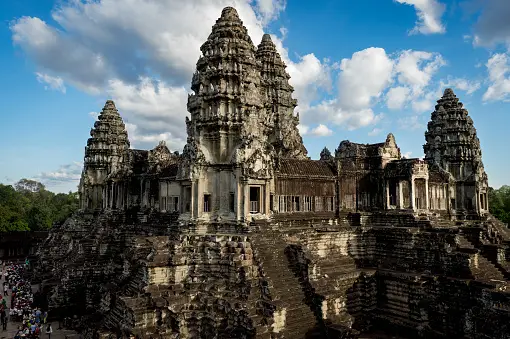
Deep within the lush jungles of Cambodia, a magnificent testament to human creativity and spiritual devotion awaits. Angkor Wat, the largest religious monument in the world, stands as a mesmerizing symbol of the Khmer Empire’s grandeur and artistry. Embarking on a journey through time, exploring the ancient temples of Angkor Wat, is an experience that transports you to a bygone era and leaves an indelible mark on your soul.

The Angkor Archaeological Park, a UNESCO World Heritage site, encompasses a vast area, with Angkor Wat at its heart. Built in the 12th century, this architectural marvel was initially constructed as a Hindu temple dedicated to the god Vishnu and later transformed into a Buddhist site. Its distinctive five-towered silhouette, surrounded by a moat and intricate bas-relief carvings, is an iconic image that represents the epitome of Khmer architecture and artistic excellence.

As you approach Angkor Wat, the sheer scale and intricacy of the temple complex leave you in awe. The massive stone causeway leads you across the moat, creating a sense of anticipation and reverence. Stepping through the ornate entrance gates, you are greeted by a vast courtyard and towering galleries adorned with meticulously carved scenes from Hindu epics and celestial beings. The central sanctuary, with its soaring pinnacle, serves as a focal point, drawing you deeper into the heart of this sacred place.

Exploring the labyrinthine corridors and ascending the steep staircases, you are immersed in a world of religious symbolism and ancient mythologies. The walls of Angkor Wat tell stories of battles, deities, and celestial realms, offering a glimpse into the beliefs and cosmology of the Khmer people. The bas-reliefs, intricately carved with exquisite detail, depict scenes of daily life, royal processions, and epic legends, capturing the imagination and curiosity of visitors.

Beyond Angkor Wat, the Angkor Archaeological Park is home to numerous other temples, each with its own unique charm and historical significance. Ta Prohm, enveloped by towering trees and intertwined with their roots, presents a hauntingly beautiful sight. The intertwining of nature and architecture creates an ethereal atmosphere, as if time itself has stood still. Bayon, with its enigmatic smiling faces carved into the stone towers, evokes a sense of mystery and intrigue.

As you wander through the temples, you become part of a living history, surrounded by the echoes of ancient prayers and rituals. The quiet serenity that envelops these sacred spaces invites contemplation and introspection. Whether you witness the sunrise casting its golden glow upon the sandstone structures or explore the intricate carvings bathed in the soft light of dusk, the temples of Angkor Wat offer a profound connection to the past.

To truly appreciate the magnificence of Angkor Wat and its surrounding temples, it is invaluable to engage with knowledgeable guides or local experts. Their insights into the history, symbolism, and restoration efforts provide a deeper understanding of the significance and cultural heritage of this extraordinary site. It is through their storytelling that the stones come to life, and the ancient Khmer civilization reveals itself in all its splendor.

Beyond the temples, the Angkor region offers a vibrant and welcoming culture. Exploring the nearby town of Siem Reap allows you to immerse yourself in Khmer traditions, sample local cuisine, and connect with the warm-hearted Cambodian people. The night markets, filled with handicrafts and vibrant textiles, offer a chance to take a piece of this enchanting land home with you.

A journey through time, exploring the ancient temples of Angkor Wat, is an experience that transcends mere sightseeing. It is an opportunity to witness the legacy of a remarkable civilization, to connect with the spiritual and artistic achievements of the Khmer Empire, and to be inspired by the enduring power of human creativity. Angkor Wat stands as a testament to the resilience of the past and a reminder of the profound beauty that lies within our shared human history.

As you bid farewell to the temples of Angkor Wat, you carry with you the echoes of ancient chants, the stories etched in stone, and a newfound appreciation for the majesty of human achievement. Your journey through time leaves an indelible mark, reminding you of the wonders that lie hidden in the world and the importance of preserving and celebrating our shared cultural heritage.

Unveiling the Mysteries of Machu Picchu: Exploring the Ancient Incan City

0

Nestled high in the rugged Andes Mountains of Peru, Machu Picchu stands as a testament to the ingenuity and architectural brilliance of the ancient Incan civilization. This mystical and awe-inspiring site has captivated the hearts and minds of explorers, historians, and curious travelers for centuries. As you embark on a journey to explore the secrets of Machu Picchu, you will unravel the mysteries of this enigmatic city and immerse yourself in its rich historical and cultural significance.

The journey to Machu Picchu begins with the iconic Inca Trail, a trek through breathtaking mountain landscapes and dense cloud forests. Following in the footsteps of the ancient Incas, you’ll traverse stone pathways, cross suspension bridges, and ascend steep terraces, all while being surrounded by breathtaking vistas. The Inca Trail is not just a physical adventure but also a spiritual one, as you connect with the natural wonders and ancient energy of the Andes.

As you approach the Sun Gate, the final stretch of the Inca Trail, a sense of anticipation and wonder fills the air. Suddenly, the mist clears, and Machu Picchu reveals itself in all its glory. The sight of these majestic ruins, seemingly untouched by time, is nothing short of extraordinary. The perfectly carved stones, the intricate terraces, and the harmonious integration with the surrounding mountains create a scene that is both awe-inspiring and humbling.

Exploring the ancient city of Machu Picchu is like stepping back in time. As you wander through the labyrinthine paths and intricate stone structures, you can’t help but marvel at the architectural genius of the Incas. The precision with which the stones were cut and fitted together, without the use of mortar, is a testament to their engineering prowess. The Temple of the Sun, the Intihuatana Stone, and the Temple of the Three Windows are just a few of the remarkable structures that showcase the Incan civilization’s advanced knowledge and skill.

But Machu Picchu is not just a collection of impressive buildings; it holds a deeper significance. Believed to have been a sacred site and a retreat for Incan emperors, the city exudes an aura of spirituality and mysticism. The alignment of the buildings with celestial events, such as the solstices, suggests an intimate connection with the cosmos. The Intihuatana Stone, a carved rock that served as a solar clock, is thought to have held spiritual and ceremonial importance for the Incas.

Beyond its architectural marvels, Machu Picchu is also surrounded by natural beauty. The verdant mountains, cascading waterfalls, and lush vegetation create a picturesque backdrop for the ancient ruins. As you hike up to the towering peak of Huayna Picchu, you’ll be rewarded with panoramic views of the entire site, offering a unique perspective on the grandeur and scale of Machu Picchu.

While Machu Picchu is undoubtedly the main attraction, the surrounding region offers even more opportunities for exploration. The Sacred Valley, with its charming towns and ancient Incan sites, provides a glimpse into the rich cultural heritage of the region. The vibrant markets of Pisac and Ollantaytambo offer a chance to immerse yourself in traditional Peruvian crafts and local cuisine.

To truly appreciate the wonders of Machu Picchu, it’s essential to learn about the history and significance of the site. Engage with knowledgeable guides who can share stories and insights into the Incan civilization, its rise and fall, and the mysteries that still surround this ancient city. By delving into the past, you’ll gain a deeper understanding of the significance of Machu Picchu and its place in the history of human civilization.

As you bid farewell to Machu Picchu, you carry with you more than just memories. The experience of exploring this extraordinary site leaves a lasting impression on your soul. It ignites a sense of wonder, appreciation for the achievements of ancient civilizations, and a connection to the natural and spiritual world. Machu Picchu is more than just an archaeological site; it is a testament to the enduring legacy of the Incan civilization and a reminder of the power of human ingenuity.

Unveiling the mysteries of Machu Picchu is a journey of discovery, both external and internal. It is an opportunity to immerse yourself in the grandeur of the Andes, unravel the secrets of an ancient civilization, and connect with the awe-inspiring wonders of the natural world. Machu Picchu beckons adventurers and history enthusiasts alike to embark on a journey of a lifetime and experience the magic that lies within its ancient walls.


Lost in Paradise: Discovering the Enchanting Islands of Maldives

0

Nestled in the heart of the Indian Ocean, the Maldives is a true paradise on Earth. With its pristine white sandy beaches, crystal-clear turquoise waters, and vibrant coral reefs, this archipelago of islands offers an unparalleled escape from the hustle and bustle of everyday life. From the moment you set foot on these magical islands, you are transported to a world of serenity, beauty, and pure bliss.

The Maldives is composed of 26 atolls, each consisting of numerous islands, each more breathtaking than the last. As you arrive by seaplane or speedboat to your chosen island, you are greeted by the warm tropical breeze and the sight of palm trees swaying gently in the wind. The first glimpse of the sparkling blue lagoons and the vibrant marine life beneath the surface is enough to take your breath away.

One of the most remarkable features of the Maldives is its abundance of luxury resorts. These resorts, scattered across various islands, offer an unparalleled level of comfort and seclusion. From overwater villas built on stilts, allowing you to wake up to the sound of gentle waves lapping beneath your feet, to beachfront bungalows surrounded by lush vegetation, the accommodations in the Maldives are nothing short of extraordinary. Each resort is designed to provide a sense of privacy and tranquility, ensuring that you can truly unwind and immerse yourself in the beauty of the surroundings.

The allure of the Maldives extends far beyond its luxurious accommodations. The islands boast some of the world’s most spectacular coral reefs, making it a haven for snorkelers and scuba diving enthusiasts. As you dip beneath the surface of the water, you are greeted by a vibrant underwater world teeming with life. Schools of colorful fish dart in and out of the coral formations, while graceful sea turtles glide effortlessly through the marine ecosystem. Snorkeling or diving in the Maldives is an awe-inspiring experience, allowing you to witness the wonders of nature up close.

For those seeking relaxation and rejuvenation, the Maldives offers a range of world-class spa experiences. Many resorts boast their own spa facilities, where you can indulge in luxurious treatments and therapies that draw inspiration from traditional Maldivian practices. From soothing massages to invigorating body scrubs, these spa experiences are designed to nourish your body and soul, leaving you feeling refreshed and revitalized.

To truly immerse yourself in the local culture, take the time to visit the nearby inhabited islands. The Maldivian people, known for their warm hospitality and friendly nature, offer a glimpse into their traditional way of life. Explore the narrow streets of the local villages, where you can discover colorful markets selling fresh produce, handcrafted souvenirs, and intricately woven textiles. Engage with the locals, sample traditional Maldivian cuisine, and learn about their customs and traditions. It is through these interactions that you can gain a deeper appreciation for the rich cultural heritage of the Maldives.

As the sun sets over the horizon, casting a golden hue across the sky, the Maldives transforms into a place of enchantment. The star-filled night sky, unspoiled by light pollution, offers a mesmerizing spectacle. Take a romantic stroll along the beach, hand in hand with your loved one, and marvel at the beauty of the universe above. The tranquility of the Maldives at night is a reminder of the preciousness of this secluded paradise.

The Maldives is a destination that captures the imagination and leaves an everlasting impression. Its natural beauty, combined with its warm hospitality and luxurious offerings, creates an irresistible allure for travelers seeking an idyllic escape. Whether you are looking to unwind on pristine beaches, explore vibrant coral reefs, or simply bask in the tranquility of nature, the Maldives promises an experience that is truly unforgettable.

So, let yourself be lost in paradise as you discover the enchanting islands of the Maldives. Immerse yourself in the beauty of the surroundings, embrace the warmth of the Maldivian culture, and create memories that will last a lifetime. The Maldives is a destination that will forever hold a special place in your heart, beckoning you to return and experience its magic time and time again.

Unstoppable Grace: Serena Williams’ Extraordinary Journey to Tennis Greatness

0

Serena Williams, an icon and trailblazer in the world of tennis, has captivated audiences with her unrivaled talent, unyielding determination, and remarkable journey. Born on September 26, 1981, in Saginaw, Michigan, Serena Jameka Williams has left an indelible mark on the sport and has become an inspiration to athletes and fans worldwide.

From a young age, Serena and her sister Venus displayed an extraordinary talent for tennis. Under the guidance of their father, Richard Williams, the sisters embarked on a journey that would redefine the sport. They faced numerous challenges and overcame adversity, including racial prejudice and skepticism from the tennis establishment. However, they remained resilient and focused on their goals.

Serena’s path to greatness was paved with hard work, perseverance, and an unwavering belief in herself. Her powerful serve, lightning-fast reflexes, and fierce competitive spirit propelled her to the top of the tennis world. With her relentless drive and unparalleled athleticism, Serena became a force to be reckoned with on the court.

Throughout her career, Serena has amassed an astonishing collection of records and achievements. She has won a staggering 23 Grand Slam singles titles, making her one of the most successful tennis players in history. Her dominance on the court is a testament to her skill, mental fortitude, and the countless hours of training and dedication she has poured into her craft.

Beyond her on-court success, Serena has become a symbol of strength and empowerment. She has used her platform to advocate for gender equality, racial justice, and equal opportunities in sports. Serena’s voice speaks not only for herself but for countless athletes who face discrimination and barriers in their pursuit of excellence.

Serena’s impact extends far beyond tennis. She has inspired generations of young athletes, particularly young girls and women of color, to dream big and pursue their passions fearlessly. Her resilience in the face of adversity and her ability to overcome obstacles serve as a powerful example of what can be achieved through determination and hard work.

Off the court, Serena is a devoted mother and a vocal advocate for maternal health. Her openness about her own struggles with pregnancy-related complications has shed light on the disparities in healthcare and has sparked important conversations about women’s health issues.

Serena’s journey has not been without its share of setbacks and challenges. She has faced injuries, personal hardships, and moments of self-doubt. However, it is her ability to rise above adversity and come back stronger that sets her apart. Serena’s tenacity and refusal to give up, even in the face of adversity, embody the true spirit of a champion.

Serena Williams’ story is a testament to the power of resilience, determination, and unwavering belief in oneself. Her journey from a young girl with a dream to a global tennis icon is an inspiration to all who strive for greatness. Serena’s impact on the sport and her advocacy for equality and social justice have made her a true legend, both on and off the court.

In a world hungry for heroes, Serena Williams stands tall as a symbol of courage, strength, and excellence. Her story reminds us that with passion, perseverance, and an unyielding belief in our abilities, we can overcome any obstacle and leave an indelible mark on the world. Serena’s legacy will continue to inspire generations of athletes and change-makers for years to come.

Michelle Obama: Inspiring Change, Empowering Hearts

0

Michelle Obama, a beacon of strength, grace, and inspiration, has captivated the world with her remarkable story. Born on January 17, 1964, in Chicago, Illinois, Michelle LaVaughn Robinson Obama defied expectations and shattered barriers to become an influential figure in her own right.

From a young age, Michelle displayed a deep thirst for knowledge and a determination to excel academically. She graduated from Princeton University and later earned her law degree from Harvard Law School, where she stood out for her intelligence and commitment to social justice. It was during her time at Harvard that she met her future husband, Barack Obama, who would become the 44th President of the United States.

As First Lady of the United States from 2009 to 2017, Michelle Obama used her platform to advocate for causes close to her heart. She focused on initiatives such as Let’s Move!, aimed at combating childhood obesity, and Reach Higher, which aimed to inspire young people to pursue higher education. Michelle’s impact extended far beyond policy; she became a role model for women and girls around the world, showing them that they could aspire to greatness and make a difference.

Michelle’s commitment to empowering young people and promoting education has been a driving force throughout her life. She strongly believes in the power of education to transform lives and has consistently emphasized the importance of hard work, perseverance, and empathy. Michelle’s own journey from the South Side of Chicago to the White House serves as a testament to the transformative power of education.

Beyond her advocacy work, Michelle Obama is admired for her authenticity and relatability. She has been open about her personal struggles and the challenges she faced as a working mother, balancing her family life with her professional responsibilities. Michelle’s down-to-earth nature and ability to connect with people from all walks of life have endeared her to millions.

In her memoir, “Becoming,” Michelle Obama shares her story with honesty and vulnerability. She invites readers into her world, recounting the triumphs and trials she experienced along the way. From her childhood in Chicago to her time in the White House, Michelle reflects on the lessons she learned and the impact she hopes to leave on the world.

Michelle Obama’s impact extends far beyond her time as First Lady. She continues to be a force for change, using her platform to advocate for important issues such as girls’ education and women’s rights. Michelle’s charisma, intelligence, and unwavering dedication to making a positive impact have cemented her as a role model for people of all ages and backgrounds.

Her story is a testament to the power of resilience, determination, and the belief that one person can make a difference. Michelle Obama’s journey inspires us to embrace our authenticity, lift others up, and work towards creating a more inclusive and equitable society.

In a world hungry for inspiration, Michelle Obama’s story serves as a reminder that with courage, compassion, and perseverance, we can overcome obstacles and leave a lasting impact on the world. Her journey continues to inspire and empower individuals to dream big, break barriers, and strive for a better future.

Exploring Neil Armstrong’s Path to the Moon

0

Neil Armstrong, the first human to set foot on the moon, has left an indelible mark on history and inspired generations with his remarkable journey. Born on August 5, 1930, in Wapakoneta, Ohio, Armstrong’s path to becoming an astronaut was filled with determination, courage, and a relentless pursuit of exploration.

From a young age, Armstrong displayed a keen interest in aviation and space. He became fascinated with flight after his first airplane ride at the age of six and developed a love for the sky that would shape his future. Armstrong’s passion for aviation led him to pursue an aeronautical engineering degree at Purdue University, where he honed his skills and gained a deep understanding of the principles of flight.

After completing his studies, Armstrong joined the United States Navy and became a naval aviator. He flew combat missions during the Korean War and demonstrated exceptional skill and bravery in the face of danger. Armstrong’s experience as a pilot would prove invaluable in his future endeavors as an astronaut.

In 1962, Armstrong was selected as part of NASA’s second group of astronauts, known as the New Nine. His selection came at a pivotal time in the space race between the United States and the Soviet Union. The goal of reaching the moon was set, and Armstrong was on the front lines of this audacious mission.

On July 20, 1969, the world held its breath as Armstrong, along with fellow astronauts Buzz Aldrin and Michael Collins, embarked on the Apollo 11 mission. The lunar module, named Eagle, touched down on the moon’s surface, and Armstrong took his historic “one small step for man, one giant leap for mankind.”

Armstrong’s first steps on the moon represented a monumental achievement for humanity. It was the culmination of years of scientific advancements, engineering brilliance, and the collective efforts of thousands of individuals. As he planted his footprints on the lunar soil, Armstrong became a symbol of human ingenuity and the limitless possibilities of exploration.

Beyond his role as an astronaut, Armstrong’s humility, modesty, and grace stood out. He never sought the limelight or personal glory, but rather saw himself as part of a team working towards a common goal. Armstrong’s quiet and composed demeanor under intense pressure earned him the respect and admiration of his colleagues and the world.

Following his historic mission, Armstrong continued to make significant contributions to the field of aerospace. He served as a professor of aerospace engineering at the University of Cincinnati and as a member of various advisory boards and commissions. Armstrong’s expertise and insights played a crucial role in shaping the future of space exploration.

Neil Armstrong’s journey to the moon was not just a personal achievement but a testament to human determination and the spirit of exploration. He showed the world that with vision, dedication, and collaboration, seemingly impossible dreams can become reality. Armstrong’s legacy extends far beyond his lunar footsteps; he inspired generations of scientists, engineers, and explorers to push the boundaries of human knowledge and strive for greatness.

Tragically, on August 25, 2012, Neil Armstrong passed away, leaving behind an unmatched legacy. His name will forever be synonymous with the triumphs of the Apollo program and the pursuit of knowledge and discovery.

Neil Armstrong’s story is a testament to the power of human ambition and the unwavering pursuit of dreams. His journey to the moon not only expanded our understanding of the universe but also demonstrated the potential of human achievement. Armstrong’s courage, humility, and unwavering commitment to exploration continue to inspire us all to reach for the stars and push the boundaries of what is possible.

Mahatma Gandhi’s Journey towards Freedom and Peace

0

Mahatma Gandhi, widely known as the Father of the Indian independence movement, was an extraordinary leader whose philosophy of nonviolence and civil disobedience continues to inspire millions around the world. Born on October 2, 1869, in Porbandar, India, Gandhi’s life was marked by his unwavering commitment to truth, justice, and the pursuit of freedom.

Gandhi’s early years were shaped by his exposure to the injustices of British colonial rule in India. He studied law in London and, upon returning to India, began practicing in South Africa, where he encountered firsthand the racial discrimination faced by Indians. It was in South Africa that Gandhi’s transformation from a lawyer to a social and political activist began.

In 1894, Gandhi founded the Natal Indian Congress, an organization aimed at fighting for the rights of Indians in South Africa. He advocated for equal treatment under the law and led campaigns against discriminatory practices. It was during this time that Gandhi developed the concept of Satyagraha, or nonviolent resistance, as a powerful tool for social and political change.

Gandhi believed in the power of self-suffering and nonviolent protest to challenge oppressive systems. He led numerous nonviolent campaigns, including the famous Salt March in 1930, where thousands of Indians walked over 240 miles to protest the British monopoly on salt production. These acts of civil disobedience inspired millions of Indians and became defining moments in the struggle for independence.

Gandhi’s philosophy of nonviolence, or Ahimsa, was deeply rooted in his belief in the inherent worth and dignity of every individual. He sought to promote unity and harmony among different religious and ethnic groups, emphasizing the importance of tolerance and understanding. Gandhi’s vision of a peaceful and inclusive society transcended the boundaries of India and resonated with people worldwide.

Throughout his life, Gandhi advocated for swaraj, or self-rule, urging Indians to take responsibility for their own governance and to reject the oppressive rule of the British Empire. He called for a return to traditional Indian values, emphasizing simplicity, self-sufficiency, and the importance of community. Gandhi’s leadership and his ability to mobilize and unite people across diverse backgrounds were instrumental in the Indian independence movement.

Despite facing numerous arrests, imprisonments, and personal hardships, Gandhi remained steadfast in his principles. He believed that true victory could only be achieved through love, compassion, and the transformation of oneself. Gandhi’s personal example of simplicity and selflessness inspired countless individuals to question the status quo and work towards a more just and equitable society.

One of the most remarkable aspects of Gandhi’s philosophy was his unwavering commitment to nonviolence, even in the face of extreme provocation. He believed that violence only perpetuated a cycle of hatred and destruction and that true change could only be brought about through peaceful means. His teachings influenced civil rights leaders such as Martin Luther King Jr. and Nelson Mandela, who adopted nonviolent resistance as a powerful tool in their own struggles for justice.

Gandhi’s impact extended far beyond India’s independence. His teachings on nonviolence, social justice, and communal harmony continue to inspire movements and individuals around the world. He showed that even a single individual, armed with truth and the power of love, could challenge oppressive systems and transform society.

On January 30, 1948, Mahatma Gandhi was assassinated by a Hindu extremist, but his legacy lives on as a beacon of hope and inspiration. His unwavering commitment to truth, nonviolence, and social justice remains a guide for those striving for a better world.

Mahatma Gandhi’s life and teachings remind us of the power of individual action and the possibility of creating lasting change. His philosophy of nonviolence, his unwavering commitment to justice, and his emphasis on personal transformation continue to resonate with people seeking a more peaceful and just world. The impact of Mahatma Gandhi’s extraordinary journey will forever be remembered as an inspiration for generations to come.