Home Blog Page 409

Dropshipping in Africa: How to Start a Dropshipping Business (Step-by-Step)

0

Dropshipping is an increasingly popular business model that allows entrepreneurs to sell products online without holding inventory. This guide will walk you through the steps to start a successful dropshipping business in Africa.

1. Understand Dropshipping

What is Dropshipping?

  • Business Model: In dropshipping, you sell products through your online store, but the supplier handles inventory and shipping directly to customers.
  • Low Overhead Costs: You don’t need to invest heavily in inventory upfront, making it a low-risk option for new entrepreneurs.

2. Choose Your Niche

Identify a Profitable Niche

  • Market Research: Analyze market trends, consumer needs, and potential competition to find a niche that interests you and has demand.
  • Focus on Local Needs: Consider local preferences, cultural factors, and trends in your area to identify products that resonate with your target audience.

Validate Your Ideas

  • Competitor Analysis: Look at existing dropshipping businesses in your niche to understand their offerings and strategies.
  • Customer Feedback: Engage with potential customers through social media or surveys to gauge interest in your product ideas.

3. Find Reliable Suppliers

Research Suppliers

  • Global Platforms: Use platforms like AliExpress, Oberlo, or SaleHoo to find suppliers that offer dropshipping services.
  • Local Suppliers: Consider partnering with local manufacturers or wholesalers to reduce shipping times and costs.

Evaluate Suppliers

  • Quality Assurance: Order samples to assess product quality and ensure it meets your standards.
  • Communication: Choose suppliers with good communication channels and responsive customer service.

4. Set Up Your Online Store

Choose an E-commerce Platform

  • Shopify: A user-friendly platform ideal for dropshipping with built-in features for managing products and orders.
  • WooCommerce: A flexible WordPress plugin that allows for extensive customization if you have some technical skills.
  • Local Marketplaces: Consider listing your products on established platforms like Jumia or Konga.

Design Your Store

  • User-Friendly Interface: Ensure your website is easy to navigate with clear product categories and search functionality.
  • High-Quality Images: Use professional images and compelling product descriptions to attract customers.

5. Implement Payment Solutions

Set Up Payment Gateways

  • Local Options: Integrate popular payment gateways used in your region, such as Paystack or Flutterwave, to facilitate secure transactions.
  • International Payments: Ensure your platform supports international payments if you plan to sell beyond Africa.

6. Market Your Dropshipping Business

Build an Online Presence

  • Social Media Marketing: Promote your products on platforms like Instagram, Facebook, and Twitter to reach your target audience.
  • Content Marketing: Create valuable content related to your niche to attract potential customers and improve SEO.

Use Paid Advertising

  • Social Media Ads: Utilize targeted advertising on platforms like Facebook and Instagram to drive traffic to your store.
  • Google Ads: Consider using Google Ads to reach customers actively searching for products in your niche.

7. Manage Orders and Customer Service

Order Fulfillment

  • Automated Systems: Use software that automates order processing and communicates with suppliers to streamline fulfillment.
  • Track Shipments: Provide customers with tracking information to keep them informed about their orders.

Customer Support

  • Responsive Communication: Offer prompt responses to customer inquiries via email, chat, or social media.
  • Return and Refund Policies: Clearly outline your return and refund policies to manage customer expectations.

8. Monitor and Optimize

Analyze Performance

  • Use Analytics Tools: Track website traffic, conversion rates, and sales performance using tools like Google Analytics.
  • Customer Feedback: Gather feedback to identify areas for improvement and adapt your offerings accordingly.

Scale Your Business

  • Expand Product Range: Once established, consider adding more products or diversifying into related niches.
  • Explore New Markets: Look for opportunities to expand into new regions or countries within Africa.

Conclusion

Starting a dropshipping business in Africa can be a lucrative venture with the right strategies and dedication. By following this step-by-step guide, you can navigate the complexities of the dropshipping model and build a successful online store. Focus on providing value to your customers and continuously optimizing your business to achieve long-term success.

Cross-Border E-commerce: Strategies for Selling Across Africa and Beyond

0

Cross-border e-commerce presents significant opportunities for African entrepreneurs looking to expand their market reach. By selling products beyond local borders, businesses can tap into new customer bases and increase revenue. Here are effective strategies for successfully navigating cross-border e-commerce in Africa and beyond.

1. Understand Local Markets

Market Research

  • Consumer Preferences: Research the preferences, buying behaviors, and cultural differences of target markets to tailor your offerings.
  • Competitor Analysis: Study local competitors to understand pricing, product range, and marketing strategies.

Regulatory Compliance

  • Import and Export Regulations: Familiarize yourself with the import/export laws of the countries you plan to sell in, including tariffs and customs duties.
  • Taxation: Understand the tax implications of selling across borders, including VAT and other local taxes.

2. Optimize Your Online Presence

Localized Websites

  • Language and Currency: Consider creating localized versions of your website that cater to different languages and currencies.
  • Cultural Relevance: Adapt your content and marketing materials to resonate with local cultures and customs.

SEO and Marketing

  • Localized SEO: Use keywords relevant to the local market to improve search engine visibility.
  • Social Media Marketing: Leverage local social media platforms and influencers to build brand awareness and engage potential customers.

3. Choose the Right E-commerce Platform

Multi-Channel Selling

  • Marketplaces: Consider selling on popular regional marketplaces (e.g., Jumia, Konga) that provide access to a larger audience.
  • Your Own Website: Set up an e-commerce website that supports cross-border transactions and integrates with various payment gateways.

Payment Solutions

  • Diverse Payment Options: Offer multiple payment methods that are popular in target markets, such as mobile payments, credit cards, and PayPal.
  • Secure Transactions: Ensure that your payment gateways are secure to build trust with international customers.

4. Logistics and Fulfillment

Shipping Solutions

  • Reliable Logistics Partners: Partner with reputable logistics companies that specialize in cross-border shipping to ensure timely delivery.
  • Transparent Shipping Policies: Clearly communicate shipping costs, delivery times, and return policies to manage customer expectations.

Warehousing Options

  • Local Warehousing: Consider using fulfillment centers in target regions to reduce shipping times and costs.
  • Dropshipping: Explore dropshipping as a model to minimize inventory risks while reaching international customers.

5. Customer Support and After-Sales Service

Multilingual Support

  • Language Options: Offer customer support in the local language to improve communication and enhance customer satisfaction.
  • Responsive Service: Provide timely responses to inquiries and resolve issues promptly to build trust and loyalty.

Return Policies

  • Clear Return Guidelines: Establish clear return and refund policies that comply with local regulations and customer expectations.
  • Easy Returns: Make the return process as seamless as possible to encourage customers to shop with confidence.

6. Marketing and Brand Building

Targeted Advertising

  • Social Media Campaigns: Use targeted advertising on platforms like Facebook, Instagram, and local channels to reach specific demographics.
  • Influencer Collaborations: Partner with local influencers to promote your products and enhance brand visibility.

Content Marketing

  • Educational Content: Create blog posts, videos, and infographics that educate potential customers about your products and their benefits.
  • User-Generated Content: Encourage customers to share their experiences and reviews to build social proof and trust.

7. Monitor and Adapt

Analytics and Performance Tracking

  • Sales Data Analysis: Use analytics tools to track sales performance, customer behavior, and market trends.
  • Feedback Loop: Gather feedback from customers to identify areas for improvement and adapt your strategies accordingly.

Stay Informed

  • Industry Trends: Keep up with emerging trends in e-commerce, technology, and consumer behavior to remain competitive.
  • Regulatory Changes: Stay updated on changes in regulations that may affect cross-border selling.

Conclusion

Cross-border e-commerce offers immense potential for African entrepreneurs to expand their businesses and reach new markets. By understanding local markets, optimizing your online presence, and implementing effective logistics and marketing strategies, you can successfully navigate the complexities of selling across borders. Embrace the opportunities that cross-border e-commerce presents to grow your business and contribute to the dynamic African economy.

The Rise of African Data Centers: 2025 Overview and Future Outlook

Africa’s digital landscape is rapidly maturing, and data centers are now at the core of this transformation. As the continent’s demand for cloud services, content hosting, and local data storage surges, data centers have gone from a niche concept to a critical pillar of digital infrastructure.

Here’s a breakdown of where things stand in 2025 — and what the future holds for Africa’s data center industry.


Why Data Centers Matter

Data centers are facilities that house computing infrastructure — servers, storage systems, and networking gear — that process and store digital information. Without them, cloud computing, streaming, online banking, mobile apps, and government digital services don’t work.

In Africa, the rise of data centers is addressing long-standing issues like:

  • High latency (from routing traffic through Europe or Asia)

  • Costly international bandwidth

  • Data sovereignty concerns

  • Lack of reliable infrastructure for local tech startups


Snapshot: Africa’s Data Center Market in 2025

📊 Estimated Capacity:

  • Over 300 MW of operational data center power capacity across the continent.

  • Projected to cross 600 MW by 2030, according to industry forecasts.

📈 Growth Rate:

  • CAGR of over 15% in most key markets.

  • Nigeria, Kenya, Egypt, and South Africa are leading the way.

🗺️ Top Data Center Hubs:

  • South Africa (Johannesburg, Cape Town) – Largest and most mature market.

  • Nigeria (Lagos) – Fast-growing, backed by fintech boom and startup ecosystem.

  • Kenya (Nairobi) – Regional hub for East Africa, strong government and private investment.

  • Egypt (Cairo) – Key bridge between Africa and the Middle East/Europe.


Key Drivers of Growth

1. Cloud Adoption

Microsoft Azure, Amazon Web Services (AWS), and Google Cloud are expanding their African footprints. Local demand for cloud hosting is pushing investment in edge data centers and cloud regions.

2. Regulatory Push for Data Localization

Countries like Nigeria and South Africa are pushing data residency laws, requiring certain data to be stored domestically.

3. Streaming, Social Media & Mobile Apps

Content from Netflix, YouTube, TikTok, and Meta needs to be cached and delivered locally to improve performance. This is increasing demand for local data centers.

4. Tech Startup Ecosystem

African startups — especially in fintech, healthtech, and edtech — require reliable hosting that minimizes downtime and keeps user data local.

5. International Investment

Private equity, sovereign wealth funds, and international operators are pouring money into African data infrastructure.


Major Players in 2025

🌍 Africa Data Centres (ADC)

  • Owned by Cassava Technologies (part of Liquid Intelligent Technologies)

  • Facilities in South Africa, Nigeria, Kenya, and planned expansions into Rwanda and DRC.

🏢 Teraco (South Africa)

  • Africa’s largest and most interconnected data center operator.

  • Acquired by Digital Realty, giving it global reach.

🏢 Raxio Group

  • Focused on Tier III facilities across East and Central Africa.

  • Operational centers in Uganda and Ethiopia, with projects underway in Côte d’Ivoire and Mozambique.

🏢 Open Access Data Centres (OADC)

  • Building modular, edge, and hyperscale-ready facilities across emerging African markets.

🏢 PAIX, IXAfrica, Wingu.africa

  • Regional players building interconnection-focused centers to support local ISPs and enterprises.


Edge vs Hyperscale: Two Growth Models

  • Hyperscale centers (like Teraco and ADC) serve global cloud giants and multinationals.

  • Edge data centers are smaller facilities closer to users, crucial for areas with unreliable connectivity or poor latency.

Trend: A hybrid approach is emerging — hyperscale hubs in capitals, edge centers in secondary cities.


Challenges Holding the Sector Back

Even as growth accelerates, Africa’s data center industry still faces obstacles:

🔌 Power Reliability

Many countries lack stable electricity. Operators rely heavily on diesel generators and battery backups — increasing costs and emissions.

🏗️ High Build Costs

Data center construction is capital-intensive, and financing can be hard to secure in risk-prone markets.

📜 Regulatory Complexity

Cross-border digital policies, lack of harmonized data protection laws, and import taxes on equipment slow deployment.

👷 Talent Shortage

Data center operations need skilled technicians and engineers, but there’s a shortage of specialized labor in many countries.


Sustainability and Green Energy

With growing awareness around climate impact, African data centers are beginning to focus on:

  • Solar and renewable energy integration (especially in Kenya and South Africa)

  • Energy-efficient cooling systems (like water-cooled or modular designs)

  • Carbon offsetting and emissions tracking

In 2025, green data centers are becoming a market differentiator.


Future Outlook: What’s Ahead (2025–2030)

🔮 1. Cloud Regions Across More Countries

Expect AWS, Azure, and Google Cloud to expand full-fledged regions in markets like Nigeria, Egypt, and Kenya — not just edge zones.

🔮 2. Regional Interconnection

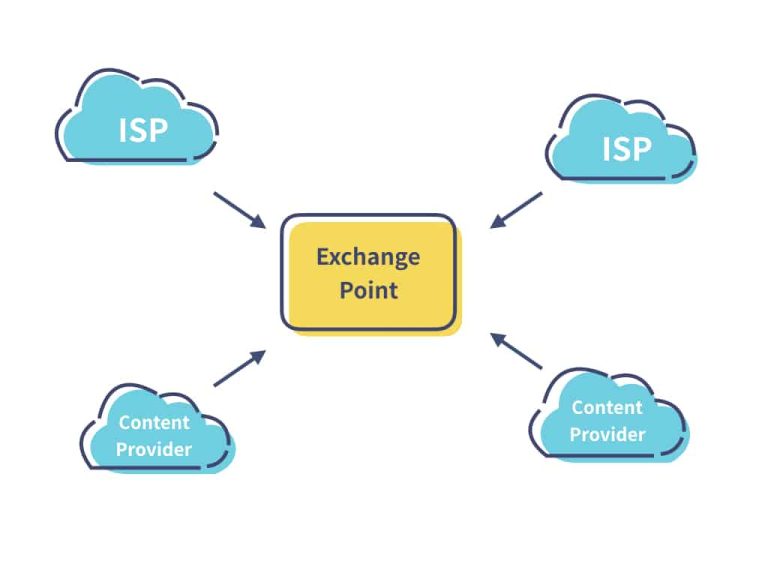
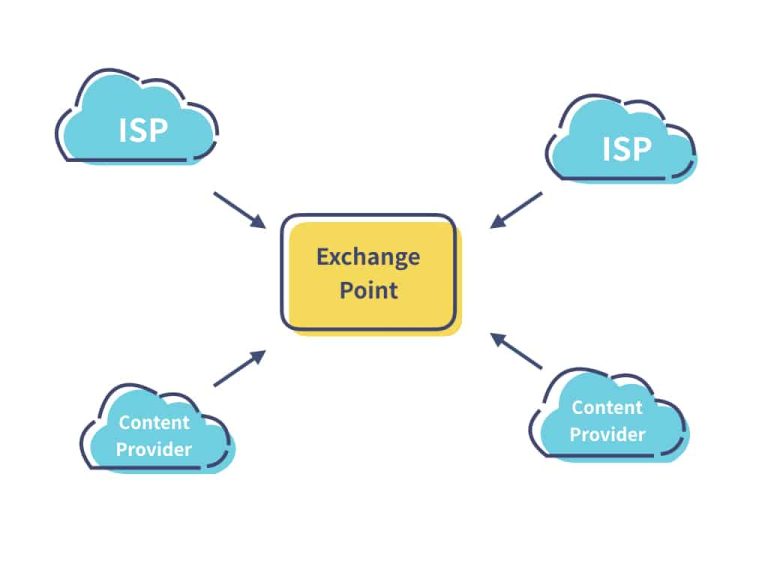
More IXPs (Internet Exchange Points) and peering across countries will improve efficiency and reduce data routing through Europe.

🔮 3. Expansion into Francophone and Central Africa

Places like Senegal, Côte d’Ivoire, Cameroon, and DRC are next in line for investment as regional infrastructure improves.

🔮 4. Smart Cities and 5G Integration

Data centers will underpin smart infrastructure, IoT, and 5G rollouts, especially in high-density urban areas.

🔮 5. AI Workloads and Digital Health

As AI and big data become mainstream, local data processing will become even more critical — particularly for health, agriculture, and logistics.


Conclusion

In 2025, African data centers are no longer just an emerging idea — they’re an essential part of the continent’s digital economy. Their growth is enabling everything from cloud computing and e-commerce to streaming and AI.

While challenges remain — especially around power, regulation, and investment risk — the trajectory is clear. Africa is building the backbone it needs to support a connected, competitive, and resilient digital future.

Social Commerce in Africa: Selling on Instagram, Facebook & WhatsApp for Beginners

Social media platforms are transforming the way businesses engage with customers and sell products in Africa. With the rise of social commerce, entrepreneurs can leverage platforms like Instagram, Facebook, and WhatsApp to reach their audience directly and boost sales. Here’s a beginner’s guide to getting started with social commerce in Africa.

1. Understanding Social Commerce

What is Social Commerce?

Social commerce refers to the use of social media platforms to facilitate online buying and selling. It combines social interaction with e-commerce, allowing businesses to showcase their products, engage with customers, and drive sales directly through social channels.

Why Social Commerce is Important in Africa

  • Growing User Base: Millions of Africans are active on social media, making it an ideal space for reaching potential customers.
  • Mobile-First Environment: Many users access social media primarily through mobile devices, which aligns well with e-commerce growth in the region.
  • Influencer Culture: The popularity of influencers in Africa can significantly enhance brand visibility and credibility.

2. Getting Started with Selling on Social Media

Step 1: Choose Your Platform

  • Instagram: Ideal for visually appealing products, fashion, beauty, and lifestyle brands.
  • Facebook: Great for reaching diverse demographics and utilizing group features for community engagement.
  • WhatsApp: Perfect for direct communication, customer service, and personalized sales.

Step 2: Set Up Your Business Profile

  • Create a Business Account: Use a business account on Instagram and Facebook to access analytics and advertising tools.
  • Optimize Your Profile:
    • Use a clear profile picture (like your logo).
    • Write a compelling bio that describes your business and includes a call to action.
    • Add a link to your website or e-commerce store.

Step 3: Build Your Audience

  • Content Strategy: Share high-quality images, videos, and stories that showcase your products. Use a consistent style and voice.
  • Engagement: Respond to comments and messages promptly, and actively engage with your followers to build relationships.
  • Hashtags: Use relevant hashtags to increase the visibility of your posts and reach a wider audience.

3. Selling on Each Platform

Selling on Instagram

  • Shoppable Posts: Set up Instagram Shopping to tag products directly in your posts, allowing users to view product details and make purchases.
  • Stories and Reels: Use Instagram Stories and Reels to showcase products creatively and engage followers through polls, questions, and behind-the-scenes content.
  • Influencer Collaborations: Partner with influencers to promote your products and reach their followers.

Selling on Facebook

  • Facebook Shop: Create a Facebook Shop to display your products directly on your page, allowing customers to browse and make purchases without leaving the platform.
  • Groups and Communities: Join or create groups related to your niche to engage with potential customers and promote your products.
  • Live Selling: Use Facebook Live to showcase products in real-time, answer questions, and create a sense of urgency.

Selling on WhatsApp

  • Business Profile: Set up a WhatsApp Business account with your business details, including hours, location, and product catalog.
  • Direct Communication: Use WhatsApp for personalized customer interactions, providing instant support and answering queries.
  • Broadcast Lists: Create broadcast lists to send promotions, updates, and offers to multiple customers at once.

4. Payment and Logistics

Payment Options

  • Mobile Payment Solutions: Integrate popular payment platforms like Paystack, Flutterwave, or local bank transfer options to facilitate secure transactions.
  • Cash on Delivery: Consider offering cash on delivery as an option, especially in regions where online payments are less common.

Logistics and Fulfillment

  • Shipping Partners: Collaborate with reliable logistics companies for timely delivery of products.
  • Clear Policies: Communicate shipping costs, delivery times, and return policies transparently to build trust with customers.

5. Measuring Success

Analytics and Insights

  • Track Engagement: Use platform analytics to monitor engagement rates, follower growth, and sales conversions.
  • Adjust Strategies: Analyze what content resonates best with your audience and adjust your marketing strategies accordingly.

Customer Feedback

  • Collect Reviews: Encourage customers to leave reviews and feedback to improve your offerings and build credibility.
  • Adapt to Trends: Stay updated on market trends and customer preferences to refine your product offerings and marketing strategies.

Conclusion

Social commerce presents a significant opportunity for African entrepreneurs to connect with customers and drive sales through popular platforms like Instagram, Facebook, and WhatsApp. By understanding the unique features of each platform and implementing effective strategies, you can successfully launch and grow your business in the social commerce space. Embrace this digital shift to enhance your brand visibility and engage with your audience in meaningful ways.

Selling on Marketplaces vs. Your Own Website: Pros and Cons for African Entrepreneurs

As an entrepreneur in Africa, deciding where to sell your products is crucial for your business success. Both online marketplaces and your own e-commerce website offer unique advantages and challenges. Here’s a breakdown of the pros and cons of each option to help you make an informed decision.

Selling on Marketplaces

Pros

  1. Built-In Audience
    • Access to Customers: Marketplaces like Jumia, Konga, and Amazon have established customer bases, allowing you to reach a larger audience without significant marketing efforts.
  2. Trust and Credibility
    • Brand Recognition: Customers often trust well-known marketplaces, which can enhance your credibility as a seller.
  3. Simplified Set-Up
    • Quick Onboarding: Setting up a store on a marketplace is usually faster and requires less technical knowledge compared to building a standalone website.
  4. Logistics Support
    • Fulfillment Services: Many marketplaces offer logistics solutions, handling shipping and returns for you, which simplifies order fulfillment.
  5. Marketing Tools
    • Promotional Opportunities: Marketplaces often provide advertising options and promotional tools to help increase visibility for your products.

Cons

  1. Fees and Commissions
    • Costly Transactions: Marketplaces typically charge fees for listing products and taking a percentage of sales, which can reduce your profit margins.
  2. Limited Control
    • Branding Restrictions: You have less control over branding, design, and customer experience compared to your own website.
  3. Competition
    • High Competition: You’ll be competing with numerous sellers, including larger brands, which can make it challenging to stand out.
  4. Data Ownership
    • Limited Customer Insights: Marketplaces often control customer data, limiting your ability to build direct relationships with your customers.

Selling on Your Own Website

Pros

  1. Full Control
    • Branding and Design: You have complete control over your website’s design, branding, and overall customer experience.
  2. Direct Customer Relationships
    • Building Loyalty: Selling directly allows you to build relationships with customers, fostering loyalty and encouraging repeat purchases.
  3. Higher Profit Margins
    • No Marketplace Fees: By selling on your own site, you avoid commission fees, potentially increasing your profit margins.
  4. Data Ownership
    • Customer Insights: You have access to valuable customer data, which can help inform your marketing strategies and product offerings.
  5. Custom Marketing Strategies
    • Tailored Promotions: You can create customized marketing campaigns and promotions that align with your brand and target audience.

Cons

  1. Higher Initial Investment
    • Setup Costs: Building and maintaining your own website can require a higher upfront investment in design, hosting, and technical expertise.
  2. Traffic Generation
    • Marketing Efforts Required: You will need to invest in marketing to drive traffic to your site, which can be time-consuming and costly.
  3. Technical Maintenance
    • Ongoing Management: Managing your own website requires technical knowledge and ongoing maintenance to ensure optimal performance and security.
  4. Logistics Management
    • Fulfillment Responsibilities: You are responsible for managing inventory, shipping, and returns, which can be complex and resource-intensive.

Conclusion

Choosing between selling on marketplaces or your own website depends on your business goals, resources, and target audience. Marketplaces offer quick access to a broad audience and simplified logistics, making them an excellent option for startups. In contrast, having your own website provides control, higher profit margins, and the ability to build direct customer relationships.

For many African entrepreneurs, a hybrid approach—selling on both marketplaces and a personal website—can be an effective strategy to maximize reach and profitability. Assess your specific needs and capabilities to determine the best path for your e-commerce journey.

Choosing the Right E-commerce Platform for Your African Business (Shopify vs WooCommerce & More)

0

Selecting the right e-commerce platform is crucial for the success of your online business in Africa. With various options available, it’s essential to evaluate the features, costs, and scalability of each platform. This guide compares popular e-commerce platforms, including Shopify, WooCommerce, and others, to help you make an informed decision.

1. Overview of Popular E-commerce Platforms

Shopify

  • Type: Hosted Solution
  • Ease of Use: User-friendly interface, ideal for beginners.
  • Features:
    • Customizable templates
    • Integrated payment gateways
    • Extensive app store for added functionality
  • Pricing: Monthly subscription model, starting from around $29/month.
  • Support: 24/7 customer support via chat, email, and phone.

WooCommerce

  • Type: Self-Hosted (WordPress Plugin)
  • Ease of Use: Requires basic understanding of WordPress.
  • Features:
    • Highly customizable with themes and plugins
    • Full control over your online store
    • Large community support
  • Pricing: Free plugin, but costs for hosting, themes, and extensions can add up.
  • Support: Community forums and documentation; paid support options available.

Other Notable Platforms

1. Magento

  • Type: Self-Hosted & Cloud
  • Ease of Use: Suitable for larger businesses with technical expertise.
  • Features:
    • Highly customizable and scalable
    • Advanced features for larger catalogs
  • Pricing: Free Community Edition; Enterprise Edition has variable pricing.
  • Support: Community support and paid options for the Enterprise version.

2. OpenCart

  • Type: Self-Hosted
  • Ease of Use: User-friendly for those with basic tech skills.
  • Features:
    • Multiple store management
    • Extensive extensions marketplace
  • Pricing: Free to download; hosting and extensions may incur costs.
  • Support: Community forums and documentation.

3. Jumia

  • Type: Marketplace
  • Ease of Use: Simple for sellers but limited customization.
  • Features:
    • Large audience reach in Africa
    • Built-in logistics and payment solutions
  • Pricing: Commission-based fees on sales.
  • Support: Customer support for sellers.

2. Factors to Consider When Choosing an E-commerce Platform

1. Business Needs and Goals

  • Scalability: Choose a platform that can grow with your business as you expand your product range and customer base.
  • Customization: Assess how much customization you need for your brand and product offerings.

2. Technical Expertise

  • User-Friendliness: If you lack technical skills, opt for a user-friendly platform like Shopify. If you have some coding knowledge, WooCommerce may offer more flexibility.

3. Cost and Budget

  • Initial Investment vs. Ongoing Costs: Consider not just the upfront costs but also transaction fees, monthly subscriptions, and additional expenses for plugins or themes.

4. Payment Gateways

  • Local Payment Solutions: Ensure the platform supports popular payment methods in your region, such as Paystack or Flutterwave, to cater to local customers.

5. Support and Resources

  • Customer Support: Evaluate the availability and quality of customer support for troubleshooting and assistance.
  • Community and Documentation: A strong community and comprehensive documentation can be invaluable for self-help.

3. Comparison Summary

Feature Shopify WooCommerce Magento OpenCart Jumia
Hosting Hosted Self-hosted Self-hosted/Cloud Self-hosted Marketplace
Ease of Use Very user-friendly Requires WordPress knowledge Complex for beginners Moderate Very simple for sellers
Customization Moderate Highly customizable Highly customizable Moderate Limited
Pricing Monthly fees Free (with hosting costs) Free (Community) Free (with hosting costs) Commission-based
Support 24/7 support Community and paid options Community and paid options Community forums Seller support

4. Conclusion

Choosing the right e-commerce platform for your African business depends on various factors, including your technical skills, budget, and specific business needs. If you prioritize ease of use and support, Shopify might be the best choice. For those seeking flexibility and customization, WooCommerce could be more suitable. Evaluate your options carefully to find the platform that aligns with your objectives and sets your online store up for success.

How to Launch an Online Store in Nigeria: A Step-by-Step Beginner’s Guide

0

Starting an online store in Nigeria can be a rewarding venture, given the growing e-commerce market and increasing internet penetration. Here’s a comprehensive step-by-step guide to help you launch your online store successfully.

1. Define Your Business Idea

Identify Your Niche

  • Market Research: Analyze market trends and customer needs to find a profitable niche. Consider areas like fashion, electronics, beauty products, or handmade crafts.
  • Target Audience: Define your target market based on demographics, preferences, and purchasing behavior.

Create a Business Plan

  • Outline Your Goals: Set short-term and long-term objectives for your online store.
  • Financial Projections: Estimate startup costs, pricing strategies, and expected revenue to ensure financial viability.

2. Register Your Business

Choose a Business Name

  • Unique and Memorable: Select a name that reflects your brand and is easy to remember.
  • Check Availability: Ensure the name is not already in use by checking the Corporate Affairs Commission (CAC) database.

Register with the CAC

  • Business Registration: Register your business name or incorporate your company with the CAC to establish legal recognition.
  • Obtain Necessary Licenses: Depending on your niche, you may need specific licenses or permits.

3. Set Up Your Online Store

Choose an E-commerce Platform

  • Shopify: A user-friendly platform that offers customizable templates and various payment options.
  • WooCommerce: A WordPress plugin that provides flexibility for those familiar with WordPress.
  • Jumia or Konga: Consider listing your products on established marketplaces to reach a broader audience.

Design Your Store

  • User-Friendly Navigation: Ensure your website is easy to navigate, with clear categories and a search function.
  • Mobile Responsiveness: Optimize your store for mobile devices, as many Nigerian consumers shop on their phones.
  • High-Quality Images: Use professional photos and detailed descriptions for your products to enhance appeal.

4. Set Up Payment and Shipping Options

Payment Gateways

  • Local Payment Solutions: Integrate popular payment gateways in Nigeria, such as Paystack, Flutterwave, or Interswitch, to facilitate secure transactions.
  • Cash on Delivery: Offer cash on delivery (COD) as an option, as it remains popular among Nigerian consumers.

Shipping Solutions

  • Partner with Delivery Services: Collaborate with reliable logistics companies like GIG Logistics, Jumia Express, or DHL to ensure timely delivery.
  • Set Clear Shipping Policies: Clearly outline shipping costs, delivery times, and return policies on your website.

5. Market Your Online Store

Social Media Marketing

  • Leverage Platforms: Use platforms like Instagram, Facebook, and Twitter to promote your products and engage with potential customers.
  • Influencer Collaborations: Partner with local influencers to reach a wider audience and build credibility.

Search Engine Optimization (SEO)

  • Keyword Research: Identify relevant keywords for your niche and incorporate them into your product descriptions and blog content.
  • Content Marketing: Create valuable content related to your products to drive organic traffic to your store.

Email Marketing

  • Build a Subscriber List: Collect emails through your website and social media to keep potential customers updated on promotions and new products.
  • Send Regular Newsletters: Share engaging content, discounts, and product launches to encourage repeat purchases.

6. Monitor and Improve

Analyze Performance

  • Use Analytics Tools: Implement tools like Google Analytics to track website traffic, user behavior, and sales performance.
  • Customer Feedback: Encourage customers to leave reviews and feedback to identify areas for improvement.

Optimize and Scale

  • Adjust Marketing Strategies: Continuously assess and refine your marketing efforts based on performance data.
  • Expand Product Range: Consider introducing new products based on customer preferences and market trends.

7. Stay Compliant and Adapt

Legal and Tax Compliance

  • Business Taxes: Understand your tax obligations and ensure timely payment to avoid penalties.
  • Consumer Protection Laws: Familiarize yourself with consumer rights and regulations to ensure compliance.

Stay Updated

  • Market Trends: Keep an eye on emerging trends in e-commerce and consumer behavior to stay competitive.
  • Technology Advances: Adapt to new technologies and tools that can enhance your online store’s efficiency and customer experience.

Conclusion

Launching an online store in Nigeria requires careful planning, execution, and ongoing management. By following this step-by-step guide, you can build a successful e-commerce business that meets the needs of Nigerian consumers. Stay adaptable, embrace feedback, and continuously seek improvement to thrive in the dynamic online marketplace.

Coding for Entrepreneurs: Why Learning to Code Can Boost Your African Startup

0

In the rapidly evolving digital landscape, coding has become an indispensable skill for entrepreneurs, especially in Africa’s vibrant startup ecosystem. Understanding the basics of coding can empower founders to innovate, streamline operations, and effectively respond to market demands. Here’s a closer look at why learning to code can significantly enhance your African startup.

1. Understanding the Digital Landscape

The Tech-Driven Economy

  • Digital Transformation: As Africa embraces technology, entrepreneurs must adapt to stay competitive. Coding skills provide insights into how digital solutions can address local challenges.
  • Innovation Opportunities: Technology enables entrepreneurs to solve pressing issues in sectors like healthcare, agriculture, and finance, creating a wealth of opportunities.

Bridging the Skills Gap

  • Talent Shortage: The demand for tech talent in Africa is high, and learning to code allows entrepreneurs to take a proactive role in developing their teams and products.

2. Empowering Problem-Solving

Custom Solutions Development

  • Tailoring Software: With coding skills, entrepreneurs can develop custom applications or tools that meet their specific business needs, reducing reliance on external developers.
  • Rapid Prototyping: Coding enables quick iterations of ideas and products, allowing entrepreneurs to test and refine concepts based on real-time feedback.

Enhanced Product Development

  • User-Centric Design: Understanding coding helps entrepreneurs create products that align more closely with user needs, improving overall satisfaction.
  • Integration with Technologies: Knowledge of coding allows entrepreneurs to integrate various technologies and tools, enhancing product functionality and user experience.

3. Streamlining Operations

Automating Repetitive Tasks

  • Increased Efficiency: By automating mundane tasks through coding, entrepreneurs can save time and focus on strategic initiatives that drive growth.
  • Custom Data Management Tools: Entrepreneurs can create tools to analyze and manage data, leading to better decision-making processes.

Building a Robust Online Presence

  • Website Development: Coding skills empower entrepreneurs to create and maintain their own websites, ensuring they reflect their brand identity and business goals.
  • E-Commerce Capabilities: Entrepreneurs can develop e-commerce platforms tailored to their customer base, facilitating a smoother shopping experience.

4. Improving Communication with Tech Teams

Effective Collaboration

  • Bridging the Gap: Entrepreneurs with coding knowledge can communicate more effectively with technical teams, reducing misunderstandings and improving project outcomes.
  • Setting Realistic Expectations: Understanding the technical aspects allows entrepreneurs to set achievable timelines and budgets for tech projects.

Leading Tech-Driven Initiatives

  • Informed Decision-Making: Entrepreneurs equipped with coding skills can make informed decisions regarding technology investments and product development strategies.
  • Fostering Innovation: With a grasp of coding, entrepreneurs can lead initiatives that promote creativity and technological advancement within their startups.

5. Enhancing Networking and Collaboration

Joining the Tech Community

  • Networking Opportunities: Learning to code opens doors to local and global tech communities, providing valuable connections with other entrepreneurs, developers, and investors.
  • Collaborative Projects: Coding skills enable participation in tech collaborations, leading to innovative solutions and partnerships.

Access to Resources

  • Open Source Platforms: Many coding resources are available for free, including libraries and frameworks that foster collaboration and knowledge sharing.
  • Online Communities: Engaging with online forums and coding communities can provide support and resources for continuous learning.

6. Resources for Learning to Code

Online Learning Platforms

  • Codecademy: Offers interactive coding lessons across various programming languages, suitable for beginners.
  • Coursera and edX: Provide courses from top universities on topics like web development and software engineering.

Local Bootcamps and Programs

  • Moringa School (Kenya): An immersive coding bootcamp that equips students with the skills needed for the tech industry.
  • Decagon (Nigeria): Focuses on training software engineers and connecting them with job opportunities in the tech sector.

7. Conclusion

Learning to code is a vital investment for African entrepreneurs aiming to enhance their startups. It empowers them to innovate, streamline operations, and engage effectively with tech teams. In a digital economy, coding knowledge is more than just an asset; it’s a necessity for success. By embracing coding, entrepreneurs can position themselves at the forefront of Africa’s tech revolution, driving growth and contributing to the continent’s dynamic startup ecosystem.

Hardware in Africa: How Makerspaces Are Fuelling a DIY Tech Movement

0

The rise of makerspaces across Africa is igniting a DIY tech movement, empowering individuals and communities to innovate and create. These collaborative environments provide access to tools, resources, and knowledge, fostering creativity and entrepreneurship. Here’s how makerspaces are transforming the hardware landscape in Africa.

1. Understanding Makerspaces

What is a Makerspace?

  • Definition: A makerspace is a community-driven workshop that provides access to various tools and technologies, including 3D printers, electronics, woodworking equipment, and software.
  • Community Focus: Makerspaces encourage collaboration, learning, and sharing among members, creating a culture of innovation.

Key Features

  • Open Access: Many makerspaces operate on a membership or pay-per-use basis, making tools and resources accessible to individuals who might not otherwise afford them.
  • Workshops and Events: Makerspaces often host workshops, hackathons, and exhibitions, promoting skill development and community engagement.

2. The Role of Makerspaces in Hardware Development

Prototyping and Product Development

  • Rapid Prototyping: Makerspaces provide the tools necessary for individuals to design, prototype, and test their hardware ideas quickly and affordably.
  • Iterative Design: Members can iterate on their designs based on feedback, allowing for continuous improvement and innovation.

Skill Development

  • Hands-On Learning: Makerspaces offer workshops and training sessions, helping individuals acquire practical skills in electronics, coding, and fabrication.
  • Mentorship Opportunities: Experienced members often mentor newcomers, fostering a supportive learning environment.

3. Promoting Entrepreneurship

Startup Incubation

  • Support for Entrepreneurs: Many makerspaces function as incubators, providing resources and mentorship for tech startups focused on hardware development.
  • Access to Funding: Some makerspaces connect entrepreneurs with investors and grants, helping them secure the funding needed to launch their products.

Community Projects

  • Social Impact Initiatives: Makerspaces often engage in community-driven projects, addressing local challenges through innovative hardware solutions, such as clean energy devices or educational tools.
  • Collaborative Innovation: By bringing together diverse skill sets, makerspaces facilitate collaborative projects that can lead to significant technological advancements.

4. Examples of Successful Makerspaces in Africa

1. iHub (Kenya)

  • A well-known innovation hub in Nairobi that supports tech startups and entrepreneurs, offering co-working spaces, resources, and training programs.

2. MakerSpace Africa (Nigeria)

  • Provides access to equipment and training in electronics, woodworking, and 3D printing, focusing on empowering local communities through technology.

3. FabLab (South Africa)

  • Part of the global Fab Lab network, this space offers tools for digital fabrication, enabling individuals to create everything from prototypes to artistic works.

5. Challenges Facing Makerspaces

Funding and Sustainability

  • Financial Viability: Many makerspaces rely on membership fees and donations, making financial sustainability a constant challenge.
  • Resource Limitations: Access to advanced tools and technologies can be limited by funding constraints.

Awareness and Engagement

  • Community Awareness: Many potential users may not be aware of the resources available at makerspaces, necessitating outreach and marketing efforts.
  • Encouraging Participation: Engaging a diverse audience, including women and underrepresented groups, is essential for fostering inclusive innovation.

6. The Future of the DIY Tech Movement in Africa

Expanding Network of Makerspaces

  • Increased Collaboration: As more makerspaces emerge, collaboration between them can lead to shared resources, knowledge exchange, and joint projects.
  • Global Connections: Partnerships with international makerspaces can provide access to additional resources and expertise.

Technological Advancements

  • Emerging Technologies: The integration of technologies like IoT, robotics, and AI into makerspaces will enable members to work on cutting-edge projects.
  • Sustainability Focus: Makerspaces are increasingly adopting sustainable practices, such as using recycled materials and promoting eco-friendly designs.

Conclusion

Makerspaces are at the forefront of the DIY tech movement in Africa, empowering individuals to innovate and create hardware solutions that address local challenges. By providing access to tools, resources, and a supportive community, these spaces foster entrepreneurship and skill development. As the makerspace network continues to grow, it will play a crucial role in shaping Africa’s technological landscape, driving innovation and sustainable development across the continent.

Emerging Tech Trends 2025: Opportunities for African Entrepreneurs in AR/VR

0

The fields of Augmented Reality (AR) and Virtual Reality (VR) are poised for significant growth, offering exciting opportunities for African entrepreneurs. These technologies are transforming various sectors, including education, healthcare, entertainment, and real estate. Here’s a look at the emerging trends in AR/VR and how African entrepreneurs can capitalize on these opportunities.

1. Understanding AR/VR Technologies

Definitions

  • Augmented Reality (AR): AR overlays digital content onto the real world, enhancing the user’s perception of their environment through devices like smartphones and AR glasses.
  • Virtual Reality (VR): VR immerses users in a completely digital environment, typically accessed through VR headsets, providing an interactive experience.

Current Applications

  • Gaming and Entertainment: AR/VR is revolutionizing the gaming industry with immersive experiences.
  • Education and Training: These technologies facilitate interactive learning environments and simulations for various fields.

2. Key Emerging Trends

1. Increased Adoption in Education

  • Interactive Learning: AR/VR can create engaging learning experiences, making complex subjects more accessible and enjoyable.
  • Remote Learning Solutions: With the rise of online education, AR/VR can enhance remote learning by providing virtual classrooms and interactive simulations.

2. Healthcare Innovations

  • Medical Training: VR simulations are being used for training healthcare professionals, allowing them to practice procedures in a risk-free environment.
  • Patient Treatment: AR is helping in therapy and rehabilitation, providing immersive experiences that aid recovery processes.

3. E-commerce and Retail Transformation

  • Virtual Try-Ons: AR allows customers to visualize products in their environment or on themselves before making a purchase, enhancing the shopping experience.
  • Immersive Showrooms: VR can create virtual showrooms, enabling customers to explore products without visiting physical stores.

4. Real Estate and Architecture

  • Virtual Tours: AR/VR can offer potential buyers immersive tours of properties, making the home-buying process more convenient.
  • Architectural Visualization: Architects can use VR to present designs in a 3D space, allowing clients to experience projects before they are built.

3. Opportunities for African Entrepreneurs

1. Developing AR/VR Content

  • Educational Resources: Create engaging AR/VR educational content tailored to local curricula, addressing gaps in the traditional education system.
  • Cultural Experiences: Develop applications that showcase African heritage and culture through immersive storytelling.

2. Training and Simulation Solutions

  • Sector-Specific Training: Build VR training programs for sectors like agriculture, healthcare, and manufacturing, helping professionals enhance their skills in a safe environment.
  • Corporate Training: Offer VR solutions for corporate training, enhancing employee onboarding and skill development.

3. E-commerce Solutions

  • AR Shopping Apps: Create platforms that allow users to visualize products in their space, catering to the growing e-commerce market in Africa.
  • Virtual Marketplaces: Develop VR marketplaces where customers can explore and purchase products from local vendors.

4. Partnerships and Collaborations

  • Collaboration with Schools and Institutions: Partner with educational institutions to integrate AR/VR into their curricula, enhancing learning experiences.
  • Government and NGO Collaborations: Work with government bodies and NGOs to leverage funding and resources for AR/VR initiatives that address social challenges.

4. Challenges to Consider

1. Infrastructure Limitations

  • Internet Connectivity: Limited internet access in some regions can hinder the adoption of AR/VR technologies. Entrepreneurs may need to consider offline capabilities.
  • Hardware Accessibility: The cost of AR/VR devices can be prohibitive, necessitating solutions that work on widely available smartphones.

2. Skill Gaps

  • Training Needs: There may be a lack of skilled professionals in AR/VR development. Entrepreneurs should invest in training and development programs to build local talent.

3. Regulatory Environment

  • Navigating Regulations: Understanding local regulations regarding technology and data privacy is crucial for successful implementation of AR/VR solutions.

5. The Future of AR/VR in Africa

1. Growing Investment Landscape

  • Increased Funding: As AR/VR technology matures, more investors are likely to recognize its potential, leading to increased funding opportunities for startups.
  • Innovation Hubs: The establishment of tech hubs across Africa can foster collaboration and innovation in AR/VR development.

2. Global Collaborations

  • International Partnerships: Collaborating with global tech companies can provide African entrepreneurs with access to resources, expertise, and markets.

3. Expanding User Base

  • Youth Demographic: With a large youth population, Africa has a ready audience for AR/VR experiences, particularly in gaming, education, and entertainment.

Conclusion

The AR/VR landscape presents a wealth of opportunities for African entrepreneurs as we approach 2025. By harnessing these technologies to address local needs and challenges, entrepreneurs can drive innovation and create impactful solutions across various sectors. With the right strategies, partnerships, and investments, Africa can emerge as a significant player in the global AR/VR market, transforming industries and enhancing the quality of life for its citizens.