Home Blog Page 380

The Rise of AI Code Assistants: Boosting Developer Productivity in 2025

The Rise of AI Code Assistants: Boosting Developer Productivity in 2025

AI isn’t just writing text or creating art anymore — it’s writing code. In 2025, AI code assistants have become a daily tool for millions of developers around the world. These AI-powered tools can suggest lines of code, generate entire functions, and even debug errors based on your comments or intent.

Adoption is skyrocketing. According to GitHub’s 2024 State of Developer Productivity, over 97% of developers using GitHub Copilot say it helps them stay more productive, and 88% feel more fulfilled in their work. For a profession built around solving complex problems, this kind of assistance is a game-changer.


What Are AI Code Assistants?

AI code assistants are tools that use machine learning — often large language models — to assist developers in writing code. They can:

  • Autocomplete code in real time
  • Generate functions from natural language
  • Suggest fixes for bugs or errors
  • Explain code snippets
  • Help with documentation

These tools act like smart pair programmers, embedded directly into your IDE (like VS Code or JetBrains), speeding up development and reducing repetitive tasks.


Why Developers Are Embracing AI Assistants

The uptake has been rapid and wide-reaching. Here’s why developers are leaning into AI tools:

📈 Productivity Boost

  • 55% faster task completion on average, according to GitHub.
  • Less time spent on boilerplate or syntax issues.

🧠 Focus on Logic, Not Syntax

  • Developers can concentrate on architecture and logic, leaving repetitive code to AI.

💻 Learning as You Code

  • Junior devs use AI assistants as live coding tutors.
  • Real-time suggestions help developers work across unfamiliar languages or frameworks.

🤝 Better Collaboration

  • Teams align faster with AI-suggested standards and consistent code patterns.

Top AI Code Assistants in 2025

Here’s a look at the top players leading the AI coding space in 2025:

🔹 GitHub Copilot (by GitHub and OpenAI)

  • The most widely adopted AI coding tool.
  • Tight integration with GitHub workflows.
  • Now supports team-based usage, policy controls, and more refined prompting.

🔹 Amazon CodeWhisperer

  • Geared toward enterprise and AWS-integrated development.
  • Strong security scanning and identity-aware context.
  • Great for Python, Java, and cloud-native coding.

🔹 Tabnine

  • Offers full privacy for teams via on-prem deployments.
  • Predictive code suggestions tailored to your repo.
  • Compatible with most major IDEs.

🔹 Codeium

  • A newer player offering a fast, free AI assistant with surprising accuracy.
  • Gaining traction for its wide language support and affordability.

AI Code Assistant Comparison Table (2025)

ToolLanguages SupportedIDE IntegrationsPricingUnique Features
GitHub Copilot20+ (JS, Python, Go, etc.)VS Code, JetBrains, NeovimPaid (with free trials)Context-aware completions, team controls
CodeWhispererPython, Java, JS, moreVS Code, JetBrains, AWS IDEFree tier + Pro plansDeep AWS integration, code scanning
Tabnine30+ languagesAll major IDEsFree + Enterprise plansPrivate model training, local hosting
Codeium40+ languagesVS Code, JetBrains, Web IDEFree (as of 2025)Fast, minimal setup, active dev support

Real-World Use Cases

Developers are using AI assistants in diverse ways:

🧱 Boilerplate Code

Write one comment like // Express route for user login, and your AI assistant fills in the full route handler.

🔍 Debugging

Paste an error message, and the assistant suggests a fix or even writes a patch.

🧾 Documentation

Ask, “Explain this function,” and it generates a clean, human-readable description.

💡 Code Generation Example

Prompt:

// Function to calculate factorial recursively

AI Output:

function factorial(n) {
  if (n === 0 || n === 1) return 1;
  return n * factorial(n - 1);
}

It’s fast, functional, and ready to go.


Tips for Effective Use

To get the most from your AI code assistant:

Prompt Clearly

  • Be specific: Use comments like // fetch user data from API and parse JSON.
  • Provide context: The more code around, the better suggestions you’ll get.

🧐 Review Everything

  • AI code isn’t always correct. It may produce outdated syntax or inefficient logic.
  • Treat it like a helpful intern — check its work.

🔄 Iterate

  • If the suggestion isn’t great, tweak your comment or prompt and try again.

Concerns and Ethical Considerations

While AI assistants boost productivity, they come with debates:

⚖️ Licensing and Code Attribution

Some AI models may generate code similar to open-source snippets. This raises questions about attribution and licensing compliance.

🧠 Overreliance

Critics warn that overuse could weaken developers’ problem-solving skills, especially for juniors who skip learning the “why” behind the code.

🔒 Security Risks

Blindly copying AI-generated code can introduce vulnerabilities — especially when dealing with authentication, encryption, or APIs.

Pro tip: Always run security linters and code reviews.


Getting Started with GitHub Copilot: A Quick Guide

Step 1: Install VS Code

Download Visual Studio Code, if not already installed.

Step 2: Get the GitHub Copilot Extension

Search for “GitHub Copilot” in the Extensions Marketplace and install it.

Step 3: Sign in with GitHub

You’ll need a GitHub account. Copilot offers a free trial for individuals and paid plans for teams.

Step 4: Start Coding

Write a comment or begin a function. Copilot will suggest code automatically. Hit Tab to accept.

That’s it — you’re up and running with one of the most powerful AI code assistants available today.


Conclusion: A New Era of Coding

AI code assistants are transforming how developers work — not by replacing them, but by supercharging their productivity. From removing repetitive tasks to helping junior devs learn faster, these tools are now essential in modern development workflows.

Whether you’re building solo projects or leading enterprise-scale systems, embracing tools like GitHub Copilot, Amazon CodeWhisperer, or Tabnine is no longer optional — it’s how smart developers stay ahead.

Ready to code faster, better, and with less friction? Try an AI code assistant today and see the difference for yourself.

 

AI Vocal Remover: Turn Any Song Into Karaoke with This Trending Tech

AI Vocal Remover: Turn Any Song Into Karaoke with This Trending Tech

Ever wanted to sing your favorite song without the original vocals? Whether you’re prepping for karaoke night or remixing music for a video, AI vocal remover tools are becoming the go-to solution. These tools can remove vocals from a song in minutes, creating clean instrumentals or acapella tracks with surprising accuracy.

As AI music separator technology continues to advance, what once required professional audio software is now accessible to anyone with a browser and a few clicks. Let’s dive into how it works, which tools are leading the pack in 2025, and how you can start creating your own AI karaoke maker tracks today.


What Is an AI Vocal Remover (and Why It’s Trending)

An AI vocal remover is a tool that uses artificial intelligence to separate vocals from instrumentals in a music track. Instead of manually EQing or using phase cancellation techniques — which often left you with muddy results — modern tools use machine learning to “understand” what the human voice sounds like and isolate it from the rest of the audio.

Why the surge in popularity?

  • Karaoke creators want clean backing tracks.

  • DJs and producers need isolated stems for remixes.

  • YouTubers and TikTokers want instrumental tracks for content.

  • Music students want to practice with stripped-down versions of songs.

The viral appeal of music remixes and mashups — combined with the rise of user-friendly AI apps — has made vocal removal more popular than ever.


How AI Vocal Removal Works

Most AI music separator tools are trained on vast datasets of songs, learning to identify the characteristics of vocals vs. instruments. This includes:

  • Pitch and frequency recognition

  • Timbre and voice tone analysis

  • Separation of overlapping frequencies

By using deep learning models (like U-Net or Demucs), the tools split a single track into isolated “stems” — typically vocals, drums, bass, and other instruments. You can then mute or download just the vocal or instrumental part.

This is far more effective than manual techniques, and the results are cleaner and faster.


Top 3 AI Vocal Remover Tools in 2025

Looking for the best tool to remove vocals from a song? Here are three of the most popular platforms in 2025:

1. Moises.ai

Pros:

  • Intuitive interface, great for beginners

  • Multiple stem separation (vocals, drums, bass, etc.)

  • Cloud-based, fast processing

  • Mobile app available

Cons:

  • Free tier has limited file uploads

  • Requires account to download files

2. Lalal.ai

Pros:

  • High-quality separation using Phoenix AI algorithm

  • Supports batch processing

  • No account needed to try it out

Cons:

  • Pricing can be steep for heavy users

  • Occasional glitches on complex mixes

3. Spleeter by Deezer (via open-source or web apps like Splitter.ai)

Pros:

  • Open-source and widely adopted

  • Fast processing, supports 2-stem and 4-stem splits

  • Free and flexible with the right setup

Cons:

  • Not user-friendly for non-tech users (if using the raw code)

  • Web-based tools using Spleeter vary in quality

Each of these tools functions as an AI karaoke maker, giving you ready-to-use instrumental tracks or clean acapella files with minimal effort.


Use Cases: From Karaoke to Remixes

The rise of vocal isolation tools has opened up a range of creative possibilities:

🎤 Karaoke Nights

Remove vocals from a song, plug it into your karaoke app or sound system, and sing along like a pro.

🎧 Remixing and Sampling

DJs and producers use AI vocal remover tools to create original remixes or mashups by isolating vocals or instrumentals from popular tracks.

📽️ Content Creation

YouTubers, TikTokers, and streamers use stripped tracks as background music without vocals to avoid copyright issues or to add their own spin.

🎼 Music Practice and Education

Musicians and students use isolated stems to focus on specific instruments or vocal parts for learning.


Tutorial: How to Remove Vocals from a Song with AI (Step-by-Step)

Here’s how to remove vocals from a song using AI with Moises.ai:

Step 1: Upload Your Track

  • Go to moises.ai

  • Sign up for a free account

  • Click “Upload Track” and choose your MP3, WAV, or even YouTube link

Step 2: Choose Separation Type

  • Select “2 Stems” (vocals + instrumental) or “4 Stems” (vocals, drums, bass, other)

Step 3: Process and Preview

  • Wait for the AI to process your song (usually under a minute)

  • Preview the vocal and instrumental layers separately

Step 4: Download Your Files

  • Mute or adjust each stem as needed

  • Download the instrumental file to use for karaoke or production

That’s it — you’ve got a clean track, all powered by AI.


Audio Quality and Limitations

While these tools are impressive, they’re not perfect. Some things to keep in mind:

⚠️ Audio Artifacts

  • High compression or complex mixes may cause slight glitches or “ghost vocals”

  • Tracks with heavy reverb or vocal effects are harder to cleanly separate

🎚️ Instrument Bleed

  • Vocals may still contain instrument bleed and vice versa

  • Some tracks separate more cleanly than others, especially acoustic or sparsely produced ones

🎵 File Format Sensitivity

  • Quality can vary based on file format (WAV > MP3)

  • Lossy formats may degrade AI performance

That said, results are more than good enough for karaoke, remixing, or general content creation — especially when using top-tier tools.


The Future of AI Music Tech

The rise of AI vocal removers is just the beginning. Other emerging technologies in the space include:

  • AI voice cloning: Create new vocals in the style of a specific artist

  • AI-generated music: Entire tracks composed by AI based on text prompts or moods

  • Real-time vocal isolation: Live DJing or streaming with on-the-fly stem separation

As computing power improves and AI models evolve, expect even more precise, real-time, and creative tools for music makers and hobbyists alike.


Conclusion: Try It for Yourself

Whether you’re prepping for a karaoke party, remixing a favorite track, or just curious about how AI is changing music, AI vocal remover tools are worth exploring. They’re fast, user-friendly, and open the door to all kinds of creative projects.

From casual singers to serious producers, knowing how to remove vocals from a song with AI is a game-changing skill in 2025. And with tools like Moises, Lalal.ai, and others, it’s easier than ever to make music your own.

How Internet Exchange Points (IXPs) Transformed Connectivity in Africa

How Internet Exchange Points (IXPs) Transformed Connectivity in Africa

For decades, most of Africa’s internet traffic had to travel thousands of miles — often to Europe or North America — just to connect two users in neighboring countries. This wasn’t just inefficient. It was expensive, slow, and a major barrier to building a robust local internet ecosystem.

Internet Exchange Points (IXPs) changed that.


1. What Is an IXP? (And Why It Matters)

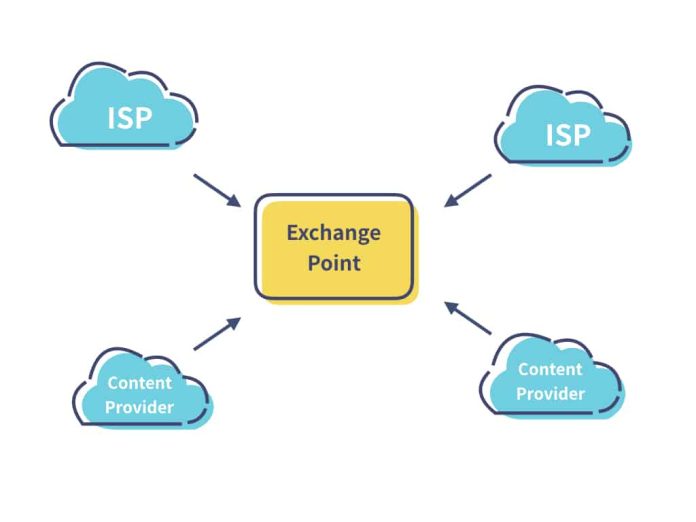
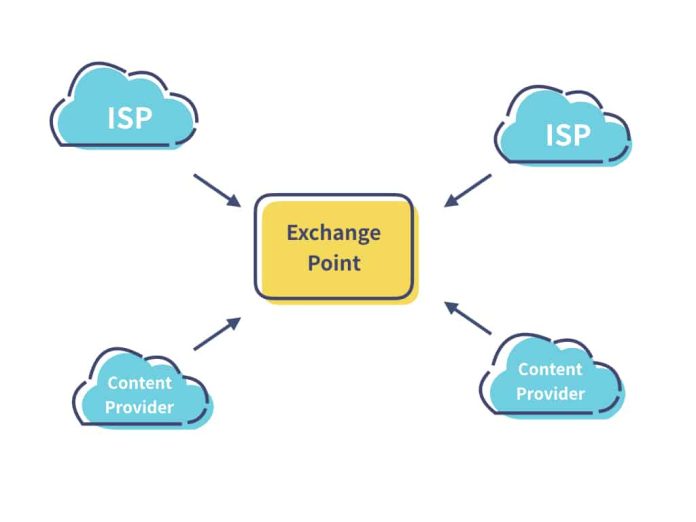
An Internet Exchange Point (IXP) is a physical infrastructure where networks — ISPs, content providers, telecom operators, cloud services — come together to exchange internet traffic directly.

Without an IXP, data sent from one local network often gets routed through international transit providers before coming back to a nearby destination. With an IXP, that data stays local, reducing latency, cost, and congestion.


2. Africa’s Connectivity Before IXPs

🌍 The Pre-IXP Era:

  • Most African internet traffic was routed through international exchange points, even for local or intra-African connections.

  • For example: A user in Kenya visiting a Kenyan website might route through London or Amsterdam.

  • This meant high latency (slower speeds), higher costs (paying foreign transit providers), and limited content hosting on the continent.


3. The Rise of IXPs in Africa: Key Milestones

🗓️ 1996–2005: The First Moves

  • 1996: South Africa launches JINX (Johannesburg Internet Exchange), the continent’s first IXP.

  • 2002–2005: Egypt, Kenya, Nigeria, and Morocco begin discussions and early pilots.

🗓️ 2006–2015: Growth and Expansion

  • Kenya’s KIXP, Nigeria’s IXPN, and Ghana’s GIX go live.

  • African IXP Association (Af-IX) is formed to foster collaboration and growth.

  • Technical and policy support from Internet Society (ISOC), AFRINIC, and AfNOG helps build local capacity.

🗓️ 2015–2025: Scaling Up

  • Over 45 IXPs now operate across more than 35 countries in Africa.

  • Cross-border traffic starts staying within the region.

  • Major global content providers (Google, Meta, Akamai, Cloudflare) begin peering at African IXPs to deliver faster content.

  • Regional IXPs (like in Kenya and South Africa) now serve multiple countries.


4. Real-World Impacts of IXPs in Africa

🔽 1. Lower Latency (Faster Speeds)

  • Local traffic no longer travels across continents.

  • Example: Latency between ISPs in Nairobi dropped from 200+ ms to under 20 ms after KIXP launched.

  • Improved speeds mean better performance for streaming, gaming, cloud apps, and VoIP.

💸 2. Lower Costs

  • ISPs save money by exchanging traffic directly instead of paying international transit providers.

  • These savings are passed down to consumers or reinvested in infrastructure.

📈 3. Local Content Growth

  • IXPs make it cost-effective to host websites, apps, and media locally.

  • This boosts African tech startups, media companies, and developers.

🔁 4. More Resilient Networks

  • Regional IXPs reduce dependency on undersea cables or distant exchange points.

  • If a cable to Europe is cut, local traffic still flows.

🌐 5. Boost to Digital Economies

  • Faster and cheaper local connectivity powers e-commerce, fintech, e-learning, and e-health.

  • Businesses rely on stable, low-latency infrastructure for day-to-day operations.


5. Country Spotlights

🇰🇪 Kenya (KIXP)

  • One of Africa’s most active IXPs.

  • Hosts traffic for ISPs, banks, universities, and CDNs.

  • Led to the growth of a strong local cloud and content ecosystem.

🇳🇬 Nigeria (IXPN)

  • Hosts over 80 networks, including banks, telecoms, and cloud providers.

  • Critical to Nigeria’s fintech and digital services sector.

🇿🇦 South Africa (JINX, CINX, DINX)

  • Most mature IXP ecosystem in Africa.

  • Attracts global content providers.

  • Interconnectivity across IXPs supports a massive domestic digital economy.


6. Challenges and Gaps That Remain

While progress is clear, challenges persist:

1. Uneven Coverage

  • Many African countries still lack functional IXPs.

  • Some operate but have low participation, limiting their impact.

🔌 2. Infrastructure Gaps

  • IXPs need reliable power, cooling, and facilities — hard to maintain in some regions.

🛑 3. Regulatory Barriers

  • In some countries, telecom monopolies resist interconnection to protect market share.

  • Poor regulation can delay or distort IXP growth.

🏢 4. Limited Local Hosting

  • Even with IXPs, most African websites are still hosted abroad.

  • Local content hosting needs more investment, trust, and capacity.


7. The Future of IXPs in Africa

📡 1. Regional Interconnection

  • Connecting IXPs across borders will create a true African internet core, reducing dependence on global hubs.

💡 2. Edge Computing and CDNs

  • IXPs will increasingly host Content Delivery Networks (CDNs) and edge nodes, improving access to global platforms.

🧱 3. Support for Cloud Growth

  • IXPs are key to cloud adoption. They offer the low-latency, high-speed paths that cloud apps need.

🌍 4. New IXPs in Underserved Regions

  • Central Africa, parts of West Africa, and island nations are next targets for IXP expansion.

History of Mobile Broadband in Africa: From 2G to 5G

History of Mobile Broadband in Africa: From 2G to 5G

History of Mobile Broadband in Africa: From 2G to 5G

Mobile broadband has been the backbone of Africa’s internet growth. With fixed-line internet either limited or non-existent in many parts of the continent, the shift from 2G to 5G has enabled everything from mobile banking and education to e-commerce and entertainment. This is the story of how mobile networks transformed digital access in Africa — and what the future holds.


1. 2G: The Voice Revolution (Mid-1990s to Late 2000s)

📱 What is 2G?

2G, or second-generation mobile networks, marked the move from analog to digital. It introduced SMS (texting), basic mobile data (GPRS/EDGE), and far better call quality.

📍 Africa’s Timeline

  • 1994–1996: South Africa, Egypt, and Morocco become early adopters.

  • Late 1990s–2005: 2G spreads rapidly across the continent, led by companies like MTN, Vodacom, Safaricom, Airtel, and Orange.

  • By 2007: Over 200 million Africans had access to a mobile phone.

🌍 Impact

  • Made voice communication affordable and accessible, even in rural areas.

  • Created the base for mobile money, first launched via SMS networks.

  • Set the stage for broader telecom deregulation and investment.

But mobile internet on 2G was painfully slow — enough for light email and basic browsing, not much else.


2. 3G: The Dawn of Mobile Internet (2007–2015)

📱 What is 3G?

3G offered speeds up to 2 Mbps, enabling actual internet use on phones — social media, video, GPS, app stores.

📍 Africa’s Timeline

  • 2007: South Africa and Kenya launch commercial 3G.

  • 2010–2012: Nigeria, Ghana, Uganda, and Egypt follow.

  • By 2015: Over 50 African countries had 3G networks, but coverage was concentrated in cities.

🌍 Impact

  • Enabled smartphone adoption across the middle class.

  • Fueled the growth of WhatsApp, Facebook, and mobile-first startups.

  • Expanded access to mobile money apps, e-learning, and health services.

  • Allowed governments and NGOs to start digital inclusion programs.

However, 3G networks were often congested and underbuilt, especially as smartphone usage exploded.


3. 4G: The Broadband Era Begins (2014–2022)

📱 What is 4G?

4G, or LTE, delivers faster mobile broadband (10–100 Mbps), supporting video streaming, cloud apps, and advanced mobile services.

📍 Africa’s Timeline

  • 2014–2015: First 4G rollouts in South Africa, Angola, and Nigeria.

  • 2016–2019: Rapid expansion into Kenya, Senegal, Ghana, Rwanda, and Côte d’Ivoire.

  • 2020–2022: Coverage improves but still lags behind demand, especially in rural areas.

By 2022, 4G coverage reached about 60% of the African population, but actual usage was lower due to affordability and device gaps.

🌍 Impact

  • Major boost in mobile internet speeds and user experience.

  • Supported the rise of video consumption, digital media, and app-based services.

  • Created opportunities for remote work, digital learning, and online markets.

  • Allowed SMEs and gig workers to thrive through mobile-based platforms.

Yet, barriers like high smartphone costs and limited spectrum allocation slowed full 4G adoption.


4. 5G: Early Days and Big Promises (2020–2025)

📱 What is 5G?

5G offers 10x faster speeds, low latency, and supports massive device connectivity — ideal for smart cities, IoT, and AI-driven apps.

📍 Africa’s Timeline

  • 2020: MTN and Vodacom launch pilot 5G networks in South Africa.

  • 2021–2022: Commercial rollouts begin in Nigeria, Kenya, Botswana, and Zambia.

  • 2023–2025: Countries like Egypt, Morocco, and Ghana start building 5G infrastructure.

🌍 Current State (2025)

  • 5G availability remains limited to major cities and high-income areas.

  • Less than 10% of mobile subscribers in Africa use 5G as of 2025.

  • Spectrum auctions and regulatory delays have slowed down progress in some countries.

🌐 Impact (So far)

  • Early 5G networks support enterprise use cases (like smart manufacturing, healthcare, logistics).

  • Limited impact on the average consumer due to high device and data costs.

  • Governments and telecoms are focused on closing the 4G gap first.


5. Key Trends Across Generations

📈 Mobile-First Connectivity

Over 95% of internet users in Africa connect via mobile — a trend that has remained steady from 2G to 5G.

💰 Affordability is Everything

Network evolution means nothing if users can’t afford it. Data prices and smartphone costs remain the biggest obstacles to wider adoption.

🛰️ Complementary Tech (e.g., Satellites and Wi-Fi)

As mobile networks expand, they are being supported by satellite internet (Starlink, OneWeb), community Wi-Fi, and TV white space initiatives to extend reach.


6. Country Spotlights

🇳🇬 Nigeria

  • Africa’s largest mobile market.

  • 4G covers over 70% of the population.

  • 5G launched in 2022, but uptake is slow due to device affordability.

🇰🇪 Kenya

  • 2G/3G paved the way for mobile money.

  • Safaricom leads 4G and early 5G pilots.

  • Strong push for rural 4G expansion before full 5G rollout.

🇿🇦 South Africa

  • First to deploy 5G commercially.

  • Most mature network infrastructure.

  • Telecoms focusing on enterprise use cases like cloud, gaming, and IoT.


7. What’s Next (2025–2035)

🔮 4G Ubiquity First

The next 5 years will be focused on expanding 4G to rural and underserved areas, ensuring broader access.

🔮 Affordable 5G Devices

By 2027–2028, expect a new wave of affordable 5G smartphones under $100, making wider adoption possible.

🔮 5G for Industry, Not Just Consumers

Industries like agriculture, logistics, health, and mining will benefit most from early 5G applications.

🔮 6G on the Horizon

While 5G is still new, 6G R&D is starting globally. Africa’s focus will be on ensuring inclusive, affordable access to 4G and 5G first.


Conclusion

From 2G voice calls in the 1990s to early 5G rollouts today, mobile broadband has been central to Africa’s digital journey. Every generational leap has unlocked new possibilities — from communication to commerce, learning to logistics.

But real impact depends on access, affordability, and infrastructure reach. The next frontier isn’t just faster networks — it’s making sure everyone benefits from them.

Africa’s Internet Penetration Growth: Historical Data and Future Projections

Africa’s Internet Penetration Growth: Historical Data and Future Projections

Africa’s Internet Penetration Growth: Historical Data and Future Projections

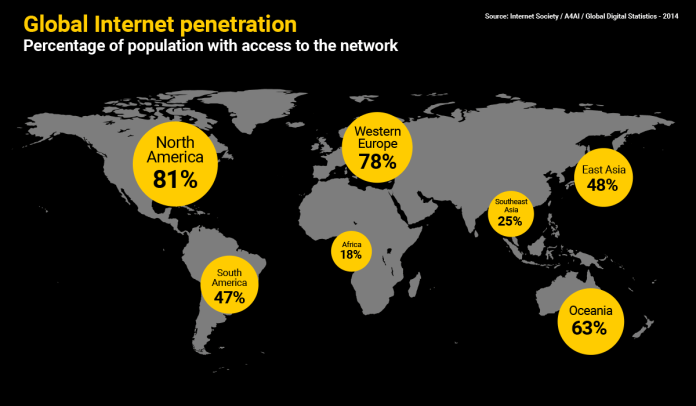
Internet access in Africa has gone from a near-zero baseline in the 1990s to reaching more than half the continent’s population in 2025. This transformation, while uneven across countries, has reshaped economies, opened up global connectivity, and spurred innovation across sectors. Here’s a look at how internet penetration in Africa has evolved — and where it’s headed.


1. Historical Growth: From 0% to Over 50% in 30 Years

📊 Internet Penetration in Africa (% of population)

YearPenetration Rate
2000~0.5%
2005~2.5%
2010~10%
2015~27%
2020~43%
2023~48%
2025~53–55% (est.)

🕰️ Key Historical Milestones

  • Early 2000s: Internet access limited to urban elites, often through cyber cafes and slow dial-up.
  • 2008–2010: Undersea cable boom (SEACOM, EASSy, MainOne) drives down costs and boosts speed.
  • 2010s: Rapid mobile phone adoption turns the mobile internet into the default mode of access.
  • 2020–2022: COVID-19 accelerates digital uptake across sectors like health, education, and payments.

By 2025, more than half of Africa’s population — over 700 million people — is projected to be online.


2. Regional Breakdown: Uneven Progress

Internet access varies widely across regions and countries due to infrastructure, policy, and economic factors.

🌍 Top Performing Countries (2025)

CountryInternet Penetration
Kenya~80%
South Africa~75%
Nigeria~65%
Morocco~75%
Egypt~70%

⚠️ Low-Penetration Countries

CountryInternet Penetration
Chad<20%
Central African Rep<15%
DRC~25%
South Sudan<10%

In rural and landlocked areas, the gap is even wider due to infrastructure deficits and high costs.


3. Key Drivers of Internet Penetration Growth

📱 Mobile Internet

  • Over 95% of internet users in Africa connect via mobile phones.
  • The drop in smartphone prices (some now <$50) has widened access.

📡 Undersea Cables and Backbone Networks

  • More than 15 undersea cables now serve Africa, up from just one in the early 2000s.
  • Inland fiber backbones and satellite networks (like Starlink) are filling remaining gaps.

🌐 Social Media and Apps

  • Platforms like WhatsApp, Facebook, and TikTok drive daily internet use, especially among youth.
  • Zero-rated services and social bundles make internet use affordable even on small budgets.

💸 Fintech and Mobile Money

  • Mobile financial services (like M-Pesa) incentivize digital literacy and phone ownership.

🏫 Digital Public Services

  • E-government platforms for IDs, tax filing, health records, and education fuel broader internet engagement.

4. Key Barriers Slowing Universal Access

Despite progress, major challenges remain:

⚠️ Affordability

  • Data costs in Africa remain among the highest in the world relative to income.
  • The “1 for 2” goal (1GB data = no more than 2% of monthly income) has not been met in many countries.

Power and Infrastructure

  • Lack of reliable electricity hinders connectivity, especially in rural and peri-urban areas.

📵 Digital Literacy

  • Many people still lack the skills or confidence to use digital tools, especially older populations.

🚫 Gender and Social Gaps

  • Women and rural residents are less likely to be online due to social, cultural, and economic barriers.

5. Future Projections: 2025–2035

Africa’s internet user base is expected to grow by 200–300 million over the next decade. Several trends are shaping this future:

🔮 Projections

YearEstimated Internet Penetration
2025~53–55%
2030~65–70%
2035~80%

By 2035, the majority of African countries are expected to reach near-universal access (urban and rural), driven by a combination of:

  • Cheaper smartphones and data plans
  • Expanded 4G and 5G networks
  • Satellite internet services reaching remote regions
  • Digital skills programs and school-based access
  • Public Wi-Fi and community connectivity projects

6. Big Tech and Government Initiatives Fueling Growth

🏢 Tech Giants

  • Google: Equiano cable, Android One, digital skills training
  • Meta (Facebook): 2Africa cable, Express Wi-Fi, Free Basics
  • Starlink (SpaceX): LEO satellites offering broadband to underserved areas
  • Microsoft/AWS: Cloud regions and digital skilling initiatives

🏛️ Government Strategies

  • National broadband plans in countries like Rwanda, Ghana, and Kenya
  • Universal Service Funds (USFs) supporting rural coverage
  • Public-private partnerships to build last-mile connectivity

7. What Needs to Happen Next

To ensure sustainable and inclusive internet growth, these actions are key:

  1. Lower the cost of devices and data
  2. Invest in rural and last-mile networks
  3. Enforce open access and competitive telecom regulation
  4. Promote digital literacy across all age groups
  5. Build resilient power infrastructure to support networks

Conclusion

Africa’s internet penetration journey has gone from near zero to over 50% in just two decades. The growth has enabled digital entrepreneurship, improved access to information, and opened up global opportunities for millions.

But with nearly half the population still offline, the next chapter must focus on inclusion, affordability, and infrastructure reach. If these challenges are met, Africa will not just connect to the internet — it will shape the next era of digital innovation.


E-commerce SEO 101: How to Drive Traffic to Your African Online Shop

Search Engine Optimization (SEO) is essential for driving organic traffic to your e-commerce website. By optimizing your online shop for search engines, you can increase visibility, attract potential customers, and boost sales. Here’s a comprehensive guide to e-commerce SEO tailored for African online shops.

1. Understanding E-commerce SEO

What is E-commerce SEO?

E-commerce SEO involves optimizing your online store’s content, structure, and technical elements to improve its rankings on search engine results pages (SERPs). The goal is to attract more visitors and convert them into customers.

2. Keyword Research

Identify Relevant Keywords

  • Long-Tail Keywords: Focus on long-tail keywords that are specific to your products (e.g., “buy handmade African jewelry online”) as they tend to have less competition and higher conversion rates.
  • Local Keywords: Incorporate local terms that reflect your target audience’s geography (e.g., “fashion store in Lagos”).

Tools for Keyword Research

  • Google Keyword Planner: Use this tool to find keyword ideas and search volumes.
  • Ubersuggest: A user-friendly tool that provides keyword suggestions and SEO insights.
  • AnswerThePublic: Helps you discover questions people are asking about your niche.

3. On-Page SEO

Optimize Product Pages

  • Title Tags: Include primary keywords in your product titles and ensure they are compelling and descriptive.
  • Meta Descriptions: Write clear, persuasive meta descriptions that include relevant keywords to encourage clicks.
  • Product Descriptions: Use unique, keyword-rich descriptions that highlight the benefits and features of your products. Avoid duplicate content.

Use High-Quality Images

  • Image Optimization: Use descriptive file names and alt text for images, incorporating relevant keywords to improve search visibility.
  • Fast Loading Times: Optimize images to reduce file size and enhance page loading speed, as this affects user experience and SEO.

URL Structure

  • Clean URLs: Use simple, descriptive URLs that include keywords (e.g., www.yourstore.com/handmade-jewelry).
  • Avoid Special Characters: Keep URLs free from special characters and numbers where possible.

4. Technical SEO

Mobile Optimization

  • Responsive Design: Ensure your website is mobile-friendly, as many users shop on their mobile devices.
  • Mobile Page Speed: Optimize loading times for mobile devices to enhance user experience.

Site Structure and Navigation

  • Clear Navigation: Create a user-friendly navigation structure that allows visitors to easily find products.
  • Sitemap: Submit an XML sitemap to search engines to help them index your site effectively.

Secure Your Site

  • HTTPS: Ensure your website uses HTTPS to protect user data and improve trustworthiness.

5. Content Marketing

Create Valuable Content

  • Blog Posts: Write informative blog posts related to your products and industry. This can help attract organic traffic and establish authority in your niche.
  • Guides and Tutorials: Create how-to guides or tutorials that showcase your products in use, helping potential customers see their value.

Leverage User-Generated Content

  • Customer Reviews: Encourage customers to leave reviews on product pages, as positive feedback can enhance credibility and SEO.
  • Social Proof: Showcase user-generated content from social media to build community and trust.

6. Off-Page SEO

Build Quality Backlinks

  • Guest Blogging: Write guest posts for relevant blogs to earn backlinks to your site.
  • Collaborate with Influencers: Partner with local influencers to promote your products and generate links back to your site.

Social Media Engagement

  • Promote Content: Share your content on social media platforms to increase visibility and drive traffic to your online shop.
  • Engage with Followers: Actively engage with your audience on social media to build relationships and encourage shares.

7. Monitor and Analyze

Use Analytics Tools

  • Google Analytics: Track website traffic, user behavior, and conversion rates to understand how visitors interact with your site.
  • Google Search Console: Monitor your site’s performance in search results, identify indexing issues, and track keyword rankings.

Adjust Strategies

  • A/B Testing: Experiment with different titles, descriptions, and content to see what resonates best with your audience.
  • Continuous Improvement: Regularly review your SEO strategies and make adjustments based on performance data and changing trends.

Conclusion

Implementing effective e-commerce SEO strategies is crucial for driving traffic to your African online shop. By focusing on keyword research, on-page and technical SEO, and content marketing, you can enhance your store’s visibility and attract more customers. Stay committed to optimizing your site and adapting to evolving SEO trends to achieve long-term success in the competitive e-commerce landscape.

Dropshipping in Africa: How to Start a Dropshipping Business (Step-by-Step)

Dropshipping is an increasingly popular business model that allows entrepreneurs to sell products online without holding inventory. This guide will walk you through the steps to start a successful dropshipping business in Africa.

1. Understand Dropshipping

What is Dropshipping?

  • Business Model: In dropshipping, you sell products through your online store, but the supplier handles inventory and shipping directly to customers.
  • Low Overhead Costs: You don’t need to invest heavily in inventory upfront, making it a low-risk option for new entrepreneurs.

2. Choose Your Niche

Identify a Profitable Niche

  • Market Research: Analyze market trends, consumer needs, and potential competition to find a niche that interests you and has demand.
  • Focus on Local Needs: Consider local preferences, cultural factors, and trends in your area to identify products that resonate with your target audience.

Validate Your Ideas

  • Competitor Analysis: Look at existing dropshipping businesses in your niche to understand their offerings and strategies.
  • Customer Feedback: Engage with potential customers through social media or surveys to gauge interest in your product ideas.

3. Find Reliable Suppliers

Research Suppliers

  • Global Platforms: Use platforms like AliExpress, Oberlo, or SaleHoo to find suppliers that offer dropshipping services.
  • Local Suppliers: Consider partnering with local manufacturers or wholesalers to reduce shipping times and costs.

Evaluate Suppliers

  • Quality Assurance: Order samples to assess product quality and ensure it meets your standards.
  • Communication: Choose suppliers with good communication channels and responsive customer service.

4. Set Up Your Online Store

Choose an E-commerce Platform

  • Shopify: A user-friendly platform ideal for dropshipping with built-in features for managing products and orders.
  • WooCommerce: A flexible WordPress plugin that allows for extensive customization if you have some technical skills.
  • Local Marketplaces: Consider listing your products on established platforms like Jumia or Konga.

Design Your Store

  • User-Friendly Interface: Ensure your website is easy to navigate with clear product categories and search functionality.
  • High-Quality Images: Use professional images and compelling product descriptions to attract customers.

5. Implement Payment Solutions

Set Up Payment Gateways

  • Local Options: Integrate popular payment gateways used in your region, such as Paystack or Flutterwave, to facilitate secure transactions.
  • International Payments: Ensure your platform supports international payments if you plan to sell beyond Africa.

6. Market Your Dropshipping Business

Build an Online Presence

  • Social Media Marketing: Promote your products on platforms like Instagram, Facebook, and Twitter to reach your target audience.
  • Content Marketing: Create valuable content related to your niche to attract potential customers and improve SEO.

Use Paid Advertising

  • Social Media Ads: Utilize targeted advertising on platforms like Facebook and Instagram to drive traffic to your store.
  • Google Ads: Consider using Google Ads to reach customers actively searching for products in your niche.

7. Manage Orders and Customer Service

Order Fulfillment

  • Automated Systems: Use software that automates order processing and communicates with suppliers to streamline fulfillment.
  • Track Shipments: Provide customers with tracking information to keep them informed about their orders.

Customer Support

  • Responsive Communication: Offer prompt responses to customer inquiries via email, chat, or social media.
  • Return and Refund Policies: Clearly outline your return and refund policies to manage customer expectations.

8. Monitor and Optimize

Analyze Performance

  • Use Analytics Tools: Track website traffic, conversion rates, and sales performance using tools like Google Analytics.
  • Customer Feedback: Gather feedback to identify areas for improvement and adapt your offerings accordingly.

Scale Your Business

  • Expand Product Range: Once established, consider adding more products or diversifying into related niches.
  • Explore New Markets: Look for opportunities to expand into new regions or countries within Africa.

Conclusion

Starting a dropshipping business in Africa can be a lucrative venture with the right strategies and dedication. By following this step-by-step guide, you can navigate the complexities of the dropshipping model and build a successful online store. Focus on providing value to your customers and continuously optimizing your business to achieve long-term success.

Cross-Border E-commerce: Strategies for Selling Across Africa and Beyond

Cross-border e-commerce presents significant opportunities for African entrepreneurs looking to expand their market reach. By selling products beyond local borders, businesses can tap into new customer bases and increase revenue. Here are effective strategies for successfully navigating cross-border e-commerce in Africa and beyond.

1. Understand Local Markets

Market Research

  • Consumer Preferences: Research the preferences, buying behaviors, and cultural differences of target markets to tailor your offerings.
  • Competitor Analysis: Study local competitors to understand pricing, product range, and marketing strategies.

Regulatory Compliance

  • Import and Export Regulations: Familiarize yourself with the import/export laws of the countries you plan to sell in, including tariffs and customs duties.
  • Taxation: Understand the tax implications of selling across borders, including VAT and other local taxes.

2. Optimize Your Online Presence

Localized Websites

  • Language and Currency: Consider creating localized versions of your website that cater to different languages and currencies.
  • Cultural Relevance: Adapt your content and marketing materials to resonate with local cultures and customs.

SEO and Marketing

  • Localized SEO: Use keywords relevant to the local market to improve search engine visibility.
  • Social Media Marketing: Leverage local social media platforms and influencers to build brand awareness and engage potential customers.

3. Choose the Right E-commerce Platform

Multi-Channel Selling

  • Marketplaces: Consider selling on popular regional marketplaces (e.g., Jumia, Konga) that provide access to a larger audience.
  • Your Own Website: Set up an e-commerce website that supports cross-border transactions and integrates with various payment gateways.

Payment Solutions

  • Diverse Payment Options: Offer multiple payment methods that are popular in target markets, such as mobile payments, credit cards, and PayPal.
  • Secure Transactions: Ensure that your payment gateways are secure to build trust with international customers.

4. Logistics and Fulfillment

Shipping Solutions

  • Reliable Logistics Partners: Partner with reputable logistics companies that specialize in cross-border shipping to ensure timely delivery.
  • Transparent Shipping Policies: Clearly communicate shipping costs, delivery times, and return policies to manage customer expectations.

Warehousing Options

  • Local Warehousing: Consider using fulfillment centers in target regions to reduce shipping times and costs.
  • Dropshipping: Explore dropshipping as a model to minimize inventory risks while reaching international customers.

5. Customer Support and After-Sales Service

Multilingual Support

  • Language Options: Offer customer support in the local language to improve communication and enhance customer satisfaction.
  • Responsive Service: Provide timely responses to inquiries and resolve issues promptly to build trust and loyalty.

Return Policies

  • Clear Return Guidelines: Establish clear return and refund policies that comply with local regulations and customer expectations.
  • Easy Returns: Make the return process as seamless as possible to encourage customers to shop with confidence.

6. Marketing and Brand Building

Targeted Advertising

  • Social Media Campaigns: Use targeted advertising on platforms like Facebook, Instagram, and local channels to reach specific demographics.
  • Influencer Collaborations: Partner with local influencers to promote your products and enhance brand visibility.

Content Marketing

  • Educational Content: Create blog posts, videos, and infographics that educate potential customers about your products and their benefits.
  • User-Generated Content: Encourage customers to share their experiences and reviews to build social proof and trust.

7. Monitor and Adapt

Analytics and Performance Tracking

  • Sales Data Analysis: Use analytics tools to track sales performance, customer behavior, and market trends.
  • Feedback Loop: Gather feedback from customers to identify areas for improvement and adapt your strategies accordingly.

Stay Informed

  • Industry Trends: Keep up with emerging trends in e-commerce, technology, and consumer behavior to remain competitive.
  • Regulatory Changes: Stay updated on changes in regulations that may affect cross-border selling.

Conclusion

Cross-border e-commerce offers immense potential for African entrepreneurs to expand their businesses and reach new markets. By understanding local markets, optimizing your online presence, and implementing effective logistics and marketing strategies, you can successfully navigate the complexities of selling across borders. Embrace the opportunities that cross-border e-commerce presents to grow your business and contribute to the dynamic African economy.

The Rise of African Data Centers: 2025 Overview and Future Outlook

The Rise of African Data Centers

Africa’s digital landscape is rapidly maturing, and data centers are now at the core of this transformation. As the continent’s demand for cloud services, content hosting, and local data storage surges, data centers have gone from a niche concept to a critical pillar of digital infrastructure.

Here’s a breakdown of where things stand in 2025 — and what the future holds for Africa’s data center industry.


Why Data Centers Matter

Data centers are facilities that house computing infrastructure — servers, storage systems, and networking gear — that process and store digital information. Without them, cloud computing, streaming, online banking, mobile apps, and government digital services don’t work.

In Africa, the rise of data centers is addressing long-standing issues like:

  • High latency (from routing traffic through Europe or Asia)

  • Costly international bandwidth

  • Data sovereignty concerns

  • Lack of reliable infrastructure for local tech startups


Snapshot: Africa’s Data Center Market in 2025

📊 Estimated Capacity:

  • Over 300 MW of operational data center power capacity across the continent.

  • Projected to cross 600 MW by 2030, according to industry forecasts.

📈 Growth Rate:

  • CAGR of over 15% in most key markets.

  • Nigeria, Kenya, Egypt, and South Africa are leading the way.

🗺️ Top Data Center Hubs:

  • South Africa (Johannesburg, Cape Town) – Largest and most mature market.

  • Nigeria (Lagos) – Fast-growing, backed by fintech boom and startup ecosystem.

  • Kenya (Nairobi) – Regional hub for East Africa, strong government and private investment.

  • Egypt (Cairo) – Key bridge between Africa and the Middle East/Europe.


Key Drivers of Growth

1. Cloud Adoption

Microsoft Azure, Amazon Web Services (AWS), and Google Cloud are expanding their African footprints. Local demand for cloud hosting is pushing investment in edge data centers and cloud regions.

2. Regulatory Push for Data Localization

Countries like Nigeria and South Africa are pushing data residency laws, requiring certain data to be stored domestically.

3. Streaming, Social Media & Mobile Apps

Content from Netflix, YouTube, TikTok, and Meta needs to be cached and delivered locally to improve performance. This is increasing demand for local data centers.

4. Tech Startup Ecosystem

African startups — especially in fintech, healthtech, and edtech — require reliable hosting that minimizes downtime and keeps user data local.

5. International Investment

Private equity, sovereign wealth funds, and international operators are pouring money into African data infrastructure.


Major Players in 2025

🌍 Africa Data Centres (ADC)

  • Owned by Cassava Technologies (part of Liquid Intelligent Technologies)

  • Facilities in South Africa, Nigeria, Kenya, and planned expansions into Rwanda and DRC.

🏢 Teraco (South Africa)

  • Africa’s largest and most interconnected data center operator.

  • Acquired by Digital Realty, giving it global reach.

🏢 Raxio Group

  • Focused on Tier III facilities across East and Central Africa.

  • Operational centers in Uganda and Ethiopia, with projects underway in Côte d’Ivoire and Mozambique.

🏢 Open Access Data Centres (OADC)

  • Building modular, edge, and hyperscale-ready facilities across emerging African markets.

🏢 PAIX, IXAfrica, Wingu.africa

  • Regional players building interconnection-focused centers to support local ISPs and enterprises.


Edge vs Hyperscale: Two Growth Models

  • Hyperscale centers (like Teraco and ADC) serve global cloud giants and multinationals.

  • Edge data centers are smaller facilities closer to users, crucial for areas with unreliable connectivity or poor latency.

Trend: A hybrid approach is emerging — hyperscale hubs in capitals, edge centers in secondary cities.


Challenges Holding the Sector Back

Even as growth accelerates, Africa’s data center industry still faces obstacles:

🔌 Power Reliability

Many countries lack stable electricity. Operators rely heavily on diesel generators and battery backups — increasing costs and emissions.

🏗️ High Build Costs

Data center construction is capital-intensive, and financing can be hard to secure in risk-prone markets.

📜 Regulatory Complexity

Cross-border digital policies, lack of harmonized data protection laws, and import taxes on equipment slow deployment.

👷 Talent Shortage

Data center operations need skilled technicians and engineers, but there’s a shortage of specialized labor in many countries.


Sustainability and Green Energy

With growing awareness around climate impact, African data centers are beginning to focus on:

  • Solar and renewable energy integration (especially in Kenya and South Africa)

  • Energy-efficient cooling systems (like water-cooled or modular designs)

  • Carbon offsetting and emissions tracking

In 2025, green data centers are becoming a market differentiator.


Future Outlook: What’s Ahead (2025–2030)

🔮 1. Cloud Regions Across More Countries

Expect AWS, Azure, and Google Cloud to expand full-fledged regions in markets like Nigeria, Egypt, and Kenya — not just edge zones.

🔮 2. Regional Interconnection

More IXPs (Internet Exchange Points) and peering across countries will improve efficiency and reduce data routing through Europe.

🔮 3. Expansion into Francophone and Central Africa

Places like Senegal, Côte d’Ivoire, Cameroon, and DRC are next in line for investment as regional infrastructure improves.

🔮 4. Smart Cities and 5G Integration

Data centers will underpin smart infrastructure, IoT, and 5G rollouts, especially in high-density urban areas.

🔮 5. AI Workloads and Digital Health

As AI and big data become mainstream, local data processing will become even more critical — particularly for health, agriculture, and logistics.


Conclusion

In 2025, African data centers are no longer just an emerging idea — they’re an essential part of the continent’s digital economy. Their growth is enabling everything from cloud computing and e-commerce to streaming and AI.

While challenges remain — especially around power, regulation, and investment risk — the trajectory is clear. Africa is building the backbone it needs to support a connected, competitive, and resilient digital future.

Social Commerce in Africa: Selling on Instagram, Facebook & WhatsApp for Beginners

Social media platforms are transforming the way businesses engage with customers and sell products in Africa. With the rise of social commerce, entrepreneurs can leverage platforms like Instagram, Facebook, and WhatsApp to reach their audience directly and boost sales. Here’s a beginner’s guide to getting started with social commerce in Africa.

1. Understanding Social Commerce

What is Social Commerce?

Social commerce refers to the use of social media platforms to facilitate online buying and selling. It combines social interaction with e-commerce, allowing businesses to showcase their products, engage with customers, and drive sales directly through social channels.

Why Social Commerce is Important in Africa

  • Growing User Base: Millions of Africans are active on social media, making it an ideal space for reaching potential customers.
  • Mobile-First Environment: Many users access social media primarily through mobile devices, which aligns well with e-commerce growth in the region.
  • Influencer Culture: The popularity of influencers in Africa can significantly enhance brand visibility and credibility.

2. Getting Started with Selling on Social Media

Step 1: Choose Your Platform

  • Instagram: Ideal for visually appealing products, fashion, beauty, and lifestyle brands.
  • Facebook: Great for reaching diverse demographics and utilizing group features for community engagement.
  • WhatsApp: Perfect for direct communication, customer service, and personalized sales.

Step 2: Set Up Your Business Profile

  • Create a Business Account: Use a business account on Instagram and Facebook to access analytics and advertising tools.
  • Optimize Your Profile:
    • Use a clear profile picture (like your logo).
    • Write a compelling bio that describes your business and includes a call to action.
    • Add a link to your website or e-commerce store.

Step 3: Build Your Audience

  • Content Strategy: Share high-quality images, videos, and stories that showcase your products. Use a consistent style and voice.
  • Engagement: Respond to comments and messages promptly, and actively engage with your followers to build relationships.
  • Hashtags: Use relevant hashtags to increase the visibility of your posts and reach a wider audience.

3. Selling on Each Platform

Selling on Instagram

  • Shoppable Posts: Set up Instagram Shopping to tag products directly in your posts, allowing users to view product details and make purchases.
  • Stories and Reels: Use Instagram Stories and Reels to showcase products creatively and engage followers through polls, questions, and behind-the-scenes content.
  • Influencer Collaborations: Partner with influencers to promote your products and reach their followers.

Selling on Facebook

  • Facebook Shop: Create a Facebook Shop to display your products directly on your page, allowing customers to browse and make purchases without leaving the platform.
  • Groups and Communities: Join or create groups related to your niche to engage with potential customers and promote your products.
  • Live Selling: Use Facebook Live to showcase products in real-time, answer questions, and create a sense of urgency.

Selling on WhatsApp

  • Business Profile: Set up a WhatsApp Business account with your business details, including hours, location, and product catalog.
  • Direct Communication: Use WhatsApp for personalized customer interactions, providing instant support and answering queries.
  • Broadcast Lists: Create broadcast lists to send promotions, updates, and offers to multiple customers at once.

4. Payment and Logistics

Payment Options

  • Mobile Payment Solutions: Integrate popular payment platforms like Paystack, Flutterwave, or local bank transfer options to facilitate secure transactions.
  • Cash on Delivery: Consider offering cash on delivery as an option, especially in regions where online payments are less common.

Logistics and Fulfillment

  • Shipping Partners: Collaborate with reliable logistics companies for timely delivery of products.
  • Clear Policies: Communicate shipping costs, delivery times, and return policies transparently to build trust with customers.

5. Measuring Success

Analytics and Insights

  • Track Engagement: Use platform analytics to monitor engagement rates, follower growth, and sales conversions.
  • Adjust Strategies: Analyze what content resonates best with your audience and adjust your marketing strategies accordingly.

Customer Feedback

  • Collect Reviews: Encourage customers to leave reviews and feedback to improve your offerings and build credibility.
  • Adapt to Trends: Stay updated on market trends and customer preferences to refine your product offerings and marketing strategies.

Conclusion

Social commerce presents a significant opportunity for African entrepreneurs to connect with customers and drive sales through popular platforms like Instagram, Facebook, and WhatsApp. By understanding the unique features of each platform and implementing effective strategies, you can successfully launch and grow your business in the social commerce space. Embrace this digital shift to enhance your brand visibility and engage with your audience in meaningful ways.