Home Blog Page 323

How to Tie a Gele Headwrap – Step-by-Step Guide

Here’s a step-by-step guide on how to tie a gele headwrap:

Step 1: Choose Your Fabric

  • Select a gele fabric: Traditional gele is often made from stiff materials. Choose a vibrant color or pattern.

Step 2: Prepare Your Hair

  • Style your hair: Make sure your hair is neatly groomed. You can either braid it, put it in a bun, or leave it down.

Step 3: Fold the Gele

  • Fold the fabric in half: This creates a long, narrow strip that will be easier to work with.

Step 4: Position the Gele

  • Place the gele on your head: Position the center of the folded fabric at the back of your head, with the ends hanging down in front.

Step 5: Cross the Ends

  • Bring the ends to the front: Cross the ends of the fabric over your forehead.

Step 6: Twist the Ends

  • Twist the ends: Take each end and twist them around each other, moving towards the back of your head.

Step 7: Secure the Gele

  • Tuck and pin: Once you reach the back, tuck the ends under the base of the gele. Use hairpins to secure it in place.

Step 8: Adjust the Shape

  • Shape the gele: Use your fingers to adjust and shape the front to create the desired look. Make sure it sits flat and looks neat.

Step 9: Final Touches

  • Check for balance: Ensure both sides are even and the gele is secure. Make any necessary adjustments.

Step 10: Style the Look

  • Accessorize: Add earrings or other accessories to complete your outfit.

Conclusion

With practice, tying a gele can become a quick and elegant addition to your look. Enjoy experimenting with different styles and colors!

50 Latest Ankara Styles for 2025 (Trending Fashion Designs)

Here are some trending Ankara styles for 2025 that you might consider:

1. Off-Shoulder Dresses

  • Elegant and stylish, perfect for casual or formal events.

2. Peplum Tops

  • Flattering and feminine, ideal for pairing with skirts or trousers.

3. Ankara Jumpsuits

  • Comfortable and chic, perfect for both day and evening wear.

4. Maxi Dresses

  • Flowing and versatile, suitable for various occasions.

5. High-Low Hem Skirts

  • Trendy and stylish, offering a unique silhouette.

6. Ankara Blazers

  • Perfect for adding a pop of color to office wear.

7. Layered Ankara Gowns

  • Multi-layered designs for a dramatic effect.

8. Wrap Dresses

  • Easy to wear and flattering for all body types.

9. Bodysuits

  • Trendy and versatile for mixing with different bottoms.

10. Ankara Trousers

  • Stylish and comfortable, suitable for both casual and formal settings.

11. Two-Piece Sets

  • Coordinating tops and skirts or trousers for a polished look.

12. Asymmetrical Dresses

  • Unique cuts for a modern flair.

13. Ankara Kimonos

  • Lightweight and perfect for layering over outfits.

14. Balloon Sleeve Tops

  • Dramatic sleeves for a trendy statement.

15. Flared Pants

  • Retro-inspired and stylish for a chic look.

16. Midi Skirts

  • Perfect for pairing with fitted tops for a balanced silhouette.

17. Ankara Tunics

  • Versatile for layering over jeans or leggings.

18. Sheath Dresses

  • Fitted and elegant, great for formal occasions.

19. Crop Tops

  • Stylish and trendy, ideal for pairing with high-waisted bottoms.

20. Pleated Skirts

  • Adds texture and movement to outfits.

21. Ruffled Hem Dresses

  • Feminine and playful designs.

22. Ankara Kimono Jackets

  • Stylish outerwear for any outfit.

23. Pencil Skirts

  • Classic and elegant, suitable for office wear.

24. Layered Maxi Skirts

  • Dynamic and full, perfect for a statement look.

25. Ankara Playsuits

  • Fun and playful for casual outings.

26. Vintage-Inspired Styles

  • Retro cuts with modern Ankara prints.

27. Oversized Shirts

  • Comfortable and trendy for a relaxed look.

28. Culottes

  • Chic and comfortable wide-legged pants.

29. Halter Neck Dresses

  • Stylish and great for summer events.

30. Long Cardigans

  • Perfect for layering in cooler weather.

31. Ankara Shawls

  • Great for adding a touch of style to any outfit.

32. Kimono Sleeves

  • Elegant and flowy for a feminine touch.

33. Patchwork Designs

  • Unique combinations of different prints.

34. Fringe Details

  • Adds texture and interest to outfits.

35. Color-Blocked Styles

  • Combining different colors for a bold look.

36. Tailored Ankara Suits

  • Sharp and professional for business settings.

37. Ankara Vests

  • Stylish layering pieces for various outfits.

38. Belted Dresses

  • Define the waist for a flattering silhouette.

39. Graphic Prints

  • Bold and eye-catching designs.

40. Mini Skirts

  • Playful and perfect for casual outings.

41. Choker Necklines

  • Trendy details for a modern look.

42. Ankara Accessories

  • Bags, headwraps, and shoes to complement outfits.

43. Maternity Styles

  • Comfortable and stylish options for expectant mothers.

44. Ankara Face Masks

  • Fashionable protective gear.

45. Layered Tops

  • Adds dimension and style.

46. Bohemian Styles

  • Relaxed and flowing designs.

47. Sporty Looks

  • Combining Ankara with athleisure for a trendy vibe.

48. Elegant Gowns

  • For formal events, featuring intricate designs.

49. Ankara Kids Wear

  • Stylish options for children’s fashion.

50. Customized Pieces

  • Tailored outfits that reflect personal style.

Conclusion

These Ankara styles for 2025 showcase a blend of tradition and modern fashion trends, perfect for various occasions. Explore different combinations to express your unique style!

Effective Mosquito Control at Home to Prevent Malaria

Here are some effective strategies for mosquito control at home to help prevent malaria:

1. Eliminate Standing Water

  • Action: Regularly check and remove standing water in containers, gutters, and plant pots.
  • Benefit: Mosquitoes breed in stagnant water; reducing these sources limits their population.

2. Use Mosquito Screens

  • Action: Install screens on windows and doors to keep mosquitoes out.
  • Benefit: Provides a barrier while allowing fresh air in.

3. Apply Insect Repellents

  • Action: Use EPA-approved insect repellents containing DEET, picaridin, or oil of lemon eucalyptus on exposed skin.
  • Benefit: Protects against mosquito bites when outdoors.

4. Use Mosquito Nets

  • Action: Sleep under insecticide-treated bed nets, especially during the night.
  • Benefit: Reduces the risk of bites while sleeping.

5. Maintain Your Yard

  • Action: Trim bushes, mow lawns, and remove debris where mosquitoes can rest.
  • Benefit: Reduces hiding places for adult mosquitoes.

6. Introduce Natural Predators

  • Action: Encourage birds, bats, and dragonflies in your garden.
  • Benefit: These natural predators help control mosquito populations.

7. Use Mosquito Traps

  • Action: Set up mosquito traps that attract and capture them.
  • Benefit: Reduces adult mosquito numbers in your vicinity.

8. Plant Mosquito-Repellent Plants

  • Action: Grow plants like citronella, marigold, and lavender around your home.
  • Benefit: These plants naturally repel mosquitoes.

9. Use Insecticides Wisely

  • Action: Apply insecticides in areas where mosquitoes are likely to breed or rest, following the manufacturer’s instructions.
  • Benefit: Targets mosquitoes effectively while minimizing harm to beneficial insects.

10. Educate Your Community

  • Action: Work with neighbors to promote awareness and collective mosquito control efforts.
  • Benefit: A community approach can significantly reduce mosquito populations.

Conclusion

Implementing these strategies can help control mosquito populations and reduce the risk of malaria. Regular maintenance and preventive measures are key to keeping your home mosquito-free.

Keto Diet Plan with Nigerian Foods (Low-Carb Local Meals)

Here’s a keto diet plan featuring Nigerian foods that are low in carbs:

Breakfast Options

  1. Eggs and Spinach
    • Scramble eggs with spinach and a bit of palm oil.
  2. Keto Moi Moi
    • Steam blended beans with peppers, onions, and spices; skip the traditional additions like plantain.
  3. Avocado and Sardines
    • Mash avocado and mix with canned sardines; season with lime juice and spices.

Lunch Options

  1. Efo Riro (Vegetable Soup)
    • Made with spinach or other leafy greens, cooked with protein (like chicken or fish) and palm oil, served without rice.
  2. Grilled Chicken with Pepper Sauce
    • Marinate chicken in spices and grill; serve with a side of bell pepper sauce.
  3. Nkwobi
    • Cow foot dish cooked with spicy palm oil sauce; enjoy without the traditional side of ugba.

Dinner Options

  1. Peppered Fish
    • Grilled or fried fish seasoned with pepper sauce; serve with a side of sautéed vegetables.
  2. Okra Soup
    • Cook okra with meat or fish and spices; enjoy without fufu.
  3. Keto Jollof Rice
    • Use cauliflower rice instead of regular rice, cooked with tomatoes, peppers, and spices.

Snacks

  1. Nuts
    • A handful of almonds or walnuts.
  2. Coconut Chips
    • Dried coconut slices, unsweetened.
  3. Peppered Suya
    • Spicy beef skewers, seasoned with local spices.

Drinks

  • Zobo (Hibiscus Tea)
    • Make without added sugars.
  • Green Tea
  • Lemon Water

Tips

  • Focus on high-fat, low-carb ingredients.
  • Incorporate plenty of leafy greens and healthy fats (like palm oil and avocados).
  • Avoid starchy foods such as rice, yam, and plantains.

Conclusion

This keto meal plan offers delicious Nigerian dishes while keeping carbs low. Adjust portion sizes and ingredients according to your dietary needs and preferences. Enjoy your meals!

Natural Remedies for Hair Loss (Regrow Hair Naturally)

Here are some effective natural remedies to help promote hair regrowth and combat hair loss:

1. Aloe Vera

  • How to Use: Apply fresh aloe vera gel directly to the scalp and leave it on for about 30 minutes before rinsing.
  • Benefit: Soothes the scalp and conditions hair, promoting growth.

2. Coconut Oil

  • How to Use: Massage warm coconut oil into your scalp and hair, leaving it on for a few hours or overnight.
  • Benefit: Nourishes hair and reduces protein loss, preventing damage.

3. Onion Juice

  • How to Use: Apply onion juice to the scalp, leave it on for 30 minutes, then wash your hair.
  • Benefit: Rich in sulfur, it boosts collagen production and helps with hair regrowth.

4. Rosemary Oil

  • How to Use: Mix a few drops of rosemary essential oil with a carrier oil (like coconut or olive oil) and massage into the scalp.
  • Benefit: Stimulates blood circulation and promotes hair growth.

5. Fenugreek Seeds

  • How to Use: Soak fenugreek seeds overnight, grind them into a paste, and apply to the scalp for 30 minutes.
  • Benefit: Rich in proteins and nicotinic acid, it strengthens hair and encourages growth.

6. Castor Oil

  • How to Use: Massage castor oil onto the scalp and hair, leaving it on for a few hours before washing.
  • Benefit: High in ricinoleic acid, it nourishes hair and promotes growth.

7. Peppermint Oil

  • How to Use: Dilute a few drops of peppermint oil in a carrier oil and apply to the scalp.
  • Benefit: Increases blood flow to the scalp, stimulating hair follicles.

8. Bhringraj (Eclipta alba)

  • How to Use: Use bhringraj oil or powder in hair masks or as an oil treatment.
  • Benefit: Traditionally used in Ayurvedic medicine to promote hair growth and reduce hair loss.

9. Green Tea

  • How to Use: Brew green tea, let it cool, and apply it to the scalp. Leave it on for an hour before rinsing.
  • Benefit: Packed with antioxidants, it may stimulate hair growth.

10. Dietary Changes

  • What to Include: Eat a balanced diet rich in vitamins (especially A, C, D, E), minerals (like zinc and iron), and proteins.
  • Benefit: Supports overall hair health and growth.

Conclusion

Incorporating these natural remedies into your routine can help promote hair regrowth and reduce hair loss. Results may vary, and it’s important to be patient and consistent with treatments. If hair loss persists, consider consulting a healthcare professional.

Home Remedies for Stomach Ulcer Pain Relief

Here are some effective home remedies for relieving stomach ulcer pain:

1. Honey

  • How to Use: Consume 1-2 tablespoons of raw honey daily.
  • Benefit: Honey has antibacterial properties and promotes healing.

2. Aloe Vera Juice

  • How to Use: Drink 1/4 cup of aloe vera juice before meals.
  • Benefit: Soothes the stomach lining and reduces inflammation.

3. Cabbage Juice

  • How to Use: Blend fresh cabbage and drink 1 cup of cabbage juice daily.
  • Benefit: Contains compounds that may help heal ulcers.

4. Bananas

  • How to Use: Eat ripe bananas regularly.
  • Benefit: Bananas can help neutralize acidity and coat the stomach lining.

5. Probiotics

  • How to Use: Include yogurt, kefir, or probiotic supplements in your diet.
  • Benefit: Supports gut health and may help prevent ulcer recurrence.

6. Ginger

  • How to Use: Drink ginger tea or chew on ginger slices.
  • Benefit: Ginger has anti-inflammatory properties that can relieve pain and nausea.

7. Turmeric

  • How to Use: Add turmeric to meals or take it as a supplement.
  • Benefit: Curcumin in turmeric has anti-inflammatory and healing properties.

8. Licorice Root

  • How to Use: Drink licorice root tea (DGL) before meals.
  • Benefit: May help protect the stomach lining and promote healing.

9. Slippery Elm

  • How to Use: Mix slippery elm powder with water and drink it.
  • Benefit: Coats the stomach lining and reduces irritation.

10. Avoid Certain Foods

  • What to Avoid: Reduce intake of spicy foods, caffeine, alcohol, and acidic foods.
  • Benefit: Helps minimize irritation and discomfort.

Conclusion

While these remedies can provide relief, it’s essential to consult a healthcare professional for proper diagnosis and treatment of stomach ulcers.

Shea Butter Benefits for Skin and Hair (Natural Moisturizer)

Here are some key benefits of shea butter for skin and hair:

Benefits for Skin

  1. Deep Moisturization
    • Description: Shea butter is an excellent natural moisturizer, providing hydration for dry skin.
    • Benefit: Helps maintain skin elasticity and softness.
  2. Anti-Inflammatory Properties
    • Description: Contains compounds like cinnamic acid that reduce inflammation.
    • Benefit: Can soothe conditions like eczema and psoriasis.
  3. Rich in Antioxidants
    • Description: Packed with vitamins A and E, which protect against free radicals.
    • Benefit: Promotes healthy skin and may reduce signs of aging.
  4. Healing Properties
    • Description: Supports skin regeneration and healing.
    • Benefit: Effective for minor cuts, burns, and skin irritation.
  5. Sun Protection
    • Description: Offers a natural SPF of about 6.
    • Benefit: Provides some protection against UV rays, though not a substitute for sunscreen.

Benefits for Hair

  1. Moisture Retention
    • Description: Acts as a natural conditioner to hydrate and nourish hair.
    • Benefit: Helps prevent dryness and brittleness.
  2. Promotes Hair Growth
    • Description: Rich in fatty acids that nourish the scalp.
    • Benefit: Can encourage healthier hair growth and reduce breakage.
  3. Reduces Frizz
    • Description: Smooths the hair cuticle and adds shine.
    • Benefit: Helps control frizz and flyaways, making hair more manageable.
  4. Scalp Health
    • Description: Moisturizes and soothes the scalp, reducing dryness and irritation.
    • Benefit: Can help alleviate dandruff and promote a healthy scalp environment.
  5. Heat Protection
    • Description: Provides a protective layer against heat damage from styling tools.
    • Benefit: Helps maintain hair integrity when using blow dryers or straighteners.

Conclusion

Shea butter is a versatile natural moisturizer that benefits both skin and hair. Incorporating it into your skincare and haircare routine can lead to improved hydration, health, and overall appearance.

10 Tips for Better Sleep – Improve Your Sleep Hygiene

Here are ten tips to improve your sleep hygiene for better sleep:

1. Maintain a Consistent Sleep Schedule

  • Tip: Go to bed and wake up at the same time every day, even on weekends.
  • Benefit: Helps regulate your body’s internal clock.

2. Create a Relaxing Bedtime Routine

  • Tip: Engage in calming activities before bed, such as reading, taking a warm bath, or practicing relaxation exercises.
  • Benefit: Signals your body that it’s time to wind down.

3. Make Your Sleep Environment Comfortable

  • Tip: Ensure your bedroom is cool, dark, and quiet. Consider using blackout curtains and white noise machines if necessary.
  • Benefit: A comfortable environment promotes better sleep quality.

4. Limit Exposure to Screens

  • Tip: Avoid screens (phones, tablets, TVs) at least an hour before bed to reduce blue light exposure.
  • Benefit: Blue light can interfere with melatonin production and disrupt sleep.

5. Be Mindful of Food and Drink

  • Tip: Avoid large meals, caffeine, and alcohol close to bedtime.
  • Benefit: These can disrupt sleep or cause discomfort during the night.

6. Get Regular Exercise

  • Tip: Aim for at least 30 minutes of moderate exercise most days, but avoid vigorous workouts close to bedtime.
  • Benefit: Regular physical activity can help you fall asleep faster and enjoy deeper sleep.

7. Manage Stress and Anxiety

  • Tip: Practice mindfulness, meditation, or deep breathing exercises to calm your mind before bed.
  • Benefit: Reduces racing thoughts and anxiety that can interfere with sleep.

8. Limit Naps

  • Tip: If you nap, keep it short (20-30 minutes) and avoid napping late in the day.
  • Benefit: Long or late naps can interfere with nighttime sleep.

9. Invest in a Good Mattress and Pillows

  • Tip: Ensure your mattress and pillows provide adequate support and comfort.
  • Benefit: A comfortable bed can significantly improve sleep quality.

10. Seek Professional Help if Needed

  • Tip: If you have persistent sleep issues, consult a healthcare professional or sleep specialist.
  • Benefit: They can provide guidance and treatment options for sleep disorders.

Conclusion

Implementing these tips can lead to improved sleep hygiene and better overall sleep quality. Prioritize your sleep for better health and well-being.

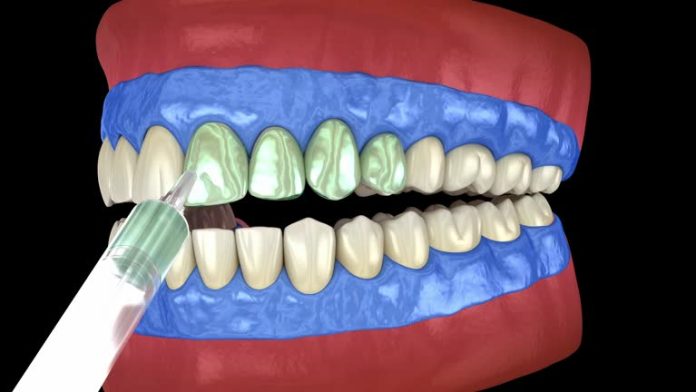
Natural Teeth Whitening Remedies That Really Work

Here are some effective natural remedies for teeth whitening:

1. Baking Soda and Hydrogen Peroxide

  • How to Use: Mix 1 tablespoon of baking soda with 2 tablespoons of hydrogen peroxide to form a paste. Brush your teeth with it for 1-2 minutes, then rinse.
  • Effectiveness: Baking soda is mildly abrasive and can help remove surface stains, while hydrogen peroxide has whitening properties.

2. Coconut Oil Pulling

  • How to Use: Swish 1 tablespoon of coconut oil in your mouth for about 10-15 minutes, then spit it out and rinse.
  • Effectiveness: May reduce plaque and bacteria, leading to a whiter smile.

3. Apple Cider Vinegar

  • How to Use: Dilute 1 tablespoon of apple cider vinegar in a cup of water. Use it as a mouthwash for a few minutes, then rinse your mouth thoroughly.
  • Effectiveness: Its acidity can help remove stains, but use sparingly to avoid enamel erosion.

4. Strawberries and Baking Soda

  • How to Use: Mash a few ripe strawberries and mix with baking soda. Apply the mixture to your teeth for 5 minutes, then brush and rinse.
  • Effectiveness: Strawberries contain malic acid, which can help brighten teeth.

5. Activated Charcoal

  • How to Use: Wet your toothbrush and dip it into activated charcoal powder. Brush your teeth gently for 2-3 minutes, then rinse thoroughly.
  • Effectiveness: Charcoal can absorb stains and toxins, but use it occasionally to avoid enamel wear.

Conclusion

These natural remedies can help whiten teeth effectively and safely. However, results may vary, and it’s essential to maintain good oral hygiene. If you have concerns about tooth sensitivity or enamel health, consult a dentist before trying these methods.

How to Purify Water at Home (Safe Drinking Water Tips)

Here are several methods to purify water at home, ensuring it is safe for drinking:

1. Boiling

  • Method: Boil water for at least 1-3 minutes.
  • Effectiveness: Kills bacteria, viruses, and parasites.
  • Tip: Allow it to cool before drinking or store it in clean containers.

2. Filtration

  • Method: Use a water filter pitcher or faucet-mounted filter.
  • Effectiveness: Removes impurities, chlorine, and some bacteria.
  • Tip: Ensure the filter is certified for removing specific contaminants.

3. Chemical Disinfection

  • Method: Use household bleach (unscented) or iodine.
    • Bleach: Add 8 drops of bleach per gallon of water and let it sit for 30 minutes.
    • Iodine: Follow package instructions for proper dosage.
  • Effectiveness: Kills bacteria and viruses.
  • Tip: Do not use bleach with added fragrances or cleaners.

4. Solar Water Disinfection (SODIS)

  • Method: Fill clear plastic bottles with water and place them in direct sunlight for 6-8 hours.
  • Effectiveness: UV rays kill pathogens.
  • Tip: Ensure bottles are clean and use clear, non-colored plastic.

5. Activated Carbon

  • Method: Use activated carbon filters or water treatment tablets.
  • Effectiveness: Improves taste and removes chemicals and some contaminants.
  • Tip: Replace filters regularly as per manufacturer guidelines.

6. Reverse Osmosis

  • Method: Install a reverse osmosis (RO) system under your sink.
  • Effectiveness: Removes a wide range of contaminants, including heavy metals and salts.
  • Tip: Maintain the system for optimal performance.

7. UV Light Purification

  • Method: Use a UV water purifier device.
  • Effectiveness: Destroys bacteria and viruses using ultraviolet light.
  • Tip: Ensure the water is clear for maximum effectiveness.

Conclusion

Using these methods can help ensure your drinking water is safe. Always choose the method best suited to your water quality and available resources. If in doubt, consider testing your water for contaminants.